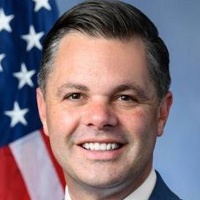
Legislative Activity
Track Zachary's sponsored bills, co-sponsored legislation, and voting record
The ACRE Act of 2025 creates a federal tax exemption for qualified lenders on interest earned from loans secured by rural or agricultural real property, excluding loans to foreign adversary entities.
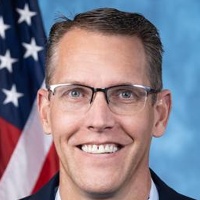
Randy Feenstra
Representative
IA
Randy Feenstra
Representative
IA
The Access to Credit for our Rural Economy Act of 2025 (ACRE Act) creates a new federal tax incentive for qualified lenders. This incentive excludes income earned from interest on loans secured by rural or agricultural real property from taxation. The goal is to encourage lending for agricultural, forestry, and certain rural home improvement purposes while prohibiting loans to foreign adversary entities.
This resolution expresses formal condolences to the families and loved ones of the 67 victims of the January 2025 collision between American Eagle Flight 5342 and a U.S. Army flight, while honoring the victims and commending the first responders.
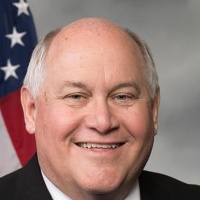
Ron Estes
Representative
KS
Ron Estes
Representative
KS
This resolution expresses the House of Representatives' deepest condolences to the families and loved ones of the 67 individuals who lost their lives in the January 29, 2025, collision of American Eagle Flight 5342 and a U.S. Army flight. It honors the victims, many of whom had strong ties to Wichita, Kansas, and commends the heroic efforts of the first responders and emergency personnel who managed the recovery.
The NETWORKS Act aims to safeguard U.S. national security by imposing sanctions on foreign entities involved in economic or industrial espionage through 5G and future telecommunications technology.
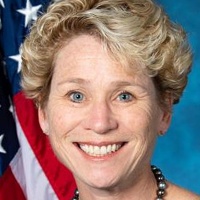
Chrissy Houlahan
Representative
PA
Chrissy Houlahan
Representative
PA
The NETWORKS Act aims to safeguard U.S. national security by imposing sanctions on foreign entities involved in economic or industrial espionage through 5G and future telecommunications technologies. It mandates the President to block transactions of foreign individuals or companies producing 5G technology that threatens U.S. security, with exceptions for intelligence activities, humanitarian aid, and certain essential goods. The President can waive sanctions for national security reasons, subject to Congressional notification, and violators will face penalties under the International Emergency Economic Powers Act. This act defines key terms and specifies that sanctions do not apply to participation in international standards-setting bodies or transactions involving existing 3G or 4G networks.
This resolution urges the European Union to formally designate the Islamic Revolutionary Guard Corps (IRGC) as a terrorist organization in response to its history of human rights abuses, regional destabilization, and global terrorism.
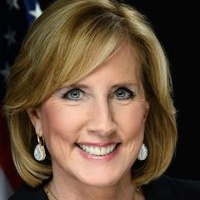
Claudia Tenney
Representative
NY
Claudia Tenney
Representative
NY
This resolution urges the European Union to formally designate the Islamic Revolutionary Guard Corps (IRGC) as a terrorist organization in response to its history of human rights abuses, support for global terrorist proxies, and assassination plots. It calls on the U.S. government to prioritize this diplomatic objective to enhance international security and hold the IRGC accountable for its destabilizing actions.
The "PLUS for Veterans Act of 2025" aims to protect veterans by clarifying who can assist with VA claims, regulating fees charged by agents and attorneys, and reinstating penalties for unauthorized charges.
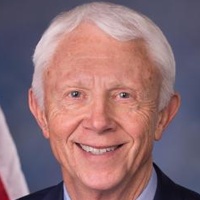
Jack Bergman
Representative
MI
Jack Bergman
Representative
MI
The PLUS for Veterans Act of 2025 aims to protect veterans by clarifying who can assist with VA claims, reinstating penalties for charging unauthorized fees, and ensuring fair representation. It requires agents and attorneys to apply for recognition, limits fees for initial claims, and mandates transparency regarding free services available to veterans. The Act also overrides conflicting state laws to ensure consistent enforcement of these protections.
Permanently allows individuals with health savings accounts (HSAs) to utilize telehealth services without needing to meet their deductible.
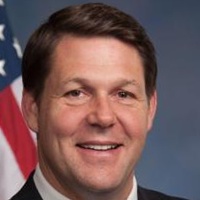
Jodey Arrington
Representative
TX
Jodey Arrington
Representative
TX
The "Telehealth Expansion Act of 2025" permanently allows individuals with Health Savings Accounts (HSAs) to access telehealth services without needing to meet their deductible first, starting after December 31, 2024. This removes a barrier to accessing telehealth services for HSA holders.
This bill authorizes a joint session of Congress to be held in Philadelphia on July 2, 2026, to commemorate the 250th anniversary of the Declaration of Independence.
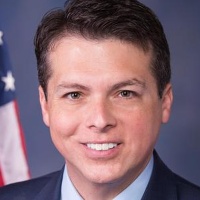
Brendan Boyle
Representative
PA
Brendan Boyle
Representative
PA
This resolution authorizes a joint session of Congress to be held at Independence National Historical Park in Philadelphia on July 2, 2026. This historic meeting will commemorate the 250th anniversary of the signing of the Declaration of Independence.
The "Preventing Deep Fake Scams Act" establishes a task force to study and report on the use of artificial intelligence in the financial services sector, including its potential risks and benefits, and to recommend best practices and regulations to protect consumers from AI-enabled fraud.
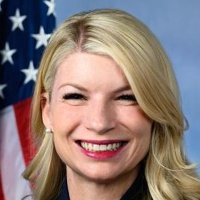
Brittany Pettersen
Representative
CO
Brittany Pettersen
Representative
CO
The "Preventing Deep Fake Scams Act" establishes a task force to study and report on the use of artificial intelligence in the financial services sector. The task force will assess both the benefits and potential risks, especially regarding deep fakes and their potential use in fraud and identity theft. The goal is to develop best practices and recommend legislation or regulations to protect consumers from AI-related financial crimes.
The Rural Veterans Transportation to Care Act expands transportation grants to include rural areas, broadens eligible recipients, increases grant amounts, and removes funding limits to improve healthcare access for veterans.
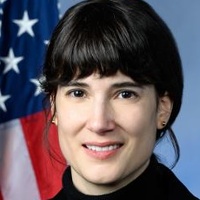
Marie Gluesenkamp Perez
Representative
WA
Marie Gluesenkamp Perez
Representative
WA
The Rural Veterans Transportation to Care Act expands the Department of Veterans Affairs' transportation grant program to include rural areas, not just highly rural ones. It broadens the range of eligible grant recipients to include county veterans service organizations and tribal organizations. The bill also increases the maximum grant amount to $60,000, with a possible increase to $80,000 for vehicle purchases needed to comply with the Americans with Disabilities Act and authorizes necessary funding by removing the previous funding limit.
This resolution condemns the Iranian regime’s terrorism and human rights abuses while affirming support for the Iranian people’s right to establish a democratic, secular, and non-nuclear republic.
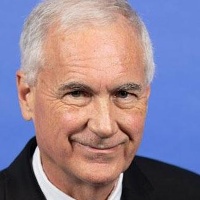
Tom McClintock
Representative
CA
Tom McClintock
Representative
CA
This resolution condemns the Iranian regime for its ongoing human rights abuses, state-sponsored terrorism, and regional instability. It expresses strong support for the Iranian people's struggle for a democratic, secular, and non-nuclear republic. Furthermore, the bill advocates for international accountability for the regime's crimes and calls for the protection of Iranian political refugees.
The REPAIR Act ensures vehicle owners and independent repair shops have access to vehicle data and repair information, promoting competition and protecting data privacy in the auto repair industry.
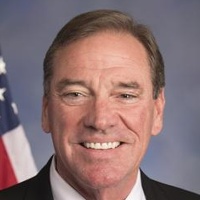
Neal Dunn
Representative
FL
Neal Dunn
Representative
FL
The "Right to Equitable and Professional Auto Industry Repair Act" or the "REPAIR Act" ensures vehicle owners and independent repair shops have access to necessary vehicle data, repair information, and tools, preventing manufacturers from creating barriers to repairs. It establishes an advisory committee to address competition issues in the auto repair industry and mandates that car buyers are informed of their rights to choose repair options. The Federal Trade Commission (FTC) is empowered to enforce the Act, protecting consumers from unfair restrictions on vehicle repair and ensuring control over their vehicle data.
The "Protect and Serve Act of 2025" establishes federal penalties for intentionally causing serious harm or death to law enforcement officers because of their position, under certain circumstances, and requires Attorney General certification for federal prosecution in many cases.
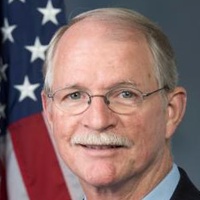
John Rutherford
Representative
FL
John Rutherford
Representative
FL
The "Protect and Serve Act of 2025" creates federal offenses for intentionally causing serious injury or death to law enforcement officers because of their status as officers. It sets penalties including imprisonment and fines, with increased penalties if death results or if kidnapping or attempted killing is involved. Federal prosecution requires certification from the Attorney General, based on a request from the state or if it is in the public interest to ensure substantial justice. The act defines "law enforcement officer" and "State" for the purposes of the new offenses.
Prohibits the purchase of real estate near U.S. federal lands by agents or businesses associated with the government of the People's Republic of China with 25% or more equity interest.
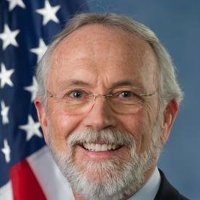
Dan Newhouse
Representative
WA
Dan Newhouse
Representative
WA
The "No American Land for Communist China Act" prohibits the President from allowing individuals or entities associated with the Chinese government from purchasing real estate near covered federal lands. Covered lands include those managed by the Departments of Interior, Defense, Agriculture (Forest Service), and Energy, as well as Indian country. This restriction applies to entities with at least 25% equity interest held by Chinese government-affiliated individuals or businesses. The Act defines "United States" broadly to include states, territories, and other U.S. possessions.
This bill adds the Secretary of Agriculture to the Committee on Foreign Investment in the United States (CFIUS) and requires CFIUS to review agricultural land transactions, especially those involving entities from China, North Korea, Russia, or Iran.
Dan Newhouse
Representative
WA
Dan Newhouse
Representative
WA
The "Protecting American Agriculture from Foreign Adversaries Act of 2025" adds the Secretary of Agriculture to the Committee on Foreign Investment in the United States (CFIUS) for agricultural matters. It mandates CFIUS review of agricultural land transactions, particularly those involving entities from China, North Korea, Russia, or Iran, to safeguard American agriculture. This ensures scrutiny of foreign investments in agricultural land and related industries, addressing potential threats to national security. The requirements for a specific country will end if that country is removed from the list of foreign adversaries in section 791.4 of title 15, Code of Federal Regulations.
The PREVENT DIABETES Act expands access to the Medicare Diabetes Prevention Program by allowing virtual-only providers to participate and serve beneficiaries across state lines from 2026-2030.

Diana DeGette
Representative
CO
Diana DeGette
Representative
CO
The PREVENT DIABETES Act aims to expand access to the Medicare Diabetes Prevention Program (MDPP) by allowing entities to participate solely through online services from January 1, 2026, through December 31, 2030. It requires the Secretary of Health and Human Services to update regulations by January 1, 2026, to accommodate virtual suppliers, ensuring they meet MDPP enrollment conditions. This act also ensures that these entities will not be denied claim payments for online MDPP services solely because the beneficiary was in a different state when the services were provided and places no limit on the number of times an individual may enroll in the MDPP.
The "ALYSSA Act" would require all elementary and secondary schools to install silent panic alarms to alert law enforcement during a school security emergency as a condition for receiving federal funding.
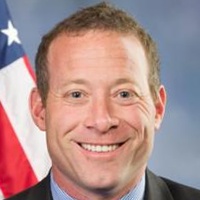
Josh Gottheimer
Representative
NJ
Josh Gottheimer
Representative
NJ
The "ALYSSA Act" amends the Elementary and Secondary Education Act of 1965 to require all elementary and secondary schools to install silent panic alarms for use during school security emergencies. To receive federal funding, local education agencies must equip each school with at least one panic alarm, defined as a silent security system for signaling life-threatening emergencies to law enforcement. This ensures schools have a direct and immediate way to alert law enforcement during critical situations.
The Leveling the Playing Field 2.0 Act strengthens U.S. trade laws to counteract unfair trade practices like foreign subsidies, currency manipulation, and duty evasion, ensuring fair competition for American businesses.
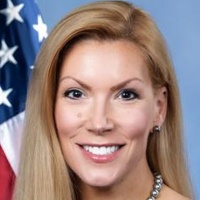
Beth Van Duyne
Representative
TX
Beth Van Duyne
Representative
TX
The Leveling the Playing Field 2.0 Act aims to strengthen U.S. trade laws by addressing unfair subsidies, currency undervaluation, duty evasion, and circumvention of trade remedies. It refines the process for handling successive trade investigations, ensuring that the International Trade Commission considers prior findings and assesses cumulative effects on domestic industries. The act also empowers authorities to counteract cost distortions in foreign countries and prevent importers from avoiding duties. Additionally, it includes provisions related to trade with Canada and Mexico and sets effective dates for new regulations.
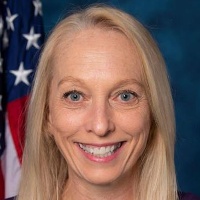
This resolution recognizes January 2025 as "National Mentoring Month" to highlight the vital role of mentorship in empowering youth and strengthening communities across the United States.
Mary Scanlon
Representative
PA
Mary Scanlon
Representative
PA
This resolution recognizes January 2025 as "National Mentoring Month" to highlight the vital role mentoring plays in fostering academic success, self-esteem, and career development for youth. It celebrates the contributions of mentors nationwide while calling for increased public and private collaboration to expand quality mentoring programs. Ultimately, the bill aims to close the "mentoring gap" to ensure all young people have the supportive adult connections necessary to reach their full potential.
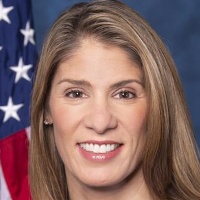
The "Accelerating Kids’ Access to Care Act of 2025" streamlines Medicaid and CHIP enrollment for out-of-state providers, increasing healthcare access for children.
Lori Trahan
Representative
MA
Lori Trahan
Representative
MA
The "Accelerating Kids Access to Care Act of 2025" streamlines the enrollment process for out-of-state healthcare providers in Medicaid and CHIP, ensuring children under 21 have access to care from eligible providers across state lines. By reducing administrative burdens and unnecessary screening requirements, the Act aims to improve healthcare access for children while maintaining necessary safeguards against fraud and abuse. Participating providers will be enrolled for a 5-year period, and the changes will take effect three years after the Act's enactment.
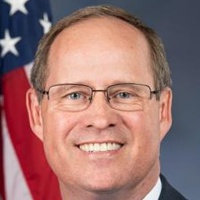
This bill equalizes the negotiation period for drug price negotiations under the Drug Price Negotiation Program by extending the period for small-molecule drugs from 7 years to 11 years, matching that of biologic drugs.
Gregory Murphy
Representative
NC
Gregory Murphy
Representative
NC
This bill amends the Social Security Act to equalize the negotiation period for drug price negotiations under the Drug Price Negotiation Program. It changes the negotiation period for small-molecule drugs from 7 years to 11 years, matching the period already in place for biologic drugs. This adjustment aims to create parity in negotiation timelines between different types of medications, effective as if included in the original legislation.