This Act establishes a designated community bank representative on the Federal Reserve Board of Governors to focus on the supervision and regulation of smaller banking organizations.
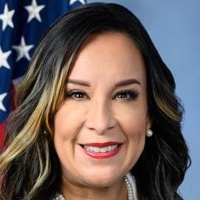
Mónica De La Cruz
Representative
TX-15
The Community Bank Representation Act establishes a dedicated community bank member on the Federal Reserve Board of Governors. This member will focus on the supervision and regulation of smaller banking organizations, specifically those under a specified asset threshold. The Act also mandates regular Congressional testimony regarding these efforts and requires the asset threshold to be adjusted annually based on GDP growth.
Federal Reserve Overhaul Mandates Community Bank Seat: Asset Thresholds to Rise with GDP
The Community Bank Representation Act changes the makeup of the Federal Reserve Board of Governors by carving out a dedicated seat for someone who actually knows the world of local banking. Under this bill, the Chairman must designate one member with primary experience working in or supervising community banks. This isn't just a title; this member is tasked with developing policy recommendations and overseeing the regulation of banks with total assets under $17 billion. It’s a move designed to ensure that the rules governing a small-town lender aren't identical to the ones written for Wall Street giants.
A Seat at the Big Table
For a long time, the Federal Reserve has been dominated by experts focused on global markets and massive 'too big to fail' institutions. This bill shifts that dynamic by requiring the designated community bank member to consult with the Vice Chairman for Supervision specifically on matters affecting smaller lenders. For a local business owner or a homebuyer in a smaller city, this could mean that the regulations affecting their local bank are more practical and less burdensome. By having a dedicated advocate, the bill aims to prevent 'regulatory trickle-down,' where complex rules intended for massive banks accidentally crush the smaller ones that provide the bulk of small business loans (Section 2).
Keeping Pace with the Economy
The bill also introduces a smart mathematical tweak: the $17 billion asset threshold isn't set in stone. Every year that the U.S. GDP grows, the Federal Reserve must increase that dollar figure proportionally. This ensures that as the economy expands, banks aren't 'graduated' into more expensive, complex regulatory tiers just because of inflation or general economic growth. It’s a bit like adjusting tax brackets so you don’t pay more just because your cost-of-living raise kicked in. This provision uses data from the Bureau of Economic Analysis to keep the definition of a 'community bank' grounded in current economic reality.
Accountability and Oversight
To make sure this new role doesn't become a quiet desk job, the bill requires the community bank member to testify before the Senate Banking and House Financial Services Committees twice a year. They have to explain exactly what they are doing to support and regulate these $17-billion-and-under institutions. While the bill is clear on the duties, the 'medium' vagueness comes into play regarding who qualifies as having 'primary experience.' Depending on who is picked, this role could either be a powerful voice for local credit or a symbolic gesture. However, by mandating coordination with the Federal Financial Institutions Examination Council, the bill ensures this member is plugged into the broader machinery of financial oversight.