Legislative Activity
Track Dan's sponsored bills, co-sponsored legislation, and voting record
This act authorizes the creation of the Smithsonian National Museum of the American Latino on the National Mall, ensuring diverse representation in its exhibits and programs.
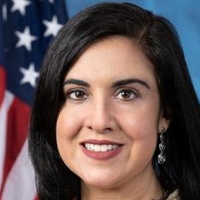
Nicole Malliotakis
Representative
NY
Nicole Malliotakis
Representative
NY
The Smithsonian National Museum of the American Latino Act authorizes the creation of the Smithsonian National Museum of the American Latino on the National Mall. It ensures the museum's exhibits and programs accurately represent the diverse cultures, histories, events, and values of Hispanic and Latino communities, seeking guidance from diverse sources. The Act also mandates regular reports to Congress on the museum's efforts to meet these diversity requirements.
The "Death Tax Repeal Act" eliminates estate and generation-skipping transfer taxes, adjusts gift tax calculations, and sets a $10,000,000 lifetime gift exemption.
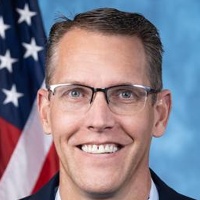
Randy Feenstra
Representative
IA
Randy Feenstra
Representative
IA
The "Death Tax Repeal Act" eliminates both estate and generation-skipping transfer taxes, effective from the date of enactment. It adjusts gift tax calculations by setting the lifetime gift exemption at $10,000,000, with inflation adjustments after 2011. The Act also includes transitional rules for applying certain sections of the Internal Revenue Code during the enactment year.
Prohibits securities exchanges from processing transactions involving securities issued by "natural asset companies" that manage land for conservation and ecological performance.
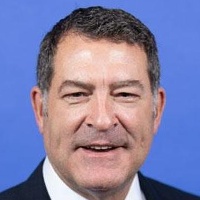
Mark Green
Representative
TN
Mark Green
Representative
TN
The "Protect America's Lands Act" prevents national securities exchanges from handling transactions of securities issued by "natural asset companies." These companies manage land for conservation and aim to enhance the value of natural assets and ecosystem services. The bill defines specific criteria for what constitutes a "natural asset company" to ensure the prohibition is appropriately applied.
This Act allows schools participating in the National School Lunch Program to offer organic or non-organic whole milk alongside other options, while clarifying saturated fat accounting and restricting milk sourcing from China state-owned enterprises.
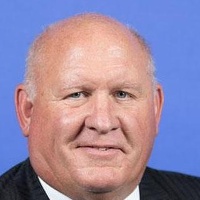
Glenn Thompson
Representative
PA
Glenn Thompson
Representative
PA
The Whole Milk for Healthy Kids Act of 2025 expands milk options available to students in the National School Lunch Program by allowing schools to offer organic or non-organic whole milk. This legislation provides greater flexibility for schools in providing fluid milk choices while maintaining accommodations for students with special dietary needs. Importantly, the saturated fat content of these offered milk options will not count toward the meal's overall saturated fat limits.
Prohibits banks and credit card companies from using specific codes that identify gun and ammunition stores.
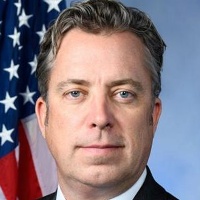
Andrew Ogles
Representative
TN
Andrew Ogles
Representative
TN
The "Protecting the Second Amendment in Financial Services Act" prevents banks and credit card companies from using specific merchant codes that would identify businesses selling firearms or ammunition. This ensures that financial institutions cannot track or discriminate against legal firearm-related transactions.
This bill directs the Forest Service to expand the use of strategic livestock grazing on federal lands as a tool to reduce wildfire risks and manage invasive fuels.
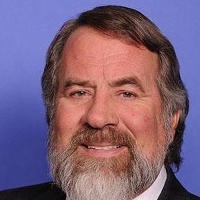
Doug LaMalfa
Representative
CA
Doug LaMalfa
Representative
CA
The Grazing for Wildfire Risk Reduction Act directs the Forest Service to expand the use of livestock grazing as a strategic tool to mitigate wildfire hazards. By streamlining environmental reviews and increasing the use of targeted grazing, the bill aims to reduce hazardous fuels and invasive grasses across federal lands. This initiative also provides greater flexibility for permit holders to manage livestock during natural disasters and post-fire recovery efforts.
This bill transfers the functions, assets, and responsibilities of the Food for Peace Act from the U.S. Agency for International Development to the Department of Agriculture.
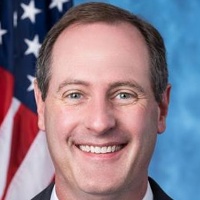
Tracey Mann
Representative
KS
Tracey Mann
Representative
KS
This bill transfers the functions, assets, and responsibilities for implementing the Food for Peace Act from the U.S. Agency for International Development (USAID) to the Department of Agriculture (USDA). The Secretary of Agriculture will now administer the program, though the Famine Early Warning Systems Network will remain under USDA control. This change allows the USDA to quickly update necessary rules to ensure a smooth transition of the program.
The WEST Act of 2025 nullifies a Bureau of Land Management rule concerning conservation and landscape health.
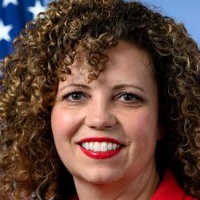
Celeste Maloy
Representative
UT
Celeste Maloy
Representative
UT
The WEST Act of 2025 nullifies the Bureau of Land Management's Conservation and Landscape Health rule. This prevents the rule from being implemented.
The Freight RAILCAR Act of 2025 incentivizes freight railcar modernization by establishing a tax credit for qualified newly built replacement railcars and qualified railcar modernization expenditures.
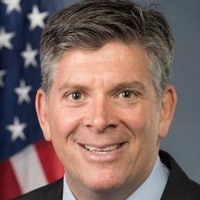
Darin LaHood
Representative
IL
Darin LaHood
Representative
IL
The "Freight RAILCAR Act of 2025" introduces a tax credit for modernizing freight railcars, encouraging investments in newer, more efficient railcars. Taxpayers can claim a credit equal to 10% of their freight railcar fleet modernization expenses, with a limit of 1,000 qualified freight railcars per year. The credit applies to railcars that increase capacity, improve fuel efficiency, or meet updated performance standards, and is available for three years after the Act's enactment. The Secretary of the Treasury is required to submit a report to Congress detailing the credit's usage and impact on railcar modernization and scrapping.
Exempts family farms and small businesses from asset considerations in need analysis for federal student aid.
Tracey Mann
Representative
KS
Tracey Mann
Representative
KS
The "Family Farm and Small Business Exemption Act" amends the Higher Education Act of 1965 to exclude the net value of a family farm (on which the family resides) or a small business (with no more than 100 employees and owned/controlled by the family) from consideration as an asset when determining financial need for federal student aid. This change aims to make higher education more accessible for students from family farm and small business backgrounds.
The "Freedom to Invest in Tomorrow's Workforce Act" expands the use of 529 savings accounts to cover expenses related to postsecondary credentialing programs, including tuition, fees, books, supplies, equipment, and testing fees.
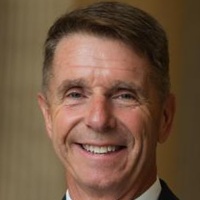
Robert Wittman
Representative
VA
Robert Wittman
Representative
VA
The "Freedom to Invest in Tomorrow's Workforce Act" amends Section 529 savings accounts to include expenses related to postsecondary credentialing programs. This allows 529 funds to cover costs like tuition, fees, books, supplies, and testing fees for recognized programs and credentials, as defined by the bill. These changes would apply to distributions made after the bill is enacted.
The HALT Fentanyl Act permanently classifies fentanyl-related substances as Schedule I controlled substances while streamlining registration procedures for legitimate scientific research.
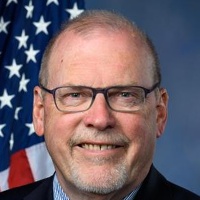
H. Griffith
Representative
VA
H. Griffith
Representative
VA
The Halt All Lethal Trafficking of Fentanyl (HALT Fentanyl) Act permanently classifies fentanyl-related substances as Schedule I controlled substances to strengthen enforcement and penalties against their trafficking. Additionally, the bill streamlines registration processes for researchers to facilitate legitimate scientific study of these substances. It also includes technical corrections and mandates updated federal rulemaking to ensure effective implementation.
The CONSTRUCTS Act of 2025 establishes a grant program for community colleges and trade schools to expand residential construction training, with a focus on serving rural and underserved populations.
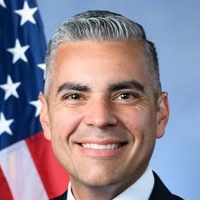
Juan Ciscomani
Representative
AZ
Juan Ciscomani
Representative
AZ
The CONSTRUCTS Act of 2025 establishes a competitive grant program to expand education and training for careers in the residential construction industry. By providing $20 million annually, the bill supports community colleges and trade schools in developing skilled labor pipelines, with a priority on serving rural and underserved populations. These programs aim to increase the supply of qualified workers while helping to address local housing needs through flexible, industry-aligned training.
The Marc Fischer Memorial Act mandates the implementation of a comprehensive digital mail scanning strategy across all federal prisons to detect and interdict synthetic drugs like fentanyl.
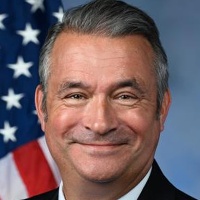
Don Bacon
Representative
NE
Don Bacon
Representative
NE
The Marc Fischer Memorial Act mandates that the Bureau of Prisons implement a comprehensive strategy to achieve 100% digital scanning of all inmate mail to interdict fentanyl and other synthetic drugs. By transitioning to digital mail processing, the Act aims to protect staff and inmates from lethal exposure, improve institutional security, and alleviate the administrative burden on correctional personnel.
The Protect Our Letter Carriers Act of 2025 authorizes $7 billion to upgrade postal security infrastructure while mandating dedicated federal prosecutors for postal crimes and increasing sentencing guidelines for assaults against postal employees.
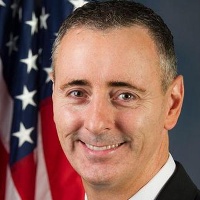
Brian Fitzpatrick
Representative
PA
Brian Fitzpatrick
Representative
PA
The Protect Our Letter Carriers Act of 2025 aims to enhance the safety of postal workers by funding high-security infrastructure upgrades, including electronic mailbox keys. The bill also mandates the appointment of dedicated federal prosecutors for postal crimes in every judicial district and requires stricter sentencing guidelines for those who assault or rob postal employees.
This bill mandates a federal evaluation and report on the effectiveness of container aerial firefighting systems (CAFFS) for wildfire suppression.
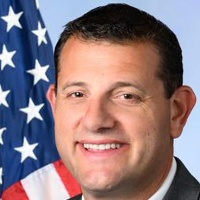
David Valadao
Representative
CA
David Valadao
Representative
CA
The Emergency Wildfire Fighting Technology Act of 2025 mandates a federal evaluation of the Container Aerial Firefighting System (CAFFS) to determine its effectiveness in wildfire suppression. The Secretaries of Agriculture and the Interior are required to report their findings to Congress within 120 days of the bill's enactment.
The BADGES for Native Communities Act aims to improve public safety in Indian country by addressing data gaps in missing persons cases, enhancing law enforcement staffing and resources, and streamlining background checks for tribal law enforcement.
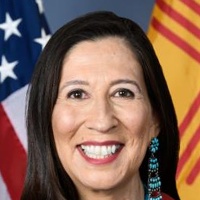
Teresa Leger Fernandez
Representative
NM
Teresa Leger Fernandez
Representative
NM
The **BADGES for Native Communities Act** aims to improve public safety and justice in Indian country by addressing critical data gaps and resource shortages. The bill establishes a Tribal facilitator for missing persons cases, mandates comprehensive reporting on law enforcement staffing needs, and creates a grant program to improve coordination in investigations. Additionally, it streamlines background checks for Bureau of Indian Affairs law enforcement and provides enhanced mental health resources for officers serving Native communities.
The Fair Access to Banking Act prohibits large financial institutions and payment networks from denying services to law-abiding businesses based on subjective, non-financial, or political criteria.
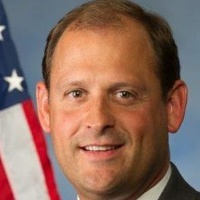
Garland Barr
Representative
KY
Garland Barr
Representative
KY
The Fair Access to Banking Act prohibits large financial institutions and payment networks from denying services to law-abiding businesses based on subjective, politically motivated, or reputational criteria. The bill mandates that financial institutions use impartial, quantitative, risk-based standards to evaluate customers rather than category-based exclusions. To ensure compliance, the legislation establishes enforcement mechanisms through federal regulators and provides a legal pathway for businesses to sue for damages if they are unfairly denied access to financial services.
This bill prohibits state and local governments from imposing special taxes, insurance requirements, or user fees as a condition for the ownership, manufacture, or transfer of firearms and ammunition.
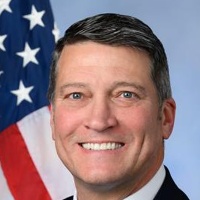
Ronny Jackson
Representative
TX
Ronny Jackson
Representative
TX
The "No User Fees for Gun Owners Act" prohibits state and local governments from imposing special taxes, insurance requirements, or user fees as a condition for owning, manufacturing, or transferring firearms and ammunition. The bill ensures that firearms are only subject to standard, generally applicable sales taxes, preventing discriminatory financial barriers to gun ownership.
The SAFE Act amends the Controlled Substances Act to permanently classify fentanyl-related substances as Schedule I drugs while establishing streamlined research registration processes and revised sentencing guidelines.
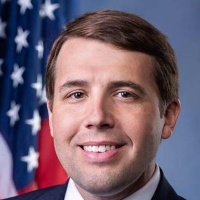
Chris Pappas
Representative
NH
Chris Pappas
Representative
NH
The SAFE Act amends the Controlled Substances Act to permanently classify fentanyl-related substances as Schedule I drugs, providing a clear legal framework for their regulation. The bill updates penalty thresholds for the manufacturing, importation, and trafficking of these substances while establishing a scientific process for their potential rescheduling or removal. Additionally, it streamlines registration requirements for researchers to facilitate legitimate medical and scientific study of these compounds.