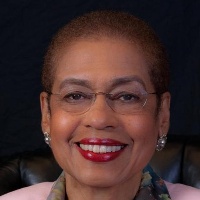
Legislative Activity
Track Eleanor's sponsored bills, co-sponsored legislation, and voting record
This resolution demands the President promptly transmit all documents related to potential furloughs, pay withholding, and legal justifications concerning federal employees affected by a funding lapse starting October 1, 2025.
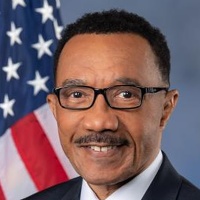
Kweisi Mfume
Representative
MD
Kweisi Mfume
Representative
MD
This resolution is an official request demanding the President transmit specific, unredacted documents to the House of Representatives within 14 days. Congress is seeking all communications and records related to potential furloughs, layoffs, or the withholding of pay for federal employees due to a funding lapse beginning October 1, 2025. The request specifically targets documents concerning legal opinions that might undermine the requirement to pay furloughed workers after appropriations resume.
This resolution honors the memory of Wadee Alfayoumi, a young Palestinian-American murder victim of a hate crime, and condemns all acts of discrimination and violence based on ethnicity or religion in Illinois.
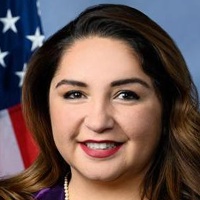
Delia Ramirez
Representative
IL
Delia Ramirez
Representative
IL
This resolution honors the memory of Wadee Alfayoumi, a 6-year-old Palestinian-American boy murdered in a hate crime in Illinois. It strongly condemns all hate crimes and discrimination based on ethnicity or religion. The measure also recognizes the significant contributions of the Palestinian community to the United States. Finally, it calls for an end to hateful rhetoric and violence against all children globally.
This resolution expresses the House of Representatives' support for designating the second Monday in October 2025 as "Indigenous Peoples' Day" to honor the history, culture, and contributions of Indigenous Peoples.
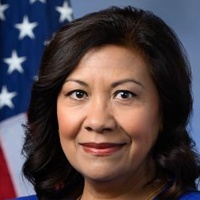
Norma Torres
Representative
CA
Norma Torres
Representative
CA
This resolution expresses the strong support of the House of Representatives for designating the second Monday in October 2025 as "Indigenous Peoples' Day." It aims to formally recognize and honor the history, culture, and enduring contributions of Indigenous Peoples in the United States. The measure encourages public observance and supports the eventual establishment of this day as an official Federal holiday.
This resolution formally recognizes the vital role of Spanish-language media in informing, connecting, and strengthening diverse communities across the United States.
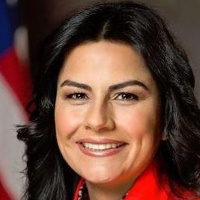
Nanette Barragán
Representative
CA
Nanette Barragán
Representative
CA
This resolution formally recognizes the vital role Spanish-language media plays in informing, educating, and connecting over 41 million Spanish speakers across the United States. It highlights how these outlets strengthen democracy by ensuring broad access to essential information and celebrate the rich cultural contributions of the Latino community. Ultimately, the bill encourages continued support for these crucial media sources nationwide.
This bill, the Healthy Meals Help Kids Learn Act of 2025, increases federal reimbursement rates for school lunches and breakfasts starting in late 2025.
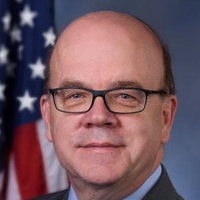
James McGovern
Representative
MA
James McGovern
Representative
MA
The Healthy Meals Help Kids Learn Act of 2025 aims to increase federal reimbursement rates for school meals. Specifically, it provides an additional 45 cents per lunch and 28 cents per breakfast served by school food authorities starting November 1, 2025. These adjusted rates will be subject to future inflation adjustments.
This Act mandates that all states must operate the WIC program and guarantees necessary funding through permanent appropriation starting in fiscal year 2026.
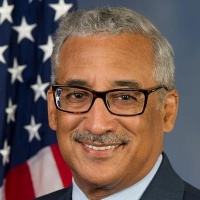
Robert Scott
Representative
VA
Robert Scott
Representative
VA
The WIC Benefits Protection Act mandates that all states must operate the Special Supplemental Nutrition Program for Women, Infants, and Children (WIC). This legislation also guarantees permanent, mandatory funding for WIC starting in fiscal year 2026, ensuring the program has the necessary resources annually. Furthermore, it clarifies eligibility language within the program's governing statute.
The School Food Modernization Act provides federal loan guarantees, grants, and training to upgrade school food facilities and improve staff skills for serving healthier meals.
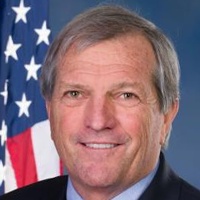
Mark DeSaulnier
Representative
CA
Mark DeSaulnier
Representative
CA
The School Food Modernization Act aims to improve school meal programs by providing financial assistance for facility upgrades and equipment purchases through loan guarantees and grants. It also establishes a new grant program to fund third-party training for school food service staff on nutrition standards and efficiency. Finally, the bill requires reports to Congress on program implementation and a study on how states use administrative funds for workforce training.
This Act establishes a grant program to fund community alternatives for mental health crisis response, focusing on health-centered dispatch and specialized response teams.
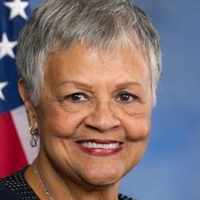
Bonnie Watson Coleman
Representative
NJ
Bonnie Watson Coleman
Representative
NJ
The Mental Health Crisis Response Act of 2025 establishes a new federal grant program to help local governments create health-centered alternatives for responding to mental health emergencies. These funds will support initiatives like integrating mental health professionals into 911 dispatch and streamlining transfers to crisis hotlines. Grantees must report annually on response times, use of force, and diversion to treatment, while the law explicitly preserves existing law enforcement roles.
The FAST Justice Act allows federal employees or job applicants to file a civil lawsuit in district court if the Merit Systems Protection Board (MSPB) fails to decide their appeal within 120 days.
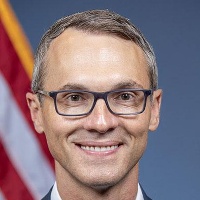
James Walkinshaw
Representative
VA
James Walkinshaw
Representative
VA
The Fair Access to Swift and Timely Justice Act, or FAST Justice Act, allows federal employees or job applicants to file a civil lawsuit in federal district court if the Merit Systems Protection Board (MSPB) fails to issue a decision on their appeal within 120 days. This provision provides an alternative remedy when the MSPB's review process causes undue delay. Filing a lawsuit pauses the MSPB appeal, but the original appeal rights remain intact if the lawsuit is dismissed.
This act ensures federal employees furloughed due to a lapse in government funding are reimbursed for childcare expenses incurred during that period.

Ilhan Omar
Representative
MN
Ilhan Omar
Representative
MN
The Federal Worker Childcare Protection Act of 2025 aims to reimburse federal employees for childcare expenses incurred during periods of government shutdown or lapse in funding. Eligible employees who were furloughed or unpaid due to a funding lapse can receive reimbursement by submitting proof of payment to the GSA. This provision is contingent upon Congress appropriating the necessary funds.
The SNAP Back Act of 2025 expands eligibility for work requirement exemptions under the SNAP program to include homeless individuals, veterans, and certain former foster youth.
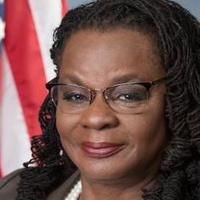
Gwen Moore
Representative
WI
Gwen Moore
Representative
WI
The SNAP Back Act of 2025 amends the Food and Nutrition Act of 2008 to expand exemptions from SNAP work requirements. This bill adds individuals who are currently homeless, all veterans, and former foster youth (aged 24 or younger) to the list of those considered "disabled individuals" for SNAP purposes. This change aims to make these specific vulnerable populations eligible for SNAP benefits without meeting standard work activity rules.
This Act establishes strict evidence requirements for states to remove registered voters from the rolls for federal elections and mandates timely notification to those affected.
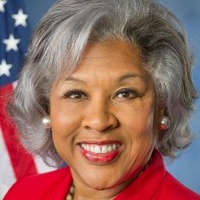
Joyce Beatty
Representative
OH
Joyce Beatty
Representative
OH
The Voter Purge Protection Act establishes strict new evidence requirements for states before they can remove registered voters from the rolls for federal elections. States must have objective proof that a voter is ineligible and cannot remove someone solely for not voting or failing to respond to a notice unless it was returned as undeliverable. If a voter is removed, the state must notify them within 48 hours with instructions on how to re-register.
This Act temporarily halts certain legal and financial actions against federal employees and their contractors during a government shutdown to protect their civil rights and financial stability.
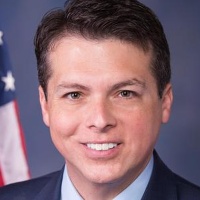
Brendan Boyle
Representative
PA
Brendan Boyle
Representative
PA
The Federal Employees Civil Relief Act aims to protect federal employees and contractors from negative civil actions during a government shutdown. It temporarily pauses various legal and administrative proceedings, including evictions, foreclosures, and debt collections, when a worker is furloughed or working without pay. The bill also grants federal workers the ability to defer income tax payments without penalty and prevents negative credit reporting based on seeking relief under this Act.
This bill authorizes the Federal Government to reimburse states for using their own funds to maintain WIC program operations during a lapse in federal appropriations.
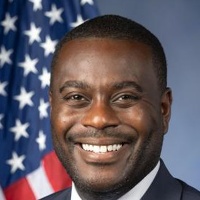
Gabe Amo
Representative
RI
Gabe Amo
Representative
RI
This bill ensures that states are reimbursed by the Federal Government for any state funds they use to maintain essential operations of the Special Supplemental Nutrition Program for Women, Infants, and Children (WIC) during a lapse in federal appropriations. It provides a mechanism for the Federal Government to pay back states that cover WIC costs during a government shutdown. This protects state budgets while keeping vital nutrition assistance running.
This Act establishes a grant program to fund the development and expansion of non-police mental health crisis response teams.
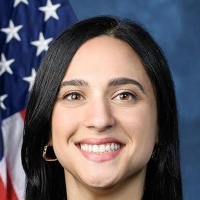
Yassamin Ansari
Representative
AZ
Yassamin Ansari
Representative
AZ
The Mental Health Emergency Responder Act establishes a new federal grant program to help communities develop or expand crisis response systems that prioritize mental health professionals over police involvement. These funds support hiring, training, and integrating specialized co-response teams into 911 and 988 dispatch systems. The program aims to divert individuals in mental health crises away from the criminal justice system, while respecting existing state laws regarding emergency detention.
This resolution expresses deep concern over the surge in book banning and threats to free expression, urging the immediate restoration of removed materials in federal schools and the repeal of restrictive directives.
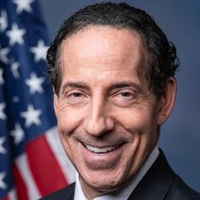
Jamie Raskin
Representative
MD
Jamie Raskin
Representative
MD
This resolution expresses deep concern over the growing trend of book banning and threats to freedom of expression in U.S. schools and libraries. It asserts that such censorship undermines democratic values and harms students by restricting access to diverse ideas and histories. The bill urges local entities to follow best practices for book challenges and calls for the immediate reinstatement of books removed from Department of Defense schools. Ultimately, it reaffirms the nation's commitment to First Amendment rights and the freedom to read.
This resolution declares the need for increased investment in youth mental health and officially recognizes "Youth Mental Health Day" and "Youth Suicide Prevention Day."
Yassamin Ansari
Representative
AZ
Yassamin Ansari
Representative
AZ
This resolution formally acknowledges the critical state of youth mental health in the U.S., citing alarming rates of anxiety, depression, and suicide. It calls for increased investment in mental health support and encourages the designation of specific days to raise awareness. Ultimately, the bill urges federal, state, and local entities to prioritize comprehensive mental health programs for young people.
This resolution expresses support for designating October 2025 as National Learning Disabilities Awareness Month while urging action to address the significant achievement gaps faced by students with Specific Learning Disabilities.
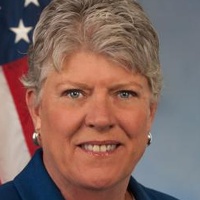
Julia Brownley
Representative
CA
Julia Brownley
Representative
CA
This resolution expresses support for designating October 2025 as National Learning Disabilities Awareness Month to highlight the significant academic challenges faced by students with Specific Learning Disabilities (SLD). It emphasizes that SLDs are the most common disability category under IDEA, yet these students show alarmingly low proficiency rates in reading and math. The bill urges early screening and calls on educational agencies to ensure these students receive the required specialized instruction and support to achieve success.
This resolution officially designates October 8, 2025, as Latina Equal Pay Day to recognize and address the significant wage disparity faced by Latina women compared to White, non-Hispanic men.
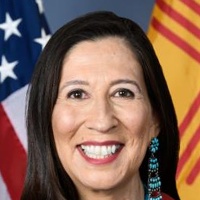
Teresa Leger Fernandez
Representative
NM
Teresa Leger Fernandez
Representative
NM
This resolution officially designates October 8, 2025, as Latina Equal Pay Day to highlight the significant wage disparity faced by Latina workers. It recognizes that Latinas currently earn only about 58 cents for every dollar earned by White, non-Hispanic men, resulting in substantial lifetime earnings loss. The bill calls attention to systemic factors like workplace policies and harassment that contribute to this ongoing economic injustice. Ultimately, Congress reaffirms its commitment to achieving pay equity for all women.
This Act waives the 10% early withdrawal penalty on Thrift Savings Plan distributions up to $30,000 during a federal government shutdown and provides special provisions for TSP hardship withdrawals and loan payments affected by the lapse in appropriations.
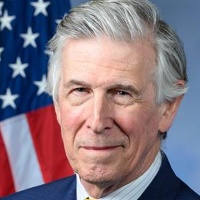
Donald Beyer
Representative
VA
Donald Beyer
Representative
VA
The Emergency Relief for Federal Workers Act of 2025 provides financial relief to federal employees affected by government shutdowns. This bill waives the 10% early withdrawal penalty on Thrift Savings Plan (TSP) distributions up to $30,000 during a qualifying shutdown. Additionally, it allows affected employees greater access to TSP hardship withdrawals and loans, and prevents missed TSP loan payments due to a shutdown from being treated as a taxable distribution.