
Legislative Activity
Track Eleanor's sponsored bills, co-sponsored legislation, and voting record
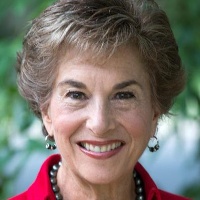
This bill mandates that certain new medical devices must be designed to be fully usable by individuals who are blind or have low vision.
Janice Schakowsky
Representative
IL
Janice Schakowsky
Representative
IL
The Medical Device Nonvisual Accessibility Act of 2025 mandates that certain new medical devices must be designed to be fully usable by individuals who are blind or have low vision. This ensures that users can access information and operate life-saving equipment independently and privately, similar to sighted users. The FDA is tasked with establishing specific nonvisual accessibility standards for these covered devices within a set timeline. Devices failing to meet these standards after the effective date will be deemed adulterated.
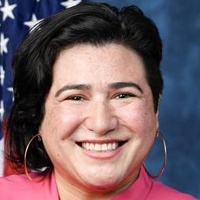
This Act prohibits most immigration enforcement activities within 1,000 feet of protected emergency response locations unless exigent circumstances exist.
Emily Randall
Representative
WA
Emily Randall
Representative
WA
The Emergency Responder Protection Act establishes a 1,000-foot protected zone around emergency response locations, severely restricting immigration enforcement activities near disaster sites and aid centers. Immigration officers generally cannot conduct enforcement actions within this zone unless facing exigent circumstances, such as imminent risk of death or violence. The bill mandates strict operational rules, annual training for officers, and detailed reporting requirements to the DHS Inspector General and Congress regarding any enforcement actions taken near these protected areas. Violations of this rule may result in the termination of removal proceedings and the inadmissibility of evidence gathered.
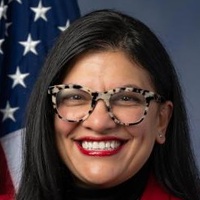
This Act ensures that payments made for car, home/renter, and flood insurance policies are excluded when determining income for eligibility in federal, state, or local assistance programs.
Rashida Tlaib
Representative
MI
Rashida Tlaib
Representative
MI
The Cost-of-Living Fairness Act ensures that payments made for essential insurance policies, such as car, home/renter, and flood insurance, are excluded when determining eligibility for federal, state, or local assistance programs. This change prevents necessary insurance expenses from negatively impacting a household's income calculation for benefits. The goal is to make it fairer for families to maintain necessary coverage while accessing public aid.
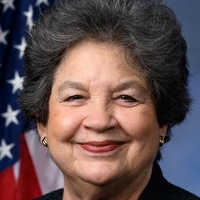
The FASTER Act establishes a FEMA grant program to help fire departments implement home safety and fall prevention initiatives for older adults.
Lois Frankel
Representative
FL
Lois Frankel
Representative
FL
The FASTER Act establishes a FEMA grant program to fund fire departments in creating home safety and fall prevention initiatives for older adults. These grants will help departments conduct home safety assessments, install safety modifications like grab bars, and provide related community paramedicine services. The goal is to reduce the high rate of debilitating and costly falls among seniors through proactive community intervention.
This resolution officially designates the week of September 22 through September 28, 2025, as National Falls Prevention Awareness Week to raise public awareness and encourage the prevention of falls among older adults.
Lois Frankel
Representative
FL
Lois Frankel
Representative
FL
This resolution officially designates the week of September 22 through September 28, 2025, as "National Falls Prevention Awareness Week." The goal is to raise public awareness about the significant dangers of falls among older adults. By highlighting this issue, the measure encourages widespread efforts to promote proven, cost-effective prevention strategies.
This resolution expresses support for National Public Lands Day, encouraging Americans to visit public lands on the fee-free day to recognize their cultural and economic value.
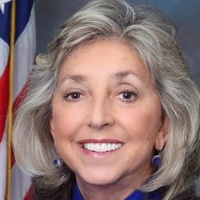
Dina Titus
Representative
NV
Dina Titus
Representative
NV
This resolution officially expresses support for National Public Lands Day, recognizing the vast spiritual, cultural, and economic value of America's public lands. It encourages all citizens to visit these lands on the designated fee-free day. The measure highlights the significant acreage managed by various federal agencies that support recreation and the national economy.
This bill extends the authorization for key federal programs supporting the resilience and sustainability of clean water and drinking water infrastructure until 2031.
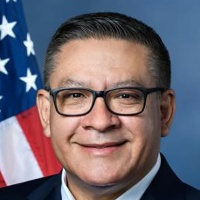
Salud Carbajal
Representative
CA
Salud Carbajal
Representative
CA
The Water Infrastructure Resilience and Sustainability Act extends the operational deadlines for key federal programs designed to strengthen water infrastructure. Specifically, this bill pushes the expiration dates for the Clean Water Infrastructure Resiliency and Sustainability Program and two Drinking Water System Resilience and Sustainability Programs from 2026 to 2031. This extension ensures continued funding and support for community projects aimed at improving water system toughness against severe weather and environmental challenges.
This bill ensures that essential, furloughed federal employees receive unemployment compensation during government shutdowns in fiscal years 2026 or 2027, with the federal government reimbursing states for all paid benefits and administrative costs.
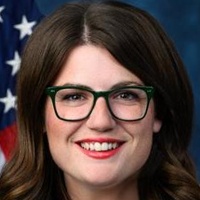
Sarah Elfreth
Representative
MD
Sarah Elfreth
Representative
MD
The Help Federal Employees During Shutdowns Act (Help FEDS Act) ensures that essential, non-paid federal employees working during a government shutdown can receive state unemployment compensation for the weeks they are actively working. This legislation mandates that the federal government fully reimburse states for all benefits paid out, plus administrative costs, directly from the Unemployment Trust Fund. Any employee who receives retroactive pay for a period they were also paid unemployment must repay those benefits to the state.
This act increases the tax exclusion limit for dependent care assistance programs to support working families.
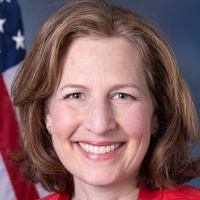
Kim Schrier
Representative
WA
Kim Schrier
Representative
WA
The Improving Child Care for Working Families Act of 2025 significantly increases the tax exclusion limit for dependent care assistance programs. This change raises the maximum exclusion from $\$7,500$ to $\$10,500$ for most taxpayers. The bill also adjusts the limit for married individuals filing separately to $\$5,250$. These provisions apply to dependent care expenses incurred in calendar years beginning after the Act's enactment.
The Ejiao Act of 2025 prohibits the knowing trade of donkeys, donkey hides, and ejiao products within U.S. commerce to combat the devastating impact of ejiao production on global donkey populations.
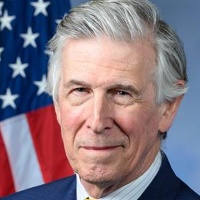
Donald Beyer
Representative
VA
Donald Beyer
Representative
VA
The Ejiao Act of 2025 prohibits the knowing trade, import, and export of donkeys, donkey hides, and ejiao products within U.S. commerce due to the devastating impact of the ejiao trade on global donkey populations. This legislation establishes significant civil and criminal penalties for violations, including substantial fines and imprisonment. Furthermore, the Act grants enforcement authority to agencies like U.S. Customs and Border Protection and mandates the forfeiture of illegal goods and related equipment.
This resolution supports designating a week in September 2025 as National Hazing Awareness Week to promote comprehensive prevention efforts against hazing on college campuses.
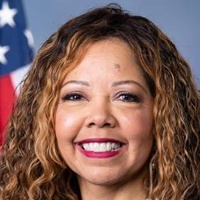
Lucy McBath
Representative
GA
Lucy McBath
Representative
GA
This resolution supports the designation of a National Hazing Awareness Week to highlight the serious and often tragic issue of hazing on college campuses. It builds upon existing federal law by emphasizing the need for comprehensive, ongoing prevention education for students, staff, and faculty. Ultimately, the bill encourages nationwide action to promote awareness and prevent hazing incidents.
This resolution officially recognizes the critical disparities in Black youth mental health access and treatment and urges the administration to implement recommendations to address the crisis.
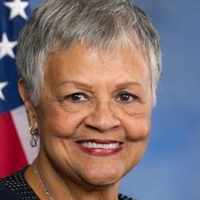
Bonnie Watson Coleman
Representative
NJ
Bonnie Watson Coleman
Representative
NJ
This resolution formally recognizes the critical disparities in mental health access and treatment for Black youth, citing alarming increases in suicide rates among this population. It calls on the current administration to build upon previous efforts and implement recommendations from the *Ring the Alarm* report. The bill specifically urges increased funding, promotion of community education to reduce stigma, and protection of existing mental health service structures.
This bill directs the President to immediately remove U.S. Armed Forces from hostilities against Venezuela and certain criminal organizations unless Congress specifically authorizes the use of force.

Ilhan Omar
Representative
MN
Ilhan Omar
Representative
MN
This bill directs the President to immediately remove United States Armed Forces from hostilities against the Bolivarian Republic of Venezuela and certain designated criminal groups. Congress asserts that these military actions lack the necessary constitutional authorization or a declaration of war. The resolution mandates withdrawal unless Congress subsequently passes specific authorization or the U.S. is subject to an armed attack.
This bill reauthorizes the Every Kid Outdoors program, adjusting eligibility to focus on fifth graders and 10-11 year olds, while securing $25 million annually for program operation and targeted outreach.
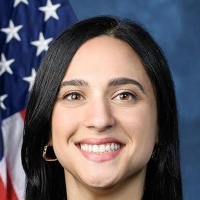
Yassamin Ansari
Representative
AZ
Yassamin Ansari
Representative
AZ
The Every Kid Outdoors Reauthorization Act renews the popular program offering free access to national parks and federal recreation sites for eligible youth. This reauthorization specifically targets fifth graders or 10- and 11-year-old home-schooled learners. The bill authorizes $25 million annually to support the program, including funding for outreach and transportation assistance for underserved communities.
**Katie Meyer's Law mandates that colleges receiving federal funding must offer students accused of misconduct the option of having a trained adviser present during disciplinary proceedings.**
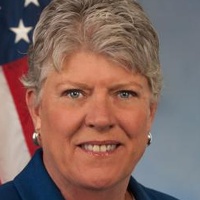
Julia Brownley
Representative
CA
Julia Brownley
Representative
CA
Katie Meyer's Law mandates that colleges and universities receiving federal funding must provide students accused of code of conduct violations the option to have a trained adviser assist them through the disciplinary process. Students can choose their own adviser or request an independent one provided by the institution. Additionally, the bill updates campus security reporting requirements to include incidents of suicide.
This Act establishes federal grants to fund comprehensive, trauma-informed mental health services and support programs in schools for students facing significant challenges.
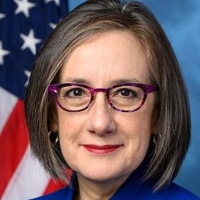
Andrea Salinas
Representative
OR
Andrea Salinas
Representative
OR
The Mental Health Services for Students Act of 2025 establishes a new federal program to provide comprehensive, trauma-informed mental health services and supports in schools through grants and contracts. These funds will support partnerships to implement awareness campaigns, staff training on trauma and suicide risk, and direct student and family treatment. The Secretary must ensure equitable distribution of funding, which is capped at \$2 million per award, with Congress authorized to appropriate \$300 million annually for the initial years.
This Act eliminates statutes of limitations for civil and criminal child sexual abuse cases and provides federal grants to states that adopt these reforms.
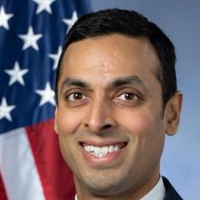
Suhas Subramanyam
Representative
VA
Suhas Subramanyam
Representative
VA
The Statutes of Limitation for Child Sexual Abuse Reform Act aims to address the epidemic of child sexual abuse by eliminating state statutes of limitations for civil and criminal cases involving child sexual abuse, exploitation, and sex trafficking. The bill incentivizes states to adopt these reforms by offering federal grants to those that eliminate time limits for filing lawsuits or reopen previously time-barred claims. This legislation is designed to ensure survivors have a meaningful opportunity to seek justice and hold perpetrators accountable, regardless of how long it took them to come forward.
This bill establishes federal oversight, led by the FTC, requiring large entities to conduct impact assessments and report on high-stakes "covered algorithms" to ensure fairness and mitigate consumer harm.
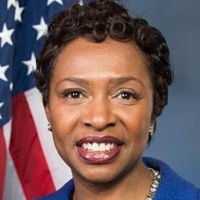
Yvette Clarke
Representative
NY
Yvette Clarke
Representative
NY
The Algorithmic Accountability Act of 2025 establishes federal oversight for large entities using complex automated systems, or "covered algorithms," that impact critical consumer decisions like employment or housing. It mandates that these entities conduct rigorous, ongoing impact assessments to test for bias, privacy risks, and performance issues. The Federal Trade Commission (FTC) is tasked with creating detailed regulations and enforcing compliance, including requiring covered entities to submit annual summary reports detailing their assessment findings. This Act ensures that significant algorithmic decisions are scrutinized for fairness and transparency without overriding stricter state or local regulations.
The Safe Step Act mandates that group health plans using medication step therapy establish clear, timely exception processes for patients and doctors when required drugs are medically inappropriate or ineffective.
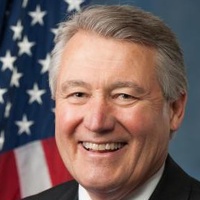
Rick Allen
Representative
GA
Rick Allen
Representative
GA
The Safe Step Act establishes mandatory, transparent exception processes for health plans that use "step therapy" protocols for prescription drugs. This ensures patients or their doctors can quickly request coverage for a prescribed medication when specific clinical criteria are met, such as previous treatment failure or risk of harm. Plans must decide on standard requests within 72 hours and urgent requests within 24 hours, and approved exceptions must last for at least one year. Furthermore, insurers must report detailed data annually on exception requests, approvals, and denials to the Secretary of Health and Human Services.
This Act mandates the restoration of previously available learning materials in Department of Defense Education Activity (DoDEA) schools and establishes new review processes to limit the Secretary of Defense's ability to issue sweeping curriculum or event restrictions.
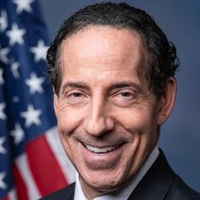
Jamie Raskin
Representative
MD
Jamie Raskin
Representative
MD
The Stop Censoring Military Families Act mandates the immediate restoration of previously available learning materials in Department of Defense Education Activity (DoDEA) schools and prevents new restrictions until after the 2026–2027 academic year. It establishes strict notification and review processes before the Secretary of Defense can issue major directives affecting multiple DoDEA schools. Furthermore, the Act nullifies several specific Executive Orders within the Department of Defense and requires a study on establishing an independent body to manage DoDEA curricula.