
Legislative Activity
Track Eleanor's sponsored bills, co-sponsored legislation, and voting record
This bill establishes a commission of medical and former government experts to evaluate a President's physical or mental capacity to discharge the duties of the office when directed by Congress.
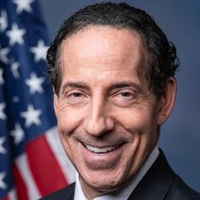
Jamie Raskin
Representative
MD
Jamie Raskin
Representative
MD
This bill establishes the Commission on Presidential Capacity to Discharge the Powers and Duties of the Office, a body tasked with evaluating the physical or mental fitness of the President. The Commission, composed of medical experts and former high-ranking officials, can be directed by Congress to examine the President. Its findings regarding the President's ability to execute their duties are then reported to Congress and the Vice President.
This resolution designates April 2026 as "Parkinson's Awareness Month" to promote public education, support ongoing research, and honor those affected by the disease.
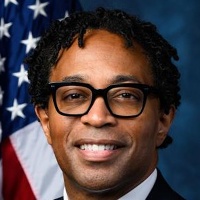
Wesley Bell
Representative
MO
Wesley Bell
Representative
MO
This resolution designates April 2026 as "Parkinson's Awareness Month" to increase public understanding of the disease and its significant impact on millions of Americans. It highlights the urgent need for continued research, improved treatments, and greater community support for those living with the condition. Additionally, the bill commends the researchers, volunteers, and patients dedicated to advancing the search for a cure.
This bill establishes federal programs to improve access to affordable drinking water and wastewater services for low-income households while increasing transparency and oversight of state water infrastructure loan funds.
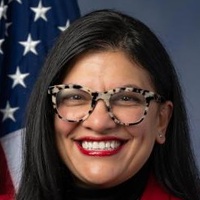
Rashida Tlaib
Representative
MI
Rashida Tlaib
Representative
MI
The Water Access and Affordability Act establishes a federal program to ensure low-income households can afford essential drinking water and wastewater services through direct financial assistance. It mandates the creation of Water Service Access Programs, administered by the EPA, with simplified enrollment and strong consumer protections against shutoffs and fees. Additionally, the bill increases transparency and public input requirements for how states manage their existing drinking water and pollution control revolving loan funds.
This Act mandates federal oversight and new rules for large data centers connecting to the electric grid, requiring them to pay for associated infrastructure costs and adhere to labor and clean energy standards.
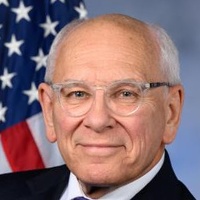
Paul Tonko
Representative
NY
Paul Tonko
Representative
NY
The Power for the People Act of 2026 aims to hold large data centers accountable for their significant and growing impact on the electric grid and consumer energy bills. It mandates that the Federal Energy Regulatory Commission (FERC) establish a special interconnection queue prioritizing data centers that use clean energy, pay prevailing wages, and agree to load flexibility. Furthermore, the bill requires states to consider creating special electricity rate classes so that data centers pay the full cost of necessary local grid upgrades instead of passing those costs to other ratepayers.
This resolution supports the goals of Glisten’s 2026 Day of Silence by advocating for inclusive, safe, and anti-discriminatory K-12 school policies that protect LGBTQI+ students from bullying and harassment.
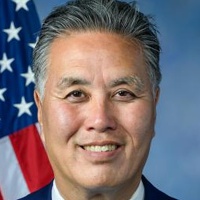
Mark Takano
Representative
CA
Mark Takano
Representative
CA
This resolution supports the goals and ideals of Glisten’s 2026 Day of Silence, which seeks to highlight and combat the bullying, harassment, and discrimination faced by LGBTQI+ students in K-12 schools. It calls on communities and policymakers nationwide to demand equal educational opportunities and the implementation of inclusive policies that ensure all students can learn in a safe, affirming environment.
The OHH SNAP Act of 2026 expands Supplemental Nutrition Assistance Program (SNAP) eligibility for college students by adjusting financial aid criteria and modifying work requirement exemptions.
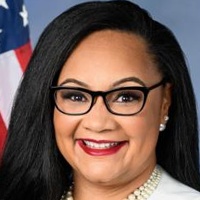
Nikema Williams
Representative
GA
Nikema Williams
Representative
GA
The OHH SNAP Act of 2026 aims to reduce food insecurity among college students by expanding eligibility for the Supplemental Nutrition Assistance Program (SNAP). The bill simplifies access for students with a $0 or less student aid index and those classified as independent, while also streamlining work requirement exemptions. These changes are designed to ensure that more students in higher education can access essential nutritional support.
This resolution seeks to nullify the Department of Education’s recent rule regarding the William D. Ford Federal Direct Loan Program.
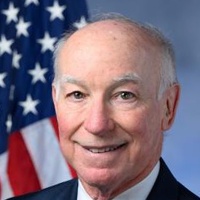
Joe Courtney
Representative
CT
Joe Courtney
Representative
CT
This resolution seeks to exercise congressional disapproval of the Department of Education’s recent rule regarding the William D. Ford Federal Direct Loan Program. If passed, the resolution would nullify the rule, rendering it without force or effect.
The Books Save Lives Act mandates that federally funded libraries maintain diverse collections and establishes civil rights protections against the discriminatory removal of books representing underrepresented communities.
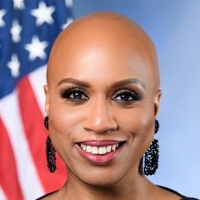
Ayanna Pressley
Representative
MA
Ayanna Pressley
Representative
MA
The Books Save Lives Act mandates that federally funded schools and public libraries maintain diverse book collections and employ trained library staff. It establishes a civil rights enforcement mechanism to address the discriminatory impact of book bans and requires a federal report on the effects of such campaigns on underrepresented communities.
This resolution honors the Grandassa Models for their pioneering role in the "Black is Beautiful" movement and their enduring legacy of redefining beauty standards and promoting Black cultural pride.
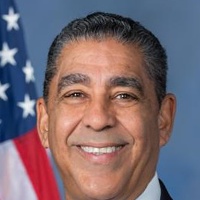
Adriano Espaillat
Representative
NY
Adriano Espaillat
Representative
NY
This resolution honors the Grandassa Models, a pioneering collective that redefined beauty standards and championed Black cultural pride during the civil rights era. By launching the "Naturally 62" movement, these women challenged Eurocentric norms and promoted African heritage through fashion and activism. The bill recognizes their historic impact as icons of the "Black is Beautiful" movement and celebrates their enduring legacy in fostering racial pride and community empowerment.
This bill mandates gender-neutral occupational standards across the U.S. Armed Forces and establishes new reporting requirements for military assignments and performance criteria.
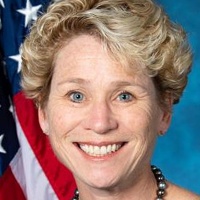
Chrissy Houlahan
Representative
PA
Chrissy Houlahan
Representative
PA
This bill mandates gender-neutral assignment standards across all branches of the U.S. Armed Forces, effective September 30, 2026. It requires that all occupational performance standards be based on scientifically rigorous, job-specific criteria rather than gender. Additionally, the legislation establishes new annual reporting requirements for Congress and mandates a formal review of ground combat unit effectiveness.
The HELP Act of 2026 establishes a national eviction database, provides grants for tenant legal assistance, limits the reporting of eviction data in consumer credit reports, and creates a national hotline to support tenants in federally assisted housing.
Ayanna Pressley
Representative
MA
Ayanna Pressley
Representative
MA
The HELP Act of 2026 aims to reduce housing instability by establishing a national eviction database and a grant program to provide free legal assistance to low-income tenants. The bill also enhances tenant protections by creating a national eviction assistance hotline and requiring landlords to provide clear information regarding eviction rights. Additionally, it amends the Fair Credit Reporting Act to restrict the inclusion of eviction and rental debt information in consumer reports.
This resolution acknowledges the historical and systemic injustices in women’s health care while affirming a federal commitment to bodily autonomy, equitable treatment, and patient-centered medical research.
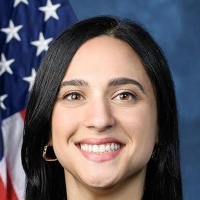
Yassamin Ansari
Representative
AZ
Yassamin Ansari
Representative
AZ
This resolution acknowledges the historical and systemic injustices, bias, and lack of bodily autonomy that have long marginalized women in the U.S. healthcare system. It affirms the Federal Government’s commitment to dismantling these barriers by prioritizing patient-centered care, increasing research investment, and protecting reproductive rights. Ultimately, the bill seeks to ensure that all women receive dignified, equitable, and informed medical treatment.
This legislation authorizes federal funding to expand research, improve public awareness, and enhance professional training regarding the diagnosis and treatment of Premenstrual Dysphoric Disorder (PMDD).
Yassamin Ansari
Representative
AZ
Yassamin Ansari
Representative
AZ
The Premenstrual Dysphoric Disorder (PMDD) Awareness and Research Act of 2026 aims to improve the lives of those affected by PMDD by expanding federal research, data collection, and public awareness initiatives. The bill authorizes funding to enhance healthcare provider training and education, ensuring more accurate diagnosis and effective treatment for this often under-recognized condition.
This resolution honors the essential contributions of social workers to the health, well-being, and social justice of American communities in recognition of Social Work Month and World Social Work Day 2026.
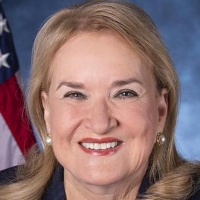
Sylvia Garcia
Representative
TX
Sylvia Garcia
Representative
TX
This resolution recognizes the essential contributions of the nation’s 728,000 social workers in promoting health, social justice, and well-being across American communities. It formally supports the goals and ideals of Social Work Month and World Social Work Day on March 17, 2026, while highlighting the urgent need for continued investment in the profession.
This bill mandates a comprehensive study by the Department of Health and Human Services to identify and address barriers to accessing effective pain management during gynecologic procedures.
Yassamin Ansari
Representative
AZ
Yassamin Ansari
Representative
AZ
The Gynecologic Pain Management Study Act directs the Secretary of Health and Human Services to conduct a comprehensive study on the barriers patients and providers face regarding pain management during gynecologic procedures. By consulting with diverse stakeholders, the study aims to identify these challenges and provide actionable recommendations to Congress. The final report will help inform future legislative and administrative efforts to improve patient care and accessibility.
This resolution designates April as "National Language Access Month" to promote awareness of and equitable access to essential public services for individuals with limited English proficiency.
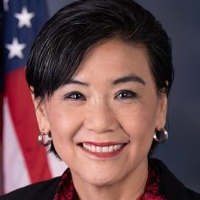
Judy Chu
Representative
CA
Judy Chu
Representative
CA
This resolution designates April as "National Language Access Month" to highlight the critical importance of providing language services for individuals with limited English proficiency. It encourages federal, state, and local entities to promote awareness of language rights and ensure equitable access to essential public programs and services for all Americans.
The Reproductive Healthcare Leave Act establishes a national requirement for employers to provide employees with paid leave for medical care, procedures, and recovery related to reproductive health.
Yassamin Ansari
Representative
AZ
Yassamin Ansari
Representative
AZ
The Reproductive Healthcare Leave Act establishes a national requirement for employers to provide employees with paid leave for medical needs related to reproductive health, including fertility treatments, miscarriage management, and contraception. The bill mandates that eligible employees receive up to 96 hours of paid leave annually while protecting them from retaliation or interference when exercising these rights. The Department of Labor is tasked with enforcing these provisions, ensuring that employees can access necessary healthcare without jeopardizing their job security or benefits.
This resolution supports the goals and ideals of International Transgender Day of Visibility by celebrating the achievements of the transgender community and recognizing their ongoing fight for equality and dignity.
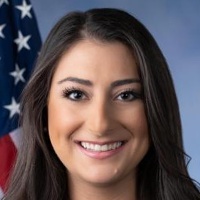
Sara Jacobs
Representative
CA
Sara Jacobs
Representative
CA
This resolution formally recognizes International Transgender Day of Visibility to celebrate the achievements and bravery of the transgender community. It highlights the ongoing challenges of discrimination and legislative threats faced by transgender individuals while honoring their significant historical and contemporary contributions to society. The bill encourages all Americans to observe the day and reaffirms a commitment to the fight for equal dignity and respect.
The Maternal Vaccination Act establishes a federal awareness and equity campaign to increase vaccination rates among pregnant and postpartum individuals and their children.
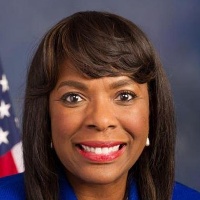
Terri Sewell
Representative
AL
Terri Sewell
Representative
AL
The Maternal Vaccination Act establishes a dedicated awareness and equity campaign to increase vaccination rates among pregnant and postpartum individuals. By providing targeted funding and expanding immunization program grants, the bill ensures that healthcare providers are better equipped to support maternal health, with a specific focus on reaching underserved and minority communities.
The Words Matter Act of 2025 updates federal law by replacing the terms "mentally retarded" and "mental retardation" with "intellectual disability" or "individuals with intellectual disabilities" without altering existing rights or benefits.
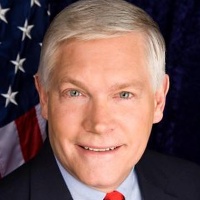
Pete Sessions
Representative
TX
Pete Sessions
Representative
TX
The Words Matter Act of 2025 mandates a comprehensive update across all federal laws, replacing the outdated terms "mentally retarded" and "mental retardation" with "intellectual disability" or "individuals with intellectual disabilities." This change is strictly a linguistic update intended to align federal statutes with current, respectful terminology. The Act explicitly states that this language revision does not alter eligibility for benefits, rights, or responsibilities under any existing federal program. Agencies are required to update their regulations to reflect this new terminology while maintaining a record of the previous language used.