
Legislative Activity
Track Eleanor's sponsored bills, co-sponsored legislation, and voting record
This bill amends the Social Security Act to allow skilled nursing facilities to provide intravenous immune globulin (IVIG) treatment for primary immune deficiency disease to Medicare beneficiaries starting October 1, 2026.

Adrian Smith
Representative
NE
Adrian Smith
Representative
NE
The PI Post Acute Access Act aims to improve healthcare access for patients with primary immunodeficiency disease. This legislation amends the Social Security Act to allow skilled nursing facilities to provide intravenous immune globulin (IVIG) treatments and related services to Medicare beneficiaries. This change is set to take effect starting October 1, 2026.
This bill designates April as Community College Month to recognize the vital role of over 1,000 community colleges in advancing accessible higher education, workforce training, and national economic prosperity.
Joe Courtney
Representative
CT
Joe Courtney
Representative
CT
This resolution officially designates April as Community College Month to celebrate the vital role of over 1,000 community colleges nationwide. It recognizes these institutions for providing accessible higher education, workforce training, and significant contributions to the U.S. economy. The bill highlights their affordability, local presence, and impact on student success across the country.
This bill mandates that developers of AI-focused data centers must publicly disclose detailed project plans, including environmental impact analyses, 180 days before taking definitive steps to establish the facility.

LaMonica McIver
Representative
NJ
LaMonica McIver
Representative
NJ
The AI Data Center Site Selection Transparency Act of 2026 mandates that developers of large AI-focused data centers must publicly disclose comprehensive project details, including environmental impact analyses, at least 180 days before taking significant action. This bill requires extensive public notification across multiple media channels and limits the use of non-disclosure agreements concerning public resources. Violations of these transparency requirements will be enforced by the Federal Trade Commission as unfair or deceptive practices.
This bill prohibits the Department of Homeland Security from establishing or operating any new immigration detention models, such as converting warehouses or using tent systems.
Rashida Tlaib
Representative
MI
Rashida Tlaib
Representative
MI
This bill prohibits the Department of Homeland Security (DHS) from establishing or operating any new models of immigration detention facilities, such as converting warehouses or using temporary structures. It specifically bans entering into new contracts for these alternative detention setups. Furthermore, any funds already allocated for these new models must be transferred to support services like affordable housing and healthcare.
This bill establishes emergency grants to provide hazardous duty pay and safety measures for essential health care workers during declared emergencies or disasters.
Summer Lee
Representative
PA
Summer Lee
Representative
PA
This bill, the Hazard Pay for Health Care Heroes Act, establishes a grant program to help health care facilities protect essential workers during declared emergencies or disasters. Funds can be used to provide eligible, non-remote health care workers with hazardous duty pay, up to $13 per hour, when their work or commute is deemed hazardous. Additionally, grants can cover safety measures like PPE and alternative transit for these essential personnel.
This bill establishes the Savings Opportunity and Affordable Repayment (SOAR) plan, a new income-driven repayment option for federal student loans with lower payments and defined forgiveness timelines.

Rosa DeLauro
Representative
CT
Rosa DeLauro
Representative
CT
The Savings Opportunity and Affordable Repayment Act establishes the new Savings Opportunity and Affordable Repayment (SOAR) plan for federal student loans. This income-driven option features low monthly payments calculated based on a percentage of income above 250% of the federal poverty line. The plan offers loan forgiveness after 10 or 15 years, depending on whether the borrower has undergraduate or graduate loans. Additionally, 50% of each payment is applied directly to the loan principal.
This bill expresses support for U.S. library staff, recognizes their essential community services, advocates for adequate funding, and defends their rights to free access to information and union organization.

Pramila Jayapal
Representative
WA
Pramila Jayapal
Representative
WA
This resolution expresses strong support for library staff across the United States and recognizes the essential, expanding community services they provide. It advocates for commensurate funding, defends the right of all citizens to freely access information, and supports the civil rights and union voice of library workers. Furthermore, the bill condemns threats to library access and staff, such as book bans and funding cuts.
This resolution expresses the House's support for the International Atomic Energy Agency's vital role in global nuclear security and urges member states to provide reliable resources for its work.
Bill Foster
Representative
IL
Bill Foster
Representative
IL
This resolution expresses the sense of the House of Representatives in strong support of the International Atomic Energy Agency's (IAEA) vital role in global nuclear security. It recognizes the ongoing threat posed by illicit nuclear material and encourages the U.S. and other member states to ensure the IAEA has reliable and sufficient resources, including through the Nuclear Security Fund, to fulfill its mission.
This bill authorizes increased federal funding for IDEA Parts C and Section 619 programs to restore per-child support for early intervention and preschool special education services.
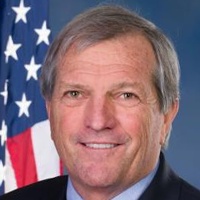
Mark DeSaulnier
Representative
CA
Mark DeSaulnier
Representative
CA
The Funding Early Childhood is the Right IDEA Act aims to restore critical federal funding for early intervention services (Part C) and preschool special education programs (Section 619) under the Individuals with Disabilities Education Act (IDEA). This legislation recognizes that high-quality early services significantly benefit children with disabilities and their families. The bill authorizes specific increased appropriations for both Part C and Section 619 programs through fiscal year 2031.
This bill establishes a Social Security credit for individuals who provide substantial unpaid care to dependent relatives by granting them deemed wage credits toward future benefits.
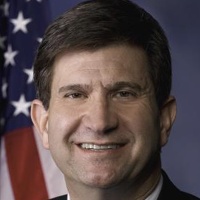
Bradley Schneider
Representative
IL
Bradley Schneider
Representative
IL
The Social Security Caregiver Credit Act of 2026 establishes a new program to grant Social Security credit to individuals providing substantial unpaid care for dependent relatives. This credit is calculated based on "deemed wages" for qualifying months where at least 80 hours are spent caregiving for a child under 12 or a chronically dependent individual. The goal is to improve the economic outlook and retirement security for these unpaid caregivers.
This act establishes the Neighborhood Tree Fund to provide federal financial assistance for increasing and improving community tree canopies, prioritizing underserved and low-income areas.

Shontel Brown
Representative
OH
Shontel Brown
Representative
OH
The Neighborhood Tree Act of 2026 establishes a dedicated fund to address historical inequities in urban tree canopy coverage, which contributes to higher heat exposure in low-income and minority communities. This legislation creates the Neighborhood Tree Fund to provide financial assistance for increasing and improving community tree health, prioritizing investments in underserved areas. The bill also updates the composition of the National Urban and Community Forestry Advisory Council to ensure broader representation from relevant community experts.
This act establishes strict contaminant limits, mandatory testing, and enhanced FDA oversight for baby and toddler foods, while also improving food traceability and inspection authority.
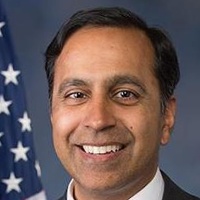
Raja Krishnamoorthi
Representative
IL
Raja Krishnamoorthi
Representative
IL
The Baby Food Safety Act of 2026 establishes strict new limits and testing requirements for toxic contaminants like lead and arsenic in infant and toddler foods. It mandates that manufacturers implement rigorous sampling and testing programs, with results subject to FDA oversight. Additionally, the bill enhances FDA authority for mandatory recalls and modernizes inspection procedures, including allowing remote record requests.
This Act establishes national goals and funding to strengthen influenza vaccine development, manufacturing, supply chains, and public access to diagnostics and treatments to better prepare for seasonal and pandemic flu threats.
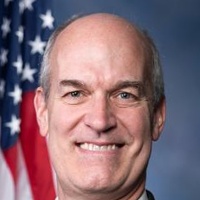
Rick Larsen
Representative
WA
Rick Larsen
Representative
WA
This Act aims to significantly bolster the nation's preparedness against seasonal and pandemic influenza threats. It establishes ambitious goals for rapid vaccine development, strengthens domestic manufacturing and supply chains for vaccines and diagnostics, and funds key public health programs. Furthermore, the bill focuses on increasing public access to vaccines and treatments while combating misinformation to build confidence in public health measures.
This act establishes federal grant and low-interest loan programs to expand and improve child care facilities in underserved rural communities.
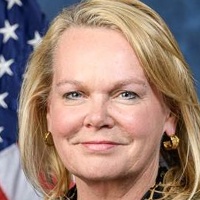
April McClain Delaney
Representative
MD
April McClain Delaney
Representative
MD
The Rural Child Care Facility Expansion Act establishes a new federal grant program to help expand child care facilities in rural communities through construction, renovation, and equipment purchases. It also creates a low-interest loan program, administered by the USDA, to help existing rural providers renovate or expand their structures, particularly in designated "child care deserts." The goal of both provisions is to significantly increase the availability of licensed child care slots across rural America.
This act mandates that states receiving federal water infrastructure grants must dedicate at least 20% of those funds to green infrastructure, efficiency improvements, or other innovative water projects, if eligible applications are available.
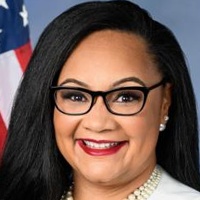
Nikema Williams
Representative
GA
Nikema Williams
Representative
GA
The Water Infrastructure Sustainability and Efficiency (WISE) Act requires states receiving federal water infrastructure grants to dedicate at least 20% of those funds toward projects focused on green infrastructure, water or energy efficiency, or other innovative environmental solutions. This mandate applies as long as sufficient eligible project applications are available.
This act repeals the joint resolution aimed at promoting peace and stability in the Middle East.
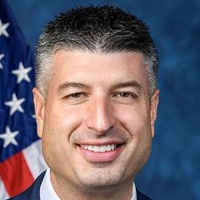
Tom Barrett
Representative
MI
Tom Barrett
Representative
MI
This act formally repeals the outdated joint resolution aimed at promoting peace and stability in the Middle East that was enacted during the Cold War era. It removes this historical measure from the U.S. legal code.
This bill establishes the Federal and State Food Safety Information Sharing Act of 2026 to allow the HHS Secretary to share critical FDA food safety data with state and local authorities and extends the duration of certain food safety grants.
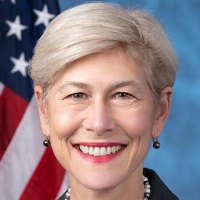
Deborah Ross
Representative
NC
Deborah Ross
Representative
NC
This bill establishes the Federal and State Food Safety Information Sharing Act of 2026 to enhance public health protection. It allows the Secretary of Health and Human Services to share critical, non-public food safety data with state, local, Tribal, and Territorial authorities. The legislation also extends the maximum duration of certain food safety grants from three to five years.
The Safe Tracks Act mandates the Secretary of Transportation to update federal regulations, ensuring all centralized train dispatching systems comply with existing safety requirements.
Laura Gillen
Representative
NY
Laura Gillen
Representative
NY
The Safe Tracks Act mandates immediate updates to federal rail safety regulations concerning centralized train dispatching systems. This legislation requires the Secretary of Transportation to ensure that all existing and future computer-aided dispatching systems comply with established safety requirements outlined in the Code of Federal Regulations.
This Act establishes state-level rights and provides federal grants for flexible cash assistance to crime survivors while funding state surveys to better understand their needs.
Lateefah Simon
Representative
CA
Lateefah Simon
Representative
CA
The Crime Survivor Support and Stability Act of 2026 encourages states to adopt comprehensive rights for crime survivors, ensuring access to trauma recovery, housing stability, and financial relief. The bill establishes a federal grant program to provide flexible, direct cash assistance to survivors through community-based organizations, minimizing bureaucratic hurdles. Additionally, it funds state-level surveys to better understand the unmet needs of survivors, particularly those who interact with the justice system.
This act strengthens federal enforcement against market manipulation and false reporting in the electric and natural gas sectors by expanding FERC's authority to prohibit violators from engaging in energy business activities.
Janice Schakowsky
Representative
IL
Janice Schakowsky
Representative
IL
The Energy Consumer Protection Act of 2026 strengthens federal oversight of energy markets by enhancing penalties for market manipulation. This act grants the Federal Energy Regulatory Commission (FERC) the authority to prohibit individuals or entities who violate energy trading rules from participating in the buying or selling of electricity or natural gas. Furthermore, it criminalizes the willful submission of false information to federal or private price reporting agencies concerning natural gas transactions.