
Legislative Activity
Track Eleanor's sponsored bills, co-sponsored legislation, and voting record
This Act mandates the Secretary of the Interior to submit an annual public report detailing the status, compliance, and enforcement actions related to decommissioning offshore oil and gas infrastructure.

Maxine Dexter
Representative
OR
Maxine Dexter
Representative
OR
The Plug Offshore Wells Act mandates the Secretary of the Interior to produce an annual public report detailing the status of decommissioning offshore oil and gas infrastructure. This report will track applications, compliance rates, approvals for in-place decommissioning, and enforcement actions taken against non-compliant operators. The goal is to increase transparency regarding the plugging of aging offshore wells, platforms, and pipelines.
This bill prohibits the use of federal funds for military force in or against Cuba through 2026, unless explicitly authorized by Congress or permitted under the War Powers Resolution.

Pramila Jayapal
Representative
WA
Pramila Jayapal
Representative
WA
This bill prohibits the use of federal funds for military action in or against Cuba through December 31, 2026. Exceptions are only permitted if Congress declares war, provides specific statutory authorization, or if the action aligns with the War Powers Resolution.
This resolution formally recognizes the persistence of the gender wage gap in the United States and reaffirms a commitment to achieving equal pay for equal work.
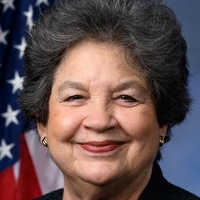
Lois Frankel
Representative
FL
Lois Frankel
Representative
FL
This resolution formally recognizes the persistent gender wage gap in the United States and its significant negative impact on women, families, and the national economy. It highlights the systemic factors contributing to pay disparities across various demographics and occupations. Ultimately, the resolution reaffirms Congress's commitment to achieving equal pay for equal work.
This bill repeals the federal tax credits for using carbon dioxide in enhanced oil recovery and eliminates the dedicated enhanced oil recovery tax credit.
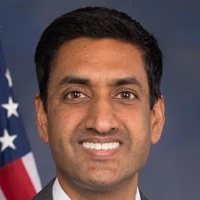
Ro Khanna
Representative
CA
Ro Khanna
Representative
CA
This bill, the End Polluter Welfare for Enhanced Oil Recovery Act of 2026, eliminates key federal tax credits for using captured carbon dioxide in enhanced oil recovery (EOR) projects. Specifically, it repeals the Section 43 EOR credit and removes the Section 45Q credit for carbon oxide used as a tertiary injectant in EOR. These changes are effective for taxable years beginning after December 31, 2025.
The Words Matter Act of 2025 updates federal law by replacing the terms "mentally retarded" and "mental retardation" with "intellectual disability" or "individuals with intellectual disabilities" without altering existing rights or benefits.

Pete Sessions
Representative
TX
Pete Sessions
Representative
TX
The Words Matter Act of 2025 mandates a comprehensive update across all federal laws, replacing the outdated terms "mentally retarded" and "mental retardation" with "intellectual disability" or "individuals with intellectual disabilities." This change is strictly a linguistic update intended to align federal statutes with current, respectful terminology. The Act explicitly states that this language revision does not alter eligibility for benefits, rights, or responsibilities under any existing federal program. Agencies are required to update their regulations to reflect this new terminology while maintaining a record of the previous language used.
This resolution designates March 2026 as National Middle-Level Education Month to recognize the critical importance of middle-level education and the educators who support the development of young adolescents.
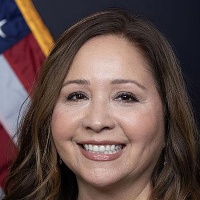
Adelita Grijalva
Representative
AZ
Adelita Grijalva
Representative
AZ
This resolution designates March 2026 as "National Middle-Level Education Month" to recognize the critical role that middle-level schools play in the development of young adolescents. It highlights the importance of supporting students in grades 5 through 8 during this pivotal stage of brain development and academic growth. The bill encourages the public to celebrate and engage with the educators and institutions dedicated to preparing these students for future success.
The Stabilization to Prevent Suicide (STOP) Suicide Act establishes a federal grant program to fund evidence-based, community-level stabilization services for individuals experiencing serious thoughts of suicide.
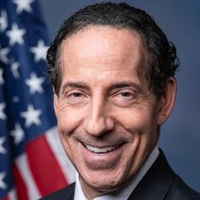
Jamie Raskin
Representative
MD
Jamie Raskin
Representative
MD
The Stabilization to Prevent Suicide Act (STOP Suicide Act) establishes a federal grant program to fund evidence-based, suicide-specific stabilization services for individuals in crisis. By supporting community-based providers, crisis centers, and public health agencies, the bill aims to expand access to critical mental health care through outpatient, virtual, and peer-support models. The legislation authorizes $30 million annually from 2027 through 2031 to improve intervention outcomes and ensure long-term sustainability for these essential services.
This bill mandates that Members of Congress personally reimburse the Treasury for employment discrimination settlements, streamlines the claims process for employees, and expands legal advocacy support for House staff.
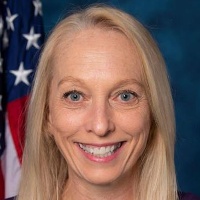
Mary Scanlon
Representative
PA
Mary Scanlon
Representative
PA
The Congressional Accountability Act Enhancement Act increases accountability by requiring Members of Congress and employing offices to personally reimburse the U.S. Treasury for settlements and awards related to employment discrimination. The bill also streamlines the claims process by allowing individuals to amend legally insufficient filings and expands the support services available to employees through the Office of Employee Advocacy.
The HOPE with Fertility Services Act amends ERISA to mandate comprehensive infertility and iatrogenic infertility coverage in employer-sponsored group health plans.

Zachary (Zach) Nunn
Representative
IA
Zachary (Zach) Nunn
Representative
IA
The HOPE with Fertility Services Act mandates that employer-sponsored group health plans providing obstetrical coverage must also include comprehensive coverage for infertility and iatrogenic infertility treatments. The bill establishes clear standards for these benefits, prohibits discriminatory plan practices, and requires rigorous oversight of utilization management tools. These requirements aim to improve patient access to essential reproductive care, with enforcement and reporting provisions effective for plan years beginning on or after January 1, 2027.
The Data to Save Moms Act directs federal funding and research toward improving maternal health data collection, supporting maternal mortality review committees, and addressing disparities in maternal health outcomes for minority and underserved populations.
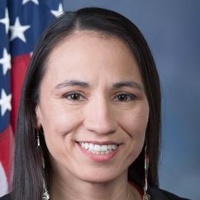
Sharice Davids
Representative
KS
Sharice Davids
Representative
KS
The Data to Save Moms Act aims to improve maternal health outcomes and eliminate disparities by enhancing data collection, research, and public awareness. The bill provides funding for Maternal Mortality Review Committees, supports community-based organizations addressing social determinants of health, and mandates training for providers on implicit bias and culturally congruent care. Additionally, it authorizes comprehensive studies and grant programs focused on high-risk populations, including racial and ethnic minority groups and American Indian and Alaska Native communities.
The PREDICT Act prohibits federal officials and their associates from trading in prediction markets tied to political event outcomes.
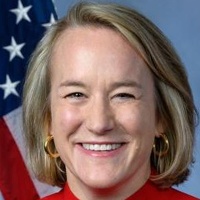
Nicole (Nikki) Budzinski
Representative
IL
Nicole (Nikki) Budzinski
Representative
IL
The PREDICT Act prohibits federal officials, including members of Congress, the President, and high-level executive and judicial employees, from trading in prediction markets tied to political events. The bill mandates financial penalties for violations, requires the disgorgement of any profits, and ensures public transparency by requiring ethics offices to disclose all assessed fines.
This concurrent resolution affirms the duty of Congress to protect working women by addressing systemic wage disparities, workplace discrimination, and economic barriers to ensure equal opportunity and dignity for all.

LaMonica McIver
Representative
NJ
LaMonica McIver
Representative
NJ
This concurrent resolution recognizes the economic challenges and systemic barriers facing working women, including wage disparities, discrimination, and the erosion of workplace protections. It affirms Congress's duty to champion policies that ensure equal opportunity, fair pay, and safe working conditions for all women. Ultimately, the resolution calls for collaborative action to strengthen labor rights and promote economic security as essential components of national prosperity.
The Kira Johnson Act establishes grant programs and research initiatives to advance maternal health equity, reduce bias and discrimination in maternity care, and improve health outcomes for high-risk demographic groups.
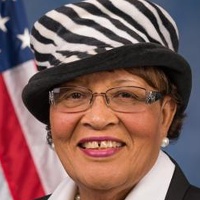
Alma Adams
Representative
NC
Alma Adams
Representative
NC
The Kira Johnson Act aims to eliminate maternal health disparities by funding community-based organizations that provide evidence-based support to high-risk populations. The legislation also establishes grant programs to implement anti-bias training for maternity care providers and creates compliance programs to address racism and discrimination in clinical settings. Through these initiatives, the bill seeks to ensure respectful, culturally congruent care and improve health outcomes for pregnant and postpartum individuals.
The Protection and Advocacy for Student Success Act establishes a federal grant program to empower state advocacy systems to protect the educational rights and safety of students with disabilities.
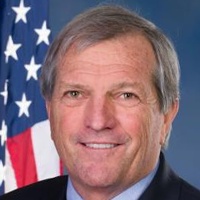
Mark DeSaulnier
Representative
CA
Mark DeSaulnier
Representative
CA
The Protection and Advocacy for Student Success Act establishes a national grant program to empower state protection and advocacy systems to defend the educational rights of students with disabilities. These grants support efforts to monitor school conditions, eliminate harmful practices like seclusion and restraint, and pursue legal remedies to ensure students receive the services they are entitled to under federal law.
The Perinatal Workforce Act establishes grant programs and national initiatives to grow, diversify, and train a culturally competent maternal health workforce to improve health equity and patient outcomes.

Gwen Moore
Representative
WI
Gwen Moore
Representative
WI
The Perinatal Workforce Act aims to improve maternal health outcomes by expanding and diversifying the perinatal health workforce. The bill establishes grant programs to support training for midwives, nurses, and other perinatal health workers, with a focus on recruiting individuals from underserved and minority communities. Additionally, it mandates national campaigns, federal coordination, and research to promote culturally congruent care and address systemic barriers to maternal health access.
The Ultra-Millionaire Tax Act of 2026 establishes an annual federal wealth tax on individuals with a net worth exceeding $50 million while increasing funding for IRS enforcement and taxpayer services.
Pramila Jayapal
Representative
WA
Pramila Jayapal
Representative
WA
The Ultra-Millionaire Tax Act of 2026 proposes a new annual federal wealth tax on individuals with a net worth exceeding $50 million, with rates ranging from 2% to 3% based on total assets. The legislation includes robust enforcement measures, such as increased IRS funding and mandatory audit requirements, to ensure compliance among the ultra-wealthy. Additionally, it strengthens foreign asset disclosure requirements to prevent tax avoidance.
The Supporting VA Families Act provides Department of Veterans Affairs employees with four additional weeks of unpaid parental leave following the birth, adoption, or foster placement of a child.

Janelle Bynum
Representative
OR
Janelle Bynum
Representative
OR
The Supporting VA Families Act establishes a supplemental parental leave program for Department of Veterans Affairs employees. This legislation provides eligible staff with four additional administrative weeks of unpaid leave following the birth, adoption, or foster care placement of a child. This benefit is designed to supplement, rather than replace, existing family and medical leave entitlements.
This Act reauthorizes and expands funding for programs to combat elder abuse, improve nursing home worker training, enhance Adult Protective Services, and address social isolation among older adults and adults with disabilities.
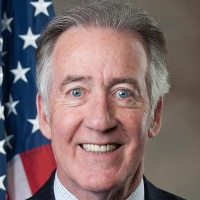
Richard Neal
Representative
MA
Richard Neal
Representative
MA
The Elder Justice Reauthorization and Modernization Act of 2026 reauthorizes and expands funding for critical programs aimed at preventing and investigating elder abuse, neglect, and exploitation. This legislation establishes new grant programs to boost nursing home worker training, enhance Adult Protective Services, and support medical-legal partnerships. Furthermore, it creates initiatives to address social isolation and loneliness among older adults and adults with disabilities.
This bill extends WIC eligibility and enhanced food benefits for postpartum and breastfeeding mothers from one year to 24 months.
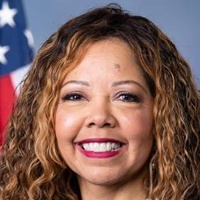
Lucy McBath
Representative
GA
Lucy McBath
Representative
GA
The Extending WIC for New Moms Act increases the duration of WIC eligibility for postpartum mothers from six months to 24 months. It also extends the period for receiving enhanced breastfeeding food packages to 24 months. Additionally, the bill mandates a comprehensive report to Congress evaluating the impact of these extensions on maternal and infant health outcomes.
This bill eliminates interest on existing federal student loans, sets new federal loans to 0% interest starting in 2026, and establishes a Trust Fund to support zero-interest loans and supplemental Pell Grants.

Joe Courtney
Representative
CT
Joe Courtney
Representative
CT
The Student Loan Interest Elimination Act aims to significantly reduce student debt burdens by automatically stopping interest accrual on existing federal loans starting in 2026 and setting interest rates for new federal loans to 0%. The bill also establishes a dedicated Trust Fund, funded by loan repayments, to support zero-interest loans and provide supplemental Pell Grants to eligible students. Furthermore, it allows certain borrowers to refinance non-federal loans into interest-free federal consolidation loans, while granting the Secretary of Education expedited authority to implement these sweeping changes.