
Legislative Activity
Track Eleanor's sponsored bills, co-sponsored legislation, and voting record
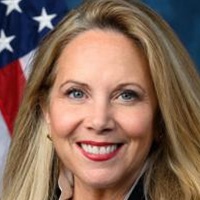
The Safe Tracks Act mandates the Secretary of Transportation to update federal regulations, ensuring all centralized train dispatching systems comply with existing safety requirements.
Laura Gillen
Representative
NY
Laura Gillen
Representative
NY
The Safe Tracks Act mandates immediate updates to federal rail safety regulations concerning centralized train dispatching systems. This legislation requires the Secretary of Transportation to ensure that all existing and future computer-aided dispatching systems comply with established safety requirements outlined in the Code of Federal Regulations.
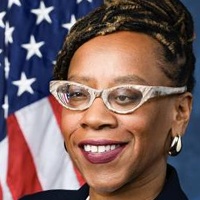
This Act establishes state-level rights and provides federal grants for flexible cash assistance to crime survivors while funding state surveys to better understand their needs.
Lateefah Simon
Representative
CA
Lateefah Simon
Representative
CA
The Crime Survivor Support and Stability Act of 2026 encourages states to adopt comprehensive rights for crime survivors, ensuring access to trauma recovery, housing stability, and financial relief. The bill establishes a federal grant program to provide flexible, direct cash assistance to survivors through community-based organizations, minimizing bureaucratic hurdles. Additionally, it funds state-level surveys to better understand the unmet needs of survivors, particularly those who interact with the justice system.
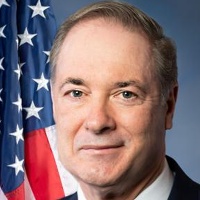
The Medicare Advantage Improvement Act of 2026 mandates faster authorization decisions, stricter oversight, and aligns coverage criteria with traditional Medicare to improve timely care and accountability for Medicare Advantage plans.
John Joyce
Representative
PA
John Joyce
Representative
PA
The Medicare Advantage Improvement Act of 2026 aims to enhance timely access to care and improve oversight for Medicare Advantage (MA) enrollees. The bill mandates faster decision-making for prior authorization requests, establishes strict compliance scoring with financial penalties for non-compliant plans, and requires MA plans to use the same medical necessity criteria as traditional Medicare. Furthermore, it protects providers by limiting retroactive denials for pre-approved services and ensuring prompt payment for those services.
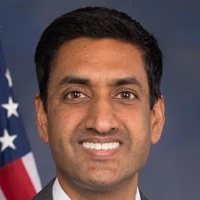
This bill prohibits most prior authorization requirements in Medicare Advantage plans starting in 2027 and restricts the use of certain prior authorization testing models under traditional Medicare.
Ro Khanna
Representative
CA
Ro Khanna
Representative
CA
The Stop Deadly Denials Act of 2026 aims to restrict the use of prior authorization requirements in Medicare Advantage plans starting in 2027. It also prohibits the implementation of certain new prior authorization testing models under traditional Medicare, especially those relying on automated decision-making without physician review. This legislation seeks to limit administrative hurdles for beneficiaries accessing necessary medical care.
This bill establishes a federal grant program through the Treasury Department to fund community organizations providing financial coaching and to develop standardized credentialing for financial coaches.
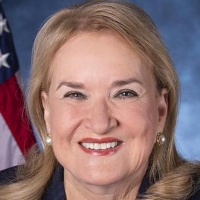
Sylvia Garcia
Representative
TX
Sylvia Garcia
Representative
TX
The Improving Access to Financial Coaching Act of 2026 establishes a federal grant program through the Department of the Treasury to fund nonprofit and community organizations providing financial coaching. This legislation aims to increase access to high-quality financial guidance for low- and moderate-income consumers. The Act also mandates the development of standardized certification practices for financial coaches nationwide.
This resolution affirms housing as a fundamental human right and opposes policies that would force families with mixed immigration status to separate or lose federal housing assistance.
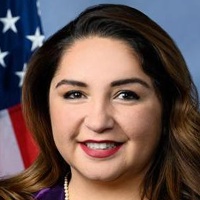
Delia Ramirez
Representative
IL
Delia Ramirez
Representative
IL
This resolution affirms that stable housing is a fundamental human right essential for all families, regardless of immigration status. It strongly condemns a proposed rule that would force families with mixed immigration status to separate or lose vital housing assistance. The bill calls for protecting families in federal housing programs and demands increased investment to address the national housing crisis.
This resolution expresses the House's view that the Department of Justice must refuse to administratively settle President Trump's personal legal claims against the U.S. government due to the Domestic Emoluments Clause.
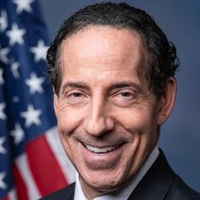
Jamie Raskin
Representative
MD
Jamie Raskin
Representative
MD
This resolution expresses the sense of the House that the Department of Justice must comply with the Domestic Emoluments Clause. It specifically calls for the DOJ to refuse to administratively settle the billions of dollars in legal claims filed against the United States by President Donald Trump. The bill asserts that allowing the President to settle his own personal claims against the government constitutes an unconstitutional conflict of interest.
The YouthBuild for the Future Act reauthorizes and updates the YouthBuild program to provide education, job training, and green building experience for low-income young people, while also establishing new grants for employer partnerships.
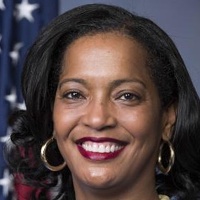
Jahana Hayes
Representative
CT
Jahana Hayes
Representative
CT
The YouthBuild for the Future Act reauthorizes and updates the YouthBuild program through 2030, providing education, job training, and leadership development for low-income young people, with a focus on green building skills. The bill increases funding authorization and expands allowable services, such as food assistance and help applying for benefits. It also establishes a new grant program to create employer partnerships that connect participants directly to local job opportunities.
This resolution censures President Trump and Special Envoy Witkoff for violating the Foreign Emoluments Clause by accepting undisclosed payments from the UAE and demands they divest from related foreign business interests.
Jamie Raskin
Representative
MD
Jamie Raskin
Representative
MD
This resolution expresses the sense of the House that President Trump and Special Envoy Witkoff violated the Foreign Emoluments Clause by accepting undisclosed payments linked to a secret deal with an entity substantially funded by the UAE. It demands they immediately turn over all such payments to the Treasury and divest from any business interests connected to foreign governments. The bill cites specific financial transactions and subsequent U.S. policy actions favoring the UAE as evidence of a grave conflict of interest.
This bill amends federal law to guarantee states a minimum of 0.5 percent of total highway apportionment funds.

Chris Pappas
Representative
NH
Chris Pappas
Representative
NH
This bill amends federal highway law to establish a guaranteed minimum set-aside amount for state highway apportionments. Specifically, it requires that at least 0.5 percent of the total apportionment be reserved for these guaranteed amounts. This ensures a baseline level of funding for states under the existing highway apportionment formula.
This bill supports designating "Black Maternal Health Week" to highlight the urgent need to address and reduce the severe maternal mortality and morbidity crisis disproportionately affecting Black women and birthing people in the United States.
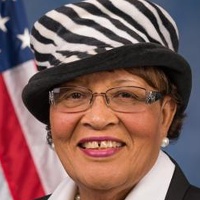
Alma Adams
Representative
NC
Alma Adams
Representative
NC
This bill supports designating a week in April 2026 as "Black Maternal Health Week" to focus national attention on the severe maternal health crisis facing Black women. It highlights the unacceptable and unjust disparities in maternal mortality and morbidity rates among Black women due to structural racism and inequities. The legislation urges Congress to invest in comprehensive maternal care and pass legislation, like the Momnibus Act, grounded in human rights and reproductive justice.
This bill establishes a competitive grant program to fund training, recruitment, and retention efforts aimed at addressing critical workforce shortages in the public transportation industry.
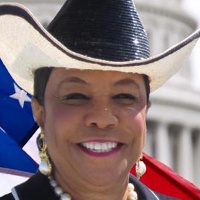
Frederica Wilson
Representative
FL
Frederica Wilson
Representative
FL
The Transit Workforce Development Act establishes a competitive grant program through the Department of Transportation to address critical workforce shortages in public transit maintenance. This funding supports training, recruitment, and retention efforts for essential transit workers like mechanics and technicians. The bill also expands existing funding flexibility, allowing transit agencies to use more federal bus and facility funds specifically for broader workforce development training.
This resolution commemorates the 5-year remembrance of the Indianapolis FedEx mass shooting, denounces all forms of anti-Asian hate, and calls for enhanced federal support to combat hate crimes and protect targeted communities.
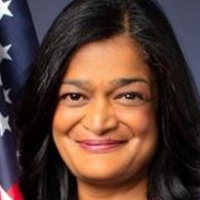
Pramila Jayapal
Representative
WA
Pramila Jayapal
Representative
WA
This resolution commemorates the five-year remembrance of the 2021 Indianapolis FedEx mass shooting, which tragically killed eight people, many of whom were Sikh. It strongly denounces all forms of anti-Asian hate, discrimination, and violence targeting South Asian communities. Furthermore, the resolution calls for strengthening federal programs to combat hate crimes and reaffirms the commitment to protecting the civil rights of all communities.
This Act establishes grants to help local educational agencies and partners transform schoolyards into ecological, educational, and community-accessible outdoor learning environments.

Summer Lee
Representative
PA
Summer Lee
Representative
PA
The Revitalizing America’s Schoolyards Act of 2026 establishes grants for local educational agencies and partners to transform school outdoor spaces into "revitalized schoolyards." These park-like environments must strengthen ecology, provide hands-on learning, and promote health, while remaining open for shared public use outside of school hours. The program prioritizes funding for schools serving high percentages of low-income students and directs the Department of Education to create a clearinghouse for best practices in outdoor learning spaces.
This act imposes a 10% surcharge on the income of high-earning individuals starting in 2027.
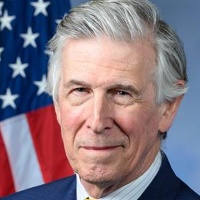
Donald Beyer
Representative
VA
Donald Beyer
Representative
VA
The Millionaires Surtax Act imposes a 10% surcharge on high-income individuals starting in 2027. This surcharge applies to modified adjusted gross income exceeding $1 million for most filers, or $2 million for married couples filing jointly. The tax is calculated based on adjusted gross income, with specific adjustments for investment interest and nonresident aliens.
The Tech to Save Moms Act establishes grant programs and mandates studies to leverage technology, telehealth, and collaborative learning models to reduce maternal mortality and severe maternal morbidity, especially among minority groups.
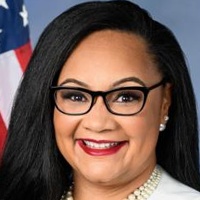
Nikema Williams
Representative
GA
Nikema Williams
Representative
GA
The Tech to Save Moms Act establishes grant programs to improve maternal health outcomes by leveraging technology for better identification, monitoring, and response to pregnancy-related risks. It directs the Secretary of HHS to fund projects using remote monitoring, telehealth, and digital tools to reduce maternal mortality and severe morbidity, with a focus on underserved populations. The legislation also mandates studies and reports on integrating technology into maternity care and improving telehealth models for Medicaid recipients.
This bill eliminates Medicare Part B cost-sharing, including deductibles, for chronic care management services starting in 2027.
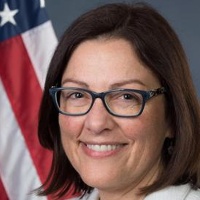
Suzan DelBene
Representative
WA
Suzan DelBene
Representative
WA
The Chronic Care Management Improvement Act of 2026 aims to enhance care for Medicare beneficiaries with chronic conditions. This bill eliminates all cost-sharing, including deductibles, for chronic care management services under Medicare Part B, effective January 1, 2027. By removing patient financial barriers, the legislation seeks to increase access to essential ongoing care coordination.
This bill establishes a commission of medical and former government experts to evaluate a President's physical or mental capacity to discharge the duties of the office when directed by Congress.
Jamie Raskin
Representative
MD
Jamie Raskin
Representative
MD
This bill establishes the Commission on Presidential Capacity to Discharge the Powers and Duties of the Office, a body tasked with evaluating the physical or mental fitness of the President. The Commission, composed of medical experts and former high-ranking officials, can be directed by Congress to examine the President. Its findings regarding the President's ability to execute their duties are then reported to Congress and the Vice President.
This resolution designates April 10 as "Dolores Huerta Day" to honor the enduring legacy and civil rights contributions of the trailblazing labor leader.
Sylvia Garcia
Representative
TX
Sylvia Garcia
Representative
TX
This resolution designates April 10 as "Dolores Huerta Day" to honor the enduring legacy of the trailblazing labor and civil rights leader. It recognizes her foundational role in the farm workers movement, her advocacy for equality, and her lifelong commitment to nonviolent activism. The bill celebrates her historic achievements and encourages the continued pursuit of civil rights for all.
This resolution designates April 2026 as "Parkinson's Awareness Month" to promote public education, support ongoing research, and honor those affected by the disease.
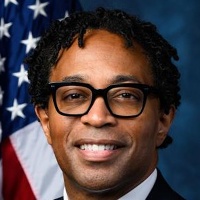
Wesley Bell
Representative
MO
Wesley Bell
Representative
MO
This resolution designates April 2026 as "Parkinson's Awareness Month" to increase public understanding of the disease and its significant impact on millions of Americans. It highlights the urgent need for continued research, improved treatments, and greater community support for those living with the condition. Additionally, the bill commends the researchers, volunteers, and patients dedicated to advancing the search for a cure.