
Legislative Activity
Track Eleanor's sponsored bills, co-sponsored legislation, and voting record
This act prohibits public stock buybacks and mandates that large companies reserve at least one-third of their board seats for employee-elected representatives.
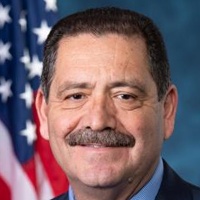
Jesús García
Representative
IL
Jesús García
Representative
IL
The Reward Work Act aims to shift corporate focus from shareholder enrichment to worker investment. It achieves this by prohibiting publicly traded companies from conducting open market stock buybacks and mandating that large companies reserve at least one-third of their board seats for employee representatives. This legislation requires the SEC to establish regulations ensuring fair employee elections for these director positions.
This bill establishes an excise tax on PFAS chemicals and creates a corresponding federal tax credit for public water systems that remediate PFAS contamination.
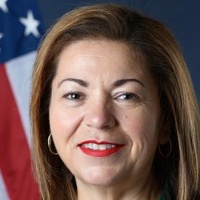
Linda Sánchez
Representative
CA
Linda Sánchez
Representative
CA
The PFAS Cleanup Act establishes a new excise tax on the sale or use of PFAS "forever chemicals" to generate revenue for remediation efforts. It also creates a federal tax credit for public water systems that incur qualified expenses to remove PFAS contamination exceeding EPA safety standards. This legislation aims to address the significant health and social costs associated with PFAS pollution.
The SET Act mandates that states hold special elections to fill vacancies in the House of Representatives within 180 days, unless a general election is already scheduled during that period.

Christian Menefee
Representative
TX
Christian Menefee
Representative
TX
The Special Election Timeliness (SET) Act mandates that states hold special elections to fill vacancies in the House of Representatives within 180 days of the vacancy occurring, unless a general election is already scheduled during that period. This ensures timely representation for affected districts. The bill provides enforcement mechanisms, allowing the Attorney General or affected parties to sue to compel compliance.
The Housing FIRST Act amends the Fair Credit Reporting Act to establish specific rules and limitations for using consumer reports in tenant screening, particularly by restricting the inclusion of certain criminal and resolved case information.
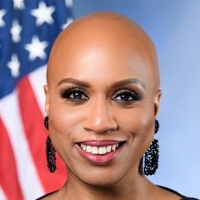
Ayanna Pressley
Representative
MA
Ayanna Pressley
Representative
MA
The Housing FIRST Act amends the Fair Credit Reporting Act to establish formal standards for tenant screening reports, treating them similarly to employment reports. This bill strictly limits the types of criminal and financial history landlords can use when evaluating rental applicants. Furthermore, it mandates specific disclosure and adverse action notification requirements for landlords using these reports.
This bill nullifies three specific Department of State rules regarding foreign assistance, effectively voiding their implementation and preventing enforcement of similar future policies.

Grace Meng
Representative
NY
Grace Meng
Representative
NY
This Act nullifies three specific Department of State rules concerning foreign assistance, effectively treating them as if they never existed. It prohibits any federal agency from implementing or enforcing these rules, or any substantially similar future policies. The legislation aims to prevent the enforcement of rules related to "Protecting Life," "Discriminatory Equity Ideology," and "Gender Ideology" in foreign aid.
This resolution directs the House Oversight Committee Chair to sue Pamela J. Bondi to compel her testimony regarding the federal government's enforcement of sex trafficking laws related to the Jeffrey Epstein investigation.
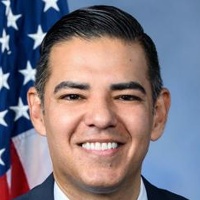
Robert Garcia
Representative
CA
Robert Garcia
Representative
CA
This resolution directs the House Oversight Committee Chair to initiate or intervene in a federal lawsuit within 30 days. The legal action must compel Pamela J. Bondi to comply with a committee subpoena for testimony regarding the DOJ's handling of records related to Jeffrey Epstein and sex trafficking law enforcement.
This bill mandates stricter federal and state regulation of utility rate-setting by establishing lower return-on-equity ranges and banning numerous non-operational costs from being passed on to consumers.
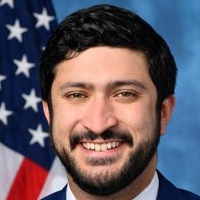
Gregorio Casar
Representative
TX
Gregorio Casar
Representative
TX
The Lowering Utility Bills Act aims to reduce consumer energy costs by establishing stricter federal and state guidelines for how electric transmission providers and investor-owned utilities calculate their allowed rate of return. The bill mandates using the lowest reasonable return on equity based on market data and explicitly bans passing numerous lobbying, administrative, and political expenses onto customers. Furthermore, it requires utilities to prioritize lower-cost, grid-enhancing technologies when planning new capital expenditures.
This resolution expresses support for designating April as Undiagnosed Awareness Month to honor those affected by rare or undiagnosed diseases and recognize efforts to improve diagnosis.
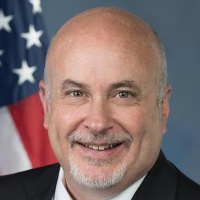
Mark Pocan
Representative
WI
Mark Pocan
Representative
WI
This resolution officially designates April as "Undiagnosed Awareness Month" and April 29th as "Undiagnosed Day." It recognizes the millions of Americans living with rare or undiagnosed diseases and the long diagnostic journeys they face. The bill also highlights the crucial work of the Undiagnosed Diseases Network (UDN) in identifying diseases and improving patient outcomes.
The HCBS Access Act mandates comprehensive, federally funded home- and community-based services under Medicaid, establishes a distinct classification for direct support professionals, and invests in workforce training and national program evaluation.

Debbie Dingell
Representative
MI
Debbie Dingell
Representative
MI
The HCBS Access Act aims to fundamentally transform long-term care by mandating that all states provide home- and community-based services (HCBS) as a required Medicaid benefit, backed by 100% federal funding. This sweeping legislation seeks to eliminate waiting lists, end institutional bias, and ensure older adults and people with disabilities can receive care in their own homes. Additionally, the bill includes provisions to strengthen the direct care workforce through better classification, training, and grant funding, while also requiring comprehensive national evaluation of the changes.
This Act establishes grant programs to fund community reentry centers and 24/7 assistance hotlines to support individuals after conviction or incarceration.
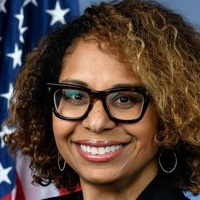
Sydney Kamlager-Dove
Representative
CA
Sydney Kamlager-Dove
Representative
CA
The One Stop Shop Community Reentry Program Act of 2026 establishes federal grant programs to fund community reentry centers and statewide assistance hotlines. These initiatives aim to provide comprehensive, trauma-informed services to individuals post-conviction or incarceration to reduce recidivism. The Act prioritizes hiring formerly incarcerated individuals and mandates rigorous evaluation and reporting on program outcomes.
This resolution expresses support for designating April as Sikh History Month to recognize Sikh history, culture, and contributions while promoting public education and awareness.
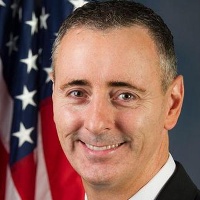
Brian Fitzpatrick
Representative
PA
Brian Fitzpatrick
Representative
PA
This resolution expresses support for designating April as Sikh History Month. The designation aims to recognize the rich history, culture, and significant contributions of Sikh Americans. It encourages public education to promote awareness, combat stereotypes, and foster respect for religious diversity.
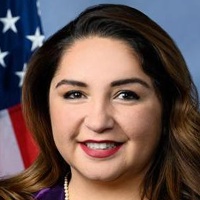
This Act establishes a phased-in increase of the federal minimum wage, ultimately tying it to two-thirds of the national median hourly wage while also reforming wages for tipped workers, youth workers, and incarcerated workers, and phasing out subminimum wages for workers with disabilities.
Delia Ramirez
Representative
IL
Delia Ramirez
Representative
IL
The Living Wage For All Act establishes a phased increase of the federal minimum wage, ultimately aiming to tie it to two-thirds of the national median hourly wage. It creates differentiated wage schedules, requiring large corporations to reach higher minimums sooner than other employers. Furthermore, the bill phases out subminimum wages for tipped workers and workers with disabilities, and extends federal wage protections to incarcerated workers.
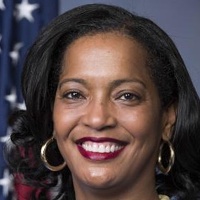
This resolution supports designating the week of April 27 through May 1, 2026, as "National Specialized Instructional Support Personnel Appreciation Week" to recognize their vital role in student success.
Jahana Hayes
Representative
CT
Jahana Hayes
Representative
CT
This resolution supports designating the week of April 27 through May 1, 2026, as "National Specialized Instructional Support Personnel Appreciation Week." It recognizes the vital role of over one million school-based professionals, such as counselors, social workers, and therapists, in removing barriers to learning for all students. The bill commends these individuals for delivering essential educational, social, and emotional support that improves student outcomes and school climate.
The Long-Term Care Workforce Support Act aims to significantly improve the pay, training, working conditions, and stability of the direct care workforce through federal funding, new labor protections, and national compensation strategies.
Debbie Dingell
Representative
MI
Debbie Dingell
Representative
MI
The Long-Term Care Workforce Support Act aims to significantly improve the lives of direct care professionals by increasing their pay, benefits, and training opportunities through federal funding and grants. The bill establishes new labor protections, including fair scheduling, paid sick leave, and workplace violence prevention plans. Ultimately, this legislation seeks to stabilize the essential long-term care workforce to ensure better quality care for older adults and people with disabilities.
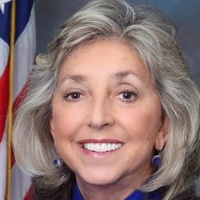
This bill establishes the Commission on Americans Living Abroad to study and recommend improvements regarding federal laws and policies affecting U.S. citizens residing overseas.
Dina Titus
Representative
NV
Dina Titus
Representative
NV
This bill establishes the Commission on Americans Living Abroad to study the impact of federal laws and policies on U.S. citizens residing overseas. The Commission will investigate issues such as taxation, access to benefits, and voting rights. It is required to submit detailed findings and recommendations to Congress and the President within one year, followed by an update one year later.
This bill officially recognizes the week of April 24 through April 30 as the annual "National Reentry Week" to focus on supporting formerly incarcerated individuals and reducing recidivism.
Sydney Kamlager-Dove
Representative
CA
Sydney Kamlager-Dove
Representative
CA
This bill officially designates the week of April 24th through April 30th as "National Reentry Week." It recognizes the challenges of mass incarceration and the high rates of recidivism facing formerly incarcerated individuals. The legislation encourages increased support and investment in programs that promote successful reentry, including access to housing, education, job training, and mental health services. Ultimately, the goal is to foster safer communities by supporting the stability and success of those returning to society.
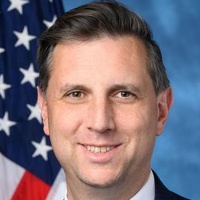
This Act establishes grant programs to support career and technical education for clean energy jobs and to upgrade educational facilities with renewable energy practices.
Seth Magaziner
Representative
RI
Seth Magaziner
Representative
RI
The Clean Energy Workforce Act establishes grant programs to bolster career and technical education for jobs in clean energy and related fields. These grants will support the development of specialized curricula and the modernization of educational facilities to align with renewable energy practices. The goal is to prepare students for in-demand careers in climate change mitigation, energy efficiency, and renewable energy sectors.
This bill amends the Social Security Act to allow skilled nursing facilities to provide intravenous immune globulin (IVIG) treatment for primary immune deficiency disease to Medicare beneficiaries starting October 1, 2026.
Adrian Smith
Representative
NE
Adrian Smith
Representative
NE
The PI Post Acute Access Act aims to improve healthcare access for patients with primary immunodeficiency disease. This legislation amends the Social Security Act to allow skilled nursing facilities to provide intravenous immune globulin (IVIG) treatments and related services to Medicare beneficiaries. This change is set to take effect starting October 1, 2026.
This bill, the PRICE Act, mandates transparent and standardized pricing practices for third-party delivery platforms, regulating how delivery fees are calculated and displayed to consumers.

Dan Goldman
Representative
NY
Dan Goldman
Representative
NY
This bill, the PRICE Act, establishes new transparency and fairness requirements for third-party delivery platforms regarding how they calculate and display fees. It mandates that delivery fees must be based only on the order total and delivery factors, not on user characteristics or store negotiations. The legislation ensures users see clear breakdowns of item prices and fees before payment, with enforcement handled by the Federal Trade Commission and state attorneys general.
This bill amends the tax code to allow the federal rehabilitation tax credit to be used for the rehabilitation of public school buildings.
Dwight Evans
Representative
PA
Dwight Evans
Representative
PA
This bill, the Rehabilitation of Historic Schools Act of 2026, amends the Internal Revenue Code to extend the federal rehabilitation tax credit to expenditures made on public school buildings. This change allows for tax incentives for renovating qualified public educational facilities. The Treasury Department will report to Congress on the impact of this new credit five years after enactment.