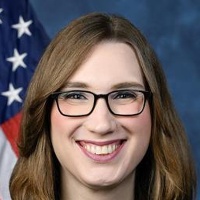
Legislative Activity
Track Sarah's sponsored bills, co-sponsored legislation, and voting record
The Working Americans’ Tax Cut Act establishes a 25.5% maximum federal income tax rate for low- and middle-income earners while implementing a new progressive tax surcharge on high-income individuals.
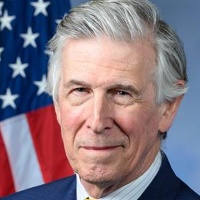
Donald Beyer
Representative
VA
Donald Beyer
Representative
VA
The Working Americans’ Tax Cut Act aims to provide tax relief to low- and middle-income earners by capping their federal income tax at 25.5% for income exceeding a cost-of-living exemption. To offset this, the bill introduces a new graduated tax surcharge on high-income individuals earning over $1 million. These changes are set to take effect for taxable years beginning after December 31, 2025.
This bill amends the Fair Labor Standards Act to extend minimum wage and overtime protections to home care workers by removing certain exemptions for casual babysitting and caregiving services.
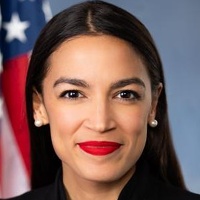
Alexandria Ocasio-Cortez
Representative
NY
Alexandria Ocasio-Cortez
Representative
NY
The Fair Wages for Home Care Workers Act amends the Fair Labor Standards Act to ensure essential wage and overtime protections for caregivers. By updating definitions and removing outdated exemptions, the bill guarantees that home care workers receive the fair compensation and labor standards they deserve.
This bill allows states to opt out of federal interest rate rules for loans made by financial institutions chartered within their borders.
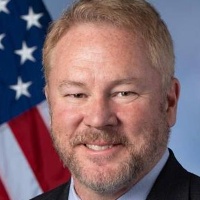
Warren Davidson
Representative
OH
Warren Davidson
Representative
OH
The American Lending Fairness Act of 2026 grants states the authority to opt out of certain federal interest rate rules for loans made by financial institutions chartered within their borders. This allows states to establish their own interest rate standards for state-chartered banks and credit unions through legislative action or voter approval. The bill repeals an existing, similar provision from 1980, applying the new opt-out mechanism retroactively to prior state actions.
This bill expands federal grant programs to increase expense reimbursements for living organ donors and mandates a study on potential Medicare coverage for donation-related costs.
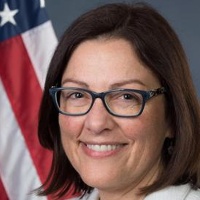
Suzan DelBene
Representative
WA
Suzan DelBene
Representative
WA
The Expanding Support for Living Donors Act of 2026 strengthens the federal grant program that reimburses living organ donors for qualifying expenses by increasing eligibility and funding caps. The bill also mandates comprehensive annual reporting on program efficacy and requires a GAO study to explore how Medicare could further cover organ donation costs.
The PrEP Access and Coverage Act of 2026 mandates comprehensive, cost-free insurance coverage for HIV prevention services across public and private health plans while prohibiting discriminatory insurance practices and funding national education and outreach programs.
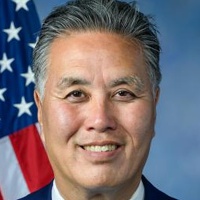
Mark Takano
Representative
CA
Mark Takano
Representative
CA
The PrEP Access and Coverage Act of 2026 mandates comprehensive, cost-free insurance coverage for HIV prevention services (PrEP and PEP) across private health plans, Medicare, Medicaid, TRICARE, and veteran health programs. The bill prohibits insurers from denying coverage or increasing premiums based on the use of HIV prevention medication and establishes robust patient confidentiality protections. Additionally, it authorizes national public health education campaigns and provides grant funding to expand access to prevention services for uninsured and underinsured populations.
The Direct File Act of 2026 establishes a permanent, free, government-owned online tax filing system within the IRS while prohibiting agreements that restrict the government from providing tax preparation services.
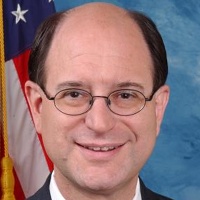
Brad Sherman
Representative
CA
Brad Sherman
Representative
CA
The Direct File Act of 2026 establishes a permanent, free, government-owned online tax filing system within the IRS, ensuring taxpayers have a simplified and accessible way to file their returns. The bill prohibits the Treasury from entering into agreements that restrict the government's ability to provide these services and mandates the integration of state tax filing options. Additionally, it streamlines the tax process by setting new filing deadlines for employer information returns to improve efficiency for all taxpayers.
This bill strengthens democracy by banning foreign spending in U.S. elections, increasing transparency for "dark money" in politics, and mandating clear disclosure of funders in political advertising.
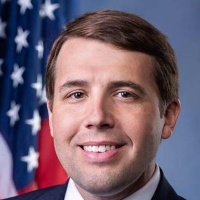
Chris Pappas
Representative
NH
Chris Pappas
Representative
NH
The Democracy Is Strengthened by Casting Light On Spending in Elections Act of 2026 aims to increase transparency and security in U.S. elections. It closes loopholes to ban foreign national spending in elections, mandates disclosure for "dark money" political spending, and requires clear funding disclosures on political ads. The bill also centralizes legal challenges to campaign finance laws in Washington, D.C., for faster resolution.
The FERRIES Act authorizes and appropriates significant long-term federal funding to modernize passenger ferry fleets, improve terminal infrastructure, and expand essential ferry services for urban and rural communities.
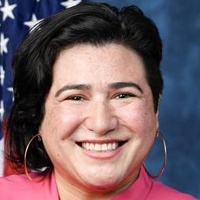
Emily Randall
Representative
WA
Emily Randall
Representative
WA
The FERRIES Act authorizes and provides significant new funding from 2027 through 2031 to modernize, expand, and sustain passenger ferry services across the United States. This legislation strengthens critical infrastructure by increasing support for ferry boat construction, urban transit programs, rural connectivity, and fleet modernization. By establishing permanent grant programs and providing dedicated appropriations, the bill aims to improve the reliability and efficiency of essential maritime transportation.
The Quantum in Practice Act integrates quantum molecular modeling and simulation into the National Quantum Initiative to accelerate breakthroughs in medicine, materials science, and industrial manufacturing.
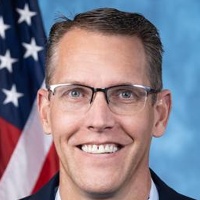
Randy Feenstra
Representative
IA
Randy Feenstra
Representative
IA
The Quantum in Practice Act formally integrates quantum molecular modeling and simulation into the National Quantum Initiative. By prioritizing this research, the bill aims to accelerate breakthroughs in fields such as medicine, energy storage, material science, and sustainable agriculture.
This bill recognizes community water fluoridation as a safe, effective, and cost-saving public health measure to prevent tooth decay and encourages its implementation nationwide.
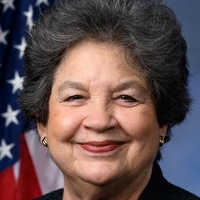
Lois Frankel
Representative
FL
Lois Frankel
Representative
FL
This bill recognizes community water fluoridation as a safe and effective public health measure proven to prevent tooth decay. It highlights the significant oral and overall health benefits, as well as the substantial cost savings associated with this intervention. The resolution encourages states and localities to adopt or continue fluoridating community water systems at optimal levels.
This bill expresses support for the National FFA Organization by designating February 21-28, 2026, as National FFA Week and celebrating the 50th anniversary of the Alaska State FFA Association.
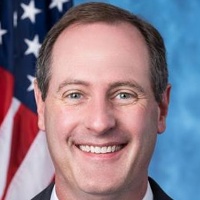
Tracey Mann
Representative
KS
Tracey Mann
Representative
KS
This resolution expresses support for the National FFA Organization and designates February 21–28, 2026, as National FFA Week. It recognizes the FFA's vital role in developing future leaders through agricultural education. The bill also celebrates the 50th anniversary of the chartering of the Alaska State FFA Association.
The Iran Human Rights, Internet Freedom, and Accountability Act of 2026 aims to support the Iranian people by expanding internet access, strengthening sanctions against regime officials, and establishing a Treasury initiative to combat Iranian government corruption and kleptocracy.
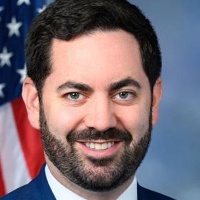
Michael Lawler
Representative
NY
Michael Lawler
Representative
NY
The Iran Human Rights, Internet Freedom, and Accountability Act of 2026 aims to support the Iranian people by expanding access to uncensored internet and communication technologies. The bill strengthens U.S. policy against regime repression by mandating investigations into human rights abuses and establishing a new Treasury initiative to combat corruption and money laundering by Iranian officials. Additionally, it enhances congressional oversight of sanctions and promotes independent media to counter state-sponsored censorship.
This act reforms the process for negotiating pay and benefits for Postal Service supervisors, managers, and postmasters, ensuring timely proposals and binding dispute resolution.
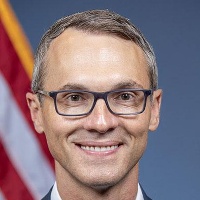
James Walkinshaw
Representative
VA
James Walkinshaw
Representative
VA
The Postal Supervisors, Managers, and Postmasters Fairness Act of 2026 updates the process for determining pay and benefits for Postal Service supervisory personnel. This bill requires the Postal Service to formally propose pay changes to supervisor organizations before existing decisions expire or after related union contracts are settled. Any unresolved disputes regarding these proposals will result in a final, binding determination issued quickly by a review panel.
The LOVE Act establishes an eight-year Medicare demonstration program to fund hospital training for facilitators who assist patients in navigating the living kidney donor process.
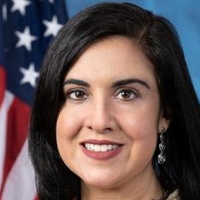
Nicole Malliotakis
Representative
NY
Nicole Malliotakis
Representative
NY
The Living Organ Volunteer Engagement (LOVE) Act establishes an eight-year Medicare demonstration program to fund training for kidney transplant facilitators. These facilitators will assist patients with end-stage renal disease in identifying living donors and navigating the complex kidney donation process. The initiative aims to increase living donor transplant rates and improve patient outcomes while reducing long-term Medicare costs.
This Act prohibits online platforms from displaying fraudulent paid advertisements if they accepted payment and failed to take reasonable steps to prevent them, while also establishing new enforcement mechanisms.
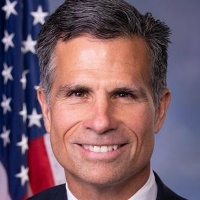
Daniel Meuser
Representative
PA
Daniel Meuser
Representative
PA
The Safeguarding Consumers from Advertising Misconduct Act (SCAM Act) holds online platforms accountable for displaying fraudulent or deceptive paid advertisements. It mandates that platforms implement strict advertiser verification procedures and actively detect and remove scam ads. This legislation establishes a private right of action for injured consumers and clarifies that existing Section 230 immunity does not apply to violations of this Act.
This Act repeals major U.S. sanctions against Cuba, normalizing trade, travel, and telecommunications while establishing a framework for property claims and human rights negotiations.
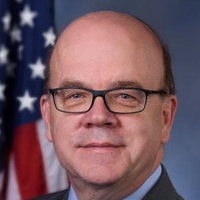
James McGovern
Representative
MA
James McGovern
Representative
MA
The United States-Cuba Trade Act of 2026 comprehensively repeals major U.S. sanctions laws against Cuba, effectively normalizing trade relations. This legislation removes restrictions on travel, exports, and financial remittances between the two nations. It also establishes a framework for the President to negotiate property claims and human rights protections with the Cuban government. The Act aims to promote democratic change in Cuba through the extension of nondiscriminatory trade treatment.
The Healthy Families Act establishes a national standard requiring most employers to provide employees with earned paid sick leave for personal or family health needs and related safety issues.
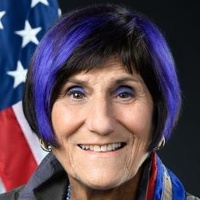
Rosa DeLauro
Representative
CT
Rosa DeLauro
Representative
CT
The Healthy Families Act establishes a national standard requiring most employers to provide employees with earned paid sick leave. Employees will accrue a minimum of one hour of paid time for every 30 hours worked, usable for personal or family health needs, domestic violence, sexual assault, or stalking. The Act prohibits employer retaliation for using this leave and ensures existing, more generous leave policies are not diminished.
This bill establishes a comprehensive Transgender Bill of Rights to codify and protect the rights of transgender and nonbinary people across healthcare, employment, legal recognition, and safety.
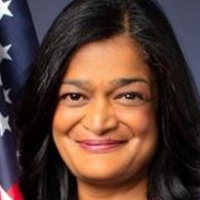
Pramila Jayapal
Representative
WA
Pramila Jayapal
Representative
WA
This resolution establishes a comprehensive Transgender Bill of Rights to codify and protect the rights of transgender and nonbinary people across the United States. It mandates federal action to ensure equal access to healthcare, employment, housing, legal recognition, and safety. The bill aims to eliminate discrimination and affirm bodily autonomy by amending existing federal civil rights laws.
This act imposes sanctions on foreign entities purchasing Russian oil and petroleum products to decrease Russia's profits, with limited exceptions tied to supporting Ukraine or reducing Russian purchases.
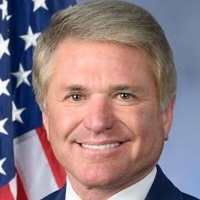
Michael McCaul
Representative
TX
Michael McCaul
Representative
TX
The Decreasing Russian Oil Profits Act of 2026 imposes sanctions on foreign entities purchasing or importing Russian oil and petroleum products. The President has limited authority to grant exceptions to these sanctions, such as for countries that redirect funds or significantly support Ukraine. These measures aim to restrict revenue streams supporting Russia's activities while providing narrow pathways for continued trade under specific conditions.
The BRAVE Burma Act modifies sanctions reporting requirements and directs the U.S. to oppose increases to Burma's IMF shareholding while the State Administration Council is in power.
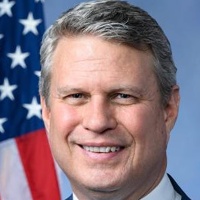
Bill Huizenga
Representative
MI
Bill Huizenga
Representative
MI
The BRAVE Burma Act aims to increase accountability for the military regime in Burma through enhanced sanctions reporting. It requires the President to assess Burmese state-owned enterprises and entities involved in the jet fuel sector for potential sanctions. Furthermore, the Act directs the U.S. to oppose increases to Burma's shareholding in the International Monetary Fund while the State Administration Council is in power.