This bill allows states to opt out of federal interest rate rules for loans made by financial institutions chartered within their borders.
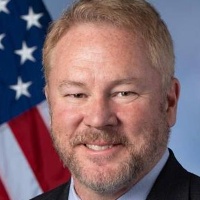
Warren Davidson
Representative
OH-8
The American Lending Fairness Act of 2026 grants states the authority to opt out of certain federal interest rate rules for loans made by financial institutions chartered within their borders. This allows states to establish their own interest rate standards for state-chartered banks and credit unions through legislative action or voter approval. The bill repeals an existing, similar provision from 1980, applying the new opt-out mechanism retroactively to prior state actions.
States Could Soon Set Their Own Loan Rates: What the American Lending Fairness Act Means for Your Wallet
Ever felt like federal rules are a bit of a straitjacket, especially when it comes to something as personal as your loans? Well, a new piece of legislation, the American Lending Fairness Act of 2026, is looking to give states a lot more wiggle room on interest rates for loans issued by their own banks and credit unions. Basically, if your state decides it doesn't like the federal interest rate rules, it can now say, "Thanks, but no thanks," and set its own. This isn't just a minor tweak; it's a pretty big shift in who gets to call the shots on what you might pay to borrow money.
The 'Opt-Out' Option: Your State, Your Rates?
Here's the deal: currently, federal laws often set the ceiling for interest rates that banks and credit unions can charge. This bill, specifically in Section 2, creates an "opt-out" clause. If your state's legislature passes a law or its voters approve a measure, that state can effectively tell the feds, "We'll handle interest rates for our state-chartered banks and credit unions ourselves." This means the standard federal interest rate rules that apply to those institutions would no longer hold water in that state. Think about it like this: if you're living in a state that decides to opt out, the interest rate on your next car loan or personal loan from a state-chartered lender might look very different from what it would have under federal guidelines. It's a move to give states more control, but it also opens the door for a lot of variation.
This isn't entirely new territory, as the bill also repeals Section 525 of the Depository Institutions Deregulation and Monetary Control Act of 1980. The new opt-out rules would essentially take over where that older law left off, applying to any state decisions made under the repealed section. So, it's not just a new option; it's also a streamlining of how states can assert their regulatory preferences.
What This Could Mean for Your Bank Account
For everyday folks like us, this could play out in a few ways. On one hand, it could mean states get to tailor financial regulations to their specific local economies. Maybe a state wants to encourage certain types of lending or protect consumers in a way that federal rules don't quite fit. That's the upside. On the other hand, and this is where you might want to pay close attention, if a state opts out of federal interest rate caps, those rates could potentially climb higher. For a young family buying their first home or a small business owner trying to get a loan to expand, even a few percentage points can make a huge difference in monthly payments and overall cost. This could especially impact people who might already be struggling with higher costs of living or those with less-than-perfect credit, as they're often the most sensitive to rate hikes. It’s a classic balancing act between state flexibility and consistent consumer protection, and your wallet could be right in the middle of it.