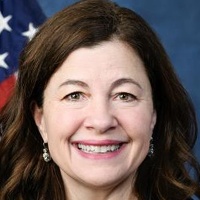
Legislative Activity
Track Kristen's sponsored bills, co-sponsored legislation, and voting record
This Act prohibits charging different prices for substantially similar consumer products or services based solely on the buyer's gender.
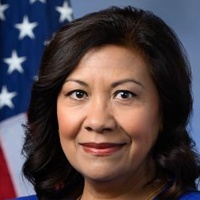
Norma Torres
Representative
CA
Norma Torres
Representative
CA
The Pink Tax Repeal Act prohibits businesses from charging different prices for substantially similar consumer products or services based solely on the buyer's gender. This legislation empowers the Federal Trade Commission (FTC) to enforce the ban as an unfair business practice. State Attorneys General are also authorized to file lawsuits to stop violations and seek restitution for affected residents.
This Act enhances the FAA's Collegiate Training Initiative, establishes new grant programs, funds training equipment, creates retention incentives for air traffic controllers, and mandates improvements to mental health support and airport radar safety reporting.
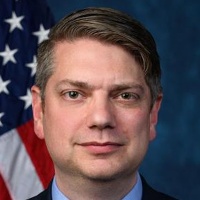
Nicholas Begich
Representative
AK
Nicholas Begich
Representative
AK
The Air Traffic Control Workforce Development Act of 2025 aims to strengthen the air traffic control pipeline by improving the Collegiate Training Initiative (CTI) program and establishing new grants for participating colleges. The bill also funds new training equipment and creates financial incentives to both encourage trainees to complete their certification and retain experienced controllers. Finally, it mandates improvements to mental health support for controllers and requires a report on the future of airport radar safety systems.
This resolution recognizes the 60th anniversary of SkillsUSA and celebrates its vital role in preparing students for skilled careers through Career and Technical Education.
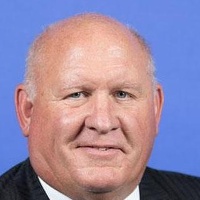
Glenn Thompson
Representative
PA
Glenn Thompson
Representative
PA
This resolution officially recognizes and celebrates the 60th anniversary of SkillsUSA, a leading organization dedicated to preparing students for skilled careers through Career and Technical Education (CTE). Congress commends SkillsUSA for empowering over 440,000 students annually in personal, workplace, and technical skills. The bill encourages communities to support the organization's vital mission of developing America's future workforce.
This Act allows federal law enforcement officers to receive retirement credit for previously capped overtime pay upon making a lump-sum payment, while also expanding eligibility for availability pay to certain other federal employees.
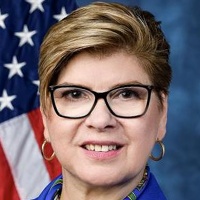
Nellie Pou
Representative
NJ
Nellie Pou
Representative
NJ
The LEO Fair Retirement Act of 2025 addresses compensation issues for federal law enforcement officers (LEOs) by allowing them to receive full retirement credit for previously capped overtime premium pay, provided they make a required lump-sum payment. The Act also expands eligibility for "availability pay" to several new categories of federal law enforcement personnel. Finally, it provides a non-refundable federal tax credit for officers receiving certain lump-sum payments related to their retirement annuity calculations.
This Act establishes a bipartisan Fiscal Commission tasked with developing and reporting legislative recommendations to reduce the national debt, followed by an expedited congressional process for considering those recommendations.
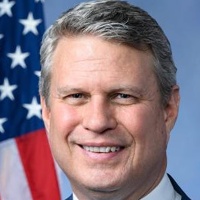
Bill Huizenga
Representative
MI
Bill Huizenga
Representative
MI
The Fiscal Commission Act establishes a bipartisan commission tasked with developing legislative recommendations to improve the nation's long-term fiscal health, aiming to reduce the national debt ratio to 100% of GDP by 2039. This Commission, composed of appointed members from both chambers of Congress and outside experts, must submit its final report and proposed legislation within a specific timeframe. The Act also creates an expedited, amendment-free process for Congress to consider and vote on any resulting "implementing bills."
This Act mandates that health plans cover medically necessary treatment for congenital anomalies or birth defects affecting the eyes, ears, teeth, mouth, or jaw to restore normal function and appearance.
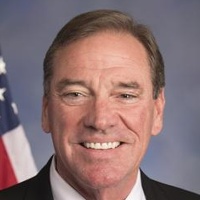
Neal Dunn
Representative
FL
Neal Dunn
Representative
FL
The Ensuring Lasting Smiles Act mandates that group health plans and insurance policies provide comprehensive coverage for medically necessary treatment related to congenital anomalies or birth defects affecting the eyes, ears, teeth, mouth, or jaw. This coverage must include services needed to restore normal function and appearance, including necessary dental and orthodontic support. Plans must apply cost-sharing rules no more restrictive than those for other medical benefits, excluding purely cosmetic procedures.
This Act restores federal recognition to the Grand River Bands of Ottawa Indians, confirming their eligibility for federal services and benefits while establishing procedures for membership and land acquisition.
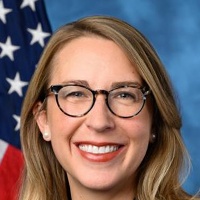
Hillary Scholten
Representative
MI
Hillary Scholten
Representative
MI
The Grand River Bands of Ottawa Indians Restoration Act of 2025 officially recognizes the Grand River Bands of Ottawa Indians, confirming their status as a federally recognized tribe. This Act makes the Tribe and its members eligible for all federal services and benefits available to recognized tribes. Furthermore, it mandates the Secretary of the Interior to take specified lands in western Michigan into trust for the benefit of the Tribe. The legislation ensures that this recognition does not diminish any existing rights the Tribe may hold.
The Mom and Pop Tax Relief Act modifies the Section 199A qualified business income deduction for tax years after 2025 by capping the eligible income at \$25,000 (or less based on AGI over \$200,000) and tightening W-2 wage rules.
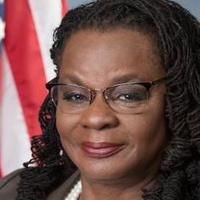
Gwen Moore
Representative
WI
Gwen Moore
Representative
WI
The Mom and Pop Tax Relief Act modifies the Section 199A qualified business income deduction for tax years beginning after 2025. This bill caps the eligible income for the deduction at the lesser of total qualified business income or \$25,000, with further reductions for taxpayers whose Adjusted Gross Income exceeds \$200,000. It also tightens the rules regarding what qualifies as W-2 wages and clarifies that income earned as an employee does not qualify for this deduction.
This bill expands the definition of "law enforcement officer" for federal retirement purposes under FERS and CSRS to include specific IRS, Postal Inspection, and VA police employees, and establishes rules for how current employees can count prior service under the new designation.
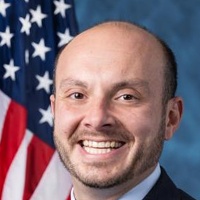
Andrew Garbarino
Representative
NY
Andrew Garbarino
Representative
NY
The Law Enforcement Officers Equity Act expands the definition of "law enforcement officer" for federal retirement purposes under both the Federal Employees Retirement System (FERS) and the Civil Service Retirement System (CSRS). This change adds specific IRS, Postal Inspection Service, and VA police roles to those eligible for enhanced retirement benefits. The bill also establishes procedures for current officers to elect to have their prior service counted under these new definitions, which may require a payment from the employee and their employing agency.
This Act establishes an Intergovernmental Critical Minerals Task Force to assess U.S. dependence on foreign sources, particularly China, and develop strategies to secure domestic supply chains for essential minerals.
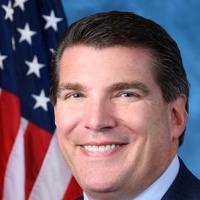
Jay Obernolte
Representative
CA
Jay Obernolte
Representative
CA
The Intergovernmental Critical Minerals Task Force Act establishes a new task force to address U.S. national security risks stemming from heavy reliance on foreign nations, particularly China, for critical minerals. This group will assess supply chain vulnerabilities and develop recommendations to boost domestic production, processing, and recycling capabilities. The Act mandates coordination across federal agencies, state and tribal governments, and industry to secure resilient mineral supplies.
The SAFE STEPS for Veterans Act of 2025 establishes a dedicated VA Office of Falls Prevention to standardize care, boost research, and implement educational campaigns to reduce falls among veterans.
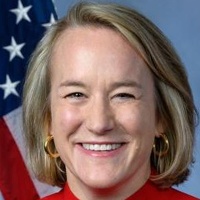
Nicole (Nikki) Budzinski
Representative
IL
Nicole (Nikki) Budzinski
Representative
IL
The SAFE STEPS for Veterans Act of 2025 establishes a dedicated Office of Falls Prevention within the VA to centralize and standardize all efforts to reduce falls among veterans. This office will set care standards, oversee national education campaigns, and promote research into evidence-based prevention programs. The Act also mandates specific falls risk assessments and prevention services for veterans in VA nursing homes and updates requirements for extended care services.
This act establishes research grants and training programs to develop and implement PFAS-free, next-generation turnout gear to protect firefighters from occupational illness and injury.

Debbie Dingell
Representative
MI
Debbie Dingell
Representative
MI
The PFAS Alternatives Act aims to protect firefighters by funding research and development for next-generation turnout gear that eliminates harmful PFAS chemicals. The bill establishes grants through NIOSH to create safer, PFAS-free protective equipment and separate funding for training programs on the proper care of this new gear. Ultimately, this legislation seeks to reduce occupational illness and injury among fire and EMS personnel.
The Shipbuilding and Harbor Infrastructure for Prosperity and Security for America Act of 2025 establishes a centralized maritime authority, creates a dedicated funding trust, strengthens sealift capability, mandates increased use of U.S.-flagged vessels, invests heavily in domestic shipbuilding, and enhances workforce development and tax incentives for the maritime industry.
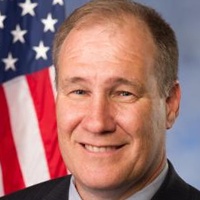
Trent Kelly
Representative
MS
Trent Kelly
Representative
MS
The **Shipbuilding and Harbor Infrastructure for Prosperity and Security for America Act of 2025** is a comprehensive bill designed to revitalize the U.S. maritime industry and secure critical supply chains. It establishes new centralized oversight for maritime policy, creates a dedicated Maritime Security Trust Fund financed by new vessel taxes, and mandates significant federal investment in domestic shipbuilding and workforce development. The legislation also imposes stricter cargo preference rules and tax incentives to ensure U.S.-flagged vessels dominate international commerce and defense sealift operations.
This Act expands the Occupational Safety and Health Act (OSHA) to explicitly cover all public employees of the United States, states, and local governments.
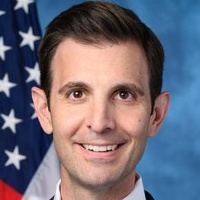
Chris Deluzio
Representative
PA
Chris Deluzio
Representative
PA
The Public Service Worker Protection Act expands the Occupational Safety and Health Act (OSHA) to explicitly cover all public employees, including those working for federal, state, and local governments. This change brings public sector workers under the general protections afforded by OSHA. While the expansion takes effect generally within 90 days, states without an existing OSHA plan are given a three-year transition period before federal oversight applies to their employees.
The ReConnecting Rural America Act of 2025 overhauls federal funding to prioritize grants and loans for building high-speed, 100/100 Mbps broadband infrastructure in underserved rural areas.
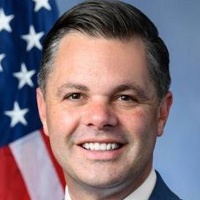
Zachary (Zach) Nunn
Representative
IA
Zachary (Zach) Nunn
Representative
IA
The ReConnecting Rural America Act of 2025 significantly overhauls federal funding to expand high-speed internet access in underserved rural areas. This legislation prioritizes grants and loans for projects delivering at least 100 Mbps symmetrical speeds, focusing heavily on communities currently lacking adequate service. The bill sets strict buildout timelines, mandates participation in affordability programs, and establishes specific priority criteria for funding distribution through 2030.
The Better CARE for Animals Act of 2025 strengthens the enforcement of the Animal Welfare Act by expanding investigative authority, establishing new civil penalties up to \$10,000 per day, and explicitly granting the Attorney General power to file civil actions, including seeking seizure and forfeiture of animals.
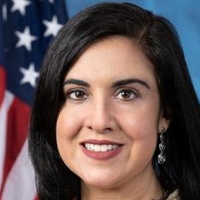
Nicole Malliotakis
Representative
NY
Nicole Malliotakis
Representative
NY
The Better CARE for Animals Act of 2025 significantly strengthens enforcement of the Animal Welfare Act by clarifying definitions and expanding the scope of investigations. It grants the Attorney General explicit authority to file civil actions seeking penalties up to $10,000 per day, and mandates that collected fines help cover temporary animal care costs. The bill also requires the Secretary of Agriculture and the Attorney General to establish a formal agreement for coordinated enforcement.
This resolution recognizes the 50th anniversary of the Fall of Saigon, honoring the history, service, and contributions of Vietnamese Americans while reaffirming U.S. commitment to democracy and human rights.
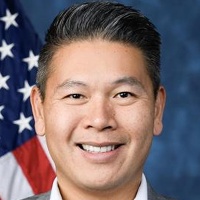
Derek Tran
Representative
CA
Derek Tran
Representative
CA
This resolution commemorates the 50th anniversary of the Fall of Saigon and recognizes the profound contributions of Vietnamese Americans to the United States. It honors those who fled the communist regime after April 30, 1975, and reaffirms American commitment to democracy and human rights. The bill encourages all citizens to observe this anniversary and remember the sacrifices made in the pursuit of freedom.
The Equality Act comprehensively prohibits discrimination based on sex, sexual orientation, and gender identity across key areas including public accommodations, employment, housing, credit, and jury service.
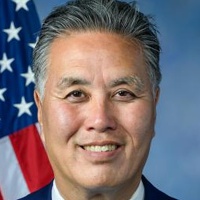
Mark Takano
Representative
CA
Mark Takano
Representative
CA
The Equality Act comprehensively expands federal civil rights protections against discrimination based on sex, sexual orientation, and gender identity across key areas of American life. It amends existing laws to prohibit discrimination in public accommodations, housing, credit, employment, and federal funding. The purpose of the bill is to provide consistent, explicit, and comprehensive remedies for individuals facing bias in these essential sectors.
This Act authorizes the President to impose sanctions, including asset freezes and visa bans, on foreign individuals involved in violence, property destruction, or displacement in the West Bank.
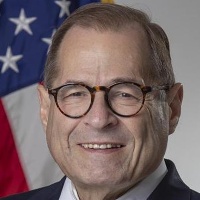
Jerrold Nadler
Representative
NY
Jerrold Nadler
Representative
NY
The West Bank Violence Prevention Act of 2025 declares extreme settler violence and displacement in the West Bank a threat to U.S. national security interests. This Act mandates the President to impose sanctions, including asset freezes and visa bans, on foreign individuals responsible for undermining peace and stability in the region. The Treasury Department must report to Congress on the implementation of these sanctions every 90 days.
This bill significantly enhances the Child and Dependent Care Tax Credit by raising expense limits, adjusting income phase-outs, and making the credit partially refundable.
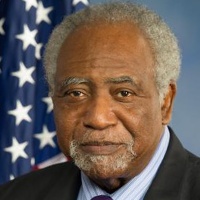
Danny Davis
Representative
IL
Danny Davis
Representative
IL
The Child and Dependent Care Tax Credit Enhancement Act of 2025 significantly increases the maximum expenses eligible for the Child and Dependent Care Tax Credit to \$8,000 for one child and \$16,000 for two or more. This legislation also modifies the income-based calculation for the credit percentage and makes the credit partially or fully refundable for eligible taxpayers. Furthermore, key dollar limits will be adjusted annually for inflation starting in 2026.