Legislative Activity
Track Kristen's sponsored bills, co-sponsored legislation, and voting record
This bill eliminates the upper age limit for claiming the Earned Income Tax Credit (EITC), making it available to all eligible workers regardless of age after 2025.
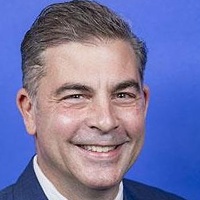
Mike Carey
Representative
OH
Mike Carey
Representative
OH
The EITC for Older Workers Act of 2025 eliminates the upper age limit for claiming the Earned Income Tax Credit (EITC). This change removes the current restriction preventing individuals aged 65 and older from claiming the credit. The provision will take effect for tax years beginning after December 31, 2025.
This resolution recognizes the vital contributions of linemen, often acting as first responders, and supports designating April 18, 2025, as "National Lineman Appreciation Day."
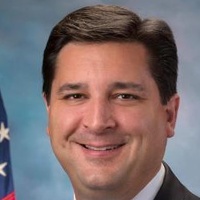
David Rouzer
Representative
NC
David Rouzer
Representative
NC
This resolution officially recognizes the vital and dangerous work performed by power linemen who maintain our electrical infrastructure and ensure public safety. It highlights their crucial role as first responders, often working in hazardous conditions after disasters. Furthermore, the resolution supports the designation of April 18, 2025, as "National Lineman Appreciation Day" to formally honor their service.
The PROTECT 911 Act establishes federal guidelines and grant funding to support the mental health and wellness of public safety telecommunicators, such as 911 operators.
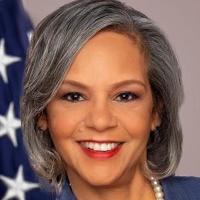
Robin Kelly
Representative
IL
Robin Kelly
Representative
IL
The PROTECT 911 Act aims to support the mental health of 911 operators and emergency dispatchers. It requires the government to develop evidence-based mental health guidelines and training materials specifically for these workers. Furthermore, the Act establishes grants for emergency communications centers to implement or enhance behavioral health and wellness programs for their staff.
This Act authorizes the Secretary of the Interior to enter into Memoranda of Understanding with foreign countries to cooperatively map critical mineral and rare earth element reserves to secure U.S. supply chains.

Robert Wittman
Representative
VA
Robert Wittman
Representative
VA
The Finding Opportunities for Resource Exploration Act, or Finding ORE Act, authorizes the Secretary of the Interior, through the USGS, to enter into Memoranda of Understanding with foreign partners. These agreements focus on cooperatively mapping critical mineral and rare earth element reserves in partner countries. The goal is to secure supply chains by prioritizing development opportunities for U.S. and allied companies, while ensuring data security.
This bill eliminates the federal income tax on Social Security benefits while adjusting the Social Security payroll tax cap and increasing future benefit calculations for high earners starting in 2026.
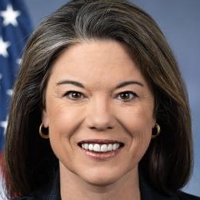
Angie Craig
Representative
MN
Angie Craig
Representative
MN
The You Earned It, You Keep It Act eliminates federal income tax on Social Security benefits while ensuring trust funds remain whole through Treasury appropriations. Starting in 2026, the bill significantly alters the Social Security payroll tax cap for high earners, introducing a new $\$250,000$ threshold for both wage taxation and benefit calculation. Furthermore, it adjusts the benefit formula for future retirees by adding a small bonus based on earnings above $\$250,000$, while protecting access to needs-based programs like SSI and Medicaid.
This Act mandates comprehensive mental health education within the military's Transition Assistance Program and the VA's Solid Start Program to better support servicemembers leaving the military and reduce veteran suicide.
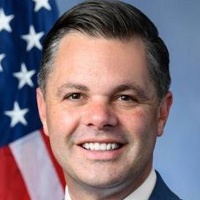
Zachary (Zach) Nunn
Representative
IA
Zachary (Zach) Nunn
Representative
IA
This Act mandates improvements to the mental health components of the Department of Defense's Transition Assistance Program (TAP) and the Department of Veterans Affairs' Solid Start Program. It ensures transitioning service members and new veterans receive comprehensive information on available mental health services, suicide risk, and related support resources. The Secretaries of Defense and Veterans Affairs must jointly report to Congress on these updates within one year of enactment.
This bill amends the Small Business Act to make disaster loans available to small businesses for damages and resilience upgrades resulting from prolonged power outages.

Haley Stevens
Representative
MI
Haley Stevens
Representative
MI
This bill amends the Small Business Act to allow disaster loans to be issued specifically for damages resulting from prolonged power outages. It defines a "prolonged power outage" based on the number of affected properties and the duration or severity of uninsured losses. Furthermore, the legislation permits loan funds to be used by small businesses for purchasing energy resilience systems, such as generators and solar power equipment.
This bill mandates the creation of a comprehensive National Strategy and detailed Implementation Plan to coordinate federal efforts, reduce bureaucracy, and close the digital divide by ensuring universal access to fast and affordable broadband internet.
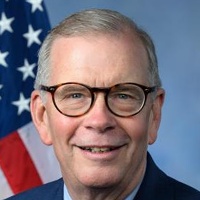
Tim Walberg
Representative
MI
Tim Walberg
Representative
MI
The PLAN for Broadband Act mandates the creation of a comprehensive National Strategy to effectively coordinate federal broadband programs and streamline deployment efforts across the country. This strategy must detail roles, goals, and methods for cutting red tape for state, local, and Tribal governments seeking to expand internet access. Following the strategy, a detailed Implementation Plan will establish concrete timelines, accountability measures, and public check-ins to ensure progress in closing the digital divide. The Government Accountability Office will also study the effectiveness of these plans to ensure taxpayer funds are used efficiently.
This bill establishes the American Family Act, which revamps the Child Tax Credit into a system of refundable monthly advance payments for qualifying children and a separate credit for other dependents.

Rosa DeLauro
Representative
CT
Rosa DeLauro
Representative
CT
The American Family Act fundamentally overhauls the Child Tax Credit by replacing the annual lump sum with a system of advance, refundable monthly payments delivered directly to families. These monthly allowances vary based on the child's age, with higher amounts provided for younger children. The bill also establishes a separate, smaller credit for other dependents and outlines procedures for annual renewal and reconciliation of advance payments when filing taxes.
This Act mandates the high-resolution surveying and mapping of the Great Lakes lakebeds by NOAA, with data to be made publicly available by the end of 2030.

Lisa McClain
Representative
MI
Lisa McClain
Representative
MI
The Great Lakes Mapping Act of 2025 mandates a high-resolution survey and mapping of the Great Lakes lakebeds, to be completed by December 31, 2030. Led by NOAA, this effort requires collaboration with state and regional partners to collect and catalog detailed bathymetric data. The resulting high-resolution map and associated data must be made publicly available as it is completed and fully released within 180 days of project completion.
The Invest to Protect Act of 2025 establishes a Department of Justice grant program to fund training, mental health resources, and recruitment/retention bonuses for small local law enforcement agencies.
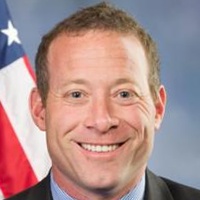
Josh Gottheimer
Representative
NJ
Josh Gottheimer
Representative
NJ
The Invest to Protect Act of 2025 establishes a new, streamlined grant program within the Department of Justice to support small local and Tribal law enforcement agencies (under 175 officers). These funds are specifically designated for officer training, mental health resources, and recruitment/retention bonuses. The law mandates a rapid application process and includes strict accountability measures, such as audits and public reporting of bonuses. Congress is authorized to appropriate up to $50 million annually for this program through fiscal year 2031.
This bill mandates the development of a modernized 10-year strategy by the Secretaries of HHS and Defense to ensure the nation has sufficient anthrax countermeasures to protect civilians and service members.
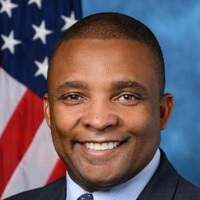
Donald Davis
Representative
NC
Donald Davis
Representative
NC
The Protecting American Families and Servicemembers from Anthrax Act mandates the Secretaries of Health and Human Services and Defense to develop a modernized 10-year strategy to defend against the anthrax threat. This plan must ensure a sustainable supply of anthrax countermeasures for the Strategic National Stockpile and outline protections for civilians and military families. The Secretaries are required to submit an initial classified report detailing the threat and the full strategy to Congress within 180 days, followed by annual updates.
This Act establishes federal minimum standards for public employee collective bargaining rights, allowing states to maintain their own laws if they meet or exceed these standards, otherwise the Federal Labor Relations Authority will enforce federal rules.
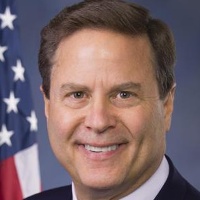
Donald Norcross
Representative
NJ
Donald Norcross
Representative
NJ
The Public Service Freedom to Negotiate Act of 2025 establishes federal minimum standards for collective bargaining rights for public employees across the nation. It requires the Federal Labor Relations Authority (FLRA) to review state laws to ensure they substantially provide these minimum rights, including the right to organize and bargain collectively. If a state fails to meet these standards, the FLRA will administer federal labor relations rules for the uncovered employees. The Act also prohibits strikes or lockouts that would measurably disrupt emergency or public safety services.
The No Tax Breaks for Union Busting Act denies businesses tax deductions for expenses incurred while influencing employees regarding union organization and activities.
Donald Norcross
Representative
NJ
Donald Norcross
Representative
NJ
The No Tax Breaks for Union Busting (NTBUB) Act aims to disallow businesses from deducting federal income taxes for expenses incurred while attempting to influence employees regarding union organization or activities. This change is intended to stop companies from subsidizing anti-union campaigns through tax write-offs. The bill also establishes new, significant reporting requirements and penalties for businesses and third-party consultants who engage in these influence expenditures.
This Act allows employees to fully deduct union dues above the line and restores the itemized deduction for certain other job-related business expenses.
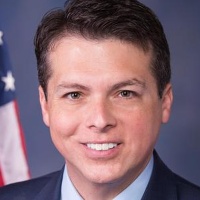
Brendan Boyle
Representative
PA
Brendan Boyle
Representative
PA
The Tax Fairness for Workers Act restores key federal tax deductions for employees, effective after 2024. This legislation makes union dues fully deductible "above the line," meaning they reduce Adjusted Gross Income without itemizing. Additionally, it allows itemizers to deduct certain other job-related business expenses that were previously limited.
The Building Child Care for a Better Future Act dramatically increases federal funding for state child care entitlements and establishes a new annual $\$5$ billion grant program to specifically address workforce, supply, quality, and access in high-need areas.
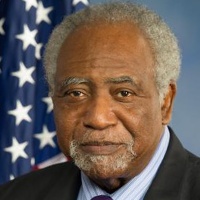
Danny Davis
Representative
IL
Danny Davis
Representative
IL
The Building Child Care for a Better Future Act dramatically increases federal funding for state child care entitlements and establishes a new \$5 billion annual grant program to address critical shortages in the child care workforce, supply, and quality in identified high-need areas. These funds are intended to supplement existing spending and support providers through facility improvements, workforce training, and ensuring living wages for staff. The legislation also sets specific requirements for planning, reporting, and evaluation to track the impact of these investments.
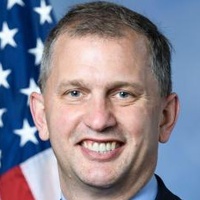
This act mandates the FAA to create and annually update a public list of medications deemed safe for pilots and air traffic controllers to use while maintaining their medical certification.
Sean Casten
Representative
IL
Sean Casten
Representative
IL
The Aviation Medication Transparency Act of 2025 mandates the Federal Aviation Administration (FAA) to create and maintain a public list of medications deemed safe for pilots and air traffic controllers to use while maintaining their medical certification. This list must be developed in consultation with relevant industry and labor groups. The FAA is required to update this comprehensive list annually, ensuring airmen and their doctors have clear guidance on medication approval status and necessary waiting periods.
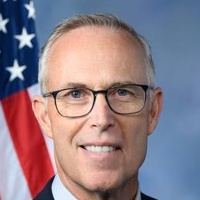
The IDEA Full Funding Act establishes mandatory, increasing funding levels for the Individuals with Disabilities Education Act (IDEA) from 2026 through 2035, contingent upon offsetting budget cuts.
Jared Huffman
Representative
CA
Jared Huffman
Representative
CA
The IDEA Full Funding Act establishes mandatory, increasing funding levels for the Individuals with Disabilities Education Act (IDEA) programs through fiscal year 2035. This legislation sets specific appropriation targets based on student counts and national average spending to ensure greater financial support for special education services. Furthermore, the bill requires that these new IDEA appropriations adhere to "cut-as-you-go" budget offset rules.
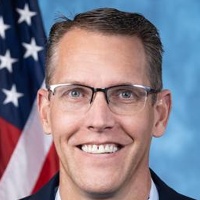
The Secure Family Futures Act of 2025 modifies tax code provisions for applicable insurance companies by excluding certain debt from being treated as a capital asset and extending the capital loss carryover period to ten years for specific losses incurred after 2025.
Randy Feenstra
Representative
IA
Randy Feenstra
Representative
IA
The Secure Family Futures Act of 2025 modifies tax treatment for certain debt holdings of applicable insurance companies, excluding specific debt instruments from being treated as capital assets for tax purposes. Additionally, this Act extends the capital loss carryover period to 10 years for specified losses incurred by these insurance companies. These changes apply only to transactions occurring after December 31, 2025.
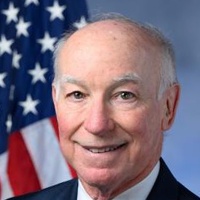
This Act mandates the Department of Labor to establish and enforce comprehensive workplace violence prevention standards for healthcare and social service workers, while also tying compliance to Medicare funding for certain facilities.
Joe Courtney
Representative
CT
Joe Courtney
Representative
CT
This Act mandates the Secretary of Labor to establish an interim and then a final standard requiring comprehensive workplace violence prevention plans for employers in the healthcare and social service sectors. These plans must be developed with employee input and detail risk assessments, hazard controls, reporting procedures, and annual training. Furthermore, the bill amends the Social Security Act to require Medicare-funded hospitals and skilled nursing facilities not covered by OSHA to comply with these new federal workplace violence prevention standards. The legislation also establishes clear definitions for workplace violence and includes strong anti-retaliation protections for employees who exercise their rights under the Act.