Legislative Activity
Track April's sponsored bills, co-sponsored legislation, and voting record
The "Access to Reproductive Care for Servicemembers Act" ensures that members of the Armed Forces and their dependents can access leave and travel reimbursement for reproductive health care services, including abortion and fertility treatments, not covered by the Department of Defense, while safeguarding their privacy and prohibiting adverse actions.
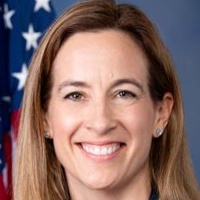
Mikie Sherrill
Representative
NJ
Mikie Sherrill
Representative
NJ
The "Access to Reproductive Care for Servicemembers Act" ensures that members of the Armed Forces and their dependents can access leave and reimbursement for travel expenses related to abortion services and assisted reproductive technology, such as in vitro fertilization, when these services are not available nearby. It protects the privacy of service members seeking such care and prohibits any adverse actions against them for utilizing these provisions. The bill aims to address barriers to reproductive healthcare created by state abortion restrictions and logistical challenges faced by military personnel.
This act reinstates criminal penalties for individuals who charge unauthorized fees to veterans for assisting with claims for VA benefits.
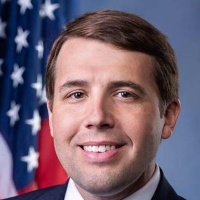
Chris Pappas
Representative
NH
Chris Pappas
Representative
NH
The GUARD VA Benefits Act establishes criminal penalties for individuals who charge veterans unauthorized fees for assisting with claims for benefits administered by the Department of Veterans Affairs. This legislation amends existing law to prohibit soliciting, contracting for, or receiving compensation for preparing or prosecuting VA benefit claims, except where explicitly authorized by other statutes.
This bill regulates large capacity ammunition feeding devices, making it illegal to import, sell, manufacture, transfer, or possess them, with certain exceptions for law enforcement and other entities, and allows for Byrne grants to be used for buy-back programs.

Diana DeGette
Representative
CO
Diana DeGette
Representative
CO
The "Keep Americans Safe Act" aims to regulate large capacity ammunition feeding devices by making it illegal to import, sell, manufacture, transfer, or possess magazines holding more than 15 rounds, with exceptions for law enforcement, government entities, and devices lawfully possessed before the law's enactment. It also permits the use of Byrne grants for buy-back programs of these devices and mandates that newly manufactured devices be marked with identifying information. Violators of this Act will face penalties under existing provisions of Title 18 of the U.S. Code.
The "Protect Veteran Jobs Act" allows wrongly terminated veteran civil service employees to be reinstated and requires executive agencies to report to Congress on veteran employee terminations.
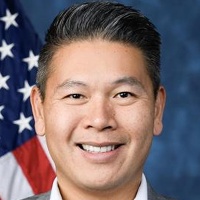
Derek Tran
Representative
CA
Derek Tran
Representative
CA
The Protect Veteran Jobs Act allows wrongly fired or dismissed veterans in civil service jobs between January 20, 2025, and the Act's enactment date to be reinstated to their previous position or a similar one. It mandates executive branch agencies to report to Congress every three months on all veteran employees who were fired or dismissed and the reasons for their termination, effective until January 20, 2029. The Act relies on existing U.S. Code definitions for key terms like "veteran" and "civil service."
This resolution condemns the Iranian regime’s terrorism and human rights abuses while affirming support for the Iranian people’s right to establish a democratic, secular, and non-nuclear republic.

Tom McClintock
Representative
CA
Tom McClintock
Representative
CA
This resolution condemns the Iranian regime for its ongoing human rights abuses, state-sponsored terrorism, and regional instability. It expresses strong support for the Iranian people's struggle for a democratic, secular, and non-nuclear republic. Furthermore, the bill advocates for international accountability for the regime's crimes and calls for the protection of Iranian political refugees.
The American Dream and Promise Act of 2025 provides a pathway to permanent residency for eligible individuals who came to the U.S. as children, or who have Temporary Protected Status (TPS) or Deferred Enforced Departure (DED) status.
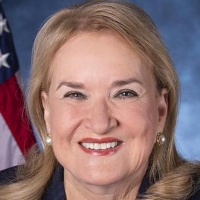
Sylvia Garcia
Representative
TX
Sylvia Garcia
Representative
TX
The American Dream and Promise Act of 2025 provides a pathway to permanent residency for eligible individuals who entered the United States as children and those with Temporary Protected Status (TPS) or Deferred Enforced Departure (DED). Title I, the Dream Act of 2025, establishes conditional permanent residency for eligible individuals who entered the U.S. as children. Title II, the American Promise Act of 2025, allows the Secretary of Homeland Security or the Attorney General to grant permanent resident status to eligible individuals from TPS or DED countries. Title III outlines general provisions, such as background checks, application processes, and fee exemptions, applicable to all seeking to adjust their status under this Act.
Ethan's Law establishes federal penalties for improperly storing firearms where minors or prohibited persons can access them and creates grant programs to incentivize states to adopt matching safe storage laws.

Rosa DeLauro
Representative
CT
Rosa DeLauro
Representative
CT
Ethan's Law establishes federal requirements for the secure storage of firearms to prevent unauthorized access by minors and prohibited persons, making improper storage a civil violation with escalating penalties if injury or death results. The bill also creates a federal grant program to incentivize states and Tribes to adopt matching safe storage laws. Furthermore, Congress declares that failing to comply with these storage requirements constitutes negligence and may be considered the direct cause of resulting firearm injuries.
This bill amends the law to grant non-unionized Postal Service employees in specific supervisory, professional, technical, clerical, administrative, or managerial roles the right to appeal certain employment decisions to the Merit Systems Protection Board.

Gerald Connolly
Representative
VA
Gerald Connolly
Representative
VA
The Postal Employee Appeal Rights Amendment Act of 2025 updates which non-unionized Postal Service employees can appeal certain employment decisions to the Merit Systems Protection Board (MSPB). Specifically, it grants this appeal right to supervisory, professional, technical, clerical, administrative, or managerial employees under the Executive and Administrative Schedule who are not covered by a collective bargaining unit. This legislation clarifies the scope of appeal rights for certain non-bargaining unit personnel within the Postal Service.
This resolution designates February 24–28, 2025, as "Public Schools Week" to celebrate the vital role of public education and advocate for the continued support and funding of our nation's schools.
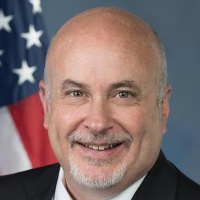
Mark Pocan
Representative
WI
Mark Pocan
Representative
WI
This resolution designates February 24–28, 2025, as "Public Schools Week" to celebrate the vital role public education plays in preparing students for the future. It reaffirms the commitment to providing every child with a high-quality, inclusive, and well-funded learning environment. Additionally, the bill calls on lawmakers to prioritize equitable resources and support services to ensure student success.
The LEASH DOGE Act mandates transparency and oversight of the Department of Government Efficiency (DOGE) by requiring detailed reports on employees, activities, and funding changes, with restrictions on fund usage for non-compliance.
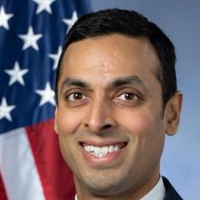
Suhas Subramanyam
Representative
VA
Suhas Subramanyam
Representative
VA
The LEASH DOGE Act mandates transparency and oversight of the Department of Government Efficiency (DOGE) by requiring detailed reports on employees, activities, and potential conflicts of interest to be submitted to Congress and made public. It sets a deadline of March 31, 2025, for DOGE to comply with these requirements, or face restrictions on the use of funds, including those allocated to DOGE Agency Teams. This act ensures accountability and provides the public with accessible information regarding DOGE's operations and impact on government programs.
The Federal Retirement Fairness Act allows temporary employees' service after 1988 to count toward retirement benefits under the Federal Employees Retirement System.
Gerald Connolly
Representative
VA
Gerald Connolly
Representative
VA
The Federal Retirement Fairness Act amends title 5 of the United States Code, allowing civilian service in a temporary position after December 31, 1988, to be creditable under the Federal Employees Retirement System. This change applies to current employees and Members of the United States Postal Service, and requires the Office of Personnel Management to notify eligible individuals and issue implementing regulations.
Ensures Coast Guard members receive pay and benefits during funding lapses, comparable to other armed forces, by providing continued funding for salaries, benefits, and essential services.
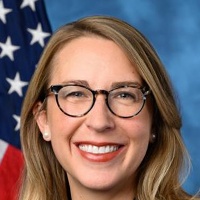
Hillary Scholten
Representative
MI
Hillary Scholten
Representative
MI
The "Pay Our Coast Guard Parity Act of 2025" ensures that Coast Guard members receive equitable pay and benefits compared to other branches of the Armed Forces. During a Coast Guard-specific funding lapse, the bill guarantees continued pay for Coast Guard military members, qualified civilian and contract employees, death gratuities, funeral travel, and basic housing allowance for dependents of Coast Guard members who die on active duty. This funding continues as long as Department of Defense funding is available, up to two weeks after a Coast Guard-specific funding lapse begins. The bill affirms the Coast Guard as a military service and aims to provide financial security to its members during funding uncertainties.
The Accountability in Government Efficiency Act mandates a report from the Comptroller General to Congress analyzing the impact and legal compliance of the Department of Government Efficiency's actions by December 31, 2025.
Suhas Subramanyam
Representative
VA
Suhas Subramanyam
Representative
VA
The Accountability in Government Efficiency Act requires the Comptroller General of the United States to report to Congress on the actions taken by the Department of Government Efficiency. This report will analyze the effects of the Department's actions on the long-term financial, public health, and safety interests of the United States, as well as the Department's compliance with certain sections of title 5, United States Code. The report must be submitted to Congress by December 31, 2025.
The Public Safety Employer-Employee Cooperation Act establishes collective bargaining rights for public safety officers nationwide, ensuring fair labor practices and cooperation between employers and employees.
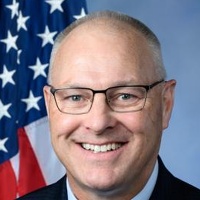
Pete Stauber
Representative
MN
Pete Stauber
Representative
MN
The Public Safety Employer-Employee Cooperation Act establishes a framework for collective bargaining rights for public safety officers (law enforcement, firefighters, and emergency medical services personnel) at the state level. It directs the Federal Labor Relations Authority to determine if states substantially protect these rights, and if not, the Authority will establish collective bargaining procedures. The Act aims to promote cooperation between public safety employers and employees while respecting existing state laws and prohibiting strikes and lockouts. This law does not override state laws that provide similar or stronger protections for public safety officers.
This bill expands and codifies the Department of Agriculture's Rural Health Care Facility Technical Assistance Program to improve the financial stability and healthcare delivery in rural facilities.
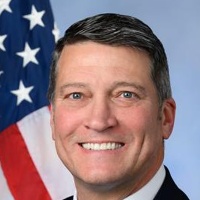
Ronny Jackson
Representative
TX
Ronny Jackson
Representative
TX
The Rural Health Care Facility Technical Assistance Program Act expands and codifies a Department of Agriculture program to provide technical assistance and training to rural health care facilities. This program aims to improve financial stability, prevent closures, and strengthen health care delivery in rural areas. The Act authorizes up to $2,000,000 annually from 2026-2030 for these activities and requires annual reports to Congress. It prioritizes outreach to facilities at risk and those serving underserved populations.
This bill amends the Civilian Health and Medical Program of the Department of Veterans Affairs (CHAMPVA) to extend eligibility for medical care to children until their 26th birthday, regardless of marital status.
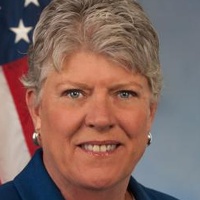
Julia Brownley
Representative
CA
Julia Brownley
Representative
CA
The CHAMPVA Children's Care Protection Act of 2025 amends the eligibility requirements for the Civilian Health and Medical Program of the Department of Veterans Affairs (CHAMPVA). This act increases the maximum age for eligible children to receive medical care under the program to 26 years old, regardless of their marital status. This change does not affect benefits for children incapable of self-support and takes effect for medical care provided on or after the enactment of this act.
The Secure Rural Schools Reauthorization Act of 2025 extends federal funding and program authorities for states and counties containing national forest land through 2026.
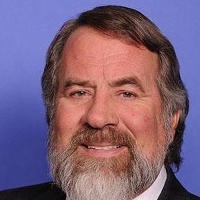
Doug LaMalfa
Representative
CA
Doug LaMalfa
Representative
CA
The Secure Rural Schools Reauthorization Act of 2025 extends critical federal funding for states and counties containing national forest land through 2026. This legislation ensures the continuation of essential community services and maintains the authority for resource advisory committees and local special projects.
The "Ending DOGE Conflicts Act" mandates financial disclosures for special government employees who own or lead companies contracting with the federal government, ensuring transparency and preventing conflicts of interest.
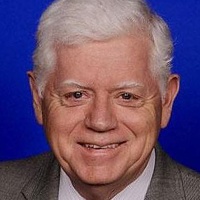
John Larson
Representative
CT
John Larson
Representative
CT
The "Ending DOGE Conflicts Act" mandates that special government employees with financial ties to companies contracting with the federal government must adhere to strict financial disclosure requirements. It requires the Director of the Office of Government Ethics to certify these employees' financial reports and prohibits them from performing official duties until compliance is confirmed.
The "PSA Screening for HIM Act" ensures that high-risk men, including African-American men and those with a family history of prostate cancer, have access to prostate cancer screenings without cost-sharing under group health plans and insurance coverage.
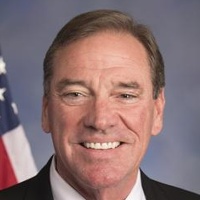
Neal Dunn
Representative
FL
Neal Dunn
Representative
FL
The "PSA Screening for HIM Act" aims to improve early detection of prostate cancer by requiring group health plans and health insurance issuers to cover prostate cancer screenings without cost-sharing for high-risk men aged 40 and over, including African-American men and those with a family history of the disease. This coverage mandate ensures that high-risk individuals have access to potentially life-saving screenings, aligning with the goal of reducing prostate cancer-related deaths and improving treatment outcomes. The Act defines "men with a family history of prostate cancer" as those with a first-degree relative with prostate cancer, associated cancers, or genetic alterations linked to increased risk. This provision is set to take effect for plan years starting on or after January 1, 2026.
This resolution expresses Congressional opposition to imposing new performance fees or royalties on local radio stations and businesses for broadcasting or playing music.
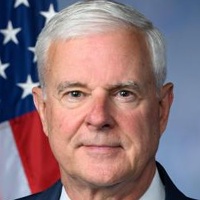
Steve Womack
Representative
AR
Steve Womack
Representative
AR
The Local Radio Freedom Act expresses Congressional opposition to imposing new performance fees, taxes, or royalties on local radio stations and businesses for playing music. It argues that the current system of free airplay provides essential promotional value to artists and that new fees would threaten the financial viability of local broadcasters and the vital community services they provide.