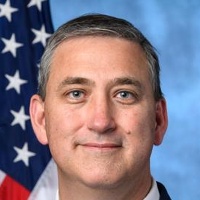
Legislative Activity
Track Nathaniel's sponsored bills, co-sponsored legislation, and voting record
This act establishes a dedicated unit within the Department of Justice to enhance the investigation and prosecution of international trade-related crimes, such as smuggling, money laundering, and duty evasion.
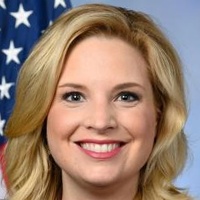
Ashley Hinson
Representative
IA
Ashley Hinson
Representative
IA
The Protecting American Industry and Labor from International Trade Crimes Act of 2026 establishes a dedicated unit within the Department of Justice to investigate and prosecute criminal trade activities, such as smuggling, duty evasion, and trade-based money laundering. This legislation aims to bolster enforcement capacity through increased staffing, interagency collaboration, and the development of multi-jurisdictional responses. Additionally, it mandates annual reporting to Congress to ensure transparency and accountability in the government's efforts to protect American industry and labor.
This bill directs the Department of Defense to establish a centralized, non-punitive program for reporting, analyzing, and remediating incidents and vulnerabilities in artificial intelligence systems to improve their safety, security, and reliability.
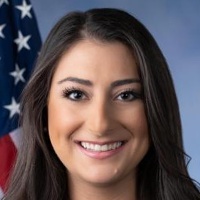
Sara Jacobs
Representative
CA
Sara Jacobs
Representative
CA
The Defense AI Reliability and Reporting Act directs the Department of Defense to establish a centralized, non-punitive program for reporting and remediating artificial intelligence incidents and vulnerabilities. This initiative aims to identify systemic risks and improve the safety, security, and operational effectiveness of AI systems across the military. The bill also mandates annual reporting to Congress to ensure transparency and accountability regarding AI performance and corrective actions.
This resolution honors the life and historic congressional legacy of the Honorable Kay Granger, recognizing her trailblazing service as a Representative from Texas and her dedicated contributions to national defense and the city of Fort Worth.
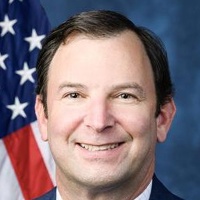
Craig Goldman
Representative
TX
Craig Goldman
Representative
TX
This resolution honors the life and legacy of the Honorable Kay Granger, celebrating her nearly 28 years of service in the U.S. House of Representatives. It recognizes her historic achievements as a trailblazer for women in public office, her dedicated advocacy for national defense, and her lasting contributions to the city of Fort Worth, Texas.
This legislation imposes comprehensive economic, financial, and energy sanctions on the Russian Federation while extending the Iran Sanctions Act of 1996 through 2031.
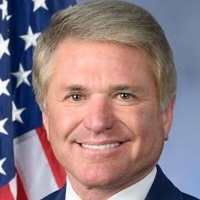
Michael McCaul
Representative
TX
Michael McCaul
Representative
TX
The Lindsey O. Graham Sanctioning Russia and Iran Act of 2026 imposes sweeping economic, financial, and energy sanctions on the Russian Federation to counter its war efforts and support for global instability. Additionally, the bill extends the Iran Sanctions Act of 1996 through 2031 to maintain continued pressure on the Iranian regime. Together, these measures aim to isolate adversarial actors through targeted financial restrictions, trade barriers, and enhanced oversight.
The AI Kill Switch Act mandates that large-scale AI developers implement technical shutdown capabilities and establishes a federal framework for emergency intervention to mitigate risks posed by high-impact artificial intelligence systems.
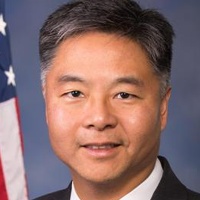
Ted Lieu
Representative
CA
Ted Lieu
Representative
CA
The AI Kill Switch Act mandates that developers of large-scale, high-cost AI systems maintain technical capabilities to restrict or completely shut down their technology in the event of a serious safety incident. It empowers the Department of Homeland Security to issue emergency orders and enforce compliance through significant civil penalties to mitigate risks such as loss-of-control scenarios. This legislation establishes a graduated framework for oversight, ensuring that powerful AI models can be effectively neutralized if they pose a threat to national security or public safety.
The Shipbuilding Investment and Workforce Act establishes "maritime prosperity zones" to provide tax incentives for investments in projects that support the construction, repair, and operation of shipyards, ports, and vessels.
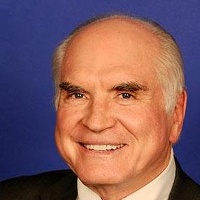
Mike Kelly
Representative
PA
Mike Kelly
Representative
PA
The Shipbuilding Investment and Workforce Act establishes "maritime prosperity zones" to incentivize long-term investment in the domestic maritime industry. By designating up to 100 census tracts as qualified opportunity zones, the bill provides targeted tax benefits for businesses and investors focused on the construction, repair, and support of shipyards and vessels.
This bill provides a limited antitrust exemption to allow non-federal entities to collaborate on identifying and mitigating critical artificial intelligence security risks.
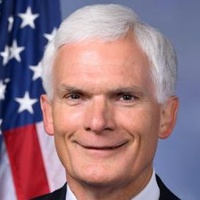
Robert Latta
Representative
OH
Robert Latta
Representative
OH
The Collaboration on Adversarial Threats and Security Risks Act creates a limited antitrust exemption to allow non-federal entities to collaborate on critical artificial intelligence security matters. This legislation enables companies to share information and coordinate efforts to mitigate national security risks, such as the weaponization or unauthorized access of AI systems. While facilitating these security partnerships, the Act maintains strict safeguards to prevent anti-competitive behavior and grants the Attorney General authority to intervene if collaborations threaten market integrity or fail to improve security.
The Fair Treatment of Religious Organizations Act of 2026 protects the tax-exempt status of religious organizations by ensuring their beliefs regarding marriage, sexuality, and gender identity are not deemed inconsistent with public policy.
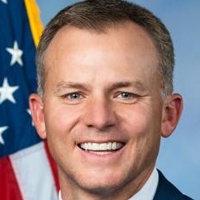
Blake Moore
Representative
UT
Blake Moore
Representative
UT
The Fair Treatment of Religious Organizations Act of 2026 protects the tax-exempt status of religious organizations by ensuring their beliefs regarding marriage, sexuality, and gender identity are not deemed inconsistent with public policy. Additionally, it clarifies that religious beliefs do not need to be central to a specific faith system to qualify for tax-exempt recognition.
The Wildfire Reduction Market Expansion Act of 2026 amends the Clean Air Act to expand the definition of "renewable biomass," incentivizing the use of forest management by-products and wildfire risk-reduction materials for renewable energy.
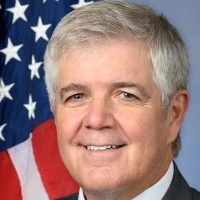
Cliff Bentz
Representative
OR
Cliff Bentz
Representative
OR
The Wildfire Reduction Market Expansion Act of 2026 amends the Clean Air Act to broaden the definition of "renewable biomass." By including forest manufacturing by-products, wildfire risk-reduction materials, and vegetation from defensible spaces, the bill incentivizes the removal of hazardous fuels from public and private lands. This legislation streamlines the certification process to support sustainable forest management and expand the market for renewable energy feedstocks.
The National Security Interstate Pipeline Act establishes an expedited federal approval process for interstate oil and natural gas pipelines designated as critical to national security, streamlining permitting and preempting state and local regulations.
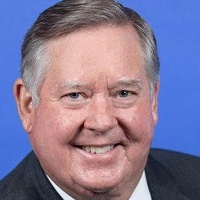
Ken Calvert
Representative
CA
Ken Calvert
Representative
CA
The National Security Interstate Pipeline Act establishes an expedited federal approval process for oil and natural gas pipelines designated by the President as essential to national security. The bill streamlines permitting by granting the Federal Energy Regulatory Commission exclusive authority, imposing strict deadlines for agency reviews, and preempting state and local regulations. Additionally, it authorizes the use of eminent domain for project development and allows the President to waive certain environmental laws to prevent project delays.
This bill clarifies that a franchisor is only considered a joint employer of a franchisee's workers if it exercises substantial, direct, and immediate control over essential terms of employment.
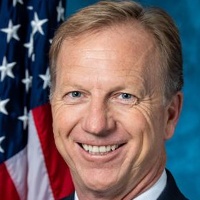
Kevin Hern
Representative
OK
Kevin Hern
Representative
OK
The American Franchise Act aims to protect the traditional franchise business model by clarifying the definition of a "joint employer." This legislation establishes that a franchisor is only considered a joint employer if it exercises "substantial direct and immediate control" over the essential terms of employment for a franchisee's workers. This change specifically targets liability risks associated with maintaining brand standards, ensuring franchisors are not automatically held responsible for local labor practices. The new standard applies prospectively to future legal proceedings.
This act amends Title IX to explicitly define "sex," "female," and "male" based on biological characteristics.
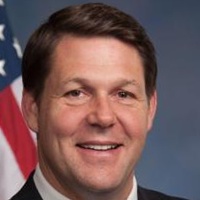
Jodey Arrington
Representative
TX
Jodey Arrington
Representative
TX
The Title IX Clarification Act of 2026 amends Title IX to explicitly define "sex," "female," and "male" based on an individual's biologically determined sex and reproductive system. This legislation clarifies the scope of sex-based protections under federal education law. The changes take effect immediately upon enactment.
This bill mandates electronic prior authorization, increases transparency through required data reporting, and establishes faster decision timelines for Medicare Advantage plans to improve timely access to care for seniors.
Mike Kelly
Representative
PA
Mike Kelly
Representative
PA
The Improving Seniors’ Timely Access to Care Act of 2025 aims to streamline and modernize the prior authorization process within Medicare Advantage plans. This bill mandates the adoption of electronic prior authorization systems and significantly increases transparency regarding approval rates and decision times starting in 2027. Furthermore, it establishes new enrollee protections and grants the Secretary authority to enforce faster decision timeframes for medical services.
This resolution honors the public service of the late Senator Lindsey Graham, condemns Omar Suleiman for celebrating his death, and supports efforts to address the incompatibility of Sharia Law with American constitutional principles.
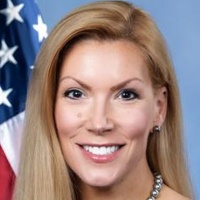
Beth Van Duyne
Representative
TX
Beth Van Duyne
Representative
TX
This resolution honors the life and public service of the late Senator Lindsey Graham while formally condemning Omar Suleiman for his public remarks celebrating the Senator's death. Additionally, the bill acknowledges Suleiman’s 2019 invitation to serve as a Guest Chaplain in the U.S. House and reaffirms support for efforts to address the perceived dangers of Sharia Law to American constitutional principles.
This Act prohibits payment card networks and processors from assigning specific merchant category codes to identify firearms retailers, protecting the privacy of firearm and ammunition purchases.
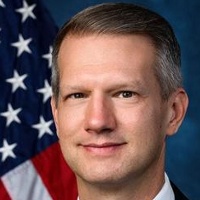
Riley Moore
Representative
WV
Riley Moore
Representative
WV
The Protecting Privacy in Purchases Act prohibits payment card networks and processors from assigning specific merchant category codes to firearms retailers. This legislation aims to protect consumer privacy by preventing the tracking of firearm and ammunition purchases through specialized financial classification. The Attorney General is tasked with enforcing these provisions and reporting annually on compliance.
The Clarity for Compensation Act amends the Securities Exchange Act of 1934 to allow registered representatives to receive compensation through personal services entities without those entities being classified as brokers.
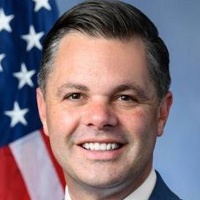
Zachary (Zach) Nunn
Representative
IA
Zachary (Zach) Nunn
Representative
IA
The Clarity for Compensation Act amends the Securities Exchange Act of 1934 to allow registered representatives to receive compensation through personal services entities without those entities being classified as brokers. This legislation establishes clear regulatory guardrails, including strict oversight, supervision, and liability requirements, to ensure these entities remain accountable for securities-related activities.
This act mandates that public colleges and universities receiving federal funds must grant religious student groups the same rights, benefits, and privileges as all other student organizations on campus.
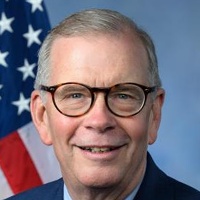
Tim Walberg
Representative
MI
Tim Walberg
Representative
MI
The Equal Campus Access Act of 2025 ensures that public colleges and universities receiving federal funding must grant religious student groups the same rights, benefits, and privileges afforded to all other student organizations. This legislation prohibits discrimination against religious groups based on their beliefs, speech, leadership, or standards of conduct. Essentially, it mandates equal access to campus resources for all student organizations.
This bill renames and revises the Great American Outdoors Act's maintenance fund, increases dedicated funding through new, higher fees for foreign visitors, and sets spending priorities for deferred maintenance across public lands agencies.
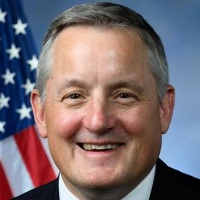
Bruce Westerman
Representative
AR
Bruce Westerman
Representative
AR
This bill, the Great American Outdoors Act 250, significantly reforms and renames the existing public lands restoration fund to the America’s Legacy Restoration Fund. It secures dedicated funding streams, primarily from energy revenues and new fees on foreign visitors, to address critical deferred maintenance across the National Park Service, Forest Service, and other public land agencies. The legislation establishes strict spending priorities for infrastructure repair while also creating pilot programs for enhancing outdoor recreation and sportsmen's access. Finally, it mandates increased transparency and accountability through standardized metrics and public reporting on all funded projects.
This act mandates that health insurers and Medicare Advantage plans publicly disclose detailed breakdowns of how premium dollars are spent and requires standardized, plain-English summaries of plan benefits.
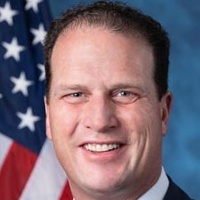
August Pfluger
Representative
TX
August Pfluger
Representative
TX
The Premium Transparency Act mandates that health insurers and Medicare Advantage plans publicly disclose detailed breakdowns of how they spend premium dollars, starting in 2027. This aims to increase accountability by requiring clear reporting on costs for clinical services, quality improvement, and retained overhead. Furthermore, the bill requires health insurance Exchanges to display this spending information when comparing plans and directs the HHS Secretary to create plain-English standards for benefit summaries.
The Small Business and Consumer Credit Act of 2026 allows specified financial institutions to extend net operating loss carryback and carryforward periods to better manage taxable income.
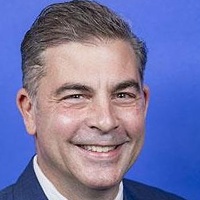
Mike Carey
Representative
OH
Mike Carey
Representative
OH
The Small Business and Consumer Credit Act of 2026 provides financial relief to specific banking institutions by allowing them to extend the carryback and carryforward periods for net operating losses. This measure enables eligible banks to better manage their taxable income by applying losses against profits from different tax years. These provisions apply to losses incurred in taxable years beginning after December 31, 2026.