Legislative Activity
Track Seth's sponsored bills, co-sponsored legislation, and voting record
This act establishes a new, potentially transferable, refundable tax credit of up to $15,000 for first-time homebuyers, subject to income, price limits, and a four-year recapture provision.
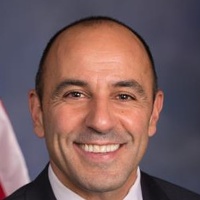
Jimmy Panetta
Representative
CA
Jimmy Panetta
Representative
CA
The First-Time Homebuyer Tax Credit Act of 2025 establishes a new, refundable tax credit for eligible first-time homebuyers, equal to 10% of the purchase price, up to a maximum of $15,000. This credit is subject to income and home price phase-outs based on local median figures. Homebuyers may elect to transfer this credit directly to their mortgage lender at closing in exchange for immediate cash. The bill also includes recapture provisions requiring repayment if the home is sold within four years.
This Act prohibits the imposition or continuation of any duties on essential baby sleep items, such as cribs, mattresses, and monitors, enacted under the International Emergency Economic Powers Act.
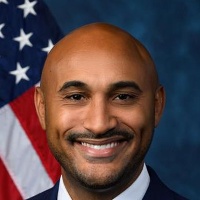
Shomari Figures
Representative
AL
Shomari Figures
Representative
AL
The Baby Sleep Tax Relief Act prohibits the President from imposing new or continuing existing duties on essential baby sleep items, such as cribs, mattresses, and monitors, under the authority of the International Emergency Economic Powers Act (IEEPA). This legislation ensures that these necessary items are not subject to additional tariffs imposed through that specific executive power.
This bill establishes a federal grant program to help low-income households pay for their drinking water and sewer services.
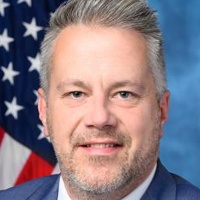
Eric Sorensen
Representative
IL
Eric Sorensen
Representative
IL
This bill establishes the Low-Income Household Water Assistance Program to provide grants to states and tribes. These funds will help public water systems cover the water and sewer bills for eligible low-income households. The program aims to supplement existing aid by assisting families whose income is at or below 150% of the poverty level or 60% of the state median income. Funding is authorized at $500 million annually from fiscal years 2026 through 2030.
This Act prohibits the imposition or continuation of any duties on specific baby and educational toy items under the authority of the International Emergency Economic Powers Act or any similar authority.
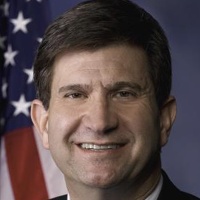
Bradley Schneider
Representative
IL
Bradley Schneider
Representative
IL
The Educational Toy Tax Relief Act prohibits the President from imposing or continuing any duties (taxes) on specific baby and toddler items, such as educational toys, playpens, and tricycles, under the authority of the International Emergency Economic Powers Act (IEEPA). This legislation immediately ends any existing or previously imposed similar duties on these products. The goal is to provide tax relief for essential items designed for children under three years old.
This Act prohibits the imposition or continuation of any duties on specified baby clothing items under the authority of the International Emergency Economic Powers Act (IEEPA) or similar legal authorities.
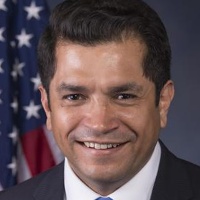
Jimmy Gomez
Representative
CA
Jimmy Gomez
Representative
CA
The Baby Clothing Tax Relief Act prohibits the President from imposing new or continuing existing duties on specific baby clothing items using the authority granted under the International Emergency Economic Powers Act (IEEPA). This legislation specifically protects a defined list of essential baby apparel, such as onesies, socks, and hats, from these types of emergency economic taxes. The goal is to prevent tariffs on these necessary goods.
This act prohibits the imposition or continuation of emergency-related import duties on essential baby safety items, including strollers, car seats, and baby carriers.
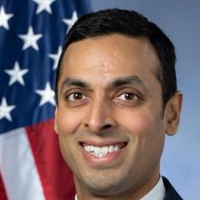
Suhas Subramanyam
Representative
VA
Suhas Subramanyam
Representative
VA
The Baby Safety Tax Relief Act prohibits the President from imposing or continuing any special import duties on essential baby safety items, including strollers, car seats, and baby carriers. This law specifically blocks the use of emergency powers, like the International Emergency Economic Powers Act (IEEPA), to tax these necessary goods. The goal is to ensure these critical items remain affordable by preventing new or existing emergency-related tariffs.
This Act prohibits the imposition or continuation of emergency import duties on essential baby hygiene items like diapers, wipes, and baby soap.
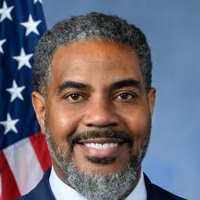
Steven Horsford
Representative
NV
Steven Horsford
Representative
NV
The Baby Hygiene Tax Relief Act prohibits the President from imposing new or continuing existing import duties on essential baby hygiene items, such as diapers and wipes, under the authority of the International Emergency Economic Powers Act (IEEPA). This legislation ensures that these necessary products are not subject to emergency-related tariffs. Furthermore, it nullifies any similar taxes imposed using alternative legal authorities.
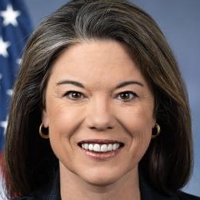
The Supporting Apprenticeship Colleges Act of 2025 establishes grant programs to boost outreach for construction and manufacturing apprenticeships and to fund academic advising and student support services for apprentices in those fields.
Angie Craig
Representative
MN
Angie Craig
Representative
MN
The Supporting Apprenticeship Colleges Act of 2025 establishes two grant programs totaling \$10 million annually to boost construction and manufacturing apprenticeships. The first program funds community outreach to recruit students and connect programs with local employers, particularly in rural areas. The second program provides funds for expanded academic advising and student support services to improve program retention and completion rates. The Act also formally defines specialized apprenticeship colleges and sets reporting requirements for grant recipients.
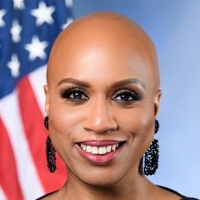
The EACH Act of 2025 mandates that all federally funded health programs and facilities must cover and provide abortion services, while also prohibiting federal interference with private insurance coverage.
Ayanna Pressley
Representative
MA
Ayanna Pressley
Representative
MA
The EACH Act of 2025 aims to ensure equal access to abortion coverage by requiring all federally funded health programs and facilities to cover abortion services. This legislation prohibits federal interference with state or private insurance coverage of abortion and repeals Section 1303 of the Affordable Care Act. Ultimately, the bill seeks to eliminate financial and insurance barriers to abortion care, particularly for low-income individuals relying on programs like Medicaid.
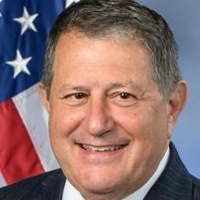
This constitutional amendment prohibits immunity from criminal prosecution for federal officials based on their official duties and bars the President from self-pardoning.
Joseph Morelle
Representative
NY
Joseph Morelle
Representative
NY
This proposed constitutional amendment would eliminate immunity from criminal prosecution for federal officials, including the President, based on their official duties. It also explicitly prohibits the President from issuing a self-pardon for any federal crimes. If ratified, these changes would take effect immediately.
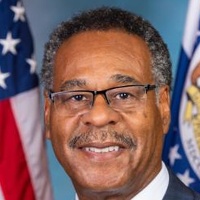
This bill requires the EPA to obtain a rapid evidence review from the National Academies of Sciences, Engineering, and Medicine before setting or changing the national safety limits for fluoride in drinking water.
Emanuel Cleaver
Representative
MO
Emanuel Cleaver
Representative
MO
The Protect Our TEETH Act mandates that the Environmental Protection Agency (EPA) must seek a rapid evidence review from the National Academies of Sciences, Engineering, and Medicine before proposing new national safety limits for fluoride in drinking water. The EPA must consider the findings of this review when finalizing any rule changes. This ensures a transparent, expert-backed assessment informs decisions regarding public water fluoridation standards.
This bill places a temporary moratorium on the closure or restriction of access to National Oceanic and Atmospheric Administration (NOAA) facilities until 180 days after a required justification report is submitted to Congress.
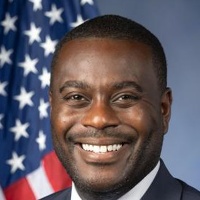
Gabe Amo
Representative
RI
Gabe Amo
Representative
RI
The Stop NOAA Closures Act places a temporary moratorium on the closure or restriction of access to any National Oceanic and Atmospheric Administration (NOAA) facilities. This freeze remains in effect until 180 days after key officials submit a required report to Congress detailing the criteria and process for any future facility changes. After the moratorium lifts, any major facility action will still require a 30-day advance notice and justification report to Congress, except in cases of immediate emergency threatening staff safety.
This Act mandates federal standards requiring employers to implement comprehensive heat illness and injury prevention programs to protect workers from dangerous heat stress.
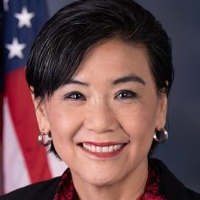
Judy Chu
Representative
CA
Judy Chu
Representative
CA
The Asunción Valdivia Heat Illness, Injury, and Fatality Prevention Act of 2025 mandates that employers protect workers from dangerous heat stress by establishing comprehensive safety standards. This Act requires the Secretary of Labor to create evidence-based rules covering engineering controls, administrative procedures, required training, and paid rest breaks to prevent heat-related illness. Furthermore, the law establishes strict enforcement mechanisms, whistleblower protections, and specific timelines for the implementation of these new federal heat protection standards.
This bill establishes strict limits and reporting requirements for donations made to Presidential Libraries and Centers, particularly targeting lobbyists, federal contractors, and foreign nationals while a president is in or recently out of office.
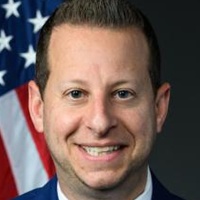
Jared Moskowitz
Representative
FL
Jared Moskowitz
Representative
FL
This bill amends federal law to establish strict limits and reporting requirements for donations made to Presidential Libraries and Centers. It prohibits certain restricted entities, such as lobbyists and federal contractors, from donating while a President is in office or for two years after they leave. The legislation also imposes an aggregate $10,000 lifetime donation cap per person and mandates public disclosure of all significant contributions.
This comprehensive act establishes federal entitlements and grants to ensure access to affordable, high-quality child care and universal preschool for young children while significantly increasing compensation for early childhood educators.
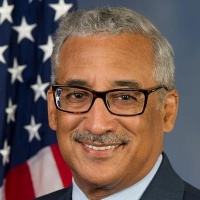
Robert Scott
Representative
VA
Robert Scott
Representative
VA
The Child Care for Working Families Act establishes comprehensive federal programs to ensure access to high-quality, affordable child care and universal preschool for young children. The legislation creates an entitlement program for child care, mandates that provider reimbursement rates cover actual costs and ensure living wages for staff, and establishes free, universal preschool for 3- and 4-year-olds. Additionally, it provides dedicated funding to stabilize childcare providers and extend the operating hours and compensation for Head Start staff.
This Act extends funding allocation rules for sport fish restoration, removes spending caps for the Interstate Fisheries Commission, prioritizes alternative fuel infrastructure for recreational boating, and reduces the excise tax on portable, electronically-aerated bait containers.
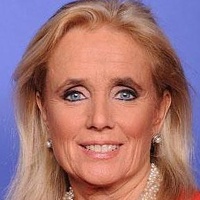
Debbie Dingell
Representative
MI
Debbie Dingell
Representative
MI
The Sport Fish Restoration, Recreational Boating Safety, and Wildlife Restoration Act of 2025 extends the timeline for current Sport Fish Restoration funding allocation rules until 2031 and removes the spending cap for Interstate Fisheries Commission activities. The bill also updates boating infrastructure priorities to specifically include funding for alternative marine fuel facilities for larger vessels. Finally, it significantly reduces the federal excise tax rate on portable, electronically-aerated bait containers from 10 percent to 3 percent.
This Act establishes federal funding for research, state grants, and public awareness campaigns aimed at improving the early detection, intervention, and treatment of uterine fibroids.
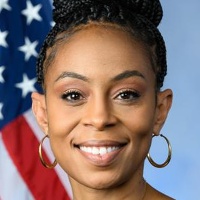
Shontel Brown
Representative
OH
Shontel Brown
Representative
OH
The Uterine Fibroid Intervention and Gynecological Health Treatment Act of 2025 aims to improve the detection and treatment of uterine fibroids. It mandates federal research to develop evidence-based early detection strategies and establishes grant programs for states to fund screening, education, and intervention services, prioritizing vulnerable populations. Furthermore, the bill allocates funding for research into pain management related to fibroid surgery and other uterine conditions.
This bill authorizes the creation and sale of commemorative coins for the 2028 Los Angeles and 2034 Salt Lake City Olympic and Paralympic Games to help fund the events, with all surcharges going to the respective organizing committees after covering production costs.
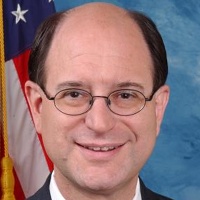
Brad Sherman
Representative
CA
Brad Sherman
Representative
CA
This Act authorizes the Secretary of the Treasury to mint and sell special commemorative coins for the 2028 Los Angeles Olympic and Paralympic Games and the 2034 Salt Lake City Winter Olympic and Paralympic Games. The coins will feature designs celebrating American athletes and the Games themselves. All surcharges collected from the sale of these coins will be directed to the respective organizing committees to help fund the events and related youth sports programs. The entire program must be conducted at no cost to the U.S. Government.
This Act establishes strict transparency and consent requirements for businesses using automatic renewals and free-to-paid trial conversions, empowering the FTC to enforce against deceptive practices like "dark patterns."
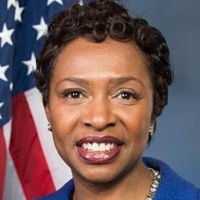
Yvette Clarke
Representative
NY
Yvette Clarke
Representative
NY
The Consumer Online Payment Transparency and Integrity Act establishes strict new rules for businesses using automatic renewals and free-to-paid trial conversions. It mandates clear upfront disclosures, requires express consent for annual renewals, and demands easy, comparable cancellation methods for consumers. The Federal Trade Commission is empowered to enforce these provisions, treating violations as unfair or deceptive practices and specifically targeting the use of "dark patterns."
This resolution expresses support for designating July 10th as Journeyman Lineworkers Recognition Day to honor the dangerous and essential service provided by these workers, especially during crises.
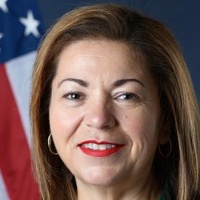
Linda Sánchez
Representative
CA
Linda Sánchez
Representative
CA
This resolution expresses support for designating July 10th as Journeyman Lineworkers Recognition Day. It honors the essential and dangerous work performed by these skilled professionals, especially their heroic efforts in restoring power after major disasters. The day serves to recognize their service and remember those who have lost their lives performing this vital work.