Legislative Activity
Track Rich's sponsored bills, co-sponsored legislation, and voting record
The Mikaela Naylon Give Kids a Chance Act primarily focuses on enhancing pediatric drug research, ensuring completion of pediatric study requirements, extending incentives for rare pediatric disease treatments, and making targeted updates to FDA and organ transplant network operations.
Michael McCaul
Representative
TX
Michael McCaul
Representative
TX
The Mikaela Naylon Give Kids a Chance Act focuses primarily on improving pediatric drug development and ensuring patient access to necessary treatments. This legislation mandates new research requirements for molecularly targeted pediatric cancer drugs, strengthens FDA enforcement of pediatric study completion, and extends incentives for developing drugs for rare pediatric diseases. Additionally, the bill updates organ transplant network functions and establishes an Abraham Accords Office within the FDA to enhance international regulatory cooperation.
The ROTOR Act mandates increased transparency for sensitive government flights by narrowing ADS-B exception rules, requires ADS-B In equipment on certain aircraft, and establishes safety reviews for military and civilian operations near major airports.
Robert Onder
Representative
MO
Robert Onder
Representative
MO
The ROTOR Act aims to enhance aviation safety and transparency, primarily by narrowing exceptions for disabling ADS-B tracking on government aircraft and mandating that aircraft equipped with ADS-B Out must also install ADS-B In technology. The bill further requires the FAA to conduct comprehensive safety reviews of military and civilian operations in complex airspace, such as around Reagan National Airport. Finally, it mandates formal agreements for the FAA and the Department of the Army to share critical aviation safety data.
This resolution expresses Congress's strong support for the enduring strategic partnership between the United States and India, emphasizing shared democratic values, defense cooperation, and mutual interests in the Indo-Pacific.
Ami Bera
Representative
CA
Ami Bera
Representative
CA
This resolution expresses the sense of Congress recognizing the strategic value of the long-standing partnership between the United States and India, founded on shared democratic values and mutual interests. It highlights the deep cooperation across defense, technology, counterterrorism, and economic ties. The bill encourages the expansion of this relationship to ensure a free and open Indo-Pacific.
This bill authorizes the posthumous award of a Congressional Gold Medal to Major Thomas D. Howie for his extraordinary heroism during the Battle of Normandy.
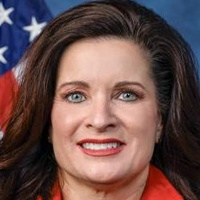
Sheri Biggs
Representative
SC
Sheri Biggs
Representative
SC
This bill authorizes the posthumous award of a Congressional Gold Medal to Major Thomas D. Howie for his extraordinary bravery and leadership during the Battle of Normandy. The medal will be presented to his next of kin before being permanently displayed at The Citadel Museum. The Treasury Secretary is also authorized to strike and sell bronze duplicates of the medal.
This resolution honors the service and sacrifice of America's veterans and reaffirms the nation's commitment to supporting them and their families.
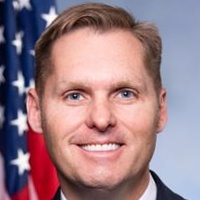
Michael Guest
Representative
MS
Michael Guest
Representative
MS
This resolution honors the service and sacrifice of America's veterans on Veterans Day, 2025, recognizing the history of the observance from Armistice Day. It affirms the nation's deep commitment to supporting the over 15 million veterans and their families. The resolution calls upon the public to observe Veterans Day and ensure veterans continue to receive the services they deserve.
This resolution expresses support for National Adoption Day and Month by promoting awareness, celebrating adoption, and encouraging the nation to secure safety and well-being for all children awaiting families.
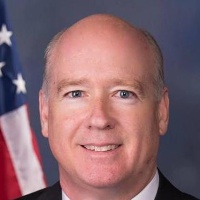
Robert Aderholt
Representative
AL
Robert Aderholt
Representative
AL
This resolution expresses support for National Adoption Day and Month by promoting national awareness of adoption and the children awaiting permanent families. It highlights the significant number of children in foster care waiting for adoption and encourages all Americans to consider providing a safe, permanent, and well-being-focused home for these children. The resolution supports various avenues for achieving permanency, including reunification, kinship care, and adoption.
This resolution commends President Trump for redesignating Nigeria as a Country of Particular Concern due to severe religious freedom violations and calls for specific U.S. policy actions, including aid conditioning and targeted sanctions.
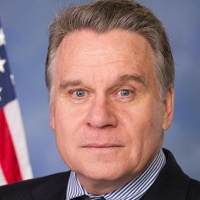
Christopher Smith
Representative
NJ
Christopher Smith
Representative
NJ
This resolution commends President Trump for redesignating Nigeria as a Country of Particular Concern due to severe and ongoing religious freedom violations. It details extensive violence against religious minorities, primarily Christians, by extremist groups and highlights the Nigerian government's failure to act. The bill calls for specific U.S. foreign policy actions, including conditioning aid and imposing targeted sanctions on responsible individuals and groups.
This bill ensures that essential firearm-related government operations, such as background checks and export license processing, continue during a government shutdown.

Ben Cline
Representative
VA
Ben Cline
Representative
VA
The Firearm Access During Shutdowns Act ensures that essential firearm-related government operations continue without interruption during a federal shutdown. This legislation specifically mandates the continuation of the FBI's NICS background check system and related processing at the ATF, Department of Commerce, and Department of State. By deeming these functions essential for protecting life and property, the bill prevents delays in firearm transfers and export licensing during lapses in appropriations.
This bill requires patent owners to consent to the filing of petitions for inter partes review or post-grant review.

Marcy Kaptur
Representative
OH
Marcy Kaptur
Representative
OH
The Balancing Incentives Act of 2025 amends patent law to require the owner of a patent to consent before a third party can file a petition for either an inter partes review or a post-grant review. This legislation introduces a new consent prerequisite for initiating these administrative patent challenge proceedings.
This resolution officially recognizes the religious and historical significance of the festival of Diwali for Indian-American communities across the United States.
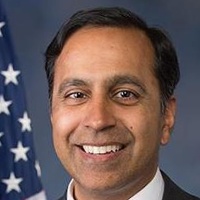
Raja Krishnamoorthi
Representative
IL
Raja Krishnamoorthi
Representative
IL
This resolution formally recognizes the significant religious and historical importance of the festival of Diwali to Indian-American communities across the nation. Congress acknowledges Diwali as the festival of lights, celebrated by Hindus, Sikhs, and Jains for its symbolism of knowledge, peace, and the triumph of good over evil. By passing this, the House expresses respect for the Indian diaspora and appreciates the strong partnership between the United States and India.
This Act reforms Medicare payment for skin substitute products starting in 2026 and enhances program integrity by targeting high-volume providers with increased scrutiny and potential prior authorization requirements.
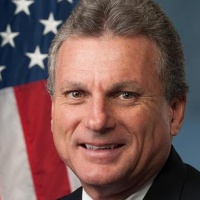
Earl Carter
Representative
GA
Earl Carter
Representative
GA
The Skin Substitute Access and Payment Reform Act establishes a new Medicare Part B payment system for advanced skin substitute products starting in 2026, basing initial payments on 2023 utilization data and subsequent annual updates tied to the Consumer Price Index. The bill also enhances program integrity by identifying high-volume providers for increased scrutiny, including prepayment reviews and mandatory prior authorization requirements starting in 2027. Furthermore, it mandates the creation of a single, consolidated billing code for all skin substitute products by 2026.
The SEIZE Act of 2025 authorizes the President to treat weapons seized en route from Iran to the Houthis as U.S. stock and transfer them to foreign allies, requiring regular reporting to Congress.
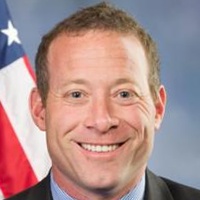
Josh Gottheimer
Representative
NJ
Josh Gottheimer
Representative
NJ
The SEIZE Act of 2025 authorizes the President to treat weapons and military materiel seized while being transferred from Iran to the Houthis in Yemen as U.S. stock. This allows the President to immediately transfer these seized items to foreign partners as security assistance. The Act also requires the President to report annually to Congress detailing the use of this new authority.
This Act mandates a three-notice system and public awareness campaign to ensure TRICARE beneficiaries are clearly informed about upcoming coverage transition requirements.
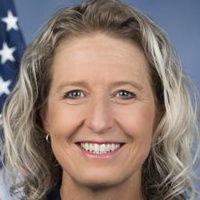
Jennifer Kiggans
Representative
VA
Jennifer Kiggans
Representative
VA
The TRICARE Transition Transparency Act of 2025 mandates that the Secretary of Defense provide TRICARE beneficiaries with proactive, multi-stage electronic notifications before coverage transition requirements take effect. This ensures beneficiaries are clearly informed about necessary actions, such as re-enrollment due to age limits. The Act also requires a public awareness campaign and annual reporting to Congress on the effectiveness of these notification efforts.
This resolution honors the life and legacy of Charles "Charlie" James Kirk, condemns his assassination as political violence, and calls for a renewed commitment to civil discourse and American founding principles.

Mike Johnson
Representative
LA
Mike Johnson
Representative
LA
This resolution honors the life and legacy of Charles "Charlie" James Kirk, founder of Turning Point USA. It strongly condemns his assassination as an act of political violence. The bill calls for a renewed national commitment to civil discourse and the founding principles of the United States.
This bill establishes the new H-2C nonimmigrant visa category to allow registered employers in low-unemployment areas to temporarily hire foreign workers for specific, registered positions.
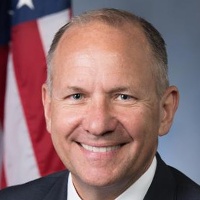
Lloyd Smucker
Representative
PA
Lloyd Smucker
Representative
PA
The Essential Workers for Economic Advancement Act establishes a new temporary visa category, H-2C, designed to allow registered employers in areas with low unemployment to hire foreign workers for specific, registered positions. This bill creates a comprehensive framework defining eligibility, setting numerical caps, and outlining strict requirements for both employers and workers to address labor shortages. It also includes provisions for worker protections, portability, and a mandatory study on the program's economic and social impact.
This resolution officially recognizes the 250th anniversary of the United States Navy, celebrating its history, global strength, and vital contributions to national security and diplomacy.
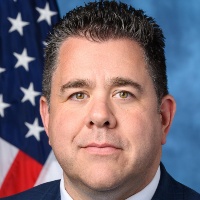
Nicolas LaLota
Representative
NY
Nicolas LaLota
Representative
NY
This resolution officially recognizes the 250th birthday of the United States Navy, celebrating its long history since the Continental Navy was established in 1775. Congress expresses deep gratitude for the bravery and dedication of all past and present Sailors who have defended the nation. The bill reaffirms the Navy's vital role in global security, humanitarian efforts, and maintaining American strength worldwide.
The Chloe Cole Act prohibits healthcare professionals from performing chemical or surgical mutilation on minors by linking the prohibition to interstate commerce and establishes a private right of action for victims to sue.
Robert Onder
Representative
MO
Robert Onder
Representative
MO
The Chloe Cole Act prohibits healthcare professionals from engaging in chemical or surgical mutilation of minors, defined as specific medical interventions intended to alter appearance or biological function related to sex. This prohibition is enforced through federal jurisdiction when interstate commerce is involved in the procedure. The bill also establishes a private right of action, allowing individuals subjected to these procedures as minors to sue participating providers, and sets strict liability standards for future violations.
This resolution expresses deep concern over severe restrictions on religious freedom abroad and urges robust U.S. diplomatic engagement to promote this fundamental human right globally.

J. Hill
Representative
AR
J. Hill
Representative
AR
This resolution expresses the strong belief of Congress in the fundamental human right to religious freedom globally. It urges the U.S. to maintain diplomatic engagement with nations that severely restrict these freedoms to promote both societal prosperity and stable partnerships. The bill specifically highlights countries flagged for serious religious freedom violations and affirms the U.S. commitment to leading international efforts on this issue.
This bill ensures Medicare coverage for certain breakthrough medical devices during a four-year transitional period while accelerating the final coverage decision process.
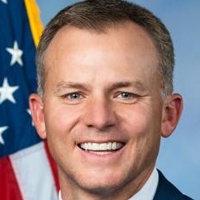
Blake Moore
Representative
UT
Blake Moore
Representative
UT
This Act, the Ensuring Patient Access to Critical Breakthrough Products Act, aims to speed up Medicare coverage for innovative, FDA-approved "breakthrough devices." It establishes a process for manufacturers to gain a four-year transitional coverage period for these devices, ensuring patients have timely access while long-term coverage decisions are finalized. The bill also allocates funding to CMS to manage these expedited reviews and allows for oversight of provider billing practices related to these new technologies.
This Act ensures the automatic continuation of pay for active duty military personnel and essential civilian support staff if Congress fails to pass a budget for fiscal year 2026.
Jennifer Kiggans
Representative
VA
Jennifer Kiggans
Representative
VA
The Pay Our Troops Act of 2026 ensures that active duty military personnel and essential civilian support staff continue to receive their pay if Congress has not yet passed the full budget for fiscal year 2026. This act provides automatic continuing appropriations from the Treasury to prevent a lapse in military salaries due to budget delays. The funding automatically terminates once a new budget or continuing resolution is passed, or on January 1, 2027, whichever comes first.