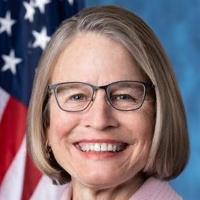
Legislative Activity
Track Mariannette's sponsored bills, co-sponsored legislation, and voting record
The INNOVATE Act overhauls federal small business research programs (SBIR/STTR) by creating massive technology transition awards, prioritizing rural and first-time applicants, tightening foreign security vetting, and streamlining administrative rules.
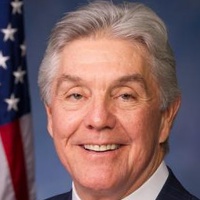
Roger Williams
Representative
TX
Roger Williams
Representative
TX
The INNOVATE Act comprehensively reforms the SBIR and STTR programs to accelerate the transition of small business technology into government use and commercial markets. It introduces new funding mechanisms, like large "strategic breakthrough awards," and creates a fast-track Phase 1A program to bring new businesses into the pipeline. The bill also tightens national security vetting for applicants and streamlines administrative rules to reduce application burdens. Overall, it aims to boost innovation by favoring proven technologies and increasing focus on rural participation while safeguarding federally funded research from foreign influence.
This bill clarifies that refueling ships with natural gas in U.S. waters is not considered an export under the Natural Gas Act.
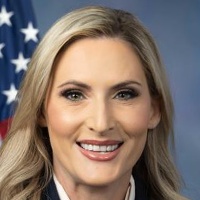
Laurel Lee
Representative
FL
Laurel Lee
Representative
FL
The Cutting LNG Bunkering Red Tape Act clarifies that transferring Liquefied Natural Gas (LNG) to a ship for marine fuel is generally not considered an "export" under the Natural Gas Act. This exemption applies regardless of the vessel's flag, provided the refueling occurs within U.S. waters. The bill aims to streamline the process for using LNG as ship fuel within the United States.
This bill establishes a federal right for producers to sell covered livestock and their derived products across state lines, preempting state and local regulations on the raising of animals outside their jurisdiction.
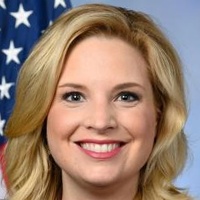
Ashley Hinson
Representative
IA
Ashley Hinson
Representative
IA
The Save Our Bacon Act establishes a federal right for producers to move and sell products derived from covered livestock across state lines, ensuring a single national market. This legislation prevents individual states from imposing unique production standards on livestock or products raised outside their borders. Essentially, it standardizes regulations to ensure free interstate commerce for meat and dairy products, excluding those primarily derived from egg-laying animals.
This Act expands Medicare coverage for hereditary cancer genetic testing, preventative surgeries, and evidence-based cancer screenings for at-risk individuals.
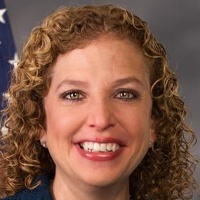
Debbie Wasserman Schultz
Representative
FL
Debbie Wasserman Schultz
Representative
FL
The Reducing Hereditary Cancer Act expands Medicare coverage for individuals with a family or personal history suggestive of hereditary cancer. This legislation mandates Medicare coverage for appropriate genetic testing and risk-reducing preventive surgeries. Furthermore, it allows for expanded, evidence-based cancer screenings for individuals already diagnosed with a hereditary cancer gene mutation.
The SAVES Act establishes a VA pilot program to award grants to nonprofits providing service dogs and veterinary insurance to eligible veterans managing specific service-connected conditions.
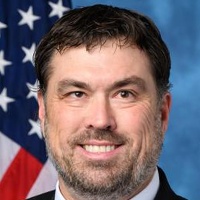
Morgan Luttrell
Representative
TX
Morgan Luttrell
Representative
TX
The SAVES Act establishes a Department of Veterans Affairs (VA) pilot program to award grants to nonprofit organizations that provide service dogs to eligible veterans. These grants, up to $\$2,000,000$ each, will fund the training and provision of service dogs for veterans with qualifying conditions like PTSD or TBI. The bill also extends the expiration date for certain limits on veterans' pension payments until February 2033.
The Veterans’ ACCESS Act of 2025 improves veteran health care by establishing clear eligibility standards for community care, mandating timely mental health treatment, and streamlining administrative processes to ensure faster, more transparent access to services.
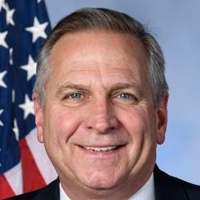
Mike Bost
Representative
IL
Mike Bost
Representative
IL
The Veterans’ ACCESS Act of 2025 strengthens the Veterans Community Care Program by establishing clear, enforceable standards for care eligibility and wait times while streamlining the referral process. The legislation also overhauls access to residential mental health and substance abuse treatment, ensuring veterans receive timely, localized care with robust oversight. Additionally, it mandates the development of digital tools and pilot programs to reduce bureaucratic hurdles and improve transparency across the VA healthcare system.
This bill amends the Family and Medical Leave Act to explicitly qualify time taken for an employee's own organ donation surgery as a serious health condition.
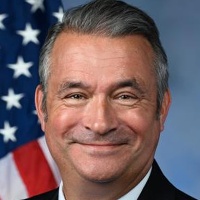
Don Bacon
Representative
NE
Don Bacon
Representative
NE
This bill amends the Family and Medical Leave Act (FMLA) to explicitly clarify that time taken off for an employee's own organ donation surgery qualifies as a serious health condition. This ensures both private and federal sector workers receive FMLA protection for recovery from organ donation. The legislation also specifies how federal employees must substitute existing paid leave when taking FMLA time for this purpose.
This Act modernizes seasonal agricultural CDLs by allowing online renewal for eligible employees and clarifying that implements of husbandry are not considered commercial motor vehicles.
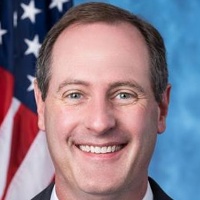
Tracey Mann
Representative
KS
Tracey Mann
Representative
KS
The Seasonal Agriculture CDL Modernization Act streamlines the process for farm workers by allowing states to establish online systems for renewing seasonal, restricted Commercial Driver's Licenses (CDLs). This legislation also clarifies that implements of husbandry (farm equipment) are not classified as commercial motor vehicles for licensing purposes. Overall, the bill aims to modernize and simplify CDL requirements for those in the farm-related service industries.
This Act prohibits insurance companies from discriminating against living organ donors when issuing life, disability, or long-term care policies and mandates the updating of educational materials regarding donation risks and insurance implications.
Don Bacon
Representative
NE
Don Bacon
Representative
NE
The Living Donor Protection Act of 2025 prohibits life, disability, and long-term care insurance companies from denying coverage or increasing premiums solely because an individual is a living organ donor. This legislation ensures that living donors are not financially penalized for their altruistic act. Additionally, the bill requires the Secretary of HHS to update educational materials to accurately reflect the insurance protections afforded to living donors.
This bill reauthorizes the Public Health and Bio-Preparedness Workforce Loan Repayment Program through fiscal year 2030.
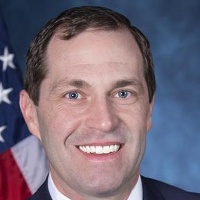
Jason Crow
Representative
CO
Jason Crow
Representative
CO
This bill reauthorizes the Public Health and Bio-Preparedness Workforce Loan Repayment Program through fiscal year 2030. It ensures continued support for professionals working in public health and bio-preparedness by extending their eligibility for loan repayment. This action secures the program for five additional years.
This resolution formally condemns the violent attack on the U.S. Border Patrol facility in McAllen, Texas, on July 7, 2025, while expressing support for law enforcement personnel.
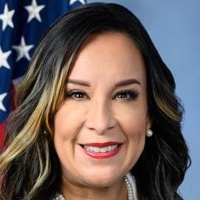
Mónica De La Cruz
Representative
TX
Mónica De La Cruz
Representative
TX
This resolution formally condemns the violent attack on the U.S. Border Patrol facility in McAllen, Texas, on July 7, 2025. It expresses support for the injured agents and reaffirms Congress's strong backing for the dedicated men and women of the Border Patrol. The bill emphasizes that such violence against law enforcement is unacceptable and undermines national security efforts.
This bill authorizes the creation and sale of commemorative coins for the 2028 Los Angeles and 2034 Salt Lake City Olympic and Paralympic Games to help fund the events, with all surcharges going to the respective organizing committees after covering production costs.
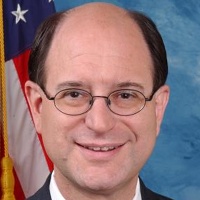
Brad Sherman
Representative
CA
Brad Sherman
Representative
CA
This Act authorizes the Secretary of the Treasury to mint and sell special commemorative coins for the 2028 Los Angeles Olympic and Paralympic Games and the 2034 Salt Lake City Winter Olympic and Paralympic Games. The coins will feature designs celebrating American athletes and the Games themselves. All surcharges collected from the sale of these coins will be directed to the respective organizing committees to help fund the events and related youth sports programs. The entire program must be conducted at no cost to the U.S. Government.
The PBM Reform Act of 2025 mandates sweeping changes to increase transparency, ensure fair pharmacy access in Medicare, and prohibit abusive spread pricing in Medicaid by holding Pharmacy Benefit Managers accountable for their financial dealings.
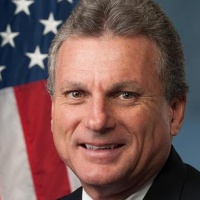
Earl Carter
Representative
GA
Earl Carter
Representative
GA
The Pharmacy Benefit Manager Reform Act of 2025 aims to increase transparency and accountability across the prescription drug supply chain. It mandates fairer pharmacy network access for Medicare beneficiaries and imposes strict new financial reporting and service fee requirements on Pharmacy Benefit Managers (PBMs) working with Medicare and private health plans. Furthermore, the bill establishes new federal mechanisms to accurately track drug acquisition costs in Medicaid and explicitly bans the practice of "spread pricing" in state Medicaid contracts.
This resolution expresses Congress's strong belief that "The Star-Spangled Banner" must be performed in public using the original English lyrics written by Francis Scott Key.
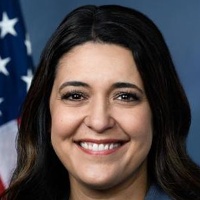
Stephanie Bice
Representative
OK
Stephanie Bice
Representative
OK
This resolution expresses the sense of Congress that any public performance of "The Star-Spangled Banner" must adhere strictly to the original English lyrics written by Francis Scott Key. It affirms the importance of preserving the historical integrity and unifying symbolism of the national anthem. The bill strongly encourages adherence to the original text as written in 1814.
This bill mandates quarterly rebates from manufacturers of selected drugs based on the difference between standard Medicare payment rates and the negotiated Maximum Fair Price, while adjusting beneficiary coinsurance accordingly.
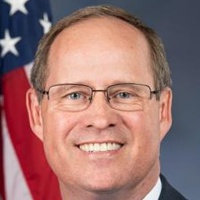
Gregory Murphy
Representative
NC
Gregory Murphy
Representative
NC
This bill, the Protecting Patient Access to Cancer and Complex Therapies Act, establishes a new mandatory rebate system for manufacturers of certain drugs selected for Maximum Fair Price (MFP) negotiation under Medicare. Manufacturers must pay quarterly rebates based on the difference between the standard Medicare payment and the lower negotiated MFP for units sold under Part B. These changes also adjust beneficiary coinsurance calculations to reflect the lower MFP, ensuring patient out-of-pocket costs are based on the negotiated price.
The Treat and Reduce Obesity Act of 2025 expands Medicare coverage for intensive behavioral therapy for obesity and mandates Part D coverage for certain weight management medications for eligible beneficiaries.
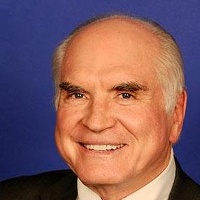
Mike Kelly
Representative
PA
Mike Kelly
Representative
PA
The Treat and Reduce Obesity Act of 2025 aims to combat the growing obesity epidemic, particularly among older adults, by expanding access to intensive behavioral therapy under Medicare. This bill mandates that Medicare Part D plans begin covering FDA-approved medications for obesity and weight management in individuals with related health conditions. Finally, it requires the Secretary of HHS to report regularly to Congress on the implementation and coordination of these new obesity treatment strategies.
The VET Act of 2025 establishes a grant program to incentivize energy industry employers to hire and train transitioning service members, veterans, and their spouses.
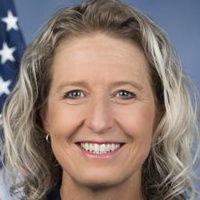
Jennifer Kiggans
Representative
VA
Jennifer Kiggans
Representative
VA
The Veterans Energy Transition Act of 2025 (VET Act) establishes a new grant program administered by the Secretary of Labor to incentivize organizations to hire active duty military members, veterans, and their spouses for jobs in the energy industry. These grants reimburse employers for training, recruitment, and other costs associated with employing these "covered individuals." The program prioritizes hiring those with relevant skills and aims to coordinate with existing transition services to ensure effective job placement.
The GOLDEN DOME Act of 2025 establishes a comprehensive, rapidly deployable, next-generation missile defense shield by creating a powerful Program Manager, accelerating technology acquisition, and authorizing over $23 billion for integrated air, sea, land, and space defense systems.
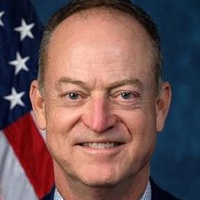
Mark Messmer
Representative
IN
Mark Messmer
Representative
IN
The GOLDEN DOME Act of 2025 establishes a comprehensive, next-generation missile defense shield to counter rapidly evolving threats from adversaries like China and Russia. It creates a powerful, direct-reporting Program Manager with broad authority to accelerate the development, acquisition, and deployment of integrated air and missile defense systems across all domains. This funding prioritizes space-based sensors, advanced interceptors, and modernized command and control capabilities to ensure the defense of U.S. citizens against all aerial and missile attacks. The Act also includes provisions to streamline procurement processes and protect the competitive space industrial base.
This Act prohibits discrimination against qualified individuals with disabilities in all aspects of the organ transplant process, requiring reasonable accommodations and support structures.
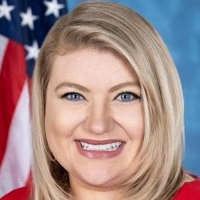
Katherine Cammack
Representative
FL
Katherine Cammack
Representative
FL
The Charlotte Woodward Organ Transplant Discrimination Prevention Act prohibits discrimination against qualified individuals with disabilities in all aspects of the organ transplant process. This legislation ensures that a disability alone cannot be a basis for denying a transplant, referral, or listing. It mandates reasonable modifications and the provision of necessary support, including recognizing support networks, unless the disability presents a medically significant barrier to the transplant itself. The Act ensures these protections apply from initial evaluation through post-transplant care and does not diminish existing state or local protections.
This Act mandates that major internet content and service providers (edge providers) must help fund the Universal Service Fund alongside broadband providers to lower consumer costs and support service in high-cost areas.
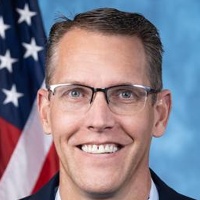
Randy Feenstra
Representative
IA
Randy Feenstra
Representative
IA
The Lowering Broadband Costs for Consumers Act of 2025 reforms the Universal Service Fund (USF) contribution system by requiring large internet content and service providers ("Edge Providers") to contribute alongside traditional broadband providers. This aims to shift the financial burden away from solely relying on phone companies to ensure continued support for universal service. The bill also directs the FCC to establish new, predictable funding mechanisms to support broadband providers serving high-cost areas.