Legislative Activity
Track Mariannette's sponsored bills, co-sponsored legislation, and voting record
This Act automatically provides 14-day continuing appropriations for federal programs at the previous funding level until Congress passes a new budget, effective September 30, 2025.
Dusty Johnson
Representative
SD
Dusty Johnson
Representative
SD
The Eliminate Shutdowns Act establishes an automatic, 14-day continuing appropriation mechanism to keep federal programs operational if Congress fails to pass a new budget by the start of the fiscal year. This funding continues to renew every 14 days until a full appropriation is enacted, ensuring essential services remain active. The Act also includes specific budgetary rules for counting this funding and sets an effective date of September 30, 2025.
This resolution honors the life and legacy of Charles "Charlie" James Kirk, condemns his assassination as political violence, and calls for a renewed commitment to civil discourse and American founding principles.

Mike Johnson
Representative
LA
Mike Johnson
Representative
LA
This resolution honors the life and legacy of Charles "Charlie" James Kirk, founder of Turning Point USA. It strongly condemns his assassination as an act of political violence. The bill calls for a renewed national commitment to civil discourse and the founding principles of the United States.
The America’s CHILDREN Act of 2025 establishes a path to permanent residency for certain long-term college graduates who entered the U.S. as dependents of work visa holders and updates age-out protections for dependent children.
Deborah Ross
Representative
NC
Deborah Ross
Representative
NC
The America’s CHILDREN Act of 2025 establishes a new pathway to permanent residency for certain individuals who entered the U.S. as children, lived here legally for at least eight years as dependents of work visa holders, and subsequently earned a U.S. college degree. The bill also introduces significant "age-out" protections, allowing long-term dependents to retain their original priority dates for visa processing. Furthermore, it clarifies rules for derivative beneficiaries, potentially granting them work authorization in certain dependent statuses.
The Safe Step Act mandates that group health plans using medication step therapy establish clear, timely exception processes for patients and doctors when required drugs are medically inappropriate or ineffective.

Rick Allen
Representative
GA
Rick Allen
Representative
GA
The Safe Step Act establishes mandatory, transparent exception processes for health plans that use "step therapy" protocols for prescription drugs. This ensures patients or their doctors can quickly request coverage for a prescribed medication when specific clinical criteria are met, such as previous treatment failure or risk of harm. Plans must decide on standard requests within 72 hours and urgent requests within 24 hours, and approved exceptions must last for at least one year. Furthermore, insurers must report detailed data annually on exception requests, approvals, and denials to the Secretary of Health and Human Services.
This bill establishes a mechanism to ensure the Federal Aviation Administration remains funded and operational during a lapse in appropriations by drawing from the Airport and Airway Trust Fund.
Aaron Bean
Representative
FL
Aaron Bean
Representative
FL
The Aviation Funding Stability Act of 2025 establishes a mechanism to ensure the Federal Aviation Administration (FAA) remains operational during a lapse in appropriations. If Congress fails to pass a budget, the FAA can draw from the Airport and Airway Trust Fund to continue existing programs and projects at the previous year's spending rate. This temporary funding lasts until a new budget is enacted or for a maximum of 30 days, whichever comes first. This measure aims to prevent disruptions to critical aviation services during government shutdowns.
The SHINE for Autumn Act of 2025 establishes federal grants for states to improve stillbirth surveillance, data collection, and risk factor research while mandating the development of standardized educational guidelines on stillbirth.

Young Kim
Representative
CA
Young Kim
Representative
CA
The SHINE for Autumn Act of 2025 aims to significantly improve federal support for state-level stillbirth research and data collection. It authorizes grants for states to enhance surveillance, track risk factors, and build local capacity for analyzing stillbirth data, provided the information remains de-identified. Furthermore, the bill mandates the development of standardized guidelines and educational materials regarding stillbirth awareness and risk factors, developed in consultation with experts and bereaved families.
This Act mandates that new passenger motor vehicles sold in the U.S. must include standard equipment capable of receiving AM broadcast radio signals.

Gus Bilirakis
Representative
FL
Gus Bilirakis
Representative
FL
The AM Radio for Every Vehicle Act of 2025 mandates that the Secretary of Transportation establish a rule requiring AM broadcast radio receivers to be installed as standard equipment in new passenger motor vehicles. This requirement aims to ensure public access to AM radio signals, which are often used for emergency alerts. The bill also directs a GAO study on the effectiveness of AM radio within the national emergency alert system compared to other technologies. Finally, the Act preempts state and local laws on this matter and includes a sunset provision eight years after enactment.
This bill mandates the Department of Labor to submit an annual, anonymized report to Congress detailing the status and timeline of all Employee Benefit Security Administration investigations.

Lisa McClain
Representative
MI
Lisa McClain
Representative
MI
The EBSA Investigations Transparency Act mandates that the Department of Labor submit an annual report to Congress detailing the status of all Employee Benefits Security Administration (EBSA) enforcement investigations from the previous fiscal year. This report must include key dates and timelines for each case, such as when it was opened and whether it concluded within 36 months of the initial document request. Crucially, the legislation requires that all personally identifying information regarding private parties involved in these investigations be excluded from the public report.
This bill amends the Social Security Act to provide Medicare coverage for FDA-approved multi-cancer early detection screening tests starting in 2028.
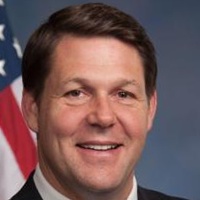
Jodey Arrington
Representative
TX
Jodey Arrington
Representative
TX
The Nancy Gardner Sewell Medicare Multi-Cancer Early Detection Screening Coverage Act amends the Social Security Act to provide Medicare Part B coverage for multi-cancer early detection screening tests starting January 1, 2028. This legislation establishes clear criteria for qualifying tests and outlines payment structures to ensure beneficiaries have access to these advanced diagnostic tools. Importantly, this coverage is designed to complement, rather than replace, existing Medicare-covered cancer screenings.
This Act ensures the automatic continuation of pay for active duty military personnel and essential civilian support staff if Congress fails to pass a budget for fiscal year 2026.
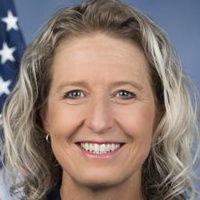
Jennifer Kiggans
Representative
VA
Jennifer Kiggans
Representative
VA
The Pay Our Troops Act of 2026 ensures that active duty military personnel and essential civilian support staff continue to receive their pay if Congress has not yet passed the full budget for fiscal year 2026. This act provides automatic continuing appropriations from the Treasury to prevent a lapse in military salaries due to budget delays. The funding automatically terminates once a new budget or continuing resolution is passed, or on January 1, 2027, whichever comes first.
The AWARE Act directs the FTC to create educational guides for families on the safe and responsible use of AI chatbots by minors.
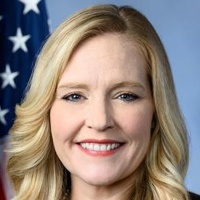
Erin Houchin
Representative
IN
Erin Houchin
Representative
IN
The AI Warnings And Resources for Education (AWARE) Act directs the Federal Trade Commission (FTC) to develop and release educational materials for families about the safe and responsible use of AI chatbots by minors. These resources must clearly explain safety risks, data privacy concerns, and offer best practices for parental supervision. The FTC is required to model these new guides after their existing "Youville" educational program.
The RESULTS Act reforms how Medicare determines payment rates for clinical diagnostic laboratory tests by mandating the use of comprehensive, real-world private payor claims data collected from an independent entity.
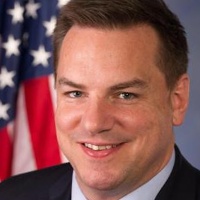
Richard Hudson
Representative
NC
Richard Hudson
Representative
NC
The Reforming and Enhancing Sustainable Updates to Laboratory Testing Services Act of 2025 (RESULTS Act) aims to improve Medicare payment rates for clinical lab tests by mandating the collection of more accurate, real-world payment data directly from large, independent private insurance claims databases. This legislation updates definitions, collection timelines, and calculation methods to ensure Medicare payments for widely available tests reflect current market rates. It also establishes default payment rules if sufficient private payor data cannot be secured.
This Act establishes sanctions against Pakistani officials undermining democracy and human rights, while urging the U.S. government to promote democratic institutions in Pakistan until September 30, 2030.
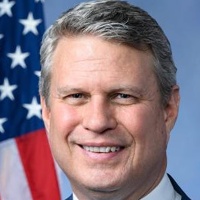
Bill Huizenga
Representative
MI
Bill Huizenga
Representative
MI
The Pakistan Freedom and Accountability Act expresses strong U.S. support for democracy and human rights in Pakistan, citing concerns over military influence and recent election interference. This legislation directs the President to identify and impose sanctions on Pakistani officials responsible for undermining democratic processes or committing serious human rights abuses. The Act emphasizes the need for civilian control over the military and sets an expiration date for its provisions in September 2030.
The FEMA Act of 2025 establishes FEMA as an independent, cabinet-level agency and enacts sweeping reforms across public assistance, individual aid, and mitigation programs to speed up recovery and increase transparency.
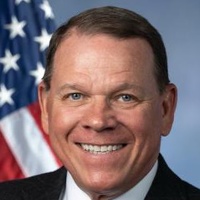
Sam Graves
Representative
MO
Sam Graves
Representative
MO
The FEMA Act of 2025 establishes the Federal Emergency Management Agency (FEMA) as an independent, cabinet-level agency to lead a unified, all-hazards approach to national emergency management. The bill enacts sweeping reforms across Public Assistance, Individual Assistance, and Mitigation programs to accelerate recovery, streamline funding, and reduce bureaucratic hurdles for disaster survivors and communities. Furthermore, it mandates significant new transparency measures, including public data reporting and GAO oversight, to ensure accountability for federal disaster spending.
This Act bans Members of Congress and their immediate families from trading or owning specific investments while in office, requiring divestment within 90 to 180 days or facing significant financial penalties.

Chip Roy
Representative
TX
Chip Roy
Representative
TX
The Restore Trust in Congress Act establishes strict new rules prohibiting Members of Congress and their immediate families from owning or trading specific financial assets, referred to as "covered investments," while in office. Covered individuals must divest existing prohibited holdings within a set timeframe or face significant financial penalties, including fines and forfeiture of profits. The legislation aims to eliminate conflicts of interest arising from personal financial trading while serving in federal office.
The Rural Housing Service Reform Act of 2025 streamlines administrative processes, preserves existing rural rental housing, expands access to repair loans, establishes new community development grants, and mandates reporting to improve the efficiency and transparency of USDA rural housing programs.
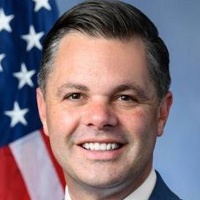
Zachary (Zach) Nunn
Representative
IA
Zachary (Zach) Nunn
Representative
IA
The Rural Housing Service Reform Act of 2025 aims to modernize and stabilize rural housing programs across the nation. It streamlines administrative processes, establishes permanent protections for existing affordable rental housing, and improves access to repair loans for low-income homeowners. Furthermore, the bill creates new grant opportunities for local development and mandates greater transparency and efficiency in the application review process.
This resolution formally recognizes the 20th anniversary of the Renewable Fuel Standard and affirms its foundational role in boosting U.S. energy security, supporting rural economies, and improving environmental performance.

Max Miller
Representative
OH
Max Miller
Representative
OH
This resolution formally recognizes the 20th anniversary of the Renewable Fuel Standard (RFS) and celebrates its foundational role in strengthening U.S. energy security and supporting rural economies. It highlights the RFS's success in driving domestic fuel innovation, creating jobs, and improving environmental performance. The measure affirms the ongoing importance of the RFS in achieving national energy, economic, and environmental goals.
This Act establishes the "Local Farmers Feeding Our Communities" program to strengthen local food security by funding agreements that support local producers and distribute fresh food to communities.
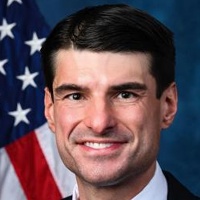
Robert Bresnahan
Representative
PA
Robert Bresnahan
Representative
PA
The Local Farmers Feeding our Communities Act establishes a new program to support local food producers and strengthen regional food security. This initiative requires the Secretary of Agriculture to fund agreements that ensure nutritious, locally sourced food is purchased and distributed widely, prioritizing small and beginning farmers. Funds must be used to buy minimally processed local products and provide technical assistance to producers. The program is backed by mandatory funding starting in Fiscal Year 2026.
This resolution celebrates the 60th anniversary of Medicaid while directing Congress to address significant projected spending increases to ensure the program's long-term viability.
Gabe Evans
Representative
CO
Gabe Evans
Representative
CO
This resolution celebrates the 60th anniversary of Medicaid while addressing significant concerns over projected spending increases. Congress commits to protecting the program from waste, fraud, and abuse to ensure its long-term viability for vulnerable populations. The bill emphasizes the ongoing partnership between federal and state governments in supporting essential healthcare access.
The Save Our Seniors Act mandates that Social Security trust fund reports include a comparison graph showing budget assumptions versus actual projected payouts based on dedicated funding.
Randy Feenstra
Representative
IA
Randy Feenstra
Representative
IA
The Save Our Seniors Act (SOS Act) mandates that reports on the Social Security Old-Age and Survivors Insurance and Disability Insurance Trust Funds must now include a new graphical comparison. This comparison will show the difference between initial budget assumptions and the actual projected payouts from the Trust Funds based on dedicated funding sources. The goal is to provide clearer transparency regarding the financial status and projections of these vital funds.