Legislative Activity
Track Mariannette's sponsored bills, co-sponsored legislation, and voting record
This resolution honors the life and historic congressional legacy of the Honorable Kay Granger, recognizing her trailblazing service as a Representative from Texas and her dedicated contributions to national defense and the city of Fort Worth.
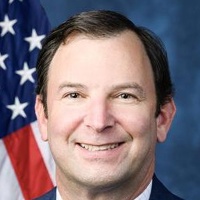
Craig Goldman
Representative
TX
Craig Goldman
Representative
TX
This resolution honors the life and legacy of the Honorable Kay Granger, celebrating her nearly 28 years of service in the U.S. House of Representatives. It recognizes her historic achievements as a trailblazer for women in public office, her dedicated advocacy for national defense, and her lasting contributions to the city of Fort Worth, Texas.
This bill provides a limited antitrust exemption to allow non-federal entities to collaborate on identifying and mitigating critical artificial intelligence security risks.
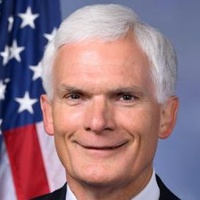
Robert Latta
Representative
OH
Robert Latta
Representative
OH
The Collaboration on Adversarial Threats and Security Risks Act creates a limited antitrust exemption to allow non-federal entities to collaborate on critical artificial intelligence security matters. This legislation enables companies to share information and coordinate efforts to mitigate national security risks, such as the weaponization or unauthorized access of AI systems. While facilitating these security partnerships, the Act maintains strict safeguards to prevent anti-competitive behavior and grants the Attorney General authority to intervene if collaborations threaten market integrity or fail to improve security.
This bill restricts stock trading by Members of Congress and their families while establishing new federal requirements for voters to provide photo identification in federal elections.
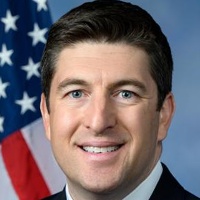
Bryan Steil
Representative
WI
Bryan Steil
Representative
WI
The Stop Insider Trading Act restricts Members of Congress, their spouses, and dependent children from purchasing or selling individual stocks to prevent conflicts of interest. Additionally, the bill mandates that voters provide valid photo identification when voting in person or by mail in federal elections.
Tyler's Law mandates a study and subsequent guidance on the routine testing for fentanyl in hospital emergency departments during overdose treatment.
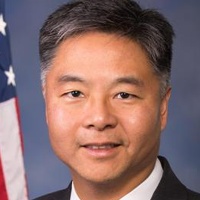
Ted Lieu
Representative
CA
Ted Lieu
Representative
CA
Tyler's Law mandates a comprehensive study by the Secretary of Health and Human Services on the frequency, cost, and impact of fentanyl testing in hospital emergency departments during overdose cases. Following the study, the Secretary must issue guidance on whether routine fentanyl testing should become standard practice for overdose patients. This guidance will also address staff training regarding existing drug test panels and the long-term health implications of such testing.
The "Combating Illicit Xylazine Act" aims to combat the misuse of xylazine by adding it to Schedule III of the Controlled Substances Act, tracking its distribution, and ensuring appropriate penalties for related offenses, while also protecting legitimate veterinary use.
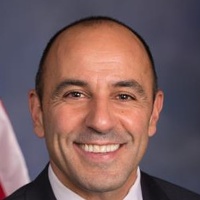
Jimmy Panetta
Representative
CA
Jimmy Panetta
Representative
CA
The "Combating Illicit Xylazine Act" aims to combat the illegal use of xylazine by adding it to Schedule III of the Controlled Substances Act, which would allow for increased regulation and tracking of the substance. The bill includes exemptions and delayed effective dates for certain requirements to ease the transition for legitimate users, such as veterinarians and animal handlers. It also directs the Sentencing Commission to review sentencing guidelines for xylazine-related offenses and mandates reports to Congress on the prevalence and impact of illicit xylazine use. Finally, it will include xylazine in Arcos tracking.
This bill clarifies that a franchisor is only considered a joint employer of a franchisee's workers if it exercises substantial, direct, and immediate control over essential terms of employment.
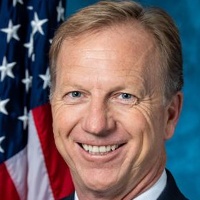
Kevin Hern
Representative
OK
Kevin Hern
Representative
OK
The American Franchise Act aims to protect the traditional franchise business model by clarifying the definition of a "joint employer." This legislation establishes that a franchisor is only considered a joint employer if it exercises "substantial direct and immediate control" over the essential terms of employment for a franchisee's workers. This change specifically targets liability risks associated with maintaining brand standards, ensuring franchisors are not automatically held responsible for local labor practices. The new standard applies prospectively to future legal proceedings.
The EARLY Act Reauthorization of 2025 extends breast health education for young women and modernizes the National Breast and Cervical Cancer Early Detection Program to improve screening access, equity, and funding through 2030.
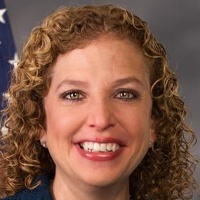
Debbie Wasserman Schultz
Representative
FL
Debbie Wasserman Schultz
Representative
FL
The EARLY Act Reauthorization of 2025 extends critical breast health education initiatives through 2031 and bolsters the National Breast and Cervical Cancer Early Detection Program. By streamlining grant requirements and increasing funding through 2030, this legislation aims to reduce health disparities, improve access to life-saving screenings, and enhance patient support services. Additionally, it mandates a GAO study to identify and address barriers to equitable cancer care.
This bill mandates electronic prior authorization, increases transparency through required data reporting, and establishes faster decision timelines for Medicare Advantage plans to improve timely access to care for seniors.
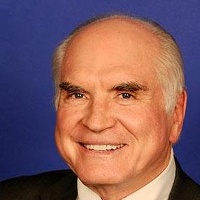
Mike Kelly
Representative
PA
Mike Kelly
Representative
PA
The Improving Seniors’ Timely Access to Care Act of 2025 aims to streamline and modernize the prior authorization process within Medicare Advantage plans. This bill mandates the adoption of electronic prior authorization systems and significantly increases transparency regarding approval rates and decision times starting in 2027. Furthermore, it establishes new enrollee protections and grants the Secretary authority to enforce faster decision timeframes for medical services.
The Patients First Act of 2026 reforms Medicare physician payment systems to ensure more stable, predictable reimbursement for providers while improving patient access to primary care and value-based services.
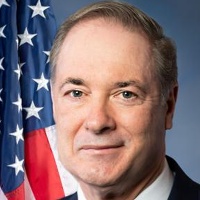
John Joyce
Representative
PA
John Joyce
Representative
PA
The Patients First Act of 2026 is comprehensive legislation designed to stabilize Medicare physician payments, improve patient access to primary care, and transition the current quality reporting system to a more clinician-led framework. By modernizing reimbursement formulas, reducing financial volatility for providers, and increasing transparency in value-based care models, the bill aims to ensure a more sustainable and predictable healthcare environment. These reforms seek to lower out-of-pocket costs for patients while supporting the long-term viability of medical practices.
The Securing Agriculture's Workforce Act of 2026 modernizes the H-2A visa program by streamlining the application process through a centralized online platform, updating labor and housing requirements, and expanding the definition of eligible agricultural work.
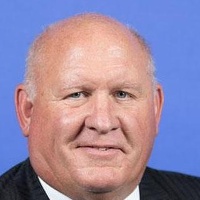
Glenn Thompson
Representative
PA
Glenn Thompson
Representative
PA
The Securing Agriculture's Workforce Act of 2026 modernizes the H-2A visa program to better support the agricultural industry by streamlining application processes and establishing a centralized online portal for employers. The bill updates labor certification, housing, and wage requirements while expanding the definition of eligible agricultural work to include a broader range of activities. Additionally, it enhances worker protections—including new heat illness prevention standards—and provides greater administrative efficiency for federal agencies managing the program.
This bill enhances Medicaid Recovery Audit Contractor (RAC) program oversight, expands its scope to managed care plans, and mandates increased reporting and studies to improve payment integrity.

Gus Bilirakis
Representative
FL
Gus Bilirakis
Representative
FL
The Medicaid RAC Improvement Act of 2026 aims to strengthen oversight and transparency of the Medicaid Recovery Audit Contractor (RAC) program. It expands RAC review to include claims from managed care plans and requires annual reporting to Congress on program effectiveness. The bill also mandates studies and a demonstration project to address barriers states face in implementing robust payment integrity reviews.
This bill renames and revises the Great American Outdoors Act's maintenance fund, increases dedicated funding through new, higher fees for foreign visitors, and sets spending priorities for deferred maintenance across public lands agencies.
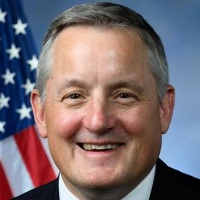
Bruce Westerman
Representative
AR
Bruce Westerman
Representative
AR
This bill, the Great American Outdoors Act 250, significantly reforms and renames the existing public lands restoration fund to the America’s Legacy Restoration Fund. It secures dedicated funding streams, primarily from energy revenues and new fees on foreign visitors, to address critical deferred maintenance across the National Park Service, Forest Service, and other public land agencies. The legislation establishes strict spending priorities for infrastructure repair while also creating pilot programs for enhancing outdoor recreation and sportsmen's access. Finally, it mandates increased transparency and accountability through standardized metrics and public reporting on all funded projects.
This bill, the Hydropower Licensing Affordability Act, modernizes the hydropower licensing process by expanding the Federal Energy Regulatory Commission's authority to require mitigation measures for adverse effects on federal reservations and fish populations.
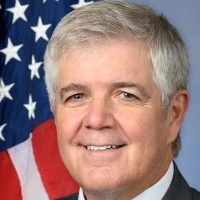
Cliff Bentz
Representative
OR
Cliff Bentz
Representative
OR
This bill, the Hydropower Licensing Affordability Act, modernizes the hydropower licensing process under the Federal Power Act. It expands the Federal Energy Regulatory Commission's authority to impose conditions on licenses to ensure hydropower projects reasonably mitigate direct adverse effects on federal reservations and local fish populations.
The **Take Care of America’s Veterans Act** comprehensively reforms veteran benefits, healthcare access, education opportunities, and VA organizational structure to improve services and increase accountability across the board.
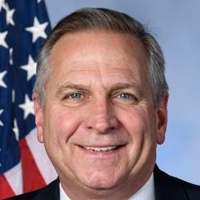
Mike Bost
Representative
IL
Mike Bost
Representative
IL
The **Take Care of America’s Veterans Act** is a comprehensive bill designed to strengthen benefits and modernize services across compensation, education, health care, and VA operations. It eliminates benefit offsets for disabled retirees, expands educational flexibility, sets new standards for timely health care access, and invests in VA technology and infrastructure. Overall, the legislation aims to provide faster, fairer, and more comprehensive support for veterans and their families.
This bill strengthens U.S. access to critical minerals by authorizing international partnerships, establishing energy security compacts, and creating specialized State Department roles and workforce development programs to counter reliance on adversaries.
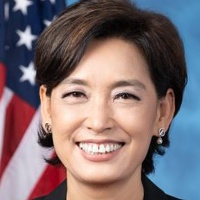
Young Kim
Representative
CA
Young Kim
Representative
CA
This bill strengthens U.S. access to critical minerals by authorizing international partnerships and agreements to build secure, transparent supply chains with allies. It establishes Energy Security Compacts to diversify energy and mineral sources while protecting American jobs and the environment. Finally, the legislation creates new leadership roles and exchange programs at the State Department to build a skilled domestic mining workforce and counter foreign leverage over essential resources.
This bill mandates the Department of Energy to publicly announce changes to directives, safety analyses, and authorization agreements for high-hazard nuclear facilities within 24 hours and report annually to Congress on facility authorizations.
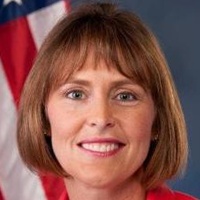
Kathy Castor
Representative
FL
Kathy Castor
Representative
FL
The Department of Energy Nuclear Transparency Act mandates that the Department of Energy publicly announce significant actions related to high-hazard nuclear facilities within 24 hours. This includes posting changes to safety directives, documented safety analyses, and facility authorization agreements. Additionally, the Secretary must submit an annual report to Congress detailing all facility authorizations from the previous year.
The Sharri Briley and Eric Edmundson Veterans Benefits Expansion Act of 2026 increases disability compensation, enhances Dependency and Indemnity Compensation adjustments, extends certain VA home loan fee structures, and broadens VA home loan eligibility for National Guard and Reserve members.
Tom Barrett
Representative
MI
Tom Barrett
Representative
MI
The Sharri Briley and Eric Edmundson Veterans Benefits Expansion Act of 2026 significantly enhances benefits for veterans and service members. It increases disability compensation with a new monthly allowance for certain veterans and ties future Dependency and Indemnity Compensation (DIC) adjustments to Social Security cost-of-living increases plus an extra percentage. The bill also expands VA home loan eligibility to include National Guard and Reserve members with at least 14 days of qualifying service, though these borrowers will pay a higher loan fee. Finally, it extends the current VA home loan fee structure and modifies definitions of active duty for Guard and Reserve components.
This bill prohibits the VA from reporting veterans to the NICS background check system solely because a fiduciary has been appointed to manage their benefits, unless a judicial authority deems them a danger to themselves or others.
Mike Bost
Representative
IL
Mike Bost
Representative
IL
The Veterans 2nd Amendment Protection Act prohibits the VA from reporting veterans to the NICS background check system solely because a fiduciary was appointed to manage their benefits. This legislation ensures that a VA finding of mental incompetence or the appointment of a fiduciary alone is not used to treat a veteran as a "mental defective" for gun control purposes. Furthermore, the VA must notify the Attorney General about past transmissions of this information that lacked a proper legal basis.
This bill establishes the Smithsonian American Women's History Museum, designates its site on the National Mall, and sets requirements for its mission, construction, and diverse representation of viewpoints.
Nicole Malliotakis
Representative
NY
Nicole Malliotakis
Representative
NY
This act officially establishes the Smithsonian American Women’s History Museum and designates its location on the National Mall, requiring the transfer of land jurisdiction to the Smithsonian Institution. The museum is mandated to preserve and present the history and achievements of biological women in the United States. Furthermore, the legislation requires that exhibits and programs reflect diverse political viewpoints and authentic experiences of women, as guided by a broad array of knowledgeable sources.
This resolution expresses support for designating May 2026 as "Renewable Fuels Month" to recognize the economic, environmental, and energy security benefits of the domestic renewable fuels industry.
Zachary (Zach) Nunn
Representative
IA
Zachary (Zach) Nunn
Representative
IA
This resolution expresses support for designating May 2026 as "Renewable Fuels Month." It recognizes the critical role of renewable fuels, such as ethanol and biodiesel, in strengthening the U.S. economy and supporting rural communities. The bill highlights how these fuels reduce carbon emissions, lower consumer fuel prices, and decrease reliance on foreign energy sources.