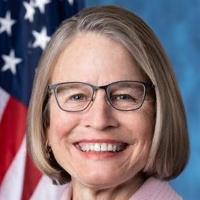
Legislative Activity
Track Mariannette's sponsored bills, co-sponsored legislation, and voting record
The ReConnecting Rural America Act of 2025 overhauls federal funding to prioritize grants and loans for building high-speed, 100/100 Mbps broadband infrastructure in underserved rural areas.
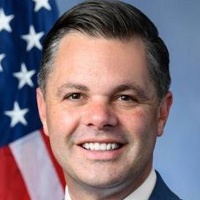
Zachary (Zach) Nunn
Representative
IA
Zachary (Zach) Nunn
Representative
IA
The ReConnecting Rural America Act of 2025 significantly overhauls federal funding to expand high-speed internet access in underserved rural areas. This legislation prioritizes grants and loans for projects delivering at least 100 Mbps symmetrical speeds, focusing heavily on communities currently lacking adequate service. The bill sets strict buildout timelines, mandates participation in affordability programs, and establishes specific priority criteria for funding distribution through 2030.
This Act establishes the Interstate Paid Leave Action Network (IPLAN) to create unified, reciprocal standards and administrative systems for state-run paid family and medical leave programs across state lines.
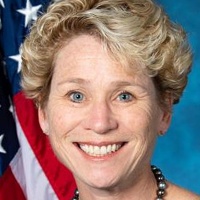
Chrissy Houlahan
Representative
PA
Chrissy Houlahan
Representative
PA
The Interstate Paid Leave Action Network Act of 2025 establishes the IPLAN to create unified, standardized policies and administrative rules for state-run paid family and medical leave programs. This network will develop an interstate agreement to simplify benefit coordination for workers who have moved between participating states. The bill also authorizes federal grants to support state participation and funds a national intermediary to manage coordination and technology development.
This bill establishes federal grants to support and improve existing state paid family leave programs while creating an interstate network to standardize paid leave policies and administration across state lines.
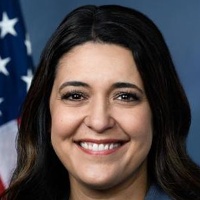
Stephanie Bice
Representative
OK
Stephanie Bice
Representative
OK
The More Paid Leave for More Americans Act aims to enhance paid family leave by establishing a federal grant program to support and improve existing state-level paid leave laws. It also creates the Interstate Paid Leave Action Network (IPLAN) to encourage states to standardize definitions, administration, and benefit coordination across state lines. This dual approach seeks to increase the quality of benefits for workers while simplifying compliance for employers operating in multiple states.
This bill temporarily exempts certain physician practices from Stark Law restrictions to allow them to dispense designated Medicare Part D prescription drugs directly to their patients while mandating a GAO study on in-office dispensing trends.
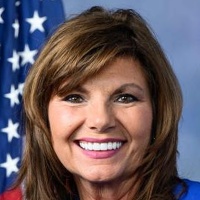
Diana Harshbarger
Representative
TN
Diana Harshbarger
Representative
TN
The Seniors’ Access to Critical Medications Act of 2025 temporarily modifies the physician self-referral prohibition (Stark Law) to allow physician practices to dispense certain Medicare Part D prescription drugs directly to their patients between 2026 and 2030. This exception is subject to specific conditions regarding prescribing, patient history, and dispensing location. The bill also mandates a GAO study to examine trends in physician office drug dispensing and makes a minor adjustment to the allocation for the Medicare Improvement Fund.
This bill establishes a special visitor category for qualifying Canadian retirees to stay in the U.S. for up to 240 days annually and grants them non-resident alien tax status.
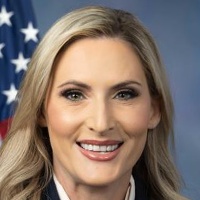
Laurel Lee
Representative
FL
Laurel Lee
Representative
FL
The Canadian Snowbird Act creates a special visitor status for qualifying Canadian retirees, allowing them to stay in the U.S. for up to 240 days per year while maintaining their Canadian residency. This legislation also ensures that these Canadian visitors are treated as non-resident aliens for U.S. tax purposes, preventing them from being taxed like U.S. residents. The bill aims to simplify entry and tax obligations for long-term seasonal visitors from Canada.
This Act funds state systems to track real-time hospital bed capacity affecting emergency department wait times and mandates CMMI pilot programs to improve emergency care for older adults and those in psychiatric crisis.
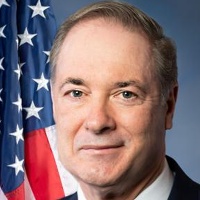
John Joyce
Representative
PA
John Joyce
Representative
PA
The ABC-ED Act of 2025 aims to alleviate emergency department boarding and crowding by modernizing public health data systems to track real-time hospital bed capacity. It also directs the Center for Medicare and Medicaid Innovation to pilot programs specifically improving emergency care for older adults and those in acute psychiatric crisis. Finally, the bill mandates a study on best practices for statewide, real-time capacity tracking systems and their impact on ER wait times.
The Safeguard American Voter Eligibility (SAVE) Act mandates that individuals registering to vote in federal elections must present documentary proof of U.S. citizenship.

Chip Roy
Representative
TX
Chip Roy
Representative
TX
The Safeguard American Voter Eligibility Act (SAVE Act) significantly amends federal law to require individuals registering to vote in federal elections to present documentary proof of U.S. citizenship. This legislation mandates that states actively clean their voter rolls and cooperate with federal agencies to verify citizenship status. It establishes new criminal penalties for officials who fail to enforce these documentation requirements.
The SOAR Act of 2025 reforms Medicare oxygen benefits by removing competitive bidding, establishing specific supplier responsibilities, enhancing fraud protection through electronic documentation, and enshrining patient rights for supplemental oxygen recipients.
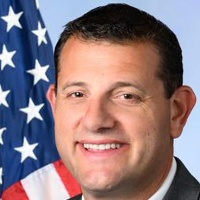
David Valadao
Representative
CA
David Valadao
Representative
CA
The SOAR Act of 2025 aims to significantly reform Medicare access to supplemental oxygen by removing it from the competitive bidding program and establishing new payment rates. The bill also mandates clearer documentation requirements for medical necessity using electronic templates and restores clinical judgment in claim audits. Finally, it establishes specific rights for oxygen beneficiaries and improves reimbursement for respiratory therapists.
This bill mandates the development of a modernized 10-year strategy by the Secretaries of HHS and Defense to ensure the nation has sufficient anthrax countermeasures to protect civilians and service members.
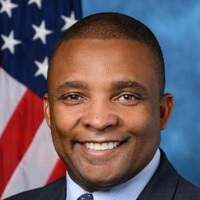
Donald Davis
Representative
NC
Donald Davis
Representative
NC
The Protecting American Families and Servicemembers from Anthrax Act mandates the Secretaries of Health and Human Services and Defense to develop a modernized 10-year strategy to defend against the anthrax threat. This plan must ensure a sustainable supply of anthrax countermeasures for the Strategic National Stockpile and outline protections for civilians and military families. The Secretaries are required to submit an initial classified report detailing the threat and the full strategy to Congress within 180 days, followed by annual updates.
The Affordable Housing Credit Improvement Act of 2025 updates state allocation formulas, reforms tenant eligibility and credit determination rules, and enhances assistance for Native American and rural housing projects.
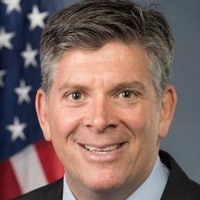
Darin LaHood
Representative
IL
Darin LaHood
Representative
IL
The Affordable Housing Credit Improvement Act of 2025 updates federal housing tax credit allocations to reflect current economic realities and boosts minimum state allotments. It reforms tenant eligibility rules to stabilize tenancy and enhance protections for vulnerable residents, including victims of abuse. The bill also provides disaster relief for property owners, increases incentives for housing the extremely low-income, and directs greater resources toward Native American and rural housing needs. Finally, it streamlines administrative processes and signals a future focus on data transparency and discouraging restrictive local zoning.
Sammy's Law mandates that large social media platforms must provide secure, real-time access to third-party safety software chosen by parents to monitor and manage their children's accounts.
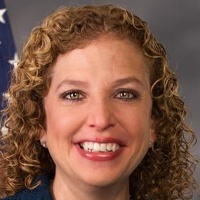
Debbie Wasserman Schultz
Representative
FL
Debbie Wasserman Schultz
Representative
FL
Sammy's Law aims to empower parents by requiring large social media platforms to provide secure access for third-party safety software to monitor and manage their children's accounts. This legislation establishes a national standard for this specific data access, while granting enforcement authority to the Federal Trade Commission (FTC). The law mandates strict data handling and deletion requirements for the third-party safety providers who register with the FTC.
This bill allows Members of Congress to use Department of Veterans Affairs facilities to meet with constituents under specific, regulated conditions.
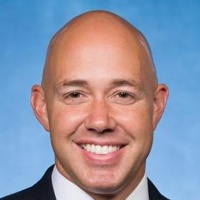
Brian Mast
Representative
FL
Brian Mast
Representative
FL
The Improving Veterans Access to Congressional Services Act of 2025 allows Members of Congress to use designated Department of Veterans Affairs (VA) facilities to meet with their constituents. The VA Secretary must establish regulations within 90 days outlining fair access, reasonable costs, and strict ethical limitations on political activity within these spaces. These rules specifically prohibit campaigning and recording patients while ensuring the Member's use does not interfere with VA operations.
This bill repeals the requirement for financial institutions to collect and report specific data on small business loans to reduce compliance costs and improve small business access to credit.
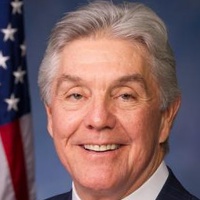
Roger Williams
Representative
TX
Roger Williams
Representative
TX
The 1071 Repeal to Protect Small Business Lending Act aims to eliminate the mandatory data collection and reporting requirements for small business loans previously established under Section 704B of the Equal Credit Opportunity Act. Proponents argue that these regulations impose unnecessary compliance costs on lenders, potentially hindering small business access to credit. This bill repeals those specific reporting mandates to reduce regulatory burdens on financial institutions.
The Secure Family Futures Act of 2025 modifies tax code provisions for applicable insurance companies by excluding certain debt from being treated as a capital asset and extending the capital loss carryover period to ten years for specific losses incurred after 2025.
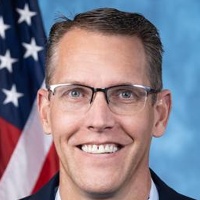
Randy Feenstra
Representative
IA
Randy Feenstra
Representative
IA
The Secure Family Futures Act of 2025 modifies tax treatment for certain debt holdings of applicable insurance companies, excluding specific debt instruments from being treated as capital assets for tax purposes. Additionally, this Act extends the capital loss carryover period to 10 years for specified losses incurred by these insurance companies. These changes apply only to transactions occurring after December 31, 2025.
The RIFLE Act eliminates the federal tax on firearm transfers and makes corresponding technical changes to the tax code without affecting CPSC oversight of regulated firearms.
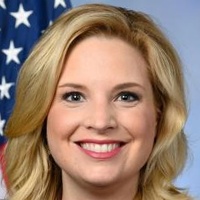
Ashley Hinson
Representative
IA
Ashley Hinson
Representative
IA
The Repealing Illegal Freedom and Liberty Excises Act (RIFLE Act) eliminates the existing federal tax on firearm transfers. This legislation strikes the relevant section from the Internal Revenue Code and makes necessary technical updates to related statutes. Importantly, this Act does not grant the Consumer Product Safety Commission any new authority over regulated firearms.
This Act establishes a 20% federal tax credit for converting eligible commercial buildings into affordable housing units, subject to state allocation and specific income restrictions.

Mike Carey
Representative
OH
Mike Carey
Representative
OH
The Revitalizing Downtowns and Main Streets Act establishes a new 20% federal tax credit for converting eligible, older commercial buildings into affordable housing. This incentive aims to increase housing supply by requiring that at least 20% of the converted units remain rent-restricted for low-income residents for 30 years. State agencies will allocate these credits, which are subject to a national cap of $12 billion, based on approved plans prioritizing financially necessary projects.
This bill establishes new requirements for Medicare contractors and private Medicare plans to base prior authorization decisions strictly on medical necessity, involve practicing physicians in setting criteria, and increase transparency regarding their utilization review processes.

Mark Green
Representative
TN
Mark Green
Representative
TN
The Reducing Medically Unnecessary Delays in Care Act of 2025 aims to establish stricter federal standards for prior authorization decisions made by Medicare contractors and private Medicare plans. This bill mandates that coverage denials must be based on clear, evidence-based clinical criteria developed with input from practicing physicians. Furthermore, it requires plans to post their authorization rules online, provide advance notice of changes, and publicly report approval and denial statistics. Finally, all final denials of care must be reviewed and issued by a qualified, board-certified physician.
This bill mandates that Medicare provide equitable reimbursement for the transportation and setup of portable ultrasound equipment, mirroring current payments for portable X-ray services.
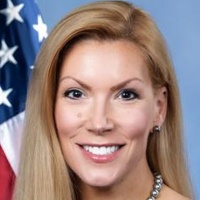
Beth Van Duyne
Representative
TX
Beth Van Duyne
Representative
TX
The Portable Ultrasound Reimbursement Equity Act of 2025 updates Medicare coverage to include diagnostic ultrasound tests. This legislation mandates that Medicare establish separate payments for the transportation and setup of portable ultrasound equipment, mirroring existing payments for portable X-ray services. These changes are set to take effect starting January 1, 2027.
The SCREENS for Cancer Act of 2025 reauthorizes and updates the National Breast and Cervical Cancer Early Detection Program to enhance cancer prevention, reduce disparities, and ensure equitable access to screening services through increased funding and new reporting requirements.

Joseph Morelle
Representative
NY
Joseph Morelle
Representative
NY
The **SCREENS for Cancer Act of 2025** seeks to reauthorize and update the National Breast and Cervical Cancer Early Detection Program (NBCCEDP). This legislation expands the program's focus to include cancer prevention and aims to reduce health disparities in screening access. The bill authorizes $235 million annually for fiscal years 2026 through 2030 and mandates a GAO study on program eligibility and service trends.
This resolution supports designating March 2025 as Endometriosis Awareness Month to highlight the need for increased education, research, and timely diagnosis for this common and debilitating condition.
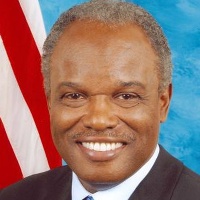
David Scott
Representative
GA
David Scott
Representative
GA
This resolution supports the designation of March 2025 as Endometriosis Awareness Month to highlight the severe impact of this common, painful condition. It recognizes the urgent need to reduce the long diagnostic delays and significant personal and economic burdens caused by endometriosis. The bill encourages public education, better provider training, and continued commitment to research for improved treatments and a potential cure.