Legislative Activity
Track Blake's sponsored bills, co-sponsored legislation, and voting record
The Secure Family Futures Act of 2025 modifies tax code provisions for applicable insurance companies by excluding certain debt from being treated as a capital asset and extending the capital loss carryover period to ten years for specific losses incurred after 2025.
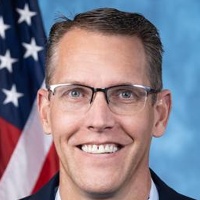
Randy Feenstra
Representative
IA
Randy Feenstra
Representative
IA
The Secure Family Futures Act of 2025 modifies tax treatment for certain debt holdings of applicable insurance companies, excluding specific debt instruments from being treated as capital assets for tax purposes. Additionally, this Act extends the capital loss carryover period to 10 years for specified losses incurred by these insurance companies. These changes apply only to transactions occurring after December 31, 2025.
This Act establishes a 20% federal tax credit for converting eligible commercial buildings into affordable housing units, subject to state allocation and specific income restrictions.

Mike Carey
Representative
OH
Mike Carey
Representative
OH
The Revitalizing Downtowns and Main Streets Act establishes a new 20% federal tax credit for converting eligible, older commercial buildings into affordable housing. This incentive aims to increase housing supply by requiring that at least 20% of the converted units remain rent-restricted for low-income residents for 30 years. State agencies will allocate these credits, which are subject to a national cap of $12 billion, based on approved plans prioritizing financially necessary projects.
This Act establishes a competitive grant program, administered by the Secretary of Energy, to strengthen domestic mining education and training programs at specialized institutions.
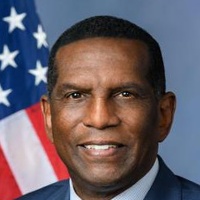
Clarence Owens
Representative
UT
Clarence Owens
Representative
UT
The Mining Schools Act of 2025 establishes a competitive grant program, administered by the Secretary of Energy, to strengthen domestic mining education at specialized institutions. These grants aim to train the next generation of professionals needed for the nation's energy and mineral supply by focusing on modern extraction, critical minerals, and environmental responsibility. The Act also creates the Mining Professional Development Advisory Board to guide the grant selection process and repeals the older Mining and Mineral Resources Research Institute Act of 1984.
This Act amends the Base Erosion and Anti-Abuse Tax (BEAT) rules to impose stricter regulations on U.S. companies connected to foreign entities subject to specific extraterritorial income taxes.
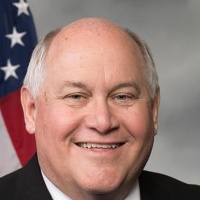
Ron Estes
Representative
KS
Ron Estes
Representative
KS
The Unfair Tax Prevention Act amends the Base Erosion and Anti-Abuse Tax (BEAT) rules to specifically target certain U.S. companies connected to foreign tax systems operating outside their direct jurisdiction. These "foreign-owned extraterritorial tax regime entities" will now be automatically subject to BEAT, with specific exceptions removed and a portion of their cost of goods sold automatically treated as a base erosion benefit. This legislation aims to close loopholes related to complex, indirect foreign ownership structures.
The PHIT Act of 2025 allows taxpayers to deduct up to \$1,000 annually for qualified expenses related to physical fitness, gym memberships, and exercise instruction to promote healthier lifestyles.
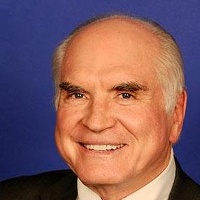
Mike Kelly
Representative
PA
Mike Kelly
Representative
PA
The Personal Health Investment Today Act of 2025 (PHIT Act) aims to improve public health by incentivizing healthier lifestyles, particularly to combat obesity. This bill allows taxpayers to treat certain qualified sports and fitness expenses, such as gym memberships and instruction fees, as deductible medical expenses. Deductions are capped annually at \$1,000 per individual or \$2,000 for joint filers.
This bill establishes national reciprocity for concealed carry permits, allowing individuals legally permitted to carry in their home state to carry a handgun in any other state that allows concealed carry.
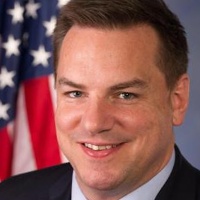
Richard Hudson
Representative
NC
Richard Hudson
Representative
NC
The Constitutional Concealed Carry Reciprocity Act of 2025 establishes a national standard for carrying concealed handguns across state lines. This act allows individuals legally permitted to carry in their home state to carry concealed in any other state that allows its residents to carry concealed firearms. The law does not override private property restrictions or prohibitions on government property, but it provides protections and legal recourse for those traveling in compliance with the new federal standard.
This Act prohibits performing an abortion solely because an unborn child has been diagnosed with Down syndrome and establishes penalties and civil actions for violations.
Ron Estes
Representative
KS
Ron Estes
Representative
KS
The Protecting Individuals with Down Syndrome Act prohibits performing an abortion solely because an unborn child has been diagnosed with Down syndrome. This law establishes criminal penalties for providers who violate the prohibition and allows civil lawsuits to be brought by qualified relatives. It also requires medical professionals to report suspected violations.
This bill amends the Internal Revenue Code to increase the asset threshold for taxable REIT subsidiaries from 20 to 25 percent, effective for tax years beginning after December 31, 2025.
Mike Kelly
Representative
PA
Mike Kelly
Representative
PA
This bill amends the Internal Revenue Code to restore and modify the asset test for Real Estate Investment Trust (REIT) taxable REIT subsidiaries (TRSs). Specifically, it increases the allowable percentage for certain assets held by a TRS from 20 percent to 25 percent. This change will take effect for tax years beginning after December 31, 2025.
This Act updates Medicare coverage and payment rules for home infusion therapy starting in 2026 to ensure continued patient access, clarify covered services, and adjust supplier reimbursement.
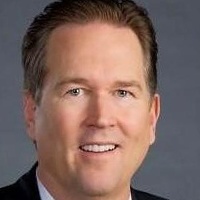
Vern Buchanan
Representative
FL
Vern Buchanan
Representative
FL
The Preserving Patient Access to Home Infusion Act updates Medicare coverage and payment rules for home infusion therapy starting in 2026 to ensure continued patient access. The bill explicitly adds pharmacy services to covered home infusion care and clarifies payment calculations for suppliers, including transitional rules based on infusion hours. Furthermore, it expands who can establish and review patient care plans to include nurse practitioners and physician assistants. Finally, the Act modifies definitions and payment rules for certain non-pump infusion drugs and stops separate Medicare payment for specific disposable supplies when infusion therapy is already being reimbursed.
This bill mandates a study and report on the effectiveness of home cardiorespiratory monitors for preventing sudden unexpected infant death (SUID) and provides recommendations for insurance coverage.
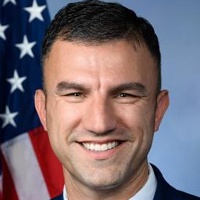
Rudy Yakym
Representative
IN
Rudy Yakym
Representative
IN
The Baby Observation Act mandates that the Secretary of Health and Human Services conduct a comprehensive study on the effectiveness of home cardiorespiratory monitors in preventing sudden unexpected infant death (SUID). The resulting report must detail the monitors' performance, suggest new infant care practices, and provide recommendations on criteria for insurance coverage. This aims to determine if these vital sign monitors warrant broader health insurance reimbursement.
This bill grants U.S. Armed Forces members serving in Kenya, Mali, Burkina Faso, and Chad the same tax benefits as those serving in designated combat zones.
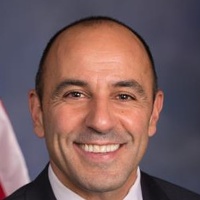
Jimmy Panetta
Representative
CA
Jimmy Panetta
Representative
CA
This bill extends combat zone tax benefits to members of the Armed Forces serving in Kenya, Mali, Burkina Faso, and Chad. It treats these locations as "qualified hazardous duty areas" for tax purposes, applying the same favorable rules used for official combat zones. This change impacts filing deadlines, income exclusions, and tax liability for service members in these specific regions.
Extends the statute of limitations to 10 years for prosecuting fraud related to specific pandemic unemployment programs and rescinds $5,000,000 from unspent COVID-19 relief funds.
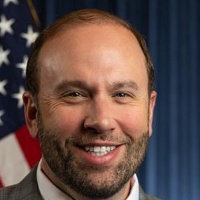
Jason Smith
Representative
MO
Jason Smith
Representative
MO
The "Pandemic Unemployment Fraud Enforcement Act" extends the statute of limitations to 10 years for prosecuting fraud related to specific pandemic unemployment programs. It applies to violations or conspiracies under Title 18 and Title 31 of the U.S. Code and rescinds $5,000,000 from previously allocated funds to offset the budget. The changes made by this law will begin on the date of enactment.
This Act eliminates the waiting periods for Social Security disability benefits and Medicare coverage for individuals diagnosed with metastatic breast cancer.
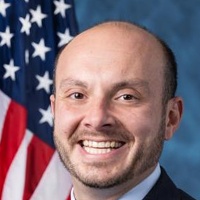
Andrew Garbarino
Representative
NY
Andrew Garbarino
Representative
NY
The Metastatic Breast Cancer Access to Care Act aims to improve support for individuals diagnosed with metastatic breast cancer. This bill eliminates the standard waiting period for receiving Social Security disability insurance benefits and waives the 24-month waiting period for Medicare coverage. These changes ensure immediate access to crucial financial and healthcare support upon diagnosis.
This bill allows investors to defer taxes on capital gain dividends from mutual funds when those dividends are automatically reinvested until the shares are sold or the investor passes away.
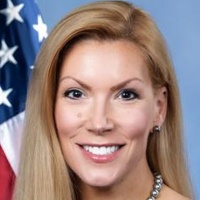
Beth Van Duyne
Representative
TX
Beth Van Duyne
Representative
TX
This bill, the Generating Retirement Ownership through Long-Term Holding Act, allows individual investors to defer paying taxes on capital gain dividends from mutual funds if those dividends are automatically reinvested into more fund shares. Taxes on these deferred gains are only due when the investor sells the shares or upon death. This provision aims to encourage long-term investment in mutual funds by providing immediate tax relief on reinvested earnings.
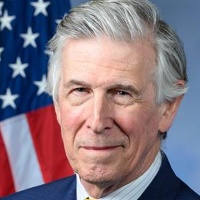
This act expands the Work Opportunity Tax Credit to include employers who hire qualified military spouses.
Donald Beyer
Representative
VA
Donald Beyer
Representative
VA
The Military Spouse Hiring Act amends the Internal Revenue Code to expand eligibility for the Work Opportunity Tax Credit (WOTC). This change allows employers to claim the tax credit for hiring qualified military spouses. A qualified military spouse is defined as someone certified as being married to a member of the U.S. Armed Forces.
This act amends the tax code to give businesses the option to immediately deduct or amortize (spread out over at least five years) their research and experimental expenditures.
Ron Estes
Representative
KS
Ron Estes
Representative
KS
The American Innovation and R&D Competitiveness Act of 2025 revises how businesses treat research and experimental (R&E) expenditures for tax purposes. Taxpayers can now choose between immediately deducting R&E costs or amortizing them over a period of at least 60 months. This legislation also makes technical adjustments to ensure consistency between immediate deductions and claiming the research tax credit.
The MATCH IT Act of 2025 mandates the creation of national standards and data requirements to improve the accuracy of patient record matching across healthcare systems, aiming to reduce safety risks and administrative costs.
Mike Kelly
Representative
PA
Mike Kelly
Representative
PA
The MATCH IT Act of 2025 aims to significantly improve patient safety and reduce healthcare costs by establishing national standards for accurate patient identification across health systems. This bill mandates the creation of clear definitions and minimum data sets necessary to achieve a near-perfect patient match rate. Furthermore, it introduces voluntary incentives through Medicare to encourage providers to adopt these new, higher standards for linking patient records.
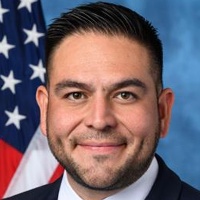
This bill increases the annual stipend for educational costs for veterans under the Post-9/11 Educational Assistance Program and adjusts it annually for inflation.
Gabriel (Gabe) Vasquez
Representative
NM
Gabriel (Gabe) Vasquez
Representative
NM
The Veteran Education Assistance Adjustment Act increases the annual stipend for books, supplies, and equipment for veterans under the Post-9/11 Educational Assistance Program from $1,000 to $1,400. Beginning in 2026, this stipend will be subject to annual increases based on the Consumer Price Index.
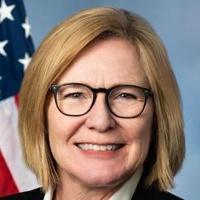
This bill clarifies that fully implanted active middle ear hearing devices are prosthetics under Medicare, ensuring coverage.
Michelle Fischbach
Representative
MN
Michelle Fischbach
Representative
MN
The Hearing Device Coverage Clarification Act requires the Centers for Medicare & Medicaid Services to clarify that fully implanted active middle ear hearing devices are prosthetics, not hearing aids, and thus not subject to the hearing aid coverage exclusion under the Social Security Act. This clarification must be made within 60 days of the Act's enactment. The Act ensures these devices are recognized as prosthetics, as defined in existing regulations.
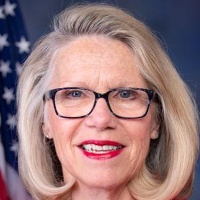
This bill reinstates the pre-American Rescue Plan Act threshold for third-party payment networks to report gig economy earnings to the IRS, requiring both over $20,000 in payments and over 200 transactions.
Carol Miller
Representative
WV
Carol Miller
Representative
WV
The Saving Gig Economy Taxpayers Act seeks to reinstate the previous, higher reporting thresholds for third-party payment processors issuing Form 1099-K. This means payment networks will only be required to report earnings to the IRS if a user exceeds both a \$20,000 total payment amount and 200 separate transactions in a calendar year. Furthermore, the bill applies this "de minimis" standard to backup withholding rules for these network payments starting in 2025.