Legislative Activity
Track Carol's sponsored bills, co-sponsored legislation, and voting record
The "Federal Firearms Licensee Protection Act of 2025" increases penalties for stealing firearms from licensed dealers, manufacturers, or importers, especially during burglaries or robberies, and clarifies related definitions.
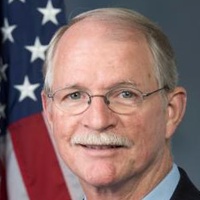
John Rutherford
Representative
FL
John Rutherford
Representative
FL
The "Federal Firearms Licensee Protection Act of 2025" increases penalties for stealing firearms from licensed dealers. It sets stricter punishments, including up to 20 years in prison, for violating laws related to firearm theft. The act also mandates minimum prison sentences of 3 years for burglaries and 5 years for robberies targeting licensed firearm businesses.
This bill expands the use of qualified tuition program funds to cover aviation maintenance and commercial pilot courses.
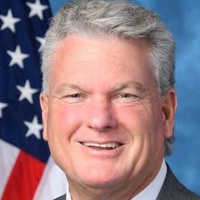
Mike Collins
Representative
GA
Mike Collins
Representative
GA
The Aviation Workforce Development Act amends the Internal Revenue Code to allow expenses for aviation maintenance and commercial pilot courses to be considered qualified higher education expenses for qualified tuition programs. This change applies to distributions made after the enactment of this law, aiming to support workforce development in the aviation sector.
The "Second Chances for Rural Hospitals Act" expands Medicare eligibility for rural emergency hospitals to include certain facilities that closed between 2014 and 2020, with modified payment rules for those near existing hospitals.
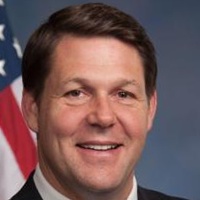
Jodey Arrington
Representative
TX
Jodey Arrington
Representative
TX
The "Second Chances for Rural Hospitals Act" broadens the definition of "rural emergency hospital" under Medicare, enabling certain previously closed rural hospitals to re-qualify. Effective January 1, 2027, it allows facilities that ceased operations between 2014 and 2020 to become rural emergency hospitals. It also modifies payment rules, specifying that increased payments will not apply to facilities located less than 35 miles from the nearest hospital.
The American Innovation Act of 2025 incentivizes entrepreneurship by increasing tax deductions for start-up costs, allowing unused losses and credits to be preserved after an ownership change under certain conditions.
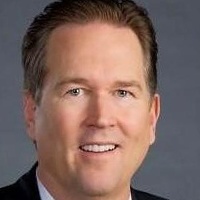
Vern Buchanan
Representative
FL
Vern Buchanan
Representative
FL
The American Innovation Act of 2025 modifies the tax code to simplify and expand deductions for start-up and organizational expenditures for new businesses, allowing businesses to deduct up to $20,000 in start-up costs in the first year. The Act also preserves start-up net operating losses and tax credits after an ownership change, with specific conditions to ensure the continuation of the business. These changes aim to support new businesses by providing more immediate tax relief and ensuring that their losses and credits are not entirely forfeited after an ownership change. The provisions of this act generally apply to businesses starting after December 31, 2025.
Nullifies the EPA's rule on greenhouse gas emissions from power plants and reinstates the Affordable Clean Energy Rule.
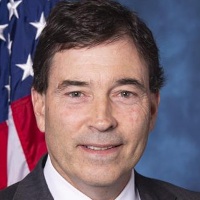
Troy Balderson
Representative
OH
Troy Balderson
Representative
OH
This bill nullifies the Environmental Protection Agency's rule on greenhouse gas emissions from power plants. The rule targeted new, modified, and reconstructed fossil fuel-fired electric generating units. It also set emission guidelines and repealed the Affordable Clean Energy Rule.
The "Rebuild America’s Health Care Schools Act of 2025" expands Medicare coverage to include all direct and indirect costs hospitals incur for nursing and allied health education programs, ensuring better funding and preventing recoupment of previously covered costs.
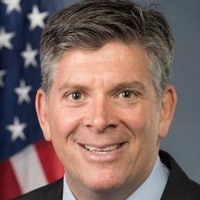
Darin LaHood
Representative
IL
Darin LaHood
Representative
IL
The "Rebuild America’s Health Care Schools Act of 2025" updates how Medicare reimburses hospitals for the costs of running nursing and allied health education programs. It broadens the definition of "reasonable costs" to include both direct and indirect expenses, regardless of whether they are incurred directly by the hospital or through related entities. The Act also requires the Secretary of Health and Human Services to issue rules implementing these changes and to refund hospitals for past cost reductions that would now be allowable. This aims to provide greater financial support for these crucial healthcare education programs.
Permanently allows individuals with health savings accounts (HSAs) to utilize telehealth services without needing to meet their deductible.
Jodey Arrington
Representative
TX
Jodey Arrington
Representative
TX
The "Telehealth Expansion Act of 2025" permanently allows individuals with Health Savings Accounts (HSAs) to access telehealth services without needing to meet their deductible first, starting after December 31, 2024. This removes a barrier to accessing telehealth services for HSA holders.
Extends preferential trade treatment for certain apparel imports from Haiti and restores eligibility for specific articles under the Caribbean Basin Economic Recovery Act until September 30, 2035.
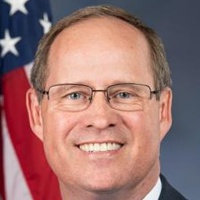
Gregory Murphy
Representative
NC
Gregory Murphy
Representative
NC
The Haiti Economic Lift Program Extension Act of 2025 extends preferential trade treatment to Haiti under the Caribbean Basin Economic Recovery Act until September 30, 2035. It clarifies eligibility for apparel articles containing U.S. fabric and restores preferential treatment for certain articles that were previously eligible. The Act aims to promote economic development in Haiti through trade benefits.
The TREATS Act amends the Controlled Substances Act to allow telehealth evaluations for prescribing certain medications for substance use disorder treatment.
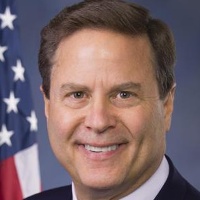
Donald Norcross
Representative
NJ
Donald Norcross
Representative
NJ
The TREATS Act amends the Controlled Substances Act to allow telehealth evaluations for prescribing certain controlled substances used in substance use disorder treatment. This removes the prior requirement for an in-person evaluation, enabling remote medical assessments via real-time audio-visual or audio-only communication, in accordance with federal and state laws. The goal of this bill is to increase access to treatment for substance use disorders.
This resolution condemns the Iranian regime’s terrorism and human rights abuses while affirming support for the Iranian people’s right to establish a democratic, secular, and non-nuclear republic.
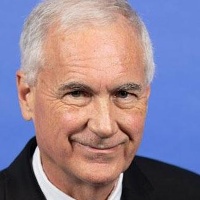
Tom McClintock
Representative
CA
Tom McClintock
Representative
CA
This resolution condemns the Iranian regime for its ongoing human rights abuses, state-sponsored terrorism, and regional instability. It expresses strong support for the Iranian people's struggle for a democratic, secular, and non-nuclear republic. Furthermore, the bill advocates for international accountability for the regime's crimes and calls for the protection of Iranian political refugees.
The SCREEN Act requires online platforms that host or provide pornographic content to implement technology to verify users' ages and prevent minors from accessing harmful material.
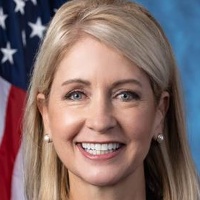
Mary Miller
Representative
IL
Mary Miller
Representative
IL
The SCREEN Act requires online platforms that host or provide pornographic content to implement technology verification measures to prevent minors from accessing harmful material. It mandates that these platforms use reliable age verification methods, undergo regular audits by the Federal Trade Commission (FTC) to ensure compliance, and protect user data collected during the verification process. The FTC is responsible for enforcing the Act, and the Government Accountability Office (GAO) must report to Congress on the effectiveness and impact of these measures. This act aims to protect children from the harmful effects of online pornography.
The "Workforce Reentry Act" establishes grants and pay-for-performance contracts to improve workforce reentry programs for ex-offenders, prioritizing partnerships that lead to credentials in high-demand occupations.
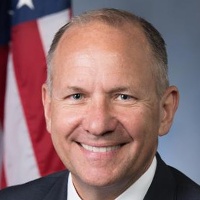
Lloyd Smucker
Representative
PA
Lloyd Smucker
Representative
PA
The "Workforce Reentry Act" aims to improve workforce reentry for ex-offenders by establishing the "ex-offenders Reentry Program Start-up Grants." These grants will be awarded to various entities, including nonprofits, local boards, and educational institutions, to provide skills development, job placement, and mentoring services to individuals recently released from prison or jail. The program prioritizes partnerships with businesses and educational institutions to offer training in high-demand occupations. Grantees must report on performance indicators, including recidivism rates, to ensure accountability and program effectiveness.
This bill would allow nurse practitioners and physician assistants to complete Medicare paperwork for covering certain shoes for people with diabetes.
Darin LaHood
Representative
IL
Darin LaHood
Representative
IL
The "Promoting Access to Diabetic Shoes Act" allows nurse practitioners and physician assistants to complete Medicare paperwork for covering therapeutic shoes for people with diabetes, increasing access to this benefit.
This bill expands the types of healthcare providers eligible to offer telehealth services under Medicare.
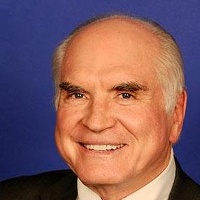
Mike Kelly
Representative
PA
Mike Kelly
Representative
PA
This bill amends Title XVIII of the Social Security Act to broaden access to telehealth services under Medicare. It expands the types of healthcare practitioners eligible to provide these services. This change aims to increase convenience and access to healthcare for Medicare beneficiaries.
To award a Congressional Gold Medal to the 761st Tank Battalion, the first Black soldiers to serve in an American armored unit, for their valor and crucial contributions to the Allied victory in Europe.
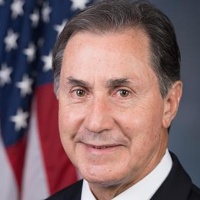
Gary Palmer
Representative
AL
Gary Palmer
Representative
AL
This bill authorizes the Speaker of the House and the President pro tempore of the Senate to award a Congressional Gold Medal to the 761st Tank Battalion, also known as the "Black Panthers," in recognition of their courageous service and crucial contributions during World War II. The medal will be given to the National Museum of African American History and Culture for display, honoring the 761st as the first Black soldiers to serve in an American armored unit and their significant role in the Allied victory in Europe. The bill also allows for the creation and sale of bronze duplicates of the medal to support the United States Mint Public Enterprise Fund.
The "Delivering for Rural Seniors Act of 2025" establishes a pilot program providing grants to states for home delivery of commodities to low-income elderly people, especially in rural areas, from 2026-2028.
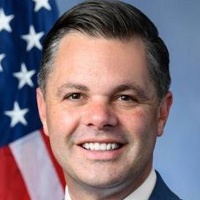
Zachary (Zach) Nunn
Representative
IA
Zachary (Zach) Nunn
Representative
IA
The "Delivering for Rural Seniors Act of 2025" aims to improve food access for low-income elderly individuals in rural areas by establishing a pilot program for home delivery of commodities. The program will award grants to state agencies, prioritizing those serving rural areas, to cover costs associated with transportation, staffing, and outreach. This act authorizes $10 million annually from 2026 to 2028 for these initiatives.
The "Access Technology Affordability Act of 2025" creates a tax credit of up to $2,000 every three years for blind individuals who purchase qualified access technology.
Mike Kelly
Representative
PA
Mike Kelly
Representative
PA
The "Access Technology Affordability Act of 2025" introduces a tax credit for blind individuals who purchase qualified access technology, such as hardware or software that converts visual information into accessible formats. The credit is capped at $2,000 per blind individual over any three consecutive tax years and will be adjusted for inflation after 2026. This credit is effective for tax years starting after December 31, 2025, and expires after December 31, 2030. It ensures that individuals cannot claim double benefits for the same expenses.
The Leveling the Playing Field 2.0 Act strengthens U.S. trade laws to counteract unfair trade practices like foreign subsidies, currency manipulation, and duty evasion, ensuring fair competition for American businesses.
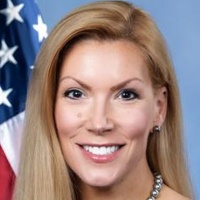
Beth Van Duyne
Representative
TX
Beth Van Duyne
Representative
TX
The Leveling the Playing Field 2.0 Act aims to strengthen U.S. trade laws by addressing unfair subsidies, currency undervaluation, duty evasion, and circumvention of trade remedies. It refines the process for handling successive trade investigations, ensuring that the International Trade Commission considers prior findings and assesses cumulative effects on domestic industries. The act also empowers authorities to counteract cost distortions in foreign countries and prevent importers from avoiding duties. Additionally, it includes provisions related to trade with Canada and Mexico and sets effective dates for new regulations.
The "DOC Access Act of 2025" aims to improve dental and vision care coverage by ensuring fair payment practices, protecting providers' choices, and upholding state regulatory authority.
Earl Carter
Representative
GA
Earl Carter
Representative
GA
The "DOC Access Act of 2025" aims to enhance health care coverage under vision and dental plans by ensuring fair payment practices, protecting doctors' choices in labs and suppliers, and respecting state laws. It allows optometrists and dentists to charge their standard rate for non-covered services if the plan's payment is unreasonable, while ensuring they can only charge the contracted rate for dental cleanings. The bill also gives doctors more control over agreement extensions with limited benefit plans and allows them to opt out of certain provisions. Ultimately, this act seeks to balance federal guidelines with state oversight in regulating health insurance issuers and dental or vision benefit plans.
The "New Era of Preventing End-Stage Kidney Disease Act" aims to improve research, early intervention, and treatment for rare kidney diseases through centers of excellence, studies, and provider education initiatives.

Gus Bilirakis
Representative
FL
Gus Bilirakis
Representative
FL
The "New Era of Preventing End-Stage Kidney Disease Act" aims to improve the prevention, diagnosis, and treatment of rare kidney diseases through research, education, and increased public awareness. It establishes Centers of Excellence for Rare Kidney Disease Research, directs studies on testing and treatment approaches, and promotes provider education in nephrology. The Act prioritizes addressing disparities in affected populations and seeks to delay or eliminate the need for dialysis and transplant. It authorizes appropriations for these activities from 2026 through 2030.