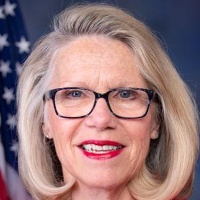
Legislative Activity
Track Carol's sponsored bills, co-sponsored legislation, and voting record
This act establishes a VA pilot program to expand veteran access to comprehensive, virtual-based opioid treatment through telehealth and interagency coordination.
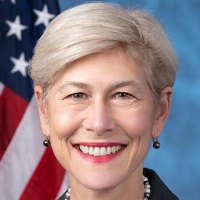
Deborah Ross
Representative
NC
Deborah Ross
Representative
NC
The Virtual-Based Opioid Treatment for Veterans Act establishes a pilot program to expand veteran access to telehealth-based medication-assisted treatment for opioid use disorder. This initiative creates referral networks and interagency partnerships to overcome barriers to traditional in-person care. Additionally, the Act mandates ongoing studies and reporting to evaluate the program's effectiveness in improving health outcomes for veterans.
This resolution expresses the House of Representatives' support for Charleston, South Carolina, to host the 2027 annual session of the OSCE Parliamentary Assembly.
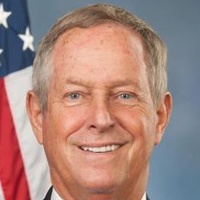
Joe Wilson
Representative
SC
Joe Wilson
Representative
SC
This resolution expresses the support of the House of Representatives for Charleston, South Carolina, to host the 2027 annual session of the Organization for Security and Cooperation in Europe (OSCE) Parliamentary Assembly. It highlights the city’s world-class infrastructure and honors the legacy of the late Senator Lindsey Olin Graham by advocating for the event to proceed as originally planned.
This bill reauthorizes the Accelerating Access to Critical Therapies for ALS Act through 2031 while enhancing grant oversight, safety reporting requirements, and FDA strategic planning for rare neurodegenerative diseases.

Mike Quigley
Representative
IL
Mike Quigley
Representative
IL
The Accelerating Access to Critical Therapies for ALS Reauthorization Act of 2026 extends vital funding for ALS research and clinical trial programs through 2031. This legislation strengthens oversight by enhancing grant review processes, improving safety reporting requirements, and mandating a comprehensive five-year FDA action plan to accelerate the development of treatments for rare neurodegenerative diseases.
This bill clarifies that a franchisor is only considered a joint employer of a franchisee's workers if it exercises substantial, direct, and immediate control over essential terms of employment.
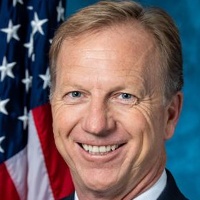
Kevin Hern
Representative
OK
Kevin Hern
Representative
OK
The American Franchise Act aims to protect the traditional franchise business model by clarifying the definition of a "joint employer." This legislation establishes that a franchisor is only considered a joint employer if it exercises "substantial direct and immediate control" over the essential terms of employment for a franchisee's workers. This change specifically targets liability risks associated with maintaining brand standards, ensuring franchisors are not automatically held responsible for local labor practices. The new standard applies prospectively to future legal proceedings.
Tyler's Law mandates a study and subsequent guidance on the routine testing for fentanyl in hospital emergency departments during overdose treatment.
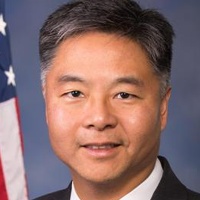
Ted Lieu
Representative
CA
Ted Lieu
Representative
CA
Tyler's Law mandates a comprehensive study by the Secretary of Health and Human Services on the frequency, cost, and impact of fentanyl testing in hospital emergency departments during overdose cases. Following the study, the Secretary must issue guidance on whether routine fentanyl testing should become standard practice for overdose patients. This guidance will also address staff training regarding existing drug test panels and the long-term health implications of such testing.
The Patients First Act of 2026 reforms Medicare physician payment systems to ensure more stable, predictable reimbursement for providers while improving patient access to primary care and value-based services.
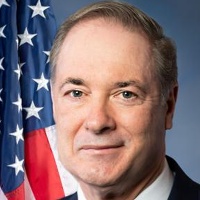
John Joyce
Representative
PA
John Joyce
Representative
PA
The Patients First Act of 2026 is comprehensive legislation designed to stabilize Medicare physician payments, improve patient access to primary care, and transition the current quality reporting system to a more clinician-led framework. By modernizing reimbursement formulas, reducing financial volatility for providers, and increasing transparency in value-based care models, the bill aims to ensure a more sustainable and predictable healthcare environment. These reforms seek to lower out-of-pocket costs for patients while supporting the long-term viability of medical practices.
This bill mandates electronic prior authorization, increases transparency through required data reporting, and establishes faster decision timelines for Medicare Advantage plans to improve timely access to care for seniors.
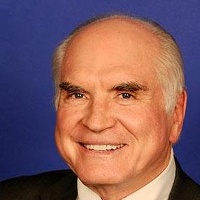
Mike Kelly
Representative
PA
Mike Kelly
Representative
PA
The Improving Seniors’ Timely Access to Care Act of 2025 aims to streamline and modernize the prior authorization process within Medicare Advantage plans. This bill mandates the adoption of electronic prior authorization systems and significantly increases transparency regarding approval rates and decision times starting in 2027. Furthermore, it establishes new enrollee protections and grants the Secretary authority to enforce faster decision timeframes for medical services.
This bill extends reduced Medicare payment rates for long-term care hospitals through 2032 while creating a new high-acuity exemption pathway for certain discharges.
Kevin Hern
Representative
OK
Kevin Hern
Representative
OK
The Saving Today’s Acute-Care Resources (STAR) Act extends reduced Medicare payment rates for long-term care hospitals (LTCHs) through fiscal year 2032. It introduces a new pathway for LTCHs to be exempt from these site-neutral payments based on a high clinical severity threshold for certain patient discharges. The bill also modifies existing exemption criteria related to prior intensive care unit stays and ventilator use to allow for qualifying preceding stays in LTCHs or critical access hospitals.
This bill directs the Secretary of the Army to establish standardized, streamlined review procedures for non-federal hydropower project applications.
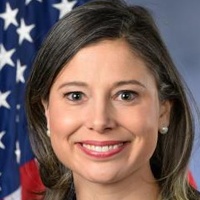
Maggie Goodlander
Representative
NH
Maggie Goodlander
Representative
NH
This bill directs the Secretary of the Army to establish standardized, transparent review procedures for non-federal hydropower project applications. By implementing clear checklists and defined timelines, the legislation aims to streamline the approval process and prevent unnecessary delays during the initial completeness review phase.
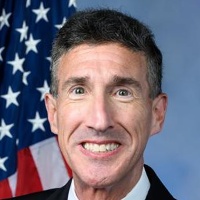
The Rural Patient Monitoring Access Act establishes a minimum payment floor for rural remote patient monitoring services and sets new quality and reporting requirements for Medicare reimbursement starting in 2026.
David Kustoff
Representative
TN
David Kustoff
Representative
TN
The Rural Patient Monitoring Access Act aims to improve access to remote patient monitoring (RPM) for rural Medicare beneficiaries. It establishes a minimum payment floor for the geographic indices used to calculate practice expense and malpractice costs for RPM services starting in 2026. Furthermore, the bill sets new quality requirements for RPM providers to qualify for Medicare payment, including real-time clinical availability and data interoperability. Finally, it mandates a future report analyzing the actual cost savings generated by these enhanced RPM services.
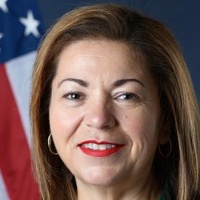
This resolution designates July 10th as Journeyman Lineworkers Recognition Day to honor the essential service and sacrifices of the professionals who maintain our nation’s power grid.
Linda Sánchez
Representative
CA
Linda Sánchez
Representative
CA
This resolution designates July 10th as Journeyman Lineworkers Recognition Day to honor the essential, high-risk work performed by these skilled professionals. It pays tribute to the lineworkers who provide critical service during emergencies and recognizes those who have made the ultimate sacrifice in the line of duty.
The SECURE 340B Act establishes a comprehensive framework to strengthen oversight, transparency, and accountability within the 340B drug pricing program by refining eligibility standards, enhancing audit requirements, and protecting patient access.

Scott Peters
Representative
CA
Scott Peters
Representative
CA
The SECURE 340B Act establishes a comprehensive framework to increase transparency, accountability, and oversight within the 340B drug pricing program. The bill introduces clear definitions for patient eligibility, mandates rigorous reporting and auditing standards for covered entities and contract pharmacies, and prohibits discriminatory practices by health plans and pharmacy benefit managers. Additionally, it implements new patient affordability protections and creates a data clearinghouse to prevent duplicate discounts and ensure program integrity.
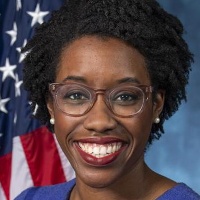
The Residential Recovery for Seniors Act expands Medicare Part A coverage to include three levels of residential substance use disorder treatment services.
Lauren Underwood
Representative
IL
Lauren Underwood
Representative
IL
The Residential Recovery for Seniors Act expands Medicare Part A coverage to include three levels of residential substance use disorder treatment. By establishing clear clinical standards and a new prospective payment system, this legislation ensures seniors have access to essential, evidence-based addiction recovery services.
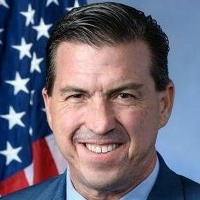
This Act establishes the Methane Removal Research Initiative to advance scientific understanding and development of technologies for removing atmospheric methane.
Kevin Mullin
Representative
CA
Kevin Mullin
Representative
CA
The Methane Removal Research and Innovation Act of 2026 establishes a dedicated Methane Removal Research Initiative led by the Department of Energy. This initiative will fund multidisciplinary research to advance scientific understanding and develop practical methods for removing methane from the atmosphere. The bill authorizes $25 million annually from fiscal years 2027 through 2031 to support this critical research effort.
This bill renames and revises the Great American Outdoors Act's maintenance fund, increases dedicated funding through new, higher fees for foreign visitors, and sets spending priorities for deferred maintenance across public lands agencies.
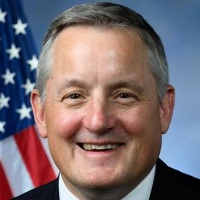
Bruce Westerman
Representative
AR
Bruce Westerman
Representative
AR
This bill, the Great American Outdoors Act 250, significantly reforms and renames the existing public lands restoration fund to the America’s Legacy Restoration Fund. It secures dedicated funding streams, primarily from energy revenues and new fees on foreign visitors, to address critical deferred maintenance across the National Park Service, Forest Service, and other public land agencies. The legislation establishes strict spending priorities for infrastructure repair while also creating pilot programs for enhancing outdoor recreation and sportsmen's access. Finally, it mandates increased transparency and accountability through standardized metrics and public reporting on all funded projects.
This bill mandates the expansion of NIH research on polycystic kidney disease (PKD) and requires the creation of a comprehensive PKD research roadmap.
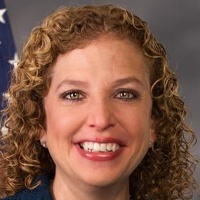
Debbie Wasserman Schultz
Representative
FL
Debbie Wasserman Schultz
Representative
FL
The PKD Cures Act aims to combat polycystic kidney disease (PKD), a common, life-threatening genetic condition that often leads to kidney failure. This legislation mandates the National Institutes of Health (NIH) to significantly expand and intensify research into PKD mechanisms, treatments, and cures. Furthermore, it requires the NIH to develop a comprehensive, strategic research roadmap in collaboration with experts and patient advocates.
This resolution calls upon Americans to honor the service members who died defending freedom and peace on Memorial Day, 2026.
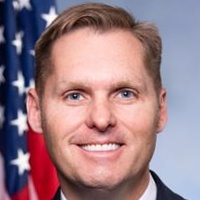
Michael Guest
Representative
MS
Michael Guest
Representative
MS
This resolution calls upon all Americans to honor the service members who died defending freedom and peace, particularly on Memorial Day 2026. It recognizes the ultimate sacrifice of over one million Americans in pursuit of these ideals. The bill emphasizes the importance of continuing to express gratitude and commemorate these patriots.
This bill establishes the Smithsonian American Women's History Museum, designates its site on the National Mall, and sets requirements for its mission, construction, and diverse representation of viewpoints.
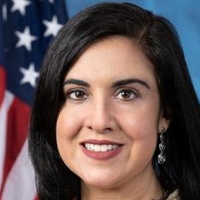
Nicole Malliotakis
Representative
NY
Nicole Malliotakis
Representative
NY
This act officially establishes the Smithsonian American Women’s History Museum and designates its location on the National Mall, requiring the transfer of land jurisdiction to the Smithsonian Institution. The museum is mandated to preserve and present the history and achievements of biological women in the United States. Furthermore, the legislation requires that exhibits and programs reflect diverse political viewpoints and authentic experiences of women, as guided by a broad array of knowledgeable sources.
This bill strengthens the integrity of the TANF program by mandating improper payment reviews, restricting funds to lower-income families, setting deadlines for fund usage, and prohibiting states from using federal funds to replace their own spending.
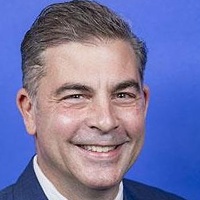
Mike Carey
Representative
OH
Mike Carey
Representative
OH
The Preventing Waste, Fraud, and Abuse in TANF Act aims to strengthen oversight of the Temporary Assistance for Needy Families (TANF) program by applying federal improper payment review standards to state programs. It also restricts the use of federal TANF grants to families with incomes below twice the federal poverty level and establishes strict deadlines for states to obligate and spend these block grant funds. Furthermore, the bill prohibits states from using federal TANF dollars to replace existing state or local spending on eligible activities.
This Act establishes a temporary zero-interest loan program to help eligible, long-standing rural hospitals replace, improve, or renovate their facilities.
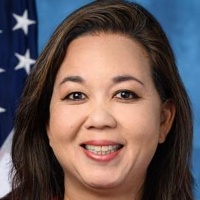
Jill Tokuda
Representative
HI
Jill Tokuda
Representative
HI
The Rural Hospital Revitalization Act of 2026 establishes a temporary, zero-interest loan program to help eligible, long-standing rural hospitals replace, improve, or renovate their facilities. Loans prioritize hospitals serving the most remote and underserved populations, offering a five-year interest-free period with potential renewals based on financial need and community impact. Following the initial period, loans are refinanced under standard terms unless the hospital remains financially vulnerable, in which case further interest-free extensions or technical assistance are provided.