Legislative Activity
Track Daniel's sponsored bills, co-sponsored legislation, and voting record
This resolution supports the goals of National Rural Health Day by recognizing the vital role of rural communities and committing to policies that improve rural healthcare access and affordability.
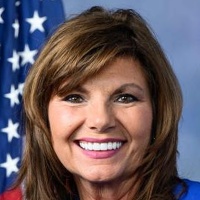
Diana Harshbarger
Representative
TN
Diana Harshbarger
Representative
TN
This resolution officially recognizes and supports the goals of National Rural Health Day to honor the vital role of rural communities and their healthcare providers. It acknowledges the unique challenges faced by rural residents, such as limited access to care and hospital closures. The bill expresses a commitment to advancing policies that improve the accessibility and affordability of healthcare in rural America.
This resolution expresses support for designating a week in October 2025 as "Careers in Energy Week" to recognize the energy workforce and promote career opportunities in the sector.
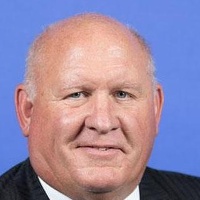
Glenn Thompson
Representative
PA
Glenn Thompson
Representative
PA
This resolution expresses strong support for designating a specific week in October 2025 as "Careers in Energy Week." It aims to honor the vital contributions of the energy workforce and highlight the numerous rewarding career opportunities available across the sector. Furthermore, the bill encourages educational partnerships to promote necessary skills and prepare the future workforce for the evolving energy industry.
The Shutdown Fairness Act guarantees pay for essential federal employees and contractors required to work during a lapse in appropriations, effective retroactively to September 30, 2025.
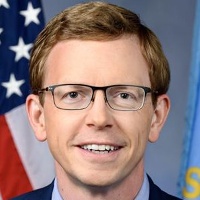
Dusty Johnson
Representative
SD
Dusty Johnson
Representative
SD
The Shutdown Fairness Act ensures that federal employees and contractors deemed essential are automatically paid for the work they perform during a lapse in appropriations, starting in fiscal year 2026. This automatic funding mechanism from the Treasury covers standard pay and benefits for excepted employees until Congress passes a full-year budget. Once regular funding is enacted, these payments are charged against the agency's final appropriation.
This resolution supports designating a week in October 2025 as "Coal Week" to recognize the vital contributions of the coal industry and its workers to the nation's economy and security.
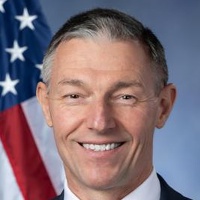
Mike Kennedy
Representative
UT
Mike Kennedy
Representative
UT
This resolution officially supports designating the week beginning October 19, 2025, as "Coal Week." It recognizes the vital contributions of the coal industry and its workers to the nation's economy and national security. The measure also commends the progress made in reducing coal-related emissions through advanced technologies.
This resolution honors the life and legacy of Charles "Charlie" James Kirk, condemns his assassination as political violence, and calls for a renewed commitment to civil discourse and American founding principles.

Mike Johnson
Representative
LA
Mike Johnson
Representative
LA
This resolution honors the life and legacy of Charles "Charlie" James Kirk, founder of Turning Point USA. It strongly condemns his assassination as an act of political violence. The bill calls for a renewed national commitment to civil discourse and the founding principles of the United States.
This bill establishes a centralized online portal managed by the Appraisal Subcommittee for appraiser credentialing, AMC registration, fee collection, and streamlined FBI background checks, while preserving state licensing authority.
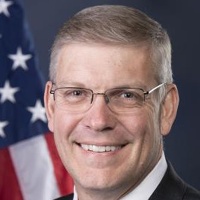
Barry Loudermilk
Representative
GA
Barry Loudermilk
Representative
GA
The Portal for Appraisal Licensing Act of 2025 establishes a centralized, cloud-based system managed by the Appraisal Subcommittee for appraiser credentialing and AMC registration. This portal will streamline license submissions, fee payments, and access to required FBI background checks for state regulators. While the system centralizes data and tracking via unique IDs, states retain final authority over licensing decisions. The Subcommittee will establish an advisory committee and charge reasonable user fees to fund the portal's development and maintenance.
This resolution urges that all future U.S. trade agreements must mandate reasonable cooperation from partner nations to facilitate the search and recovery of missing American service members from past conflicts.
Glenn Thompson
Representative
PA
Glenn Thompson
Representative
PA
This resolution expresses the sense of Congress that all future U.S. trade agreements must require partner nations to provide reasonable access and collaboration for the search and recovery of missing U.S. service members. It directs that cooperation on accounting for Prisoners of War/Missing in Action (POW/MIA) be a mandatory component of international trade partnerships. The goal is to streamline and accelerate efforts to bring closure for families of personnel missing from past conflicts.
The America’s CHILDREN Act of 2025 establishes a path to permanent residency for certain long-term college graduates who entered the U.S. as dependents of work visa holders and updates age-out protections for dependent children.
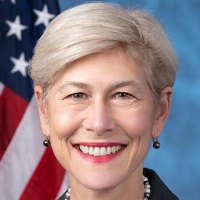
Deborah Ross
Representative
NC
Deborah Ross
Representative
NC
The America’s CHILDREN Act of 2025 establishes a new pathway to permanent residency for certain individuals who entered the U.S. as children, lived here legally for at least eight years as dependents of work visa holders, and subsequently earned a U.S. college degree. The bill also introduces significant "age-out" protections, allowing long-term dependents to retain their original priority dates for visa processing. Furthermore, it clarifies rules for derivative beneficiaries, potentially granting them work authorization in certain dependent statuses.
This bill reauthorizes and extends funding for the Special Diabetes Programs through fiscal year 2030 at \$160 million annually.

Diana DeGette
Representative
CO
Diana DeGette
Representative
CO
The Special Diabetes Program Reauthorization Act of 2025 extends critical funding for the Special Diabetes Programs supporting Type 1 diabetes research and prevention. This bill commits $160 million annually for the program from fiscal years 2026 through 2030. The legislation ensures continued support for these vital diabetes initiatives over the next five years.
This Act mandates that new passenger motor vehicles sold in the U.S. must include standard equipment capable of receiving AM broadcast radio signals.

Gus Bilirakis
Representative
FL
Gus Bilirakis
Representative
FL
The AM Radio for Every Vehicle Act of 2025 mandates that the Secretary of Transportation establish a rule requiring AM broadcast radio receivers to be installed as standard equipment in new passenger motor vehicles. This requirement aims to ensure public access to AM radio signals, which are often used for emergency alerts. The bill also directs a GAO study on the effectiveness of AM radio within the national emergency alert system compared to other technologies. Finally, the Act preempts state and local laws on this matter and includes a sunset provision eight years after enactment.
This bill amends the Social Security Act to provide Medicare coverage for FDA-approved multi-cancer early detection screening tests starting in 2028.
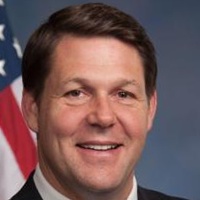
Jodey Arrington
Representative
TX
Jodey Arrington
Representative
TX
The Nancy Gardner Sewell Medicare Multi-Cancer Early Detection Screening Coverage Act amends the Social Security Act to provide Medicare Part B coverage for multi-cancer early detection screening tests starting January 1, 2028. This legislation establishes clear criteria for qualifying tests and outlines payment structures to ensure beneficiaries have access to these advanced diagnostic tools. Importantly, this coverage is designed to complement, rather than replace, existing Medicare-covered cancer screenings.
This bill ensures Medicare coverage for certain breakthrough medical devices during a four-year transitional period while accelerating the final coverage decision process.
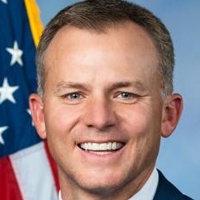
Blake Moore
Representative
UT
Blake Moore
Representative
UT
This Act, the Ensuring Patient Access to Critical Breakthrough Products Act, aims to speed up Medicare coverage for innovative, FDA-approved "breakthrough devices." It establishes a process for manufacturers to gain a four-year transitional coverage period for these devices, ensuring patients have timely access while long-term coverage decisions are finalized. The bill also allocates funding to CMS to manage these expedited reviews and allows for oversight of provider billing practices related to these new technologies.
This Act ensures the automatic continuation of pay for active duty military personnel and essential civilian support staff if Congress fails to pass a budget for fiscal year 2026.
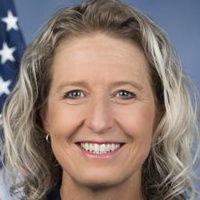
Jennifer Kiggans
Representative
VA
Jennifer Kiggans
Representative
VA
The Pay Our Troops Act of 2026 ensures that active duty military personnel and essential civilian support staff continue to receive their pay if Congress has not yet passed the full budget for fiscal year 2026. This act provides automatic continuing appropriations from the Treasury to prevent a lapse in military salaries due to budget delays. The funding automatically terminates once a new budget or continuing resolution is passed, or on January 1, 2027, whichever comes first.
This bill establishes a program to identify and correct the grave markers of Jewish servicemembers mistakenly buried under Latin Crosses in overseas U.S. military cemeteries.
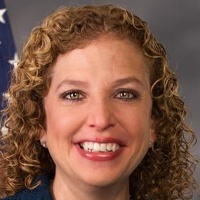
Debbie Wasserman Schultz
Representative
FL
Debbie Wasserman Schultz
Representative
FL
This act establishes the Fallen Servicemembers Religious Heritage Restoration Program to correct historical errors where Jewish service members killed in WWI and WWII were mistakenly buried under non-Jewish grave markers overseas. The American Battle Monuments Commission will contract with a nonprofit organization to identify these "covered members" and contact their survivors over a five-year period. The legislation also extends a deadline related to certain pension payments.
This bill extends the authorization for the Small Business Innovation Research (SBIR) and Small Business Technology Transfer (STTR) programs and related activities for one additional year, through fiscal year 2026.
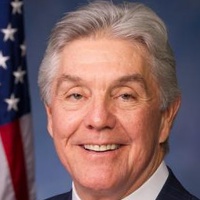
Roger Williams
Representative
TX
Roger Williams
Representative
TX
This bill primarily focuses on extending the authorization for the Small Business Innovation Research (SBIR) and Small Business Technology Transfer (STTR) programs by one year. It pushes the expiration dates for the core programs and several related pilot activities from fiscal year 2025 to fiscal year 2026. This ensures continued federal research and development funding opportunities for small businesses.
This bill establishes a regulated process for pension plan fiduciaries to transfer eligible unclaimed retirement distributions to state unclaimed property programs, protecting them from liability if proper search and notification procedures are followed.
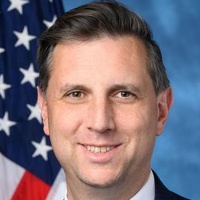
Seth Magaziner
Representative
RI
Seth Magaziner
Representative
RI
The Unclaimed Retirement Rescue Plan establishes a process for pension plan administrators to transfer forgotten retirement funds to state unclaimed property programs via a national clearinghouse. Before transferring distributions of $50 or more, plans must attempt to locate the owner using databases and send a warning notice if new contact information is found. This act protects plan fiduciaries from liability for following these new transfer rules and mandates confidential reporting of all transfers to the Department of Labor.
This resolution formally condemns the assassination of Charlie Kirk and reaffirms the right to peaceful assembly against political violence.
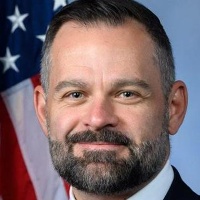
Cory Mills
Representative
FL
Cory Mills
Representative
FL
This resolution formally condemns the horrific political assassination of conservative spokesman Charlie Kirk on September 10, 2025, in Orem, Utah. It expresses deep condolences to his family and recognizes the bravery of the first responders at the scene. Ultimately, the measure reaffirms the fundamental American right to peaceful assembly and stands firmly against political violence.
The PART Act establishes new federal requirements for marking catalytic converters, creates a grant program for VIN stamping, tightens record-keeping for used parts dealers, and increases criminal penalties for theft and trafficking of catalytic converters.
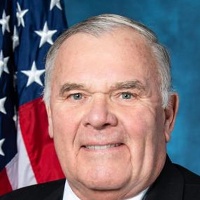
James Baird
Representative
IN
James Baird
Representative
IN
The PART Act aims to combat catalytic converter theft by requiring new vehicles to have traceable identifying markers on these parts. It establishes a federal grant program to help entities stamp identifying numbers onto existing converters. Furthermore, the bill imposes strict record-keeping requirements on businesses that buy used converters and creates new federal criminal penalties for stealing or trafficking stolen catalytic converters.
This Act limits the sharing of consumer reports requested in connection with a residential mortgage loan to prevent unauthorized access to homebuyers' sensitive financial information.
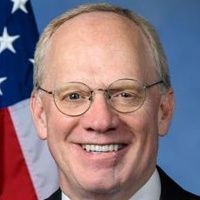
John Rose
Representative
TN
John Rose
Representative
TN
The Homebuyers Privacy Protection Act limits how consumer reporting agencies can share a consumer's report when it is requested in connection with a residential mortgage loan. Reports can only be shared with entities directly involved in the consumer's current mortgage or those providing a firm offer of credit or insurance. The Act also mandates a study by the GAO regarding the use and impact of "trigger leads" derived from credit checks.
This Act establishes a multi-sector Task Force, led by the Treasury Secretary, to study, recommend strategies for, and report on preventing evolving electronic payment scams.
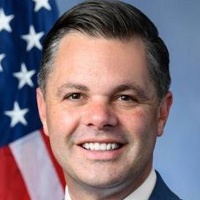
Zachary (Zach) Nunn
Representative
IA
Zachary (Zach) Nunn
Representative
IA
The Taskforce for Recognizing and Averting Payment Scams Act (TRAPS Act) establishes a new Task Force led by the Secretary of the Treasury. This diverse group, including federal agencies, industry experts, and consumer advocates, will study evolving payment scams. The Task Force is charged with developing cross-sector prevention strategies and submitting comprehensive recommendations for new laws and improved coordination to combat these fraudulent activities.