Legislative Activity
Track Daniel's sponsored bills, co-sponsored legislation, and voting record
This Act allows schools participating in the National School Lunch Program to offer organic or non-organic whole milk alongside other options, while clarifying saturated fat accounting and restricting milk sourcing from China state-owned enterprises.
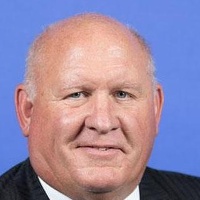
Glenn Thompson
Representative
PA
Glenn Thompson
Representative
PA
The Whole Milk for Healthy Kids Act of 2025 expands milk options available to students in the National School Lunch Program by allowing schools to offer organic or non-organic whole milk. This legislation provides greater flexibility for schools in providing fluid milk choices while maintaining accommodations for students with special dietary needs. Importantly, the saturated fat content of these offered milk options will not count toward the meal's overall saturated fat limits.
The Honoring Our Fallen Heroes Act of 2025 expands public safety officer benefits to include disability and death coverage for certain cancers presumed to be caused by on-duty exposure to carcinogens, and clarifies "line of duty" definitions for first responder benefits.
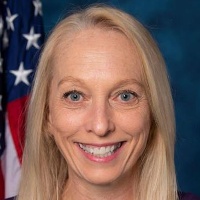
Mary Scanlon
Representative
PA
Mary Scanlon
Representative
PA
The Honoring Our Fallen Heroes Act of 2025 expands public safety officer benefits to include deaths and disabilities caused by exposure-related cancers, presuming that certain cancers diagnosed within 15 years of service are line-of-duty injuries if the officer served for at least 5 years. It defines "exposure-related cancer" and allows for updates to the list based on medical evidence, while also permitting individuals to petition for additions. The Act also clarifies "line of duty action" and applies retroactively to claims dating back to January 1, 2020, with a three-year window for filing claims based on these amendments.
The United States-Israel Defense Partnership Act of 2025 bolsters defense cooperation between the U.S. and Israel through joint programs, funding increases, and extended authorities related to countering unmanned systems, anti-tunnel technology, emerging technologies, and war reserve stockpiles, while also exploring Israel's inclusion in the national technology and industrial base and assessing integrated air and missile defense in the CENTCOM region.
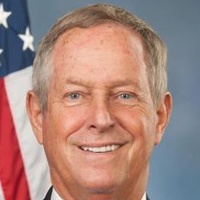
Joe Wilson
Representative
SC
Joe Wilson
Representative
SC
The United States-Israel Defense Partnership Act of 2025 seeks to bolster the defense relationship between the United States and Israel through joint initiatives and increased cooperation. It establishes programs to counter unmanned systems, extend anti-tunnel and counter-UAS cooperation, and promote collaboration in emerging technologies like AI and cybersecurity. The act also mandates the establishment of a Defense Innovation Unit office in Israel and assesses integrated air and missile defense in the U.S. Central Command region. Finally, it explores Israel's potential inclusion in the national technology and industrial base.
The "Stop CCP Land Act" restricts states from receiving certain federal funds if they do not prohibit covered foreign countries, including those on the State Department's Defense Trade Control Country Policies List and Russia, from purchasing agricultural land.
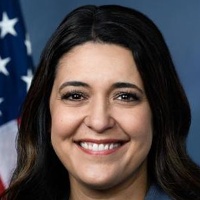
Stephanie Bice
Representative
OK
Stephanie Bice
Representative
OK
The "Stop CCP Land Act" aims to restrict states from receiving certain federal funds if they do not prohibit covered foreign countries, including those on the State Department's Defense Trade Control Country Policies List and Russia, from purchasing agricultural land. It mandates annual reporting for individuals from these countries who already own agricultural land and requires reports to Congress on improving monitoring of foreign investment in agricultural land and assessing the Act's impact on national security. This act defines "agricultural land," "foreign person," and "covered program funds" to ensure clarity in implementation.
This bill extends the beneficial ownership information reporting deadline for pre-existing small businesses to January 1, 2026, to reduce their administrative burden.
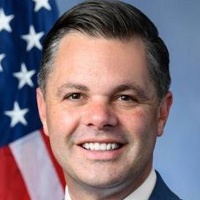
Zachary (Zach) Nunn
Representative
IA
Zachary (Zach) Nunn
Representative
IA
The Protect Small Businesses from Excessive Paperwork Act of 2025 provides regulatory relief by extending the filing deadline for beneficial ownership information reports. Under this legislation, companies formed before January 1, 2024, now have until January 1, 2026, to comply with Corporate Transparency Act requirements.
This bill excludes certain veterans’ disability benefits from income calculations for HUD-VASH and other housing assistance programs to increase eligibility for unhoused disabled veterans.
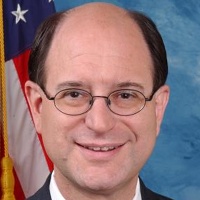
Brad Sherman
Representative
CA
Brad Sherman
Representative
CA
The Housing Unhoused Disabled Veterans Act aims to increase housing accessibility for veterans by excluding VA disability benefits from income calculations for HUD-VASH and other specific housing programs. By disregarding these benefits when determining eligibility, the bill ensures that disabled veterans can more easily qualify for essential housing assistance.
The Credit Union Board Modernization Act updates federal requirements to allow credit unions to determine board meeting frequency based on their age and financial performance ratings.
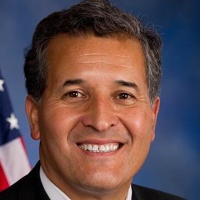
Juan Vargas
Representative
CA
Juan Vargas
Representative
CA
The Credit Union Board Modernization Act updates federal requirements for board of directors meetings, moving away from a mandatory monthly schedule. Under this bill, meeting frequency will be determined by a credit union’s age and its financial performance ratings, allowing high-performing institutions greater operational flexibility while maintaining oversight for newer or lower-rated credit unions.
This bill directs the U.S. Treasury to oppose increasing the Chinese renminbi’s weight in the IMF’s Special Drawing Rights basket unless China meets specific transparency, currency, and international debt standards.
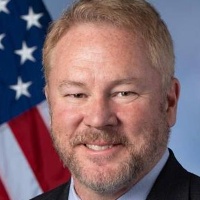
Warren Davidson
Representative
OH
Warren Davidson
Representative
OH
The Chinese Currency Accountability Act of 2025 directs the U.S. to oppose any increase in the Chinese renminbi’s weight within the International Monetary Fund’s (IMF) Special Drawing Rights basket. This opposition remains in effect unless China meets specific benchmarks regarding currency transparency, fair trade practices, and international debt standards. The act includes a sunset provision, expiring ten years after its enactment.
This bill prohibits unauthorized workers' wages and self-employment income from being used to calculate Social Security benefits.
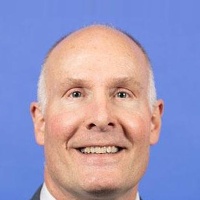
John Moolenaar
Representative
MI
John Moolenaar
Representative
MI
The "No Social Security for Illegal Aliens Act of 2025" amends the Social Security Act to exclude wages and self-employment income earned by unauthorized aliens in the U.S. from being used to calculate Social Security benefits. This change applies to income earned both before, on, and after the law's enactment, with benefit adjustments taking effect after enactment. The Social Security Administration will recalculate insurance amounts to reflect these changes.
The "Clock Hour Program Student Protection Act" amends the Higher Education Act of 1965, Section 481(b), to allow training programs to exceed state minimum clock hours by up to 150% to remain eligible.
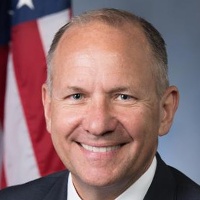
Lloyd Smucker
Representative
PA
Lloyd Smucker
Representative
PA
The Clock Hour Program Student Protection Act amends the Higher Education Act of 1965, Section 481(b) to allow training programs to exceed the state minimum for clock hours, up to 150% of the state or federal agency's minimum clock hour requirements, while still remaining eligible. This change applies to the 2024-2025 award year and beyond.
The SAFE Act amends the Social Security Act to include physical and occupational therapy benefits in Medicare annual wellness visits and initial preventive physical exams and requires the Secretary of Health and Human Services to submit an annual report to Congress regarding falls experienced by individuals aged 65 and older.
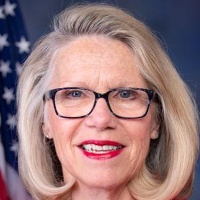
Carol Miller
Representative
WV
Carol Miller
Representative
WV
The SAFE Act amends the Social Security Act to include physical and occupational therapy benefits in Medicare annual wellness visits and initial preventive physical exams starting in 2026 for individuals determined to have fallen in the previous year. It mandates that these individuals receive falls risk assessments, fall prevention services, and outpatient therapy services. Additionally, the Act requires the Secretary of Health and Human Services to submit annual reports to Congress on falls experienced by individuals aged 65 and older.
This bill prohibits the President from declaring a moratorium on hydraulic fracturing without explicit Congressional authorization and affirms state authority over oil and gas regulation.
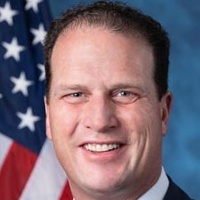
August Pfluger
Representative
TX
August Pfluger
Representative
TX
The Protecting American Energy Production Act prohibits the President from declaring a moratorium on hydraulic fracturing without explicit authorization from Congress. Additionally, the bill affirms that states should maintain primary regulatory authority over hydraulic fracturing activities on state and private lands.
Repeals a mandate requiring kill switches in cars.
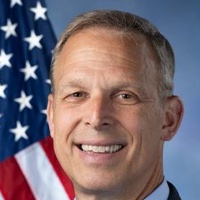
Scott Perry
Representative
PA
Scott Perry
Representative
PA
The "No Kill Switches in Cars Act" repeals a section of the Infrastructure Investment and Jobs Act. The repealed section required the Department of Transportation to create a rule mandating that all new cars have advanced drunk and impaired driving prevention technology. This bill prohibits the government from requiring car manufacturers to install kill switches in vehicles.
Exempts family farms and small businesses from asset considerations in need analysis for federal student aid.
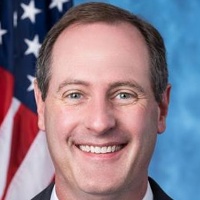
Tracey Mann
Representative
KS
Tracey Mann
Representative
KS
The "Family Farm and Small Business Exemption Act" amends the Higher Education Act of 1965 to exclude the net value of a family farm (on which the family resides) or a small business (with no more than 100 employees and owned/controlled by the family) from consideration as an asset when determining financial need for federal student aid. This change aims to make higher education more accessible for students from family farm and small business backgrounds.
The "Freedom to Invest in Tomorrow's Workforce Act" expands the use of 529 savings accounts to cover expenses related to postsecondary credentialing programs, including tuition, fees, books, supplies, equipment, and testing fees.
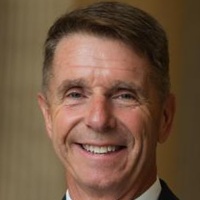
Robert Wittman
Representative
VA
Robert Wittman
Representative
VA
The "Freedom to Invest in Tomorrow's Workforce Act" amends Section 529 savings accounts to include expenses related to postsecondary credentialing programs. This allows 529 funds to cover costs like tuition, fees, books, supplies, and testing fees for recognized programs and credentials, as defined by the bill. These changes would apply to distributions made after the bill is enacted.
The HALT Fentanyl Act permanently classifies fentanyl-related substances as Schedule I controlled substances while streamlining registration procedures for legitimate scientific research.
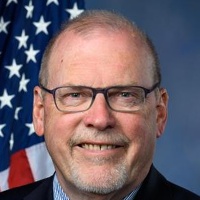
H. Griffith
Representative
VA
H. Griffith
Representative
VA
The Halt All Lethal Trafficking of Fentanyl (HALT Fentanyl) Act permanently classifies fentanyl-related substances as Schedule I controlled substances to strengthen enforcement and penalties against their trafficking. Additionally, the bill streamlines registration processes for researchers to facilitate legitimate scientific study of these substances. It also includes technical corrections and mandates updated federal rulemaking to ensure effective implementation.
This resolution expresses the sense of Congress that the United States should formally recognize Taiwan as an independent nation, establish full diplomatic relations, negotiate a free trade agreement, and support its membership in international organizations.
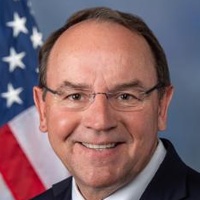
Thomas Tiffany
Representative
WI
Thomas Tiffany
Representative
WI
This resolution expresses the sense of Congress that the United States should formally recognize Taiwan as an independent, sovereign nation and abandon the obsolete "One China Policy." It calls for the normalization of diplomatic relations, the negotiation of a bilateral free trade agreement, and active U.S. support for Taiwan’s membership in international organizations.
The CONSTRUCTS Act of 2025 establishes a grant program for community colleges and trade schools to expand residential construction training, with a focus on serving rural and underserved populations.
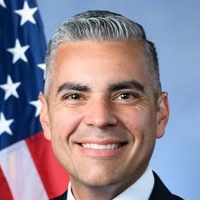
Juan Ciscomani
Representative
AZ
Juan Ciscomani
Representative
AZ
The CONSTRUCTS Act of 2025 establishes a competitive grant program to expand education and training for careers in the residential construction industry. By providing $20 million annually, the bill supports community colleges and trade schools in developing skilled labor pipelines, with a priority on serving rural and underserved populations. These programs aim to increase the supply of qualified workers while helping to address local housing needs through flexible, industry-aligned training.
The WARN Act directs the Comptroller General to study and report on the effectiveness of weather alert systems to improve community emergency response plans and public safety.
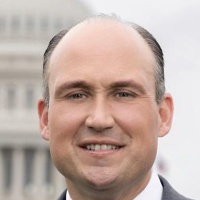
Nicholas Langworthy
Representative
NY
Nicholas Langworthy
Representative
NY
The WARN Act aims to improve community safety during weather emergencies by directing the Comptroller General to study the effectiveness of local, state, territory, and federal emergency alert systems. The study will assess alert dissemination methods, evaluate the clarity and actionability of alert content, and explore improvements to public alerting systems. A report on the study's findings will be submitted to Congress within 18 months, with the goal of enhancing emergency response plans and public safety.
The Marc Fischer Memorial Act mandates the implementation of a comprehensive digital mail scanning strategy across all federal prisons to detect and interdict synthetic drugs like fentanyl.
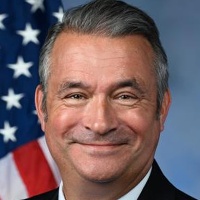
Don Bacon
Representative
NE
Don Bacon
Representative
NE
The Marc Fischer Memorial Act mandates that the Bureau of Prisons implement a comprehensive strategy to achieve 100% digital scanning of all inmate mail to interdict fentanyl and other synthetic drugs. By transitioning to digital mail processing, the Act aims to protect staff and inmates from lethal exposure, improve institutional security, and alleviate the administrative burden on correctional personnel.