
Legislative Activity
Track Roger's sponsored bills, co-sponsored legislation, and voting record
The "Voluntary Public Access Improvement Act of 2025" allocates $150 million over five years to improve public access to private lands for recreational activities, with a focus on lands covered by wetland reserve easements.
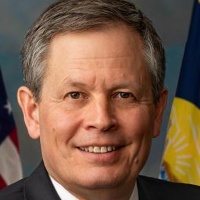
Steve Daines
Senator
MT
Steve Daines
Senator
MT
The "Voluntary Public Access Improvement Act of 2025" allocates $150 million from 2025-2029 to improve public access to private lands for recreational purposes. A portion of the funds, $3 million, will be used to specifically enhance access to land covered by wetland reserve easements through agreements with state and tribal governments.
This resolution designates February 15–22, 2025, as "National FFA Week" to honor the organization's role in developing future leaders and celebrate its historic milestones.

Todd Young
Senator
IN
Todd Young
Senator
IN
This resolution designates February 15–22, 2025, as "National FFA Week" to celebrate the National FFA Organization’s vital role in developing the next generation of agricultural leaders. It commemorates the 90th anniversary of the New Farmers of America and the 75th anniversary of the FFA’s Federal charter. The bill encourages nationwide participation in honoring the organization's long-standing commitment to leadership, personal growth, and career success.
The LEOSA Reform Act amends the Law Enforcement Officers Safety Act of 2004 and the Gun-Free School Zones Act of 1990 to expand the rights of current and retired law enforcement officers to carry concealed firearms, including in school zones and certain federal facilities, and clarifies firearms proficiency and certification standards.
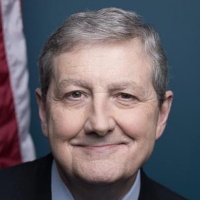
John Kennedy
Senator
LA
John Kennedy
Senator
LA
The LEOSA Reform Act amends the Gun-Free School Zones Act of 1990 to allow qualified law enforcement officers and retired officers to carry concealed firearms in school zones. It also modifies the Law Enforcement Officers Safety Act of 2004, clarifying its relationship with other federal laws, updating firearms proficiency requirements for retired officers, and including magazines in the definition of ammunition. Additionally, the Act permits qualified current and retired law enforcement officers to carry firearms in certain federal facilities.
The "Protecting Patients from Deceptive Drug Ads Act" aims to regulate prescription drug communications, penalize false or misleading advertising by social media influencers and healthcare providers, and increase transparency and oversight in drug promotion.

Richard Durbin
Senator
IL
Richard Durbin
Senator
IL
The "Protecting Patients from Deceptive Drug Ads Act" aims to regulate communications about prescription drugs, especially on social media, to prevent false or misleading information. It imposes penalties for deceptive endorsements by social media influencers and healthcare providers, mandates disclosure of payments for drug promotions, and requires the Department of Health and Human Services to provide guidance on what constitutes misleading communication. The act also establishes a task force to monitor drug advertising and authorizes funding for these activities, ensuring that patients receive accurate and complete information about prescription drugs.
The "Death Tax Repeal Act of 2025" eliminates estate and generation-skipping transfer taxes, modifies gift tax calculations, and adjusts lifetime gift exemptions.
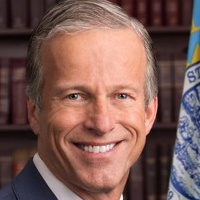
John Thune
Senator
SD
John Thune
Senator
SD
The "Death Tax Repeal Act of 2025" eliminates both estate and generation-skipping transfer taxes, while also modifying gift tax laws. It adjusts gift tax calculations, addresses transfers in trust, sets an initial $10,000,000 amount for calculating tentative tax, and adjusts for inflation. These changes apply to estates of decedents dying, generation-skipping transfers occurring, and gifts made on or after the enactment date of this Act.
The "Nationwide Consumer and Fuel Retailer Choice Act of 2025" modifies Clean Air Act regulations regarding ethanol waivers, Reid Vapor Pressure limits for fuel blends, and allows for the return of certain small refinery credits.
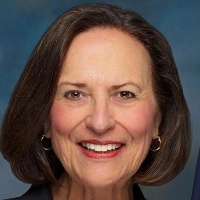
Deb Fischer
Senator
NE
Deb Fischer
Senator
NE
The "Nationwide Consumer and Fuel Retailer Choice Act of 2025" amends the Clean Air Act, modifying the process for ethanol waivers and Reid Vapor Pressure limitations, allowing for higher ethanol blends during high ozone season. It also permits small refineries to reclaim certain retired credits from 2016-2018 for future use, under specific conditions related to prior exemption petitions.
This bill prevents the Department of Interior and Agriculture from banning lead ammunition and tackle on federal land unless the state approves the ban.
Steve Daines
Senator
MT
Steve Daines
Senator
MT
The "Protecting Access for Hunters and Anglers Act of 2025" prevents the Department of Interior and Department of Agriculture from banning or regulating lead ammunition and fishing tackle on federal lands and waters open to hunting and fishing. An exception is allowed in specific areas where lead is scientifically proven to be the primary cause of wildlife population decline, but any restrictions must align with state laws or have the approval of the state's fish and wildlife department. The reasoning for any such prohibition or regulation must be published in the Federal Register.
The "Eliminate Lavish Incentives To Electric Vehicles Act" repeals tax credits for new and used clean vehicles, commercial clean vehicles, and excludes electric vehicle recharging property from alternative fuel vehicle refueling property credits.
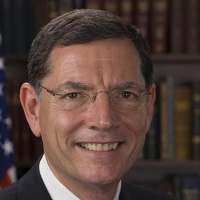
John Barrasso
Senator
WY
John Barrasso
Senator
WY
The "Eliminate Lavish Incentives To Electric Vehicles Act" repeals several clean energy tax credits, including those for new and used clean vehicles, qualified commercial clean vehicles, and excludes electric vehicle recharging property from the alternative fuel vehicle refueling property credit. These changes would take effect for vehicles or property purchased (or under binding contract) more than 30 days after the Act's enactment.
The Enhanced Iran Sanctions Act of 2025 imposes sanctions on those involved in logistical transactions with Iran's energy sector and establishes an interagency working group to coordinate and enforce these sanctions.
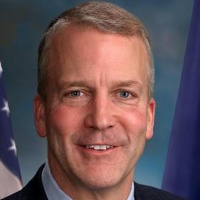
Dan Sullivan
Senator
AK
Dan Sullivan
Senator
AK
The Enhanced Iran Sanctions Act of 2025 aims to prevent Iran from obtaining nuclear weapons and countering its support for terrorism by imposing sanctions on those involved in logistical transactions of Iranian oil, gas, and petrochemical products. It mandates the President to block the property of sanctioned individuals and entities within the U.S. and deny them U.S. visas, with potential waivers based on national interest. The Act also establishes an Interagency Working Group to coordinate and enhance the enforcement of sanctions against Iran, and encourages the formation of a multilateral contact group with similar countries to coordinate international enforcement of sanctions against Iran. Finally, the Act amends the State Department Basic Authorities Act of 1956 to include identifying individuals or entities involved in activities that violate or evade sanctions under the Enhanced Iran Sanctions Act of 2025.
This bill transfers the responsibilities of the Food for Peace Act from the United States Agency for International Development to the Department of Agriculture.

Jerry Moran
Senator
KS
Jerry Moran
Senator
KS
This bill transfers the responsibilities of the Food for Peace Act from the United States Agency for International Development to the Department of Agriculture. It ensures program continuity by allowing the Secretary of Agriculture to implement immediate regulation amendments and utilize existing statutory authorities. The Department of Agriculture will also continue the Famine Early Warning Systems Network to monitor and mitigate food insecurity. The Secretary of Agriculture is required to consult regularly with the Secretary of State when implementing title II of the Food for Peace Act.
The Pharmacy Benefit Manager Transparency Act of 2025 aims to increase transparency and prohibit unfair practices by pharmacy benefit managers (PBMs) in prescription drug pricing.
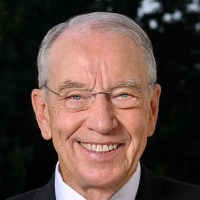
Charles Grassley
Senator
IA
Charles Grassley
Senator
IA
The Pharmacy Benefit Manager Transparency Act of 2025 aims to regulate pharmacy benefit managers (PBMs) by prohibiting unfair pricing practices, requiring transparency in pricing and reporting, and protecting whistleblowers who report violations. It mandates PBMs to disclose drug costs, fees, and payments received from drug manufacturers, and it empowers the FTC and state attorneys general to enforce the Act. The Act also requires reports and studies on PBM practices to promote competition and lower drug costs. This law does not override existing state laws.
The "Financing Our Energy Future Act" modifies the definition of "qualifying income" for publicly traded partnerships involved in green energy, expanding the scope of qualifying activities and technologies.
Jerry Moran
Senator
KS
Jerry Moran
Senator
KS
The "Financing Our Energy Future Act" amends the Internal Revenue Code to expand the definition of "qualifying income" for publicly traded partnerships involved in green energy projects. This expansion includes income from various renewable energy activities, such as generating and storing power from renewable sources, processing biomass, utilizing carbon capture technologies, and producing renewable chemicals. These changes aim to incentivize investment in and development of green energy technologies by allowing more green energy companies to qualify for PTP status. The amendments will take effect for taxable years starting after December 31, 2025.
This resolution honors the 67 victims of the January 29, 2025, mid-air collision between American Airlines Flight 5342 and a U.S. Army helicopter while commending the first responders who managed the recovery efforts.
Jerry Moran
Senator
KS
Jerry Moran
Senator
KS
This resolution honors the memory of the 67 victims who lost their lives in the tragic mid-air collision between American Airlines Flight 5342 and a U.S. Army helicopter on January 29, 2025. It extends heartfelt condolences to the grieving families and expresses profound gratitude to the numerous first responder organizations that provided dedicated rescue and recovery efforts.
The "Supporting Made in America Energy Act" mandates increased oil and gas lease sales on federal lands and waters, while extending a moratorium in the Eastern Gulf of Mexico and setting timelines for future leasing programs.
Steve Daines
Senator
MT
Steve Daines
Senator
MT
The "Supporting Made in America Energy Act" mandates the Secretary of the Interior to conduct a minimum number of oil and natural gas lease sales annually for both onshore and offshore lands, including specific requirements for the Gulf of Mexico and Alaska regions. It extends the moratorium on oil and gas leasing in the Eastern Gulf of Mexico until December 31, 2035, and sets deadlines for preparing subsequent oil and gas leasing programs. The Act also restricts the President's authority to pause or impede Federal energy mineral leasing processes without congressional approval.
Prohibits the Department of Veterans Affairs from sending veterans' personal information to the national instant criminal background check system based only on the fact that the veteran requires assistance managing their benefits, unless a court determines the veteran is a danger to themselves or others.
John Kennedy
Senator
LA
John Kennedy
Senator
LA
The "Veterans 2nd Amendment Protection Act of 2025" prevents the Department of Veterans Affairs from sharing veterans' personal information with the national instant criminal background check system (NICS) based solely on the appointment of a fiduciary to manage their benefits. Information can only be shared if a judicial authority determines the veteran poses a danger to themselves or others.
Exempts family farms and small businesses from being considered as assets when calculating eligibility for federal financial aid.

Joni Ernst
Senator
IA
Joni Ernst
Senator
IA
The "Family Farm and Small Business Exemption Act" exempts family farms and small businesses from being considered as assets when calculating eligibility for federal financial aid under the Higher Education Act of 1965. This exemption applies to family farms where the family resides and small businesses with 100 or fewer employees that the family owns and controls. These changes will apply to financial aid award years starting after the enactment of this Act.
The GRID Power Act aims to expedite and improve the process of connecting new power projects to the electric grid, prioritizing those that enhance grid reliability and resilience.
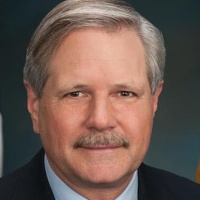
John Hoeven
Senator
ND
John Hoeven
Senator
ND
The GRID Power Act aims to improve the process for connecting new power projects to the electric grid, prioritizing those that enhance grid reliability and resilience. It directs the Federal Energy Regulatory Commission (FERC) to establish rules that allow transmission providers to propose adjustments to their interconnection queue, giving priority to projects that improve grid reliability. These proposals must demonstrate the need for prioritization, explain how it will improve grid reliability or resilience, and be subject to public comment. FERC is required to review and update these regulations regularly to address evolving grid challenges.
The "Alternatives to PAIN Act" aims to lower patient costs and increase access to non-opioid pain management drugs under Medicare Part D by waiving deductibles, setting a low cost-sharing tier, and removing step therapy or prior authorization requirements, starting in 2026.
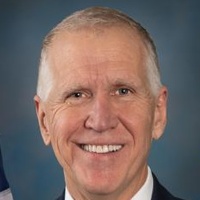
Thom Tillis
Senator
NC
Thom Tillis
Senator
NC
The "Alternatives to PAIN Act" aims to improve access to non-opioid pain management for Medicare Part D beneficiaries starting in 2026. It eliminates the standard deductible and places qualifying non-opioid pain management drugs on the lowest cost-sharing tier. The bill also prohibits the use of step therapy and prior authorization requirements for these drugs, ensuring quicker access to alternative pain relief options.
The Regulations from the Executive in Need of Scrutiny Act of 2025 (REINS Act) would require congressional approval for major executive branch rules with significant economic impacts before they can take effect.

Rand Paul
Senator
KY
Rand Paul
Senator
KY
The "Regulations from the Executive in Need of Scrutiny Act of 2025" aims to increase transparency and accountability in federal agency rulemaking by requiring congressional approval for major rules with significant economic impact (over $100 million). It establishes procedures for congressional review and approval or disapproval of both major and non-major rules, mandates the publication of guidance documents, and sets expiration dates for major rules. The Act also requires agencies to conduct retrospective reviews of existing rules and includes a regulatory budget to control the costs of regulations. Additionally, the Government Accountability Office must study the number and economic impact of existing rules.
This bill directs the Secretaries of Agriculture and Interior to develop a plan to consolidate federal wildland fire management under a new Department of Interior agency, the National Wildland Firefighting Service.
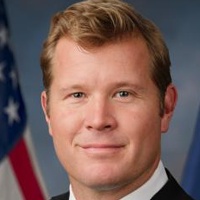
Tim Sheehy
Senator
MT
Tim Sheehy
Senator
MT
The "Fit for Purpose Wildfire Readiness Act of 2025" aims to improve the federal government's response to wildfires. It mandates the creation of a plan to consolidate wildland fire preparedness, suppression, and recovery efforts under a new National Wildland Firefighting Service within the Department of the Interior. This plan will outline the new service's budget, leadership qualifications, and necessary resources for consolidating federal wildfire response. A report detailing this plan must be submitted to Congress within 180 days.