
Legislative Activity
Track Roger's sponsored bills, co-sponsored legislation, and voting record
The Judicial Relief Clarification Act of 2025 restricts federal courts from issuing orders that affect non-parties to a lawsuit and limits their power to grant emergency relief in certain diversity jurisdiction cases.
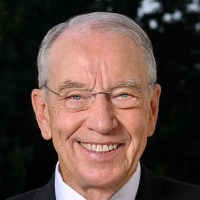
Charles Grassley
Senator
IA
Charles Grassley
Senator
IA
The Judicial Relief Clarification Act of 2025 generally restricts federal courts from issuing orders that affect non-parties to a lawsuit or granting emergency relief in certain state/federal disputes under diversity jurisdiction. The bill also clarifies language regarding who can seek declaratory judgments and limits the scope of judicial review over agency actions. Overall, this legislation aims to narrow the scope of judicial authority in issuing certain types of relief and clarifying participation in specific legal challenges.
This resolution honors the life, distinguished public service, and enduring legacy of former Wyoming Senator Alan K. Simpson.
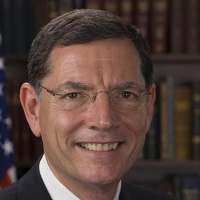
John Barrasso
Senator
WY
John Barrasso
Senator
WY
This resolution formally honors the life and distinguished public service career of the Honorable Alan K. Simpson, former U.S. Senator for Wyoming. It celebrates his extensive tenure in both state and federal government, highlighting his focus on fiscal responsibility and support for veterans. The Senate expresses its deep sorrow at his passing and directs that the day's adjournment serve as a final tribute to his memory.
This act allows individuals to purchase standalone dental insurance plans through the health insurance marketplaces without being required to also enroll in a medical insurance plan.
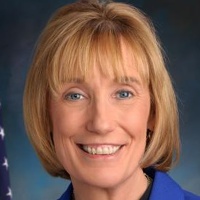
Margaret Hassan
Senator
NH
Margaret Hassan
Senator
NH
The Increasing Access to Dental Insurance Act ensures individuals can purchase standalone dental insurance plans directly through the official health insurance marketplaces. This legislation removes any requirement to also enroll in a comprehensive medical plan to secure dental coverage via the Exchange. The goal is to simplify the process for people seeking only dental benefits through the established marketplace system.
This Act restores protections to ensure private health insurance plans do not unfairly shift the cost of End-Stage Renal Disease care onto Medicare by discriminating against dialysis treatments.
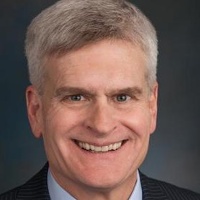
Bill Cassidy
Senator
LA
Bill Cassidy
Senator
LA
The Restore Protections for Dialysis Patients Act aims to prevent private health insurance plans from unfairly shifting the cost of End-Stage Renal Disease (ESRD) care onto Medicare. This legislation clarifies existing rules to ensure group health plans provide equal benefits for dialysis treatments compared to other medical services. It specifically prohibits plans from imposing discriminatory limits or restrictions solely because a patient has ESRD. The bill preserves a plan's ability to manage its provider network while mandating equitable coverage terms.
This act excludes certain student loan repayments received through programs designed to increase veterinary services in rural areas from taxable income.

Michael Crapo
Senator
ID
Michael Crapo
Senator
ID
The Rural Veterinary Workforce Act makes student loan repayment or forgiveness amounts received by veterinarians participating in state-based programs tax-free. This exclusion applies to funds received through programs designed to increase veterinary services in underserved areas. This tax benefit will take effect for amounts received in taxable years beginning after December 31, 2025.
The PHIT Act of 2025 allows taxpayers to treat certain qualified fitness and exercise expenses as deductible medical expenses, up to an annual limit of \$1,000 or \$2,000 for joint filers, to encourage healthier lifestyles.
John Thune
Senator
SD
John Thune
Senator
SD
The Personal Health Investment Today Act of 2025 (PHIT Act) aims to promote public health by incentivizing healthier lifestyles. This bill allows taxpayers to treat certain qualified expenses for physical activity, fitness instruction, and exercise equipment as deductible medical expenses, up to annual limits of \$1,000 or \$2,000 depending on filing status. These provisions are designed to make fitness more financially accessible for individuals and families.
This act expands the ways technical assistance providers can be certified to help farmers with conservation work under the Food Security Act of 1985 by allowing non-Federal entities to perform certifications.
Michael Crapo
Senator
ID
Michael Crapo
Senator
ID
The Increased TSP Access Act of 2025 significantly expands the pool of qualified experts available to assist farmers with conservation work under the Food Security Act. This is achieved by creating new pathways for non-Federal entities and State agencies to certify third-party technical assistance providers. The bill also mandates streamlined processes, fair payment rates for external consultants, and increased transparency regarding the use of these private sector resources.
The LEDGER Act mandates the establishment of a comprehensive, government-wide system to track the traceability and availability of every federal expenditure.
Rick Scott
Senator
FL
Rick Scott
Senator
FL
The LEDGER Act mandates the Secretary of the Treasury to establish a comprehensive system for tracking every expenditure made by any part of the U.S. government within 180 days. This new system must detail the flow of funds from appropriations and track the availability period for those specific disbursed monies. Essentially, the bill aims to create full traceability for all federal spending records.
This resolution supports establishing March as Deep Vein Thrombosis and Pulmonary Embolism Awareness Month to educate the public about these serious and often preventable blood clot conditions.
Charles Grassley
Senator
IA
Charles Grassley
Senator
IA
This resolution supports the goals of Deep Vein Thrombosis and Pulmonary Embolism Awareness Month. It aims to raise public awareness about DVT and PE, which are serious, often preventable blood clot conditions that cause significant illness and death. By establishing this awareness month, the resolution seeks to educate the public on these critical health risks.
The Safeguarding Medicaid Act mandates universal asset testing for all Medicaid applicants and recipients, requires states to incorporate resource checks into income eligibility determinations, and establishes federal tracking of state asset verification efforts.
John Barrasso
Senator
WY
John Barrasso
Senator
WY
The Safeguarding Medicaid Act mandates that all applicants and recipients of Medicaid across all states and territories must undergo asset testing, removing existing exemptions for age, blindness, or disability. This legislation requires states to incorporate resource eligibility checks alongside income verification for most applicants, with limited exceptions for continuous coverage groups. Furthermore, the bill establishes federal tracking of savings resulting from these new asset verification requirements and mandates regular public reporting from states on their eligibility review processes.
This bill eliminates California's authority and that of other states to set their own emission standards for off-road engines and prevents other states from adopting California's motor vehicle emission standards.
Mike Lee
Senator
UT
Mike Lee
Senator
UT
The Stop CARB Act of 2025 aims to centralize federal control over emission standards for off-road engines and vehicles by immediately repealing all state authority to set or enforce their own rules in this area. This legislation also eliminates the ability for other states to adopt California's stricter new motor vehicle emission standards. In essence, the bill strips states of their power to create pollution regulations that exceed federal requirements for specific engine types and vehicles.
The PARC Act mandates that all National Park System units charging entrance fees must accept cash payments from visitors.
Cynthia Lummis
Senator
WY
Cynthia Lummis
Senator
WY
The PARC Act, or Protecting Access to Recreation with Cash Act, mandates that all units of the National Park System that charge an entrance fee must accept cash payments. This ensures visitors have an option beyond electronic or credit card payments to access national parks.
This Act expands the Work Opportunity Tax Credit to include employers who hire military spouses.
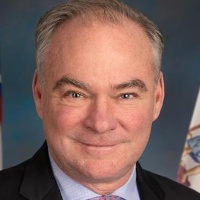
Timothy Kaine
Senator
VA
Timothy Kaine
Senator
VA
The Military Spouse Hiring Act amends the Work Opportunity Tax Credit (WOTC) to include military spouses as eligible hires. This allows employers to claim the tax credit for hiring individuals certified as spouses of active-duty military personnel. The provision applies to wages paid for individuals hired after the Act's enactment date.
This bill establishes the Dairy Nutrition Incentive Program to encourage SNAP recipients to purchase more nutrient-rich dairy products through point-of-sale incentives administered by eligible entities.

Amy Klobuchar
Senator
MN
Amy Klobuchar
Senator
MN
The Dairy Nutrition Incentive Program Act of 2025 establishes a new program to encourage households receiving SNAP benefits to purchase more naturally nutrient-rich dairy products through point-of-sale incentives. The Secretary of Agriculture will award grants to eligible entities to run these projects, prioritizing those that maximize direct incentives for participants. The law mandates rigorous, independent evaluation of all projects to scientifically measure the impact on dairy purchases, with required reporting to Congress.
This Act establishes a new value-based, bundled payment system for Medicare radiation oncology services while creating specific exceptions for patient transportation services to ensure access to care.
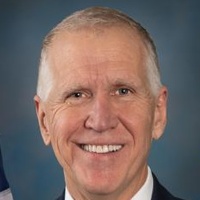
Thom Tillis
Senator
NC
Thom Tillis
Senator
NC
The Radiation Oncology Case Rate Value Based Program Act of 2025 establishes a new Medicare payment system for radiation therapy, moving providers to a single, bundled payment per episode of care to incentivize quality and efficiency. This program mandates participation for most providers while setting base rates derived from 2021 figures, subject to annual updates. Additionally, the bill creates a special add-on payment to address patient transportation insecurity and exempts savings generated by this program from standard Medicare budget neutrality adjustments.
This Act establishes a dedicated, revolving fund for the Southwestern Power Administration to manage its receipts, expenditures, and operations without annual appropriation expiration.
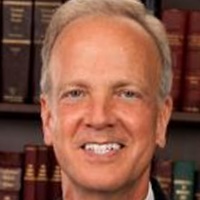
Jerry Moran
Senator
KS
Jerry Moran
Senator
KS
This bill establishes the Southwestern Power Administration Fund (SWPA Fund) as a dedicated, non-expiring Treasury account for the Southwestern Power Administration. The Fund will consolidate all SWPA receipts and appropriated funds to cover the costs of power operations, maintenance, and construction. This structure grants the Administrator greater flexibility to commit funds for authorized expenses ahead of annual appropriations.
The Major Richard Star Act allows veterans with combat-related disabilities to receive both military retired pay and veteran's disability compensation without reduction.
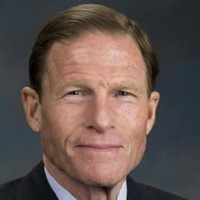
Richard Blumenthal
Senator
CT
Richard Blumenthal
Senator
CT
The Major Richard Star Act allows veterans with combat-related disabilities to receive both veteran's disability compensation and military retired pay concurrently, without reduction. This act amends Title 10 of the United States Code to ensure that disability retirees with combat-related disabilities are not subject to reductions in retired pay due to receiving veteran's disability compensation. These changes will take effect the first day of the month following the enactment of the Act.
This bill repeals the EPA's recent multi-pollutant emissions standards and prohibits the EPA from issuing tailpipe regulations that mandate specific vehicle technologies or limit the availability of new motor vehicles based on engine type.
Michael Crapo
Senator
ID
Michael Crapo
Senator
ID
The Choice in Automobile Retail Sales Act of 2025 repeals the EPA's recent multi-pollutant emissions standards for light-duty and medium-duty vehicles. Furthermore, this Act prohibits the EPA from issuing future tailpipe emission regulations that mandate specific technologies or limit the availability of new motor vehicles based on engine type. The EPA must update existing rules within 24 months to comply with these new restrictions.
This Act establishes the National Mesonet Program to significantly improve flood and agricultural forecasts by integrating and expanding environmental data collection from diverse sources.
Brian Schatz
Senator
HI
Brian Schatz
Senator
HI
The Improving Flood and Agricultural Forecasts Act of 2025 establishes the National Mesonet Program to significantly enhance environmental data collection from diverse sources. This program aims to improve the accuracy and density of weather forecasts, particularly for severe storms, droughts, and local conditions like soil moisture. It authorizes financial assistance to partners for building and maintaining monitoring stations to close critical data gaps nationwide.
This Act prohibits states from obtaining waivers to set new vehicle emission standards that restrict the sale or use of new cars with internal combustion engines and requires the revocation of existing conflicting waivers.
Markwayne Mullin
Senator
OK
Markwayne Mullin
Senator
OK
The Preserving Choice in Vehicle Purchases Act of 2025 amends the Clean Air Act to prohibit states from receiving waivers to set new vehicle emission standards that restrict the sale or use of new cars with internal combustion engines. This legislation invalidates any existing or future state standards that directly or indirectly limit traditional gasoline-powered vehicles. Furthermore, the bill mandates the revocation of any previously granted waivers that conflict with this new restriction.