Legislative Activity
Track Seth's sponsored bills, co-sponsored legislation, and voting record
This resolution honors the service and sacrifice of America's veterans and reaffirms the nation's commitment to supporting them and their families.
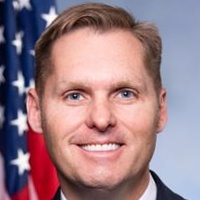
Michael Guest
Representative
MS
Michael Guest
Representative
MS
This resolution honors the service and sacrifice of America's veterans on Veterans Day, 2025, recognizing the history of the observance from Armistice Day. It affirms the nation's deep commitment to supporting the over 15 million veterans and their families. The resolution calls upon the public to observe Veterans Day and ensure veterans continue to receive the services they deserve.
This bill establishes a five-year pilot program to expand work-study allowance eligibility for student veterans enrolled at least half-time and mandates annual reporting on participant outcomes.
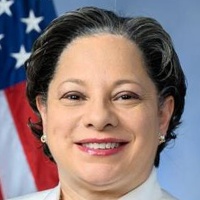
Jennifer McClellan
Representative
VA
Jennifer McClellan
Representative
VA
The Student Veteran Work Study Modernization Act establishes a five-year pilot program to expand eligibility for the VA work-study allowance to veterans pursuing certain educational or training programs at a half-time enrollment level. This allows more student veterans to benefit from work-study opportunities without meeting the current three-quarter-time enrollment requirement. Additionally, the Secretary of Veterans Affairs is required to submit annual reports detailing participation and outcomes for veterans in the work-study program.
This bill prevents the sitting President and their immediate family from filing claims under the Federal Tort Claims Act while in office.
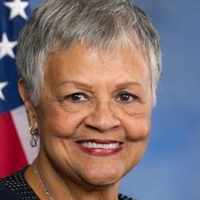
Bonnie Watson Coleman
Representative
NJ
Bonnie Watson Coleman
Representative
NJ
The CORRUPT Act amends the Federal Tort Claims Act to prohibit the sitting President and their immediate relatives from filing claims under that act while in office. This measure specifically prevents the President and covered family members from seeking damages through the Federal Tort Claims Act during their term.
This resolution urges the USDA to use its contingency funds and interchange authority to ensure continued funding for the Supplemental Nutrition Assistance Program (SNAP), especially during potential government shutdowns.
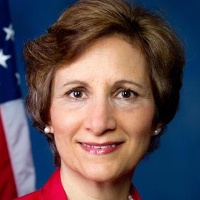
Suzanne Bonamici
Representative
OR
Suzanne Bonamici
Representative
OR
This resolution expresses the sense of the House that the Department of Agriculture should utilize its existing contingency funds and interchange authority to ensure the Supplemental Nutrition Assistance Program (SNAP) remains fully funded. The bill specifically urges the administration to immediately use these resources to finance SNAP operations, particularly during potential government funding lapses. This action is deemed crucial to support millions of vulnerable Americans, including children, seniors, and veterans, who rely on these benefits.
This resolution expresses support for National Adoption Day and Month by promoting awareness, celebrating adoption, and encouraging the nation to secure safety and well-being for all children awaiting families.
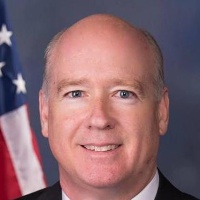
Robert Aderholt
Representative
AL
Robert Aderholt
Representative
AL
This resolution expresses support for National Adoption Day and Month by promoting national awareness of adoption and the children awaiting permanent families. It highlights the significant number of children in foster care waiting for adoption and encourages all Americans to consider providing a safe, permanent, and well-being-focused home for these children. The resolution supports various avenues for achieving permanency, including reunification, kinship care, and adoption.
This resolution supports the goals of National Domestic Violence Awareness Month, highlights the pervasive and devastating impact of intimate partner violence across all demographics, and calls for increased funding for prevention and support programs.
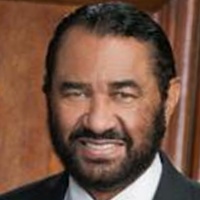
Al Green
Representative
TX
Al Green
Representative
TX
This resolution designates October as National Domestic Violence Awareness Month to highlight the widespread and devastating impact of intimate partner violence across all demographics. It recognizes the urgent need to eliminate domestic violence and supports increased funding for intervention and prevention programs. The resolution underscores the severe physical, emotional, and economic toll this abuse takes on individuals, families, and communities.
The RESTRAIN Act prohibits the United States from conducting any explosive testing of nuclear weapons starting in fiscal year 2026, while still permitting subcritical nuclear tests.
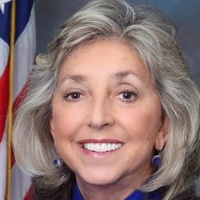
Dina Titus
Representative
NV
Dina Titus
Representative
NV
The RESTRAIN Act prohibits the United States from conducting any explosive testing of nuclear weapons or any other nuclear explosion, effective in fiscal year 2026 and beyond. This legislation specifically bans the use of authorized funds for such testing. However, the Act explicitly allows for the continuation of subcritical nuclear tests.
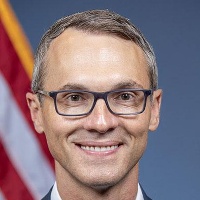
This resolution commemorates the seventh anniversary of Jamal Khashoggi's murder while condemning ongoing Saudi human rights abuses and calling for accountability for those responsible.
James Walkinshaw
Representative
VA
James Walkinshaw
Representative
VA
This resolution commemorates the seventh anniversary of Jamal Khashoggi's murder and addresses ongoing human rights abuses by the Government of Saudi Arabia, including transnational repression against dissidents. Congress calls on Saudi Arabia to hold all individuals accountable for Khashoggi's murder and to immediately release all wrongfully detained persons. The resolution emphasizes that these abuses strain the essential U.S.-Saudi relationship.
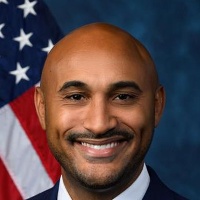
This Act ensures the United States Capitol Police receive uninterrupted salaries and expenses during any government shutdown.
Shomari Figures
Representative
AL
Shomari Figures
Representative
AL
This Act ensures that the salaries and expenses for the United States Capitol Police (USCP) are fully funded during any government shutdown. It appropriates the necessary funds from the Treasury to guarantee uninterrupted pay for USCP employees when discretionary appropriations lapse.
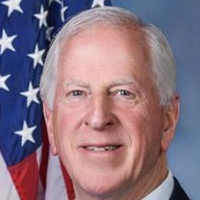
This bill extends and modifies various tax credits for energy production, efficiency improvements, and clean vehicle adoption to lower energy costs and support American energy leadership.
Mike Thompson
Representative
CA
Mike Thompson
Representative
CA
The American Energy Independence and Affordability Act is a comprehensive bill designed to lower energy costs by extending and adjusting key tax incentives across energy production, efficiency, and clean vehicle adoption. It stabilizes support for renewable energy manufacturing, extends deadlines for energy-efficient building credits, and ensures consumer incentives for electric vehicles remain available through 2032. Overall, the legislation aims to provide long-term certainty for energy investments and consumer adoption of cleaner technologies.
The MAGA Act ensures pay for most federal employees during a shutdown while withholding salaries for Members of Congress, the President, Vice President, and certain top Executive Office staff until funding resumes.
John Larson
Representative
CT
John Larson
Representative
CT
The Make America Govern Again (MAGA) Act aims to address federal employee pay during government shutdowns. It guarantees pay for most civil and uniformed service employees while withholding salaries for Members of Congress, the President, and the Vice President until funding resumes. Additionally, the bill prohibits paying salaries for certain high-level Executive Office of the President staff during any lapse in appropriations.
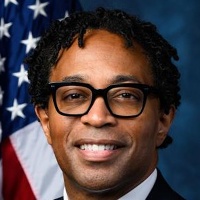
This bill ensures FEMA operations, including disaster relief and payments, continue uninterrupted during a lapse in appropriations by authorizing the use of the Disaster Relief Fund.
Wesley Bell
Representative
MO
Wesley Bell
Representative
MO
The FEMA Operations Continuity Act of 2025 ensures that the Federal Emergency Management Agency (FEMA) can continue all critical disaster relief, recovery, and mitigation operations without interruption during a lapse in appropriations or a government shutdown. This is achieved by explicitly authorizing the use of the Disaster Relief Fund for ongoing and future disaster assistance activities. The Act safeguards these funds from diversion and exempts authorized FEMA work from standard shutdown restrictions by deeming it essential to protect life and property.
This act ensures that state and local funds used to keep Head Start and Early Head Start programs running during a federal government shutdown are fully reimbursed.

Maxine Waters
Representative
CA
Maxine Waters
Representative
CA
The Head Start Shutdown Protection Act of 2025 ensures that states, local governments, or school districts are reimbursed for any of their own funds used to keep Head Start and Early Head Start programs operational during a lapse in federal appropriations. This legislation protects these vital early childhood education services from disruption caused by government shutdowns. By guaranteeing reimbursement, the Act encourages local entities to maintain program continuity without bearing the financial burden.
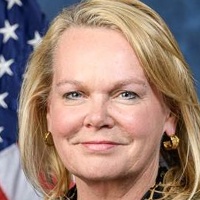
This bill mandates FEMA to reimburse fire departments for expenses incurred due to National Fire Academy course cancellations caused by a lapse in appropriations.
April McClain Delaney
Representative
MD
April McClain Delaney
Representative
MD
The National Fire Academy RESCUE Act ensures that fire departments are reimbursed for expenses incurred when National Fire Academy training courses are canceled due to a lapse in federal appropriations (a government shutdown). FEMA must reimburse departments for covered costs, such as travel and backfill staffing, within 90 days of receiving an itemized application following the shutdown's end. This reimbursement does not apply if the cancellation was due to reasons other than a lapse in appropriations, such as instructor illness or other emergencies.
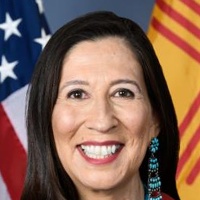
This act permanently establishes the structure and staffing of the Office of Head Start to ensure continued comprehensive support for eligible children and families.
Teresa Leger Fernandez
Representative
NM
Teresa Leger Fernandez
Representative
NM
The Every Child Deserves a Head Start Act of 2025 aims to solidify the foundational support for the Head Start program, recognizing its vital role in early childhood development. This bill permanently establishes the structure and staffing levels of the Office of Head Start, including its 12 regional offices, as they existed before January 20, 2025. The legislation strictly limits the Secretary of Health and Human Services from altering this established structure or reducing staff without specific Congressional notification procedures. Ultimately, the Act ensures the consistent delivery of essential educational and support services to eligible children and families nationwide.
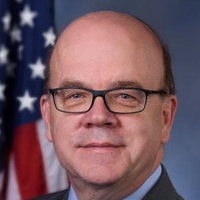
This bill, the Healthy Meals Help Kids Learn Act of 2025, increases federal reimbursement rates for school lunches and breakfasts starting in late 2025.
James McGovern
Representative
MA
James McGovern
Representative
MA
The Healthy Meals Help Kids Learn Act of 2025 aims to increase federal reimbursement rates for school meals. Specifically, it provides an additional 45 cents per lunch and 28 cents per breakfast served by school food authorities starting November 1, 2025. These adjusted rates will be subject to future inflation adjustments.
This Act mandates that all states must operate the WIC program and guarantees necessary funding through permanent appropriation starting in fiscal year 2026.
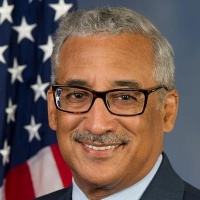
Robert Scott
Representative
VA
Robert Scott
Representative
VA
The WIC Benefits Protection Act mandates that all states must operate the Special Supplemental Nutrition Program for Women, Infants, and Children (WIC). This legislation also guarantees permanent, mandatory funding for WIC starting in fiscal year 2026, ensuring the program has the necessary resources annually. Furthermore, it clarifies eligibility language within the program's governing statute.
This Act establishes a grant program to fund community alternatives for mental health crisis response, focusing on health-centered dispatch and specialized response teams.
Bonnie Watson Coleman
Representative
NJ
Bonnie Watson Coleman
Representative
NJ
The Mental Health Crisis Response Act of 2025 establishes a new federal grant program to help local governments create health-centered alternatives for responding to mental health emergencies. These funds will support initiatives like integrating mental health professionals into 911 dispatch and streamlining transfers to crisis hotlines. Grantees must report annually on response times, use of force, and diversion to treatment, while the law explicitly preserves existing law enforcement roles.
This bill authorizes the Federal Government to reimburse states for using their own funds to maintain WIC program operations during a lapse in federal appropriations.
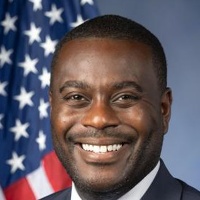
Gabe Amo
Representative
RI
Gabe Amo
Representative
RI
This bill ensures that states are reimbursed by the Federal Government for any state funds they use to maintain essential operations of the Special Supplemental Nutrition Program for Women, Infants, and Children (WIC) during a lapse in federal appropriations. It provides a mechanism for the Federal Government to pay back states that cover WIC costs during a government shutdown. This protects state budgets while keeping vital nutrition assistance running.
This resolution declares the need for increased investment in youth mental health and officially recognizes "Youth Mental Health Day" and "Youth Suicide Prevention Day."
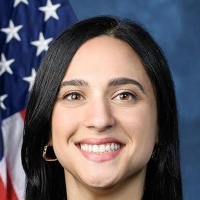
Yassamin Ansari
Representative
AZ
Yassamin Ansari
Representative
AZ
This resolution formally acknowledges the critical state of youth mental health in the U.S., citing alarming rates of anxiety, depression, and suicide. It calls for increased investment in mental health support and encourages the designation of specific days to raise awareness. Ultimately, the bill urges federal, state, and local entities to prioritize comprehensive mental health programs for young people.