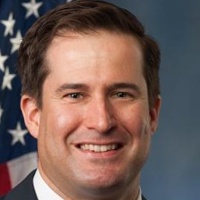
Legislative Activity
Track Seth's sponsored bills, co-sponsored legislation, and voting record
This bill establishes a pilot program to provide grants for training family caregivers of young children with autism or developmental disabilities in essential skills to improve child well-being and community involvement.
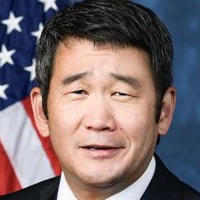
Dave Min
Representative
CA
Dave Min
Representative
CA
The Autism Family Caregivers Act of 2025 establishes a new pilot program to award grants for evidence-based skills training to family caregivers of children with autism or developmental disabilities. This training aims to improve child well-being and community engagement by focusing on communication, daily living skills, and caregiver self-care. The Secretary of Health and Human Services will oversee the program, which requires grantees to establish diverse advisory committees and report annually on program effectiveness. Funding is authorized through fiscal year 2030 to support at least 25 entities across multiple states.
This resolution expresses support for designating June 21, 2025, as National ASK (Asking Saves Kids) Day to promote children's health by encouraging parents to ask about safe and secure gun storage in homes.
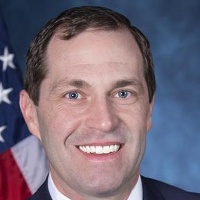
Jason Crow
Representative
CO
Jason Crow
Representative
CO
This resolution expresses support for designating June 21, 2025, as National ASK (Asking Saves Kids) Day. The bill aims to promote children's health by encouraging parents to ask about secure gun storage before their children visit other homes. By backing the ASK Campaign, Congress seeks to reduce accidental shootings by advocating for safely stored firearms.
This act clarifies Medicare coverage and payment rules for occupational therapy services when used to treat mental health or substance use disorders.
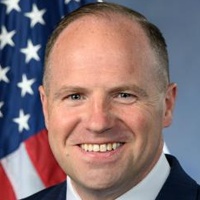
Timothy Kennedy
Representative
NY
Timothy Kennedy
Representative
NY
The Occupational Therapy Mental Health Parity Act aims to clarify and ensure proper coverage of occupational therapy services under Medicare for treating mental health and substance use disorders. It mandates the Secretary of Health and Human Services to educate stakeholders on billing and payment rules within the Medicare Benefit Policy Manual. This ensures providers are correctly reimbursed when using occupational therapy for mental health treatment.
This resolution commemorates the nine-year anniversary of the Pulse nightclub shooting, honoring the victims, first responders, and the community's resilience while urging continued action on gun safety.
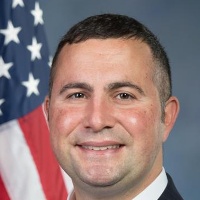
Darren Soto
Representative
FL
Darren Soto
Representative
FL
This resolution formally commemorates the ninth anniversary of the tragic Pulse nightclub shooting in Orlando, Florida, on June 12, 2016. It honors the lives lost, recognizes the bravery of first responders, and reaffirms community unity in the face of hate. Furthermore, the resolution calls for continued efforts to reduce gun violence and support those affected by this act of terrorism.
The PHARA Act of 2025 mandates the immediate release of existing NIH grant funding, requires termination clauses in future agreements, and prohibits the NIH from ending funding solely due to shifting agency priorities.
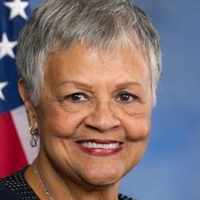
Bonnie Watson Coleman
Representative
NJ
Bonnie Watson Coleman
Representative
NJ
The PHARA Act of 2025 mandates the immediate release of all existing National Institutes of Health (NIH) grant funding and prohibits the cancellation of active research agreements. Moving forward, all new NIH grant agreements must include specific termination clauses requiring a 90-day notice and good-faith negotiation before ending the funding. Furthermore, this Act explicitly prevents the NIH from terminating agreements solely because the research no longer aligns with current agency goals or priorities.
The FIGHT Act of 2025 strengthens federal prohibitions against animal fighting, enhances enforcement mechanisms, and allows citizens to sue violators of animal fighting provisions.
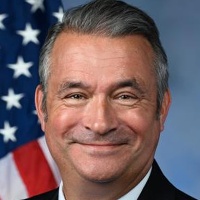
Don Bacon
Representative
NE
Don Bacon
Representative
NE
The FIGHT Act of 2025 significantly strengthens federal prohibitions against animal fighting ventures, specifically targeting the sponsorship, exhibition, and gambling associated with these events. This legislation clarifies the definition of a rooster for legal purposes and bans the interstate transport of roosters for fighting. Furthermore, it empowers private citizens to file lawsuits against violators, allowing for civil penalties and the potential seizure of property used to facilitate illegal animal fighting.
This Act establishes a comprehensive, federally funded grant program to support evidence-based violence prevention and trauma-informed support for high-risk youth in schools located in high-violence communities.
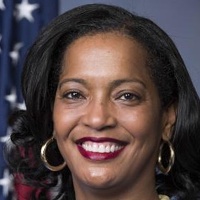
Jahana Hayes
Representative
CT
Jahana Hayes
Representative
CT
The School Violence Prevention Act establishes a new, comprehensive grant program to fund evidence-based violence prevention initiatives in high-risk communities. These grants will support partnerships between schools and community organizations to implement trauma-informed programs focused on youth development, social skills, and connecting students with mental health resources. The bill mandates rigorous evaluation of these programs to measure their impact on student success and overall community safety.
This resolution expresses support for recognizing Father's Day on June 15, 2025, while urging Congress to support policies that strengthen fathers' roles in families.
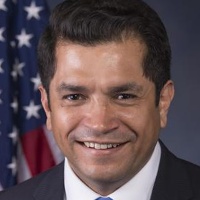
Jimmy Gomez
Representative
CA
Jimmy Gomez
Representative
CA
This resolution expresses strong support for recognizing the vital role fathers play in the well-being of children and communities across the United States. It highlights the positive impact of involved fathers and urges Congress to support policies like paid family leave and affordable childcare. Finally, the resolution officially designates Sunday, June 15, 2025, as Father's Day.
This act increases funding for the Defense Health Agency's research, development, testing, and evaluation, specifically ensuring support for Congressionally Directed Medical Research Programs as outlined in prior appropriations acts.
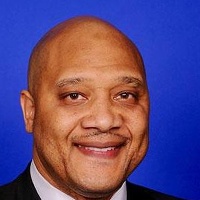
André Carson
Representative
IN
André Carson
Representative
IN
The Medical Research for Our Troops Act increases the budget for the Defense Health Agency's research, development, testing, and evaluation (RDT&E). This legislation specifically restores and increases funding for these critical defense health programs. The restored funds must be used to support all previously directed medical research programs and initiatives as outlined in prior appropriations acts.
The Kids on the Go Act of 2025 incentivizes states to hire a Safe Routes to School Coordinator by increasing the federal funding share for related projects to 95 percent.
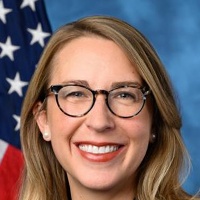
Hillary Scholten
Representative
MI
Hillary Scholten
Representative
MI
The Kids on the Go Act of 2025 mandates that every state must designate a Safe Routes to School Coordinator. States that comply with this requirement will receive an increased federal funding share of 95% for eligible Safe Routes to School projects. This aims to boost state efforts in improving safety for students traveling to and from school.
The My Body, My Data Act of 2025 establishes strict limits on the collection, use, and sharing of personal reproductive and sexual health information, while granting individuals robust rights to access, correct, and delete their sensitive data.
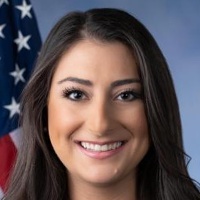
Sara Jacobs
Representative
CA
Sara Jacobs
Representative
CA
The My Body, My Data Act of 2025 establishes strict federal protections for personal reproductive and sexual health information held by regulated entities. This law limits data collection and sharing to only what is strictly necessary for providing requested services. It grants individuals the rights to access, correct, and delete this sensitive data, and requires clear public privacy policies detailing data handling practices. Finally, the Act prohibits retaliation against individuals who exercise these new privacy rights and grants enforcement authority to the FTC while allowing individuals to sue violators.
The Choose Medicare Act establishes new Medicare Part E Public Health Plans, caps out-of-pocket spending for traditional Medicare, enhances marketplace premium subsidies, and mandates employer referrals for coverage when insurance is inadequate.
Jimmy Gomez
Representative
CA
Jimmy Gomez
Representative
CA
The Choose Medicare Act establishes a new "Medicare Part E Public Health Plan" offering comprehensive coverage, including reproductive services, available on and off the ACA exchanges. It also caps annual out-of-pocket spending for traditional Medicare Part A and B services starting in 2027. Furthermore, the bill enhances marketplace subsidies by benchmarking them against Gold plans and makes enhanced cost-sharing reductions permanent. Finally, it requires employers who do not offer adequate coverage to refer employees to health insurance navigators.
This Act mandates that most private firearm transfers must go through a licensed dealer to ensure background checks are performed on all purchasers.
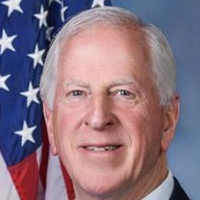
Mike Thompson
Representative
CA
Mike Thompson
Representative
CA
The Bipartisan Background Checks Act of 2025 aims to strengthen existing federal background check systems to prevent prohibited persons from acquiring firearms. This bill primarily mandates that most private firearm transfers must be facilitated through a licensed dealer who will conduct a background check. The legislation includes specific exceptions for family gifts, law enforcement, and temporary transfers under emergency circumstances.
This Act establishes new procedures for Federal Firearms Licensees when background checks are delayed, mandates reporting on delayed and denied transfers, and removes a specific time limit from existing background check law.
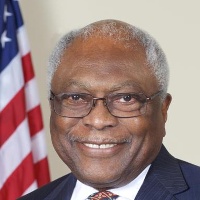
James Clyburn
Representative
SC
James Clyburn
Representative
SC
The Enhanced Background Checks Act of 2025 reforms federal firearm background check procedures, establishing a formal petition process for buyers when the system delays a decision beyond 10 business days. This bill removes the previous 10-day time limit on background checks under the Brady Act while mandating extensive reporting from the GAO and FBI on the effectiveness and outcomes of these delayed transfers. Furthermore, the Attorney General must report on the law's impact on domestic violence victims within 150 days of enactment.
This resolution expresses support for designating the second Saturday in June as "Veterans Get Outside Day" to encourage outdoor activity as a means of supporting veterans' mental health.
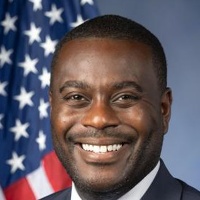
Gabe Amo
Representative
RI
Gabe Amo
Representative
RI
This resolution expresses support for designating the second Saturday in June as "Veterans Get Outside Day." The goal is to encourage veterans struggling with mental health challenges like PTSD and TBI to utilize the therapeutic benefits of nature. This initiative calls for federal agencies to coordinate efforts to promote outdoor activities for veterans alongside National Get Outdoors Day.
This resolution bans members of Congress and high-level officials from trading or holding individual stocks, requiring them to divest existing holdings into diversified funds or face severe financial penalties.
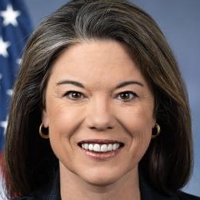
Angie Craig
Representative
MN
Angie Craig
Representative
MN
This resolution, the NO STOCK Resolution, prohibits members of Congress and certain high-level officials from trading or holding individual stocks while in office. Covered officials must divest existing stock holdings within 180 days or place them into diversified, compliant investment vehicles like mutual funds or ETFs. Violations of these new rules carry severe penalties, including fines equal to the official's annual salary.
The TRACE Act mandates that firearms receive a second, hidden serial number, extends the retention period for background check records, requires licensed dealers to conduct physical inventory checks, and removes certain spending limitations on the ATF.

Mike Quigley
Representative
IL
Mike Quigley
Representative
IL
The TRACE Act mandates that all newly manufactured firearms include a second, hidden serial number, either internally or visible only under infrared light. It also extends the retention period for instant criminal background check records to 180 days and requires licensed dealers to conduct regular physical inventories of their firearms. Finally, the bill removes several past budgetary limitations placed on the Bureau of Alcohol, Tobacco, Firearms and Explosives (ATF).
This resolution officially recognizes and honors the 250th anniversary of the United States Army, celebrating its history, valor, and enduring commitment to national defense.
Jason Crow
Representative
CO
Jason Crow
Representative
CO
This resolution formally recognizes and honors the 250th birthday of the United States Army, celebrating its 250 years of service, valor, and dedication to defending American freedom. Congress expresses deep appreciation for the Army's history, its commitment to core values, and its current readiness to meet any future global challenge. The resolution encourages the American public to observe this significant anniversary with appropriate ceremonies.
The Pride In Mental Health Act of 2025 establishes grants and federal initiatives to improve mental health services and research specifically for LGBTQ+ youth while explicitly prohibiting the use of funds for conversion therapy.
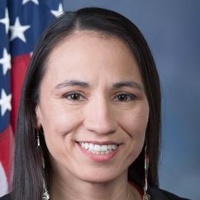
Sharice Davids
Representative
KS
Sharice Davids
Representative
KS
The Pride In Mental Health Act of 2025 establishes a new grant program to improve mental health and substance abuse outcomes for LGBTQ+ youth through culturally competent care and resource development. These grants strictly prohibit funding for conversion therapy practices. The bill also mandates federal data collection on LGBTQ+ youth mental health and requires a report on the needs of those in foster care.
This Act formally establishes the science-based Advisory Committee on Immunization Practices (ACIP) and mandates that changes to the National Vaccine Injury Compensation Program's injury table must be supported by a preponderance of the best available scientific evidence.
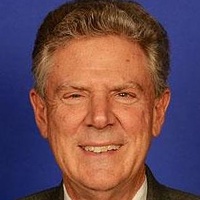
Frank Pallone
Representative
NJ
Frank Pallone
Representative
NJ
The Family Vaccine Protection Act formally establishes the Advisory Committee on Immunization Practices (ACIP) into law, requiring all its vaccine recommendations to be based on the preponderance of the best available, peer-reviewed scientific evidence. This legislation mandates strict procedures for the CDC Director to adopt or reject ACIP advice, including notifying Congress if a recommendation is rejected. Furthermore, the Act requires that any changes to the National Vaccine Injury Compensation Program's injury table must also be supported by strong scientific evidence.