
Legislative Activity
Track John's sponsored bills, co-sponsored legislation, and voting record
This Act updates public disclosure requirements for cargo information on manifests for all arriving ships, vehicles, and aircraft entering the United States.
David Schweikert
Representative
AZ
David Schweikert
Representative
AZ
The Manifest Modernization Act of 2025 updates federal requirements for public disclosure of cargo manifest information for all incoming ships, vehicles, and aircraft. This bill mandates that manifests include more specific details, such as the Harmonized Tariff Schedule subheading and precise country of origin data for all cargo. These new disclosure standards will take effect thirty days after the Act is signed into law.
The Taiwan Allies Fund Act establishes a fund to provide financial assistance to nations facing pressure from the PRC for maintaining ties with Taiwan, while also encouraging deeper U.S. support for Taiwan's international presence.
Raja Krishnamoorthi
Representative
IL
Raja Krishnamoorthi
Representative
IL
The Taiwan Allies Fund Act establishes a dedicated fund to support countries that maintain relationships with Taiwan despite pressure from the People's Republic of China (PRC). This fund authorizes up to $40 million annually for fiscal years 2026 through 2028 to help eligible nations counter PRC coercion. Aid will focus on strengthening democratic partnerships, supporting Taiwan's international participation, and offering alternatives to PRC economic influence. The Secretary of State will manage the fund, coordinating with Taiwan, and must report annually to Congress on the fund's activities and Taiwan's matching contributions.
This bill drastically tightens and expands U.S. sanctions against Iran across its leadership, military, and economy while severely restricting the President's authority to lift these restrictions.
Zachary (Zach) Nunn
Representative
IA
Zachary (Zach) Nunn
Representative
IA
The Maximum Pressure Act dramatically tightens and expands U.S. sanctions against Iran across its military, missile, and economic sectors, codifying existing restrictions and severely limiting the President's authority to grant sanctions relief. It mandates immediate sanctions on top Iranian officials and increases penalties for international parties aiding Iran's weapons programs. Furthermore, the bill enhances oversight by requiring numerous detailed reports to Congress regarding Iran's terrorism financing, nuclear timeline, and economic influence, while also redirecting certain frozen Iranian funds to victims of state-sponsored terrorism.
The RIFLE Act eliminates the federal tax on firearm transfers and makes corresponding technical changes to the tax code without affecting CPSC oversight of regulated firearms.

Ashley Hinson
Representative
IA
Ashley Hinson
Representative
IA
The Repealing Illegal Freedom and Liberty Excises Act (RIFLE Act) eliminates the existing federal tax on firearm transfers. This legislation strikes the relevant section from the Internal Revenue Code and makes necessary technical updates to related statutes. Importantly, this Act does not grant the Consumer Product Safety Commission any new authority over regulated firearms.
This Act imposes sweeping, mandatory sanctions, tariffs, and investment prohibitions on the Russian Federation and its affiliates until Russia negotiates a lasting peace with Ukraine.

Brian Fitzpatrick
Representative
PA
Brian Fitzpatrick
Representative
PA
The Sanctioning Russia Act of 2025 imposes sweeping economic penalties on the Russian Federation in response to its aggression against Ukraine. This legislation mandates severe, immediate sanctions against key Russian officials, financial institutions, and energy sector entities, including asset freezes and trade prohibitions. Furthermore, the Act dramatically increases import duties on Russian goods and requires the President to review and reimpose these measures until Russia negotiates a lasting peace with Ukraine.
This bill condemns the detention of Jimmy Lai in Hong Kong while simultaneously designating a section of D.C. street as "Jimmy Lai Way" and directing mail delivery procedures for related offices.
Christopher Smith
Representative
NJ
Christopher Smith
Representative
NJ
This bill officially designates a section of 18th Street Northwest in Washington, D.C., as "Jimmy Lai Way" and changes the address of a specific building to "1 Jimmy Lai Way Northwest." Furthermore, the legislation strongly condemns the arbitrary detention and mistreatment of Hong Kong media entrepreneur Jimmy Lai, urging the immediate release of all political prisoners. Finally, it directs the U.S. Postal Service on how to handle mail addressed to the Hong Kong Economic and Trade Office at the newly designated address.
The DETERRENT Act mandates increased transparency for colleges regarding foreign gifts and contracts, prohibits most dealings with "countries of concern," and imposes strict investment reporting requirements for large private universities, backed by significant enforcement penalties.
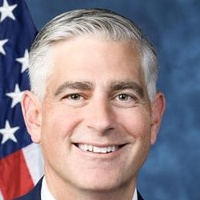
Michael Baumgartner
Representative
WA
Michael Baumgartner
Representative
WA
The DETERRENT Act significantly increases transparency requirements for colleges and universities regarding foreign gifts, contracts, and investments, especially those involving "countries or entities of concern." It mandates detailed public disclosure reports, establishes strict prohibitions and waiver processes for contracts with risky foreign entities, and imposes severe financial penalties for non-compliance. Furthermore, the bill requires specified large private institutions to report their holdings in concerning foreign assets annually.
The SHORT Act redefines "firearm" to exclude certain collector's items, eliminates disparate federal treatment of short-barreled rifles and shotguns, preempts state and local registration/tax burdens on these items, and mandates the destruction of certain existing NFA records.
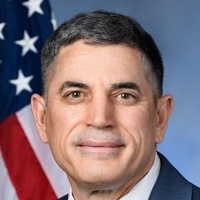
Andrew Clyde
Representative
GA
Andrew Clyde
Representative
GA
The SHORT Act aims to reform federal firearms regulations by redefining what constitutes a "firearm" for tax purposes, largely excluding antique or collector's items. It eliminates disparate federal treatment for short-barreled rifles and shotguns used lawfully and preempts state and local governments from imposing special taxes or registration requirements on these specific weapons. Furthermore, the bill mandates the destruction of certain existing federal registration and transfer records related to defined firearms.
This bill excludes certain veterinary student loan repayments and forgiveness amounts from taxable income to encourage veterinarians to practice in rural areas.

Adrian Smith
Representative
NE
Adrian Smith
Representative
NE
The Rural Veterinary Workforce Act aims to encourage more veterinarians to serve in underserved rural areas by making participation in certain loan repayment or forgiveness programs more financially appealing. This bill amends the tax code to exclude amounts received through qualifying state or federal veterinary student loan repayment programs from being counted as taxable income. This tax benefit applies to amounts received for taxable years beginning after December 31, 2025.
This resolution formally recognizes the 250th anniversary of the United States Marine Corps, honoring its legacy, service, and core values.
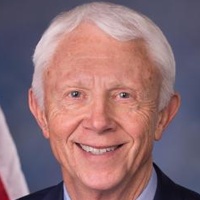
Jack Bergman
Representative
MI
Jack Bergman
Representative
MI
This resolution formally recognizes the upcoming 250th anniversary of the United States Marine Corps in 2025. Congress is honoring the Corps' long history, core values of honor, courage, and commitment, and its consistent readiness to defend the nation. The bill encourages the public to join in celebrating this significant milestone and acknowledging the service and sacrifice of all Marines.
This Act establishes a framework for U.S.-Taiwan tourism cooperation and mandates a report on the feasibility of establishing U.S. preclearance facilities in Taiwan.
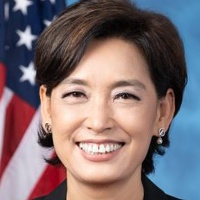
Young Kim
Representative
CA
Young Kim
Representative
CA
This Act establishes the **Taiwan Travel and Tourism Coordination Act** to strengthen tourism cooperation between the United States and Taiwan through joint initiatives. It mandates the Assistant Secretary of Commerce for Travel and Tourism to engage with Taiwanese officials to ease travel and support industry partners. Furthermore, the bill requires a comprehensive report on the feasibility and impact of establishing U.S. preclearance facilities in Taiwan.
This bill establishes national reciprocity for concealed carry permits, allowing individuals legally permitted to carry in their home state to carry a handgun in any other state that allows concealed carry.
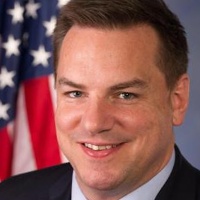
Richard Hudson
Representative
NC
Richard Hudson
Representative
NC
The Constitutional Concealed Carry Reciprocity Act of 2025 establishes a national standard for carrying concealed handguns across state lines. This act allows individuals legally permitted to carry in their home state to carry concealed in any other state that allows its residents to carry concealed firearms. The law does not override private property restrictions or prohibitions on government property, but it provides protections and legal recourse for those traveling in compliance with the new federal standard.
The Foreign Investment Guardrails to Help Thwart (FIGHT) China Act imposes sanctions, prohibits U.S. investments in sensitive Chinese national security technologies, and establishes divestment requirements for companies linked to China's military-industrial complex.
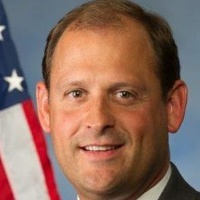
Garland Barr
Representative
KY
Garland Barr
Representative
KY
The Foreign Investment Guardrails to Help Thwart (FIGHT) China Act aims to protect U.S. national security by imposing sanctions on certain foreign persons and restricting U.S. investments in sensitive technologies within China. The bill establishes new prohibitions and mandatory reporting requirements for U.S. persons engaging in covered national security transactions involving specific prohibited technologies. Furthermore, it mandates the creation of a "Non-SDN Chinese Military-Industrial Complex Companies List" and requires divestment from securities in companies placed on that list.
This Act prohibits performing an abortion solely because an unborn child has been diagnosed with Down syndrome and establishes penalties and civil actions for violations.
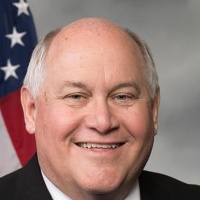
Ron Estes
Representative
KS
Ron Estes
Representative
KS
The Protecting Individuals with Down Syndrome Act prohibits performing an abortion solely because an unborn child has been diagnosed with Down syndrome. This law establishes criminal penalties for providers who violate the prohibition and allows civil lawsuits to be brought by qualified relatives. It also requires medical professionals to report suspected violations.
The Air America Act of 2025 authorizes one-time monetary awards to former Air America employees or their survivors for service supporting the CIA between 1950 and 1976.
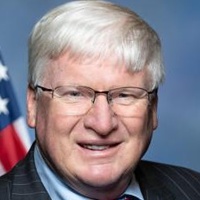
Glenn Grothman
Representative
WI
Glenn Grothman
Representative
WI
The Air America Act of 2025 recognizes the sacrifices of former Air America employees who served the U.S. Government between 1950 and 1976. This Act authorizes a one-time monetary award, up to $40,000 plus potential additional amounts, for qualifying service members or their survivors. The CIA Director is responsible for administering these payments, which are capped at a total of $60 million, and establishing the application procedures. Decisions made by the Director regarding these awards are final and not subject to judicial review.
The Innovative FEED Act of 2025 establishes a new regulatory pathway under the FDA for substances added to animal food intended to modify digestive byproducts, reduce foodborne pathogens, or alter gut function without providing nutrition.
Nicholas Langworthy
Representative
NY
Nicholas Langworthy
Representative
NY
The Innovative FEED Act of 2025 establishes a new regulatory category for "zootechnical animal food substances" intended to modify animal digestive byproducts or reduce foodborne pathogens without treating disease. This bill mandates that these new substances must undergo the standard food additive approval process with the FDA, requiring petitioners to provide extensive data on their intended effects. Approval is contingent upon proving the substance achieves its claimed function under proposed use conditions, and all resulting animal food must carry a specific disclaimer stating it is not for disease treatment.
Supports the designation of March 18, 2025, as "National Agriculture Day" and recognizes the importance of agriculture in the United States.
Mark Alford
Representative
MO
Mark Alford
Representative
MO
This resolution expresses support for designating March 18, 2025, as "National Agriculture Day." It recognizes and celebrates the significant impact of agriculture as a leading industry in the United States.
Commemorates the 108th anniversary of Selfridge Air National Guard Base, recognizing its historical importance, economic impact, and vital role in national security.
John James
Representative
MI
John James
Representative
MI
This bill honors Selfridge Air National Guard Base on its 108th anniversary, recognizing its historical significance, economic impact, and strategic importance to national security. It acknowledges the base's contributions to military operations, its role in homeland defense, and its selection for the KC-46A Pegasus tanker aircraft beddown. The bill also commends the personnel of Selfridge Air National Guard Base and encourages continued support and investment in the base.
The Major Richard Star Act ensures that military retirees with combat-related disabilities can concurrently receive their full military retirement pay and VA disability compensation without reduction.

Gus Bilirakis
Representative
FL
Gus Bilirakis
Representative
FL
The Major Richard Star Act ensures that military retirees with combat-related disabilities can receive both their military retirement pay and VA disability compensation concurrently without reduction. This law removes previous restrictions that caused military retirement pay to be offset by VA disability payments for these specific cases. The changes take effect on the first day of the month following the Act's enactment.
The Save Our Shipyards Act of 2025 establishes the National Commission on the Maritime Industrial Base to study the U.S. maritime industry and recommend policies to strengthen it for national defense and economic competitiveness.

Mark Green
Representative
TN
Mark Green
Representative
TN
The Save Our Shipyards Act of 2025 establishes the National Commission on the Maritime Industrial Base (the SOS Commission). This group is tasked with thoroughly investigating the current state and future needs of the U.S. maritime industrial base, particularly concerning national defense readiness. The Commission must then deliver a public report detailing its findings and policy recommendations to strengthen domestic shipbuilding, repair capabilities, and the maritime workforce.