This bill officially recognizes Middle Eastern and North African (MENA) individuals as a racial and ethnic minority group under the Public Health Service Act and mandates a comprehensive study of MENA population health disparities.
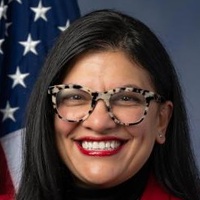
Rashida Tlaib
Representative
MI-12
This bill officially recognizes Middle Eastern and North African (MENA) individuals as a distinct racial and ethnic minority group within federal health law. It directs the Secretary of Health and Human Services to conduct a comprehensive study on the unique health disparities affecting the MENA population. The legislation aims to ensure MENA individuals are included in federal health policies and resource allocation, addressing historical exclusion.
Federal Health Law Officially Recognizes MENA Community, Mandates Comprehensive Health Study
The Health Equity and MENA Community Inclusion Act of 2025 is a major step toward fixing a long-standing omission in how the federal government collects health data and allocates resources. Essentially, this bill officially includes Middle Eastern and North African (MENA) individuals in the statutory definition of a “racial and ethnic minority group” under the Public Health Service Act (Sec. 4). Why does this matter? Because that legal definition is the key that unlocks access to federal programs and funding intended to eliminate health disparities, like those run by the Office of Minority Health (OMH). If you weren’t officially defined as a minority group, you weren’t eligible for those targeted resources, even if you clearly faced barriers.
The Data Gap: Why You Can’t Fix What You Can’t See
For years, data collection classified MENA individuals as “non-Hispanic White,” which effectively hid any specific health issues the community might be facing. This bill aims to fix that by mandating a massive, comprehensive study by the Secretary of Health and Human Services (HHS) on the health of MENA populations across the U.S. (Sec. 5). This isn't just a simple count; the study has to dig deep into everything from chronic disease rates (cancers, heart conditions), maternal and reproductive health outcomes, and even rates of domestic violence and substance use disorders. It needs to break the data down by specific subpopulations—think Lebanese versus Egyptian versus Iranian—to make sure the findings are actually useful. For the average person, this means that for the first time, federal health policy will be built on real, specific data about this community, allowing for targeted solutions instead of guesswork.
What Changes on the Ground?
The immediate impact is twofold. First, the formal inclusion in the definition means that MENA individuals are now eligible for programs designed to reduce health disparities. This could eventually lead to better funding for community clinics, culturally competent care initiatives, or specific research grants aimed at health challenges unique to this group. Second, HHS has two years to review and clarify all existing federal health documents, regulations, and surveys that use the old definition, making sure the new, inclusive definition is applied everywhere (Sec. 4). This is a huge administrative lift, and it’s where the rubber meets the road—agencies will have to work fast to update their paperwork and programming.
Privacy and the Paper Trail
Recognizing that collecting this kind of sensitive demographic data is a big deal, the bill includes some serious privacy protections (Sec. 5). When conducting the study, HHS is strictly limited in collecting personally identifiable information (PII) like names or addresses, and any PII collected must be securely destroyed after its intended use. The final public online portal and reports to Congress are prohibited from including any PII. In fact, the bill makes it a misdemeanor, punishable by up to a $25,000 fine, for any official to knowingly disclose individually identifiable information. This is a crucial safety measure that aims to ensure people can participate in the study without fear of their personal data being misused.
The Takeaway
This legislation is fundamentally about making sure that federal resources and policy are based on reality, not outdated categories. It corrects a historical exclusion and sets the stage for data-driven health equity improvements for the MENA community. While the implementation—especially the massive data study and the two-year deadline for updating all federal documents—will be a heavy lift for HHS, the end result should be a much clearer picture of health disparities and a better path toward addressing them.