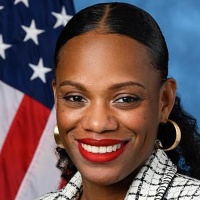
Legislative Activity
Track Summer's sponsored bills, co-sponsored legislation, and voting record
This Act establishes federal grant programs to improve medical education, expand community health center capacity, and increase rural provider training in gender-affirming care for transgender individuals.
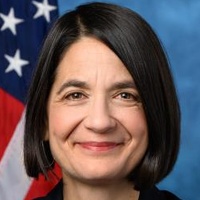
Becca Balint
Representative
VT
Becca Balint
Representative
VT
The Transgender Health Care Access Act aims to improve access to gender-affirming care by addressing critical gaps in medical education and provider capacity. The bill establishes grant programs to develop and implement comprehensive training curricula for medical professionals across various settings, including rural areas. Furthermore, it provides funding to expand the ability of community health centers to deliver culturally competent and necessary care to transgender individuals. Ultimately, this legislation seeks to ensure that healthcare providers are adequately trained and equipped to meet the medical needs of the transgender population.
This bill seeks to disapprove and halt the proposed foreign military sale to Israel of 35,529 bomb bodies and 4,000 I2000 Penetrator warheads.
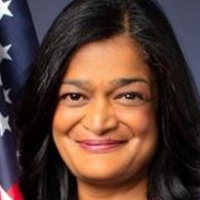
Pramila Jayapal
Representative
WA
Pramila Jayapal
Representative
WA
This joint resolution expresses the disapproval of Congress regarding a proposed foreign military sale to Israel. Specifically, it blocks the transfer of 35,529 general-purpose bomb bodies and 4,000 I2000 Penetrator warheads. The bill uses congressional authority to prohibit this specific arms transfer that was previously submitted for review.
This Act expands and reforms the Low-Income Home Energy Assistance Program (LIHEAP) to increase funding, simplify eligibility, mandate energy efficiency upgrades, and protect low-income families from high utility costs and shutoffs.

Yassamin Ansari
Representative
AZ
Yassamin Ansari
Representative
AZ
The Heating and Cooling Relief Act aims to significantly expand and modernize energy assistance for low-income families facing high utility costs and extreme weather. It increases funding for the Low-Income Home Energy Assistance Program (LIHEAP), streamlines eligibility requirements, and mandates that energy suppliers take steps to prevent shutoffs and eliminate late fees for recipients. Furthermore, the bill prioritizes using funds for weatherization and home retrofitting to reduce fossil fuel dependence and improve climate resilience for vulnerable households.
This bill expresses congressional disapproval to block the proposed foreign military sale of D9R and D9T Caterpillar bulldozers and associated support items to Israel.
Pramila Jayapal
Representative
WA
Pramila Jayapal
Representative
WA
This bill seeks to disapprove and halt a specific proposed foreign military sale of defense articles and services to Israel. Specifically, it blocks the transfer of D9R and D9T Caterpillar bulldozers along with associated support equipment and services. Congress is exercising its authority to veto this particular sale as outlined in the Arms Export Control Act.
The Abortion Care Awareness Act of 2025 mandates a national public health campaign by HHS to educate the public on accessing abortion care, understanding related rights, and identifying misinformation.

Jasmine Crockett
Representative
TX
Jasmine Crockett
Representative
TX
The Abortion Care Awareness Act of 2025 mandates the creation of a national public health campaign by the Secretary of HHS to educate the public on accessing abortion and related health services legally and safely. This campaign must provide medically accurate information on care options, including telehealth and medication abortion, while also teaching people how to recognize disinformation and protect their health data. The effort must be culturally competent and accessible to underserved communities, explicitly prohibiting the promotion of misinformation or abstinence-only programs.
This joint resolution expresses congressional disapproval to stop an enhancement or upgrade to a planned defense article and services sale to the Government of Israel.
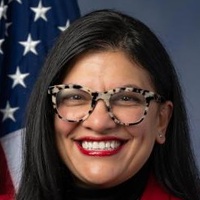
Rashida Tlaib
Representative
MI
Rashida Tlaib
Representative
MI
This joint resolution expresses congressional disapproval of an enhancement or upgrade to a previously planned foreign military sale of defense articles and services to the Government of Israel. Specifically, it blocks the proposed increase in the total value of the sale, which was necessitated by recent cost escalations for the equipment. The resolution effectively halts the more expensive, revised version of the defense transfer.
This joint resolution seeks to disapprove and block a proposed foreign military sale to Israel involving 1,000-pound bomb bodies and associated JDAM guidance kits.
Rashida Tlaib
Representative
MI
Rashida Tlaib
Representative
MI
This joint resolution seeks to disapprove and halt a specific proposed foreign military sale of defense articles and services to Israel. The blocked sale includes various 1,000-pound bomb bodies and associated Joint Direct Attack Munition (JDAM) guidance kits. This action uses congressional authority to stop the transfer outlined in Transmittal No. 2526.
This resolution formally recognizes and supports the goals and ideals of the International Transgender Day of Visibility to honor the achievements and acknowledge the ongoing struggles of the transgender community.

Sara Jacobs
Representative
CA
Sara Jacobs
Representative
CA
This resolution formally recognizes and celebrates the International Transgender Day of Visibility. Congress acknowledges the achievements of transgender individuals while highlighting the ongoing discrimination and violence they face. The resolution encourages appropriate ceremonies and activities to observe the day and celebrate the community's leadership and fight for equality.
The Hot Foods Act of 2025 lifts the general ban on purchasing ready-to-eat hot foods with SNAP benefits while imposing a sales cap on retailers that primarily sell such items.

Grace Meng
Representative
NY
Grace Meng
Representative
NY
The Hot Foods Act of 2025 removes the general federal ban on using Supplemental Nutrition Assistance Program (SNAP) benefits to purchase hot, ready-to-eat foods. This legislation clarifies that hot foods are now eligible for purchase with SNAP benefits, while also setting a new rule that limits SNAP-participating retailers to deriving no more than 50% of their gross sales from these ready-to-eat hot items. The act updates existing statutes to reflect this expanded purchasing power for recipients.
This bill designates numerous specific tracts of land across Utah as official Wilderness Areas to preserve their unique ecological, geological, and cultural values while establishing administrative rules for their management.
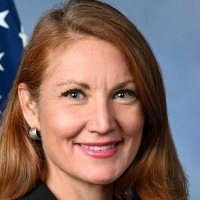
Melanie Stansbury
Representative
NM
Melanie Stansbury
Representative
NM
The America's Red Rock Wilderness Act focuses on designating numerous specific tracts of land across Utah as official Wilderness Areas, granting them the highest level of federal protection. This legislation aims to preserve the unique ecological, geological, and cultural values of these diverse landscapes from development. It also establishes administrative provisions for managing these new areas, including boundary definitions, water rights, and the continuation of existing uses like livestock grazing. Ultimately, the bill significantly expands protected wilderness in Utah while safeguarding critical natural and historical resources.
This Act restores immediate U.S. funding to UNRWA contingent upon the agency's commitment to increased accountability and transparency reforms following an independent review.
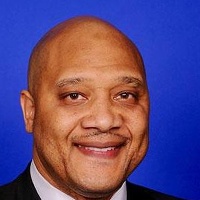
André Carson
Representative
IN
André Carson
Representative
IN
The UNRWA Funding Emergency Restoration Act of 2025 aims to immediately restart U.S. funding for the UN agency assisting Palestinian refugees, which was previously frozen. This bill mandates the cancellation of existing restrictions and requires the Secretary of State to resume aid payments while ensuring accountability based on an independent review. Furthermore, it urges Israel to cooperate with UNRWA investigations to maintain agency neutrality.
This resolution demands the President transmit all documents related to the security clearances of Elon Musk and members of the DOGE team to the House of Representatives within 14 days.
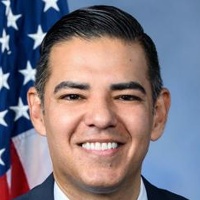
Robert Garcia
Representative
CA
Robert Garcia
Representative
CA
This resolution of inquiry formally requests the President to transmit all documents in his possession related to the security clearances, vetting, and background checks for Elon Musk and several named members of the United States Department of Government Efficiency Service (DOGE). The House demands these unredacted records within 14 days of the resolution's adoption. This action seeks transparency regarding the clearance process for these specific individuals associated with the DOGE team.
This Act removes existing restrictions and clarifies eligibility requirements for striking workers seeking Supplemental Nutrition Assistance Program (SNAP) benefits.
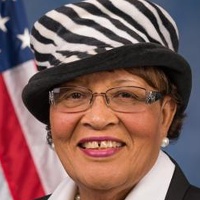
Alma Adams
Representative
NC
Alma Adams
Representative
NC
The Food Secure Strikers Act of 2025 aims to clarify and simplify eligibility rules for striking workers seeking Supplemental Nutrition Assistance Program (SNAP) benefits. This legislation removes outdated restrictions and clarifies the precise conditions under which participation in a labor strike affects a worker's SNAP eligibility. The goal is to streamline the existing law regarding striker access to food assistance.
This act mandates that the Supreme Court must allow television cameras in all open court sessions unless a majority of justices vote that it violates due process for a specific case.

Gerald Connolly
Representative
VA
Gerald Connolly
Representative
VA
The Cameras in the Courtroom Act mandates that the Supreme Court must allow television cameras to record all of its open court sessions. The Court can only vote to block coverage for a specific case if a majority of justices agree it would violate due process rights. This legislation aims to increase public access to Supreme Court proceedings.
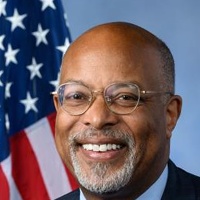
This Act raises the minimum age for Federal Firearms Licensees to sell certain semiautomatic rifles and shotguns to 21, with exceptions for qualified individuals aged 18-20, and mandates an FBI report on its public access line operations.
Glenn Ivey
Representative
MD
Glenn Ivey
Representative
MD
The Raise the Age Act of 2025 generally prohibits Federal Firearms Licensees from selling certain semiautomatic centerfire rifles or shotguns capable of holding magazines over five rounds to anyone under 21, with exceptions for qualified military or government personnel. The bill also maintains the existing minimum age of 18 for general firearm purchases, excluding the newly restricted categories. Finally, it mandates that the FBI Director report on the operational procedures of its public access line within 90 days of enactment.
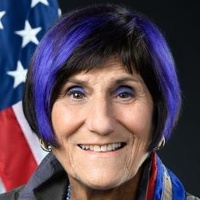
The Paycheck Fairness Act strengthens equal pay enforcement by tightening defenses against pay discrimination, expanding protections against retaliation, increasing penalties for violations, and requiring comprehensive data collection and training initiatives.
Rosa DeLauro
Representative
CT
Rosa DeLauro
Representative
CT
The Paycheck Fairness Act significantly strengthens federal equal pay protections by broadening definitions of sex discrimination, tightening employer defenses against pay disparities, and increasing penalties for violations. It also prohibits employers from using salary history in hiring decisions and mandates new data collection by the EEOC to better enforce anti-discrimination laws. Furthermore, the bill establishes new training and outreach programs to combat systemic wage bias.
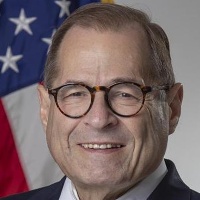
This Act establishes the permanent Office of Children's Health Protection within the EPA and a permanent advisory committee to focus federal efforts on mitigating environmental and safety hazards disproportionately affecting children.
Jerrold Nadler
Representative
NY
Jerrold Nadler
Representative
NY
The Children’s Health Protection Act of 2025 establishes a dedicated Office of Children's Health Protection within the EPA to specifically address environmental and safety hazards disproportionately affecting children. This Act also mandates the continuation of a permanent Children's Health Protection Advisory Committee to advise the EPA Administrator on related programs and rules. The goal is to ensure federal actions actively protect infants, children, and adolescents from environmental dangers.
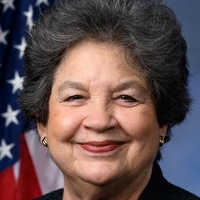
This resolution formally recognizes the persistent gender wage gap and reaffirms Congress's commitment to achieving pay equity.
Lois Frankel
Representative
FL
Lois Frankel
Representative
FL
This resolution formally recognizes the significant and persistent wage gap between men and women in the United States, highlighting statistics that show women earn substantially less. It serves as a strong public statement reaffirming Congress's commitment to achieving pay equity. The measure does not enact new laws but emphasizes the economic harm caused by unequal pay for women and their families.
This Act establishes U.S. policy to support democracy in Pakistan, imposes sanctions on General Asim Munir, and authorizes visa bans for Pakistani officials undermining democratic processes or wrongfully detaining political figures.
Joe Wilson
Representative
SC
Joe Wilson
Representative
SC
The Pakistan Democracy Act establishes a U.S. policy to support democracy, free elections, and the rule of law in Pakistan. It mandates sanctions against General Asim Munir unless specific democratic benchmarks are met, such as the end of military rule and the release of political detainees. Furthermore, the Act authorizes visa bans against Pakistani officials knowingly involved in undermining democracy or persecuting political detainees. The President retains limited waiver authority for these sanctions under specific national interest conditions.
This bill officially ratifies the Equal Rights Amendment, validating its inclusion in the Constitution regardless of any prior ratification deadlines.
Ayanna Pressley
Representative
MA
Ayanna Pressley
Representative
MA
This bill officially ratifies the Equal Rights Amendment, declaring it a valid part of the U.S. Constitution. It specifically removes any previously imposed deadlines for state ratification. If three-fourths of the states have approved the amendment, this law confirms its official status regardless of past time constraints.