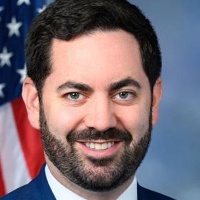
Legislative Activity
Track Michael's sponsored bills, co-sponsored legislation, and voting record
This bill authorizes the awarding of the Congressional Gold Medal to Charles "Charlie" James Kirk in recognition of his life, service, and dedication to the United States.
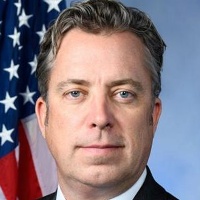
Andrew Ogles
Representative
TN
Andrew Ogles
Representative
TN
The Charlie Kirk Congressional Gold Medal Act authorizes the posthumous award of the Congressional Gold Medal to Charles "Charlie" Kirk in recognition of his life, service, and dedication to the United States. The bill honors his legacy as the founder of Turning Point USA and his commitment to promoting traditional American values, faith, and civil discourse.
This bill establishes Medicare coverage for genetic counseling services provided by licensed or certified genetic counselors starting in 2027.

Adrian Smith
Representative
NE
Adrian Smith
Representative
NE
The Access to Genetic Counselor Services Act of 2025 aims to expand healthcare access by establishing Medicare coverage for genetic counseling services starting in 2027. This legislation defines qualified genetic counselors and sets specific payment rules for these covered services under Medicare. The bill ensures that Medicare beneficiaries can receive essential genetic counseling from licensed or certified professionals.
This bill amends House rules to require a 60% supermajority vote of those present and voting to censure, disapprove of, or remove a Member, Delegate, or Resident Commissioner from committee.
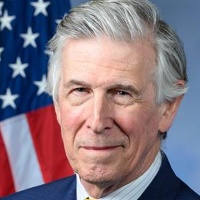
Donald Beyer
Representative
VA
Donald Beyer
Representative
VA
This bill proposes amending the House Rules to increase the threshold required for disciplinary action against a Member, Delegate, or Resident Commissioner. Specifically, it mandates that a supermajority of at least 60% of votes cast must support any resolution for censure, disapproval, or removal from committee membership. This change establishes a higher bar for imposing these specific forms of House discipline.
This act grants the Federal Energy Regulatory Commission (FERC) exclusive authority to approve or deny natural gas and LNG terminal applications, deeming such exports and imports consistent with the public interest, while preserving presidential sanction authority.
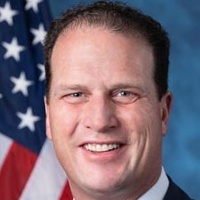
August Pfluger
Representative
TX
August Pfluger
Representative
TX
This act grants the Federal Energy Regulatory Commission (FERC) exclusive authority to approve or deny applications for natural gas and LNG export/import facilities, mandating that such actions be considered consistent with the public interest. The legislation clarifies that it does not limit the President's existing authority to impose sanctions through trade restrictions.
The Find It Early Act mandates no-cost coverage for additional, recommended breast cancer screenings for high-risk individuals across private insurance, Medicare, Medicaid, TRICARE, and VA health programs starting in 2026.
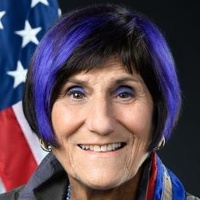
Rosa DeLauro
Representative
CT
Rosa DeLauro
Representative
CT
The Find It Early Act mandates that certain individuals at increased risk for breast cancer receive additional, recommended screenings with no out-of-pocket costs. This coverage requirement applies across private health plans, Medicare, Medicaid, TRICARE, and the Department of Veterans Affairs. These provisions are set to take effect starting January 1, 2026.
This Act expands access to lung cancer screening under Medicaid and Medicare without cost-sharing or prior authorization, broadens tobacco cessation coverage for all Medicaid individuals, and mandates public education and a demographic report on screening.
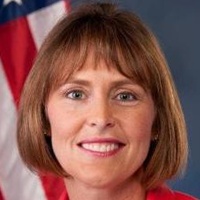
Kathy Castor
Representative
FL
Kathy Castor
Representative
FL
The Increasing Access to Lung Cancer Screening Act aims to expand access to crucial preventative care by mandating that Medicaid and Medicare cover annual lung cancer screenings without cost-sharing or prior authorization for eligible individuals. The bill also expands Medicaid coverage for tobacco cessation services to all beneficiaries and prohibits private health insurance plans from imposing prior authorization for recommended screenings. Finally, it authorizes funding for a national education campaign and requires a report on lung cancer screening demographics.
This bill extends enhanced premium tax credits through 2027, establishes new anti-fraud measures for health insurance enrollment, and extends the 2026 open enrollment period.
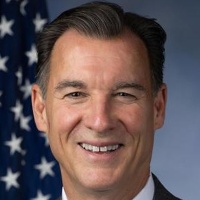
Thomas Suozzi
Representative
NY
Thomas Suozzi
Representative
NY
The Bipartisan Healthcare Optimization, Protection, and Extension (HOPE) Act extends enhanced premium tax credits for health insurance through 2027, making coverage more affordable for eligible individuals. The bill also establishes significant new guardrails and penalties to prevent fraud in health insurance enrollment through the Exchanges. Finally, it extends the annual open enrollment period for the 2026 plan year.
This Act provides liability protection for individuals and organizations who donate or distribute menstrual products in good faith to those in need.
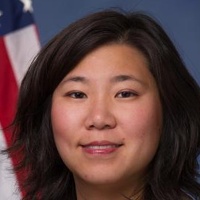
Grace Meng
Representative
NY
Grace Meng
Representative
NY
The Good Samaritan Menstrual Products Act provides liability protections for individuals, manufacturers, and nonprofit organizations that donate or distribute menstrual products in good faith to those in need. This protection covers the nature, age, or condition of apparently usable donated products. However, these protections do not apply in cases of gross negligence or intentional misconduct.
The ROTOR Act mandates increased transparency for sensitive government flights by narrowing ADS-B exception rules, requires ADS-B In equipment on certain aircraft, and establishes safety reviews for military and civilian operations near major airports.
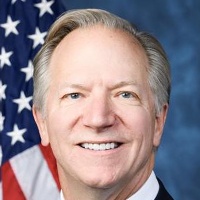
Robert Onder
Representative
MO
Robert Onder
Representative
MO
The ROTOR Act aims to enhance aviation safety and transparency, primarily by narrowing exceptions for disabling ADS-B tracking on government aircraft and mandating that aircraft equipped with ADS-B Out must also install ADS-B In technology. The bill further requires the FAA to conduct comprehensive safety reviews of military and civilian operations in complex airspace, such as around Reagan National Airport. Finally, it mandates formal agreements for the FAA and the Department of the Army to share critical aviation safety data.
This Act prohibits foreign states and sovereign wealth funds from funding U.S. litigation unless they are a party, and mandates disclosure of all foreign third-party litigation funding in civil actions.
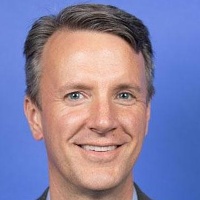
Ben Cline
Representative
VA
Ben Cline
Representative
VA
This Act prohibits foreign states and sovereign wealth funds from funding U.S. civil litigation where they are not a party. It mandates strict disclosure requirements for any foreign third-party litigation funding in federal cases. Failure to comply can result in the dismissal of the case and other sanctions. The Attorney General must also report annually to Congress on the use of such foreign funding.
This bill amends federal transportation loan programs (TIFIA and RRIF) to establish flexible creditworthiness standards for projects that incorporate residential or mixed-use development.
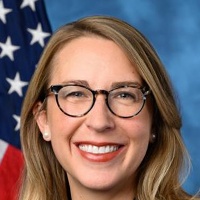
Hillary Scholten
Representative
MI
Hillary Scholten
Representative
MI
The Unlocking Affordable Housing Act modifies federal transportation loan programs, specifically TIFIA and RRIF, to create flexible creditworthiness standards for projects that incorporate residential or mixed-use development. This change aims to encourage the inclusion of housing in transportation infrastructure projects by aligning credit review with standards used by the Department of Housing and Urban Development (HUD). The Secretary of Transportation is required to establish these new, tailored credit rules within 180 days of enactment.
The HEAR Act of 2025 establishes Medicare coverage for hearing aids as durable medical equipment and for comprehensive hearing rehabilitation services, including audiology.
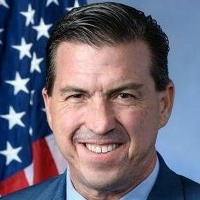
Kevin Mullin
Representative
CA
Kevin Mullin
Representative
CA
The HEAR Act of 2025 aims to significantly expand Medicare benefits by establishing coverage for comprehensive hearing rehabilitation services. This legislation specifically amends the Social Security Act to include hearing aids as covered durable medical equipment and mandates coverage for necessary aural rehabilitation services. The goal is to ensure eligible Medicare beneficiaries receive necessary audiological assessments, appropriate hearing aids, and follow-up rehabilitation care.
This bill mandates a comprehensive threat assessment and strategic plan from the Secretary of Homeland Security regarding the criminal organization Tren de Aragua's impact on U.S. border security.
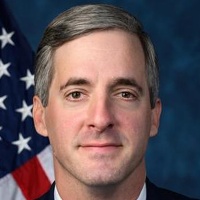
Brad Knott
Representative
NC
Brad Knott
Representative
NC
This Act requires the Secretary of Homeland Security to conduct a comprehensive border threat assessment on the criminal organization Tren de Aragua. Following this assessment, the Secretary must submit a strategic plan detailing how to counter the identified threats along the nation's borders. The legislation aims to enhance security by focusing federal efforts against this specific transnational criminal organization.
The PEARL Act establishes a three-year pilot program for U.S. Customs and Border Protection to adopt and train shelter dogs as support dogs.
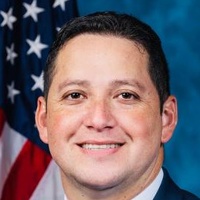
Ernest Gonzales
Representative
TX
Ernest Gonzales
Representative
TX
The PEARL Act establishes a three-year pilot program within U.S. Customs and Border Protection (CBP) to enhance its Support Canine Program. This initiative requires CBP to adopt dogs from local animal shelters and train them to serve as support dogs.
This act establishes the National Strategy for School Security Act of 2025, requiring the Secretary of Homeland Security to develop and annually update a national strategy to secure schools from terrorism threats.
Ernest Gonzales
Representative
TX
Ernest Gonzales
Representative
TX
The National Strategy for School Security Act of 2025 mandates the creation of a comprehensive national strategy to secure K-12 schools from terrorism threats. This strategy, developed by the Secretary of Homeland Security in collaboration with the Secretary of Education, must detail all federal security programs, identify vulnerabilities, and outline goals for improvement. The strategy must be submitted to Congress within one year and updated annually through 2033.
This act mandates Medicare coverage for FDA-approved early detection screening tests for Alzheimer's disease and related dementias beginning in 2028.
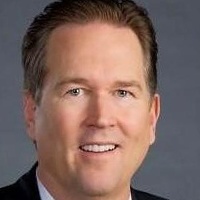
Vern Buchanan
Representative
FL
Vern Buchanan
Representative
FL
The Alzheimer’s Screening and Prevention Act of 2025 (ASAP Act) amends Medicare to cover early detection screening tests for Alzheimer's disease and related dementias starting in 2028. This coverage applies to FDA-cleared tests, including genomic sequencing and other equivalent diagnostic methods, designed to detect pre-symptomatic or early-stage conditions. The bill ensures these screenings are added to the list of covered medical services under Medicare.
This bill requires a report assessing the capacity and resource needs of the U.S. Mission in Australia to support growing U.S. government operations and objectives.
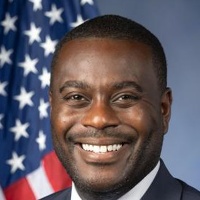
Gabe Amo
Representative
RI
Gabe Amo
Representative
RI
The Promoting Diplomacy with Australia Act mandates a comprehensive report from the State Department assessing the capacity of the U.S. Mission in Australia. This report must detail planned growth in staffing and operations through 2030, identify resource gaps, and recommend necessary funding to support key U.S. objectives and the U.S.-Australia alliance.
This bill mandates the SEC to establish data protection policies for sensitive information received from investment advisers.
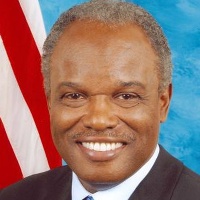
David Scott
Representative
GA
David Scott
Representative
GA
This bill, the "SEC Data Protection Act," mandates that the Securities and Exchange Commission (SEC) establish comprehensive data protection policies for sensitive, nonpublic information received from investment advisers. The SEC must adopt these rules within one year, ensuring the safeguarding and restricted access of proprietary data. This legislation aims to protect sensitive information collected by the Commission during its oversight of investment advisers.
This bill directs the Department of Defense to establish a pilot program partnering basic needs banks with military installations to provide essential diapers and diapering supplies to military families.
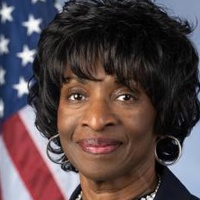
Valerie Foushee
Representative
NC
Valerie Foushee
Representative
NC
This bill directs the Secretary of Defense to establish a pilot program creating partnerships between military installations and qualified basic needs banks. The goal of this program is to provide essential diapers and diapering supplies to military families in need. The Secretary must also seek collaboration with the National Diaper Bank Network for technical assistance and program evaluation.
This bill mandates the revision of the Standard Occupational Classification system to establish a distinct code for Direct Support Professionals to better recognize their critical role in supporting individuals with disabilities.
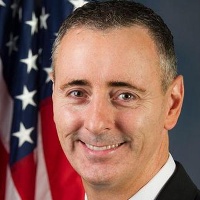
Brian Fitzpatrick
Representative
PA
Brian Fitzpatrick
Representative
PA
The Recognizing the Role of Direct Support Professionals Act aims to address the critical shortage and high turnover among Direct Support Professionals (DSPs) who assist individuals with intellectual and developmental disabilities. The bill mandates that the Office of Management and Budget review and revise the Standard Occupational Classification system to establish a distinct code for DSPs. This change will allow for more accurate labor market data collection to better support these essential workers. The Act does not authorize any new funding.