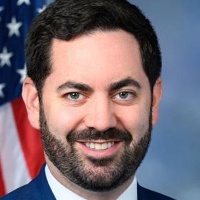
Legislative Activity
Track Michael's sponsored bills, co-sponsored legislation, and voting record
This act nullifies a recent Executive Order regarding federal labor relations and ensures existing collective bargaining agreements remain in effect.
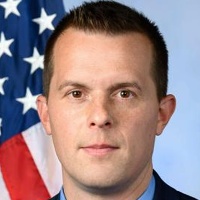
Jared Golden
Representative
ME
Jared Golden
Representative
ME
The Protect America's Workforce Act nullifies a specific Executive Order issued in March 2025 concerning exclusions from federal labor-management relations programs. This legislation ensures that any existing collective bargaining agreements between federal agencies and employee unions remain fully in effect until their stated expiration dates. The Act also prohibits the use of federal funds to implement the overturned Executive Order.
This act establishes a five-year pilot program for federal grants to public schools to fund independent security risk assessments and implement necessary hard security improvements.
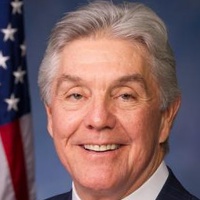
Roger Williams
Representative
TX
Roger Williams
Representative
TX
The Safer Schools Act of 2025 establishes a five-year pilot program managed by the Attorney General to award grants to public schools for security enhancements. These grants fund independent facility security risk assessments and "hard security improvements," such as physical infrastructure upgrades. Priority is given to schools that have experienced past incidents of deadly harm, and recipients must report on the effectiveness of the improvements.
This bill establishes a Chief Critical Minerals Negotiator within the USTR to address foreign trade practices and secure U.S. supply chains for essential minerals.
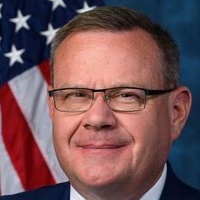
Tim Moore
Representative
NC
Tim Moore
Representative
NC
The Critical Minerals Trade Security Act establishes a Chief Critical Minerals Negotiator within the U.S. Trade Representative's office to address foreign trade practices impacting vital mineral supply chains. This position will conduct trade negotiations and enforce agreements related to these essential resources. The Negotiator is required to submit annual reports detailing foreign policies that create supply chain vulnerabilities or violate trade agreements, along with corresponding response plans.
This bill establishes a new "family purpose" nonimmigrant visa category allowing relatives of U.S. citizens and LPRs to visit temporarily for up to 90 days annually, subject to financial and insurance requirements.
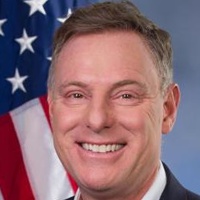
Scott Peters
Representative
CA
Scott Peters
Representative
CA
The Temporary Family Visitation Act establishes a new nonimmigrant visa category specifically for relatives of U.S. citizens and lawful permanent residents to visit the United States for family purposes. This visa limits stays to a maximum of 90 days per calendar year and requires financial support, medical insurance, and a sworn declaration of intent to depart. Individuals admitted under this category are prohibited from changing their status while in the U.S.
This bill extends enhanced premium tax credits for 2026, establishes strict anti-fraud measures for health insurance agents and brokers, imposes new accountability and transparency requirements on Pharmacy Benefit Managers (PBMs) in Medicare, and extends the 2026 open enrollment period.
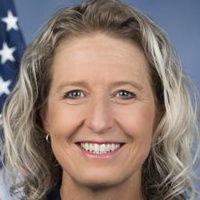
Jennifer Kiggans
Representative
VA
Jennifer Kiggans
Representative
VA
The CommonGround for Affordable Health Care Act extends enhanced premium tax credits for Marketplace health insurance through 2026, while also establishing strict new penalties and verification processes to combat fraud by agents and brokers in health insurance exchanges. Furthermore, the bill imposes significant new transparency and accountability requirements on Pharmacy Benefit Managers (PBMs) contracting with Medicare Part D plans. Finally, it extends the 2026 open enrollment period and creates a fast-track legislative process for future premium tax credit reform bills.
This bill establishes a national public awareness campaign to boost HPV vaccination rates and increases funding for breast and cervical cancer early detection programs.
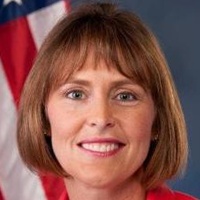
Kathy Castor
Representative
FL
Kathy Castor
Representative
FL
The PREVENT HPV Cancers Act of 2025 aims to combat the significant health threat posed by human papillomavirus (HPV) and related cancers. This legislation establishes a national public awareness campaign, managed by the CDC, to increase HPV vaccination rates and combat misinformation. Additionally, it increases funding for the National Breast and Cervical Cancer Early Detection Program to improve screening access. The overall goal is to leverage vaccination and early detection to reduce the incidence of HPV-associated cancers.
This act expands Medicare coverage for external infusion pumps and associated non-self-administrable home infusion drugs under specific conditions to improve patient access to home infusion therapy.
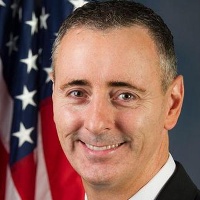
Brian Fitzpatrick
Representative
PA
Brian Fitzpatrick
Representative
PA
The Joe Fiandra Access to Home Infusion Act of 2025 expands Medicare coverage for external infusion pumps and associated non-self-administrable home infusion drugs when specific FDA and provider supervision requirements are met. This legislation ensures that necessary home infusion therapies, requiring professional administration, are covered as durable medical equipment for use in the home. Additionally, the bill mandates clear communication to patients regarding out-of-pocket costs for these home treatments compared to other settings.
The CARE for First Responders Act expands crisis counseling and establishes specialized mental health services and mobile crisis grants for emergency responders and public safety telecommunicators following major disasters.
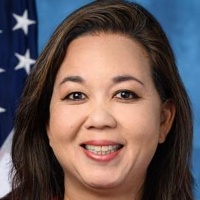
Jill Tokuda
Representative
HI
Jill Tokuda
Representative
HI
The CARE for First Responders Act expands crisis counseling assistance to include emergency responders and public safety telecommunicators following major disasters. The bill establishes a comprehensive mental health program providing 24/7 confidential support, including a dedicated hotline and peer counseling. Additionally, it creates a grant program to fund mobile crisis units offering on-site mental health services to first responders during disaster response.
This bill officially renames the U.S. Postal Service facility in Avon, New York, as the Officer Anthony Mazurkiewicz Memorial Post Office Building.
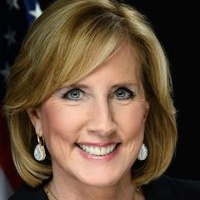
Claudia Tenney
Representative
NY
Claudia Tenney
Representative
NY
This bill officially designates the United States Postal Service facility located at 80 Prospect Street in Avon, New York, as the **Officer Anthony Mazurkiewicz Memorial Post Office Building**. This action ensures the facility will bear this name in all federal records and references moving forward.
This bill officially names the World War II Women's Memorial at Arlington National Cemetery and adjusts location restrictions for a related commemorative work in Washington, D.C.

Debbie Dingell
Representative
MI
Debbie Dingell
Representative
MI
This Act officially names the memorial at the entrance to Arlington National Cemetery as the "World War II Women's Memorial." It also designates this memorial as a "commemorative work" under existing federal law. Furthermore, the bill allows a specific World War II home front women's commemorative work to be placed in designated areas within Washington, D.C., overriding standard location restrictions.
This bill extends and enhances Affordable Care Act premium tax credits, implements anti-fraud measures for insurance enrollment, increases PBM accountability in Medicare Part D, mandates full rebate pass-through for ERISA plans, and expands Health Savings Account eligibility for certain Exchange enrollees.
Brian Fitzpatrick
Representative
PA
Brian Fitzpatrick
Representative
PA
The Bipartisan Health Insurance Affordability Act aims to lower healthcare costs by extending and enhancing premium tax credits for Marketplace insurance through 2027. It also institutes strict new anti-fraud measures and verification processes for agents and brokers enrolling consumers in Exchange plans. Furthermore, the bill imposes significant transparency and accountability requirements on Pharmacy Benefit Managers (PBMs) in Medicare Part D and mandates a full pass-through of rebates in certain private health plans. Finally, it expands access to Health Savings Accounts (HSAs) for certain Exchange enrollees.
This bill establishes an annual national observance called Anti-Communism Week to honor victims of communism and reaffirm the United States' commitment to liberty.
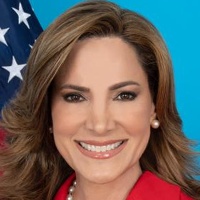
Maria Salazar
Representative
FL
Maria Salazar
Representative
FL
This bill establishes "Anti-Communism Week" as a national observance to remember the devastation caused by communism and honor its victims. It directs the President to issue an annual proclamation calling for appropriate ceremonies and activities across the United States. The legislation reaffirms the nation's commitment to liberty and human dignity over communist ideology.
The Bridges not Bumpers Act of 2025 establishes working groups, funding, and educational campaigns to improve data sharing and prevent commercial truck bridge strikes.
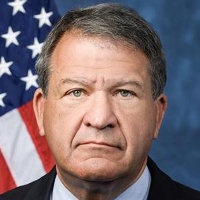
George Latimer
Representative
NY
George Latimer
Representative
NY
The Bridges not Bumpers Act of 2025 aims to reduce commercial truck bridge strikes by establishing a DOT working group to improve data sharing on bridge heights and truck routes, especially for GPS systems. The bill also mandates a national education campaign, creates a central clearinghouse for strike data, and establishes a grant program for research on infrastructure improvements. Furthermore, it addresses liability protections for GPS providers and sets new requirements for rental vehicle companies regarding height disclosure.
This bill mandates a report on the feasibility of using emerging technologies to enhance internet freedom in Iran.
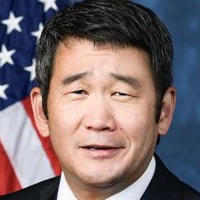
Dave Min
Representative
CA
Dave Min
Representative
CA
The Feasibility Review of Emerging Equipment for Digital Open Media Act (FREEDOM Act) mandates the Secretary of State to report on internet freedom in Iran. This report must assess the feasibility of using emerging technologies, like direct-to-cell wireless, to expand internet access. It will also analyze the impact of current drone and jamming technologies on these efforts.
This act establishes a Department of Agriculture program to provide financial assistance and support to farmers whose land or water is contaminated by PFAS chemicals.

Chellie Pingree
Representative
ME
Chellie Pingree
Representative
ME
The Relief for Farmers Hit with PFAS Act establishes a Department of Agriculture program to provide financial assistance to farmers whose land or water is contaminated by PFAS from off-site sources. This program authorizes grants to eligible governments to fund remediation, testing, producer assistance, and research related to the contamination. The bill also establishes a task force to advise the Secretary of Agriculture on broader PFAS issues within farm programs.
This Act lifts the existing policy that automatically denies the export or transfer of U.S. defense articles and services to the Republic of Cyprus, provided human rights concerns are not present and the President does not intervene for national security reasons.
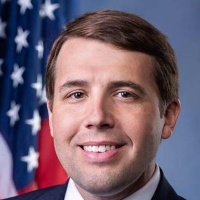
Chris Pappas
Representative
NH
Chris Pappas
Representative
NH
The End the Cyprus Embargo Act lifts the existing policy that automatically denies requests to export U.S. defense articles and services to the Republic of Cyprus. Congress finds that allowing these defense sales strengthens U.S. security interests in Europe by reducing Cyprus's reliance on other nations for military equipment. This change is contingent on Cyprus meeting certain requirements and allows the President to reinstate the denial policy temporarily for national security reasons.
This bill mandates that federal agencies quickly share information about newly sanctioned individuals and entities across designated sanctions lists to ensure consistent and timely enforcement.
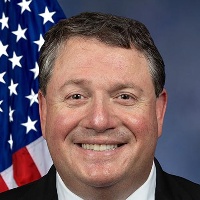
Randall Fine
Representative
FL
Randall Fine
Representative
FL
The Sanctions Lists Harmonization Act mandates that federal agencies quickly share information when adding individuals or entities to designated U.S. sanctions lists. Upon receiving notification, agencies must review and decide whether to add the subject to their own corresponding lists within strict timeframes. This process aims to ensure consistent and timely application of sanctions across the government. Agencies must also report their compliance with these new harmonization rules to Congress one year after enactment.
This bill designates the Muslim Brotherhood and its affiliates as terrorist organizations, imposing strict prohibitions and immigration consequences for its members.
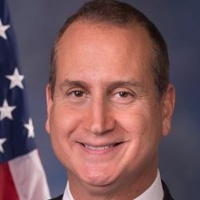
Mario Diaz-Balart
Representative
FL
Mario Diaz-Balart
Representative
FL
The Muslim Brotherhood Terrorist Designation Act of 2025 seeks to formally prohibit the operations of the Muslim Brotherhood and its affiliates within the United States by applying existing anti-terrorism restrictions. This legislation mandates the Secretary of State to annually report on all Muslim Brotherhood branches globally, leading to the imposition of sanctions by the President on those entities. Furthermore, the bill establishes immigration consequences, including visa cancellation, for members of the organization.
This act increases funding and the average cost limit for the Weatherization Assistance Program while adding a new reporting requirement on enhancement readiness to the Department of Energy's annual report.
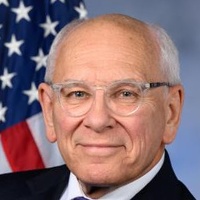
Paul Tonko
Representative
NY
Paul Tonko
Representative
NY
The Weatherization Enhancement and Readiness Act of 2025 significantly increases funding authorization for the Weatherization Assistance Program through 2030. This bill also raises the maximum average cost allowed for weatherizing a single home from $6,500 to $12,000. Finally, it mandates that the Department of Energy's annual readiness report to Congress include details on how enhancement efforts impact program eligibility.
This act prohibits state and local governments from enacting regulations that restrict energy service based on the type or source of energy sold in interstate commerce.
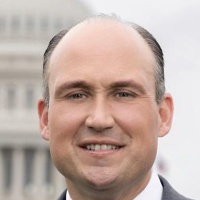
Nicholas Langworthy
Representative
NY
Nicholas Langworthy
Representative
NY
The Energy Choice Act places federal restrictions on state and local governments, preventing them from enacting regulations that prohibit or limit energy service based on its type or source. This means local governments cannot ban or restrict access to energy services sold in interstate commerce. The legislation aims to ensure consistent access to various energy sources across jurisdictions.