The Bridges not Bumpers Act of 2025 establishes working groups, funding, and educational campaigns to improve data sharing and prevent commercial truck bridge strikes.
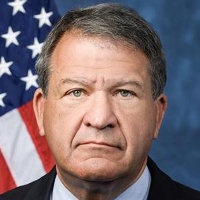
George Latimer
Representative
NY-16
The Bridges not Bumpers Act of 2025 aims to reduce commercial truck bridge strikes by establishing a DOT working group to improve data sharing on bridge heights and truck routes, especially for GPS systems. The bill also mandates a national education campaign, creates a central clearinghouse for strike data, and establishes a grant program for research on infrastructure improvements. Furthermore, it addresses liability protections for GPS providers and sets new requirements for rental vehicle companies regarding height disclosure.
Infrastructure Safety Bill Targets Bridge Strikes: Adds GPS Immunity and New Rules for Rental Trucks
The “Bridges not Bumpers Act of 2025” is a focused piece of legislation aimed squarely at solving a persistent, costly, and frustrating infrastructure problem: commercial vehicles hitting low bridges. If you’ve ever been stuck in traffic for hours because a box truck took out an overpass, this bill is trying to prevent that. The core of the plan is to clean up the data pipeline between bridge owners and the GPS systems that truckers rely on, while also boosting driver awareness and funding research to fix the most problematic locations. It establishes a multi-agency working group to develop concrete recommendations on everything from improving data sharing for commercial truck routes and bridge clearances to potentially adding a section on bridge strikes to the Commercial Driver’s License (CDL) test.
The Data Fix: GPS Gets a Shield
One of the biggest changes in this bill involves how navigation systems handle bridge height data. The legislation recognizes that a lot of these strikes happen because the GPS data is either wrong, outdated, or nonexistent. The bill requires the working group to figure out how to get accurate bridge clearance information into commercial GPS tools. Crucially, it also grants civil liability immunity to the GPS administrators—the companies that run the navigation systems—for any injury resulting from using bridge height data provided by the state or federal government (SEC. 2). For the average commuter, this means the data in your trucker’s GPS should become significantly more reliable, reducing those unexpected infrastructure shutdowns. However, this also means that if the government provides bad data and a strike still happens, the GPS company is essentially off the hook, which raises questions about who bears the ultimate responsibility for data accuracy.
New Rules for Rental Vehicles
If you’ve ever rented a large box truck for a move—say, something with a gross vehicle weight rating of at least 5,700 pounds—this bill has new requirements for the rental company. The bill defines these as “covered rental vehicles” and requires companies that rent or lease five or more of these vehicles to clearly label them with height and weight information. Furthermore, they must notify customers, either orally or in writing, of the vehicle’s height and warn them to watch for road signs about vehicle clearance (SEC. 2). While this is a small administrative lift for rental companies, it’s a huge benefit for the weekend warrior who rarely drives a large vehicle and might not think twice about the 11-foot clearance sign. This provision aims to prevent those highly visible, often embarrassing, strikes caused by non-professional drivers.
Funding the Fight Against Strikes
Beyond the data and education mandates, the bill provides two key funding mechanisms to address the problem systematically. First, it creates a national clearinghouse for bridge and tunnel clearance strikes, modeled after a research prototype, to collect data and share best practices (SEC. 4). This centralized database will help transportation departments across the country learn from each other’s mistakes and successes. Second, it authorizes a $5 million annual grant program from 2026 through 2030 for research (SEC. 5). State DOTs, local governments, and even Class II and III railroads can apply for these grants to identify specific high-risk locations, perform preliminary engineering work to analyze mitigation options, and assess how well current countermeasures are working. The priority for these grants goes to states that have a high incidence of bridge strikes. This means federal dollars will be targeted precisely where the problem is worst, helping to fund the physical changes needed to fix those notorious “can opener” bridges once and for all.