This act makes eligible nonprofit child care providers eligible for federal small business loans through the SBA's 7(a) and 504 programs.
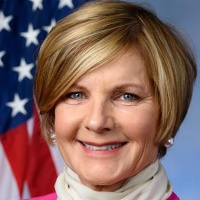
Susie Lee
Representative
NV-3
The Small Business Child Care Investment Act expands access to federal small business loans for qualified nonprofit child care providers. This legislation amends the Small Business Act to make these providers eligible for SBA 7(a) and 504 loan programs. The goal is to provide crucial capital investment opportunities for eligible nonprofit organizations offering essential child care services.
Nonprofit Child Care Providers Could Soon Access Federal Small Business Loans
Alright, let's talk about something that hits close to home for a lot of us juggling work and family: child care. A new piece of legislation, the Small Business Child Care Investment Act, is looking to give nonprofit child care providers a much-needed boost by letting them tap into federal small business loan programs. Think of it as opening up a new financial pipeline for the folks who are literally shaping the next generation.
Unlocking the Loan Vault for Nonprofits
So, what's the big deal here? Currently, many nonprofit child care centers struggle to get the kind of funding that for-profit businesses can access, making it tough to expand, upgrade facilities, or even just keep the lights on. This bill changes that by making "covered nonprofit child care providers" eligible for the Small Business Administration's (SBA) popular 7(a) and 504 loan programs. These aren't direct loans from the government; instead, the SBA guarantees loans made by banks, which makes lenders more willing to work with smaller operations. It's a game-changer for growth, whether that's adding more classrooms or buying new equipment.
Who Qualifies for This New Lifeline?
Now, before every preschool in town starts lining up for a loan, there are some pretty clear rules about who counts as a "covered nonprofit child care provider." They need to be licensed by the state, be a 501(c)(3) tax-exempt organization, and, crucially, primarily focus on caring for kids from birth up to compulsory school age. They can also offer before- and after-school care or preschool programs. Plus, every single employee and regular volunteer has to pass a criminal background check, and the organization has to certify it won't discriminate based on things like race, religion, or sexual orientation. Basically, they're setting a high bar for quality and safety, which is exactly what you want when it comes to child care.
The Fine Print and What It Means for Your Community
While this bill could be a huge win for child care access, there are a few nuts and bolts to understand. For any loan over $500,000, the child care provider will need to get a guarantee of timely payment from another person or entity. This adds a layer of security for the banks, but it also means larger projects might require a bit more legwork. The good news is that the SBA can't deny a loan just because a provider is associated with an organization whose activities are protected by the First Amendment, which protects a wide range of groups. This ensures that a diverse range of qualified providers can access these funds.
What's the real-world impact? Imagine a nonprofit daycare in your neighborhood that's always got a waiting list. With access to these loans, they could build that extra wing, hire more staff, and finally serve more families. Or maybe a center needs to replace an aging playground or invest in new educational materials. This bill could make those improvements a reality, directly benefiting parents who need reliable, quality care and the kids who spend their days there. The SBA will also be keeping tabs on all this, with an annual report to Congress detailing how many loans are going out and for what amounts, so we'll have a clear picture of how this program is performing.