Legislative Activity
Track Nicolas's sponsored bills, co-sponsored legislation, and voting record
This Act eliminates the waiting periods for Social Security disability benefits and Medicare coverage for individuals diagnosed with metastatic breast cancer.
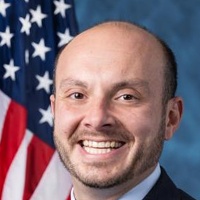
Andrew Garbarino
Representative
NY
Andrew Garbarino
Representative
NY
The Metastatic Breast Cancer Access to Care Act aims to improve support for individuals diagnosed with metastatic breast cancer. This bill eliminates the standard waiting period for receiving Social Security disability insurance benefits and waives the 24-month waiting period for Medicare coverage. These changes ensure immediate access to crucial financial and healthcare support upon diagnosis.
The Veterans First Act of 2025 redirects \$2 billion from foreign aid to fund the construction and renovation of state-run veterans' homes.
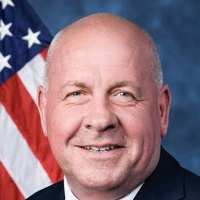
David Taylor
Representative
OH
David Taylor
Representative
OH
The Veterans First Act of 2025 redirects $2 billion from foreign aid to the Department of Veterans Affairs (VA). This funding is specifically allocated to provide grants for the construction, renovation, and improvement of state-run veterans' homes and facilities. The bill ensures these funds remain available until fully utilized for veteran care infrastructure projects.
The REDI Act allows medical and dental interns and residents to defer both principal and interest payments on their student loans while in training.
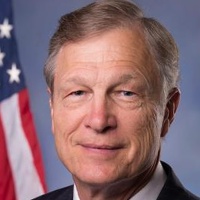
Brian Babin
Representative
TX
Brian Babin
Representative
TX
The Resident Education Deferred Interest (REDI) Act amends federal student loan regulations to provide a specific deferment for medical and dental residents. This allows borrowers currently serving in an internship or residency program to pause principal payments and prevent interest accrual on their student loans during that training period.
This Act converts Transportation Security Administration (TSA) personnel to standard federal employment rules under Title 5, establishes transition protections, mandates workforce reviews, and addresses labor relations and employee safety.
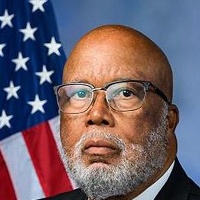
Bennie Thompson
Representative
MS
Bennie Thompson
Representative
MS
The Rights for the Transportation Security Administration Workforce Act transitions TSA personnel to standard federal employment rules under Title 5 of the U.S. Code by a set date no later than December 31, 2025. This mandates the freezing of current personnel policies during the transition while protecting current employee pay and benefits. The bill also requires extensive reviews by the Comptroller General on hiring, diversity, and workplace safety, and mandates consultation with employee representatives regarding labor relations. Finally, it ensures that screening agents retain collective bargaining rights and addresses specific concerns for Federal Air Marshals.
The "TSA Commuting Fairness Act" mandates a study on the feasibility of compensating TSA employees for time spent commuting between airport duty locations and parking/transit areas.
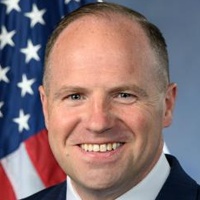
Timothy Kennedy
Representative
NY
Timothy Kennedy
Representative
NY
The "TSA Commuting Fairness Act" requires the TSA Administrator to conduct a study on the feasibility of counting the time TSA employees spend commuting between their duty locations and airport parking or transit stops as on-duty hours. The study will assess the potential benefits, costs, and technological feasibility of such a policy. This includes impacts on employee compensation, retirement, and TSA operations at various airport sizes.
This Act expands federal funding flexibility and increases the federal share for highway safety projects specifically designed to protect pedestrians and bicyclists.
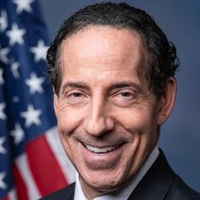
Jamie Raskin
Representative
MD
Jamie Raskin
Representative
MD
The Sarah Debbink Langenkamp Active Transportation Safety Act updates the Highway Safety Improvement Program to prioritize safety for pedestrians and cyclists. This bill allows federal funding to cover up to 100% of the cost for projects that connect existing bike/pedestrian infrastructure or reduce risks for vulnerable road users. It also provides flexibility for states to use existing safety funds as matching money for these specific upgrades.
This act amends the tax code to give businesses the option to immediately deduct or amortize (spread out over at least five years) their research and experimental expenditures.
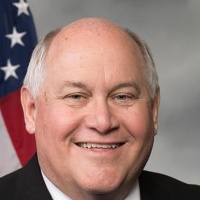
Ron Estes
Representative
KS
Ron Estes
Representative
KS
The American Innovation and R&D Competitiveness Act of 2025 revises how businesses treat research and experimental (R&E) expenditures for tax purposes. Taxpayers can now choose between immediately deducting R&E costs or amortizing them over a period of at least 60 months. This legislation also makes technical adjustments to ensure consistency between immediate deductions and claiming the research tax credit.
This act allows State homes caring for veterans to choose between direct reimbursement or direct furnishing of high-cost medications.
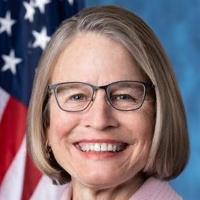
Mariannette Miller-Meeks
Representative
IA
Mariannette Miller-Meeks
Representative
IA
The Providing Veterans Essential Medications Act allows State homes caring for veterans to choose how they receive reimbursement for very high-cost medications. State homes can opt to be reimbursed directly for the medication's cost or have the Secretary of the VA furnish the drug directly. This provision applies only when the cost of a specific medication exceeds a defined threshold relative to the standard monthly payment for that veteran's care.
The "Pay Our Troops Act of 2025" ensures continued pay and allowances for members of the Armed Forces, essential DOD civilians, and contractors during funding gaps until January 1, 2026, or when regular appropriations are enacted.
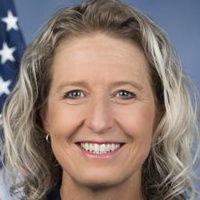
Jennifer Kiggans
Representative
VA
Jennifer Kiggans
Representative
VA
The "Pay Our Troops Act of 2025" ensures that members of the Armed Forces, essential Department of Defense civilians, and contractors continue to receive pay and allowances during periods when regular funding is disrupted. This act provides necessary appropriations to cover these costs for fiscal year 2025. The Act's provisions will terminate upon the enactment of regular appropriations, a continuing resolution that provides funding for the same purpose, or on January 1, 2026.
This bill increases the annual stipend for educational costs for veterans under the Post-9/11 Educational Assistance Program and adjusts it annually for inflation.
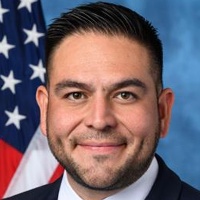
Gabriel (Gabe) Vasquez
Representative
NM
Gabriel (Gabe) Vasquez
Representative
NM
The Veteran Education Assistance Adjustment Act increases the annual stipend for books, supplies, and equipment for veterans under the Post-9/11 Educational Assistance Program from $1,000 to $1,400. Beginning in 2026, this stipend will be subject to annual increases based on the Consumer Price Index.
This Act requires the Department of Defense to seek stricter stormwater discharge permits mandating quarterly PFAS testing and cleanup actions at its facilities, dedicating at least 1% of annual PFAS cleanup funds to this testing.
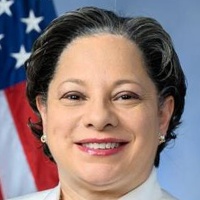
Jennifer McClellan
Representative
VA
Jennifer McClellan
Representative
VA
This Act mandates that the Department of Defense (DoD) immediately seek to update its stormwater discharge permits to require quarterly testing for PFAS chemicals at all facilities. Furthermore, the DoD must implement necessary cleanup measures to reduce these discharges. At least one percent of annual PFAS cleanup funding must be dedicated specifically to this required stormwater testing.
This bill postpones tax deadlines and provides refunds or abatement of penalties for U.S. nationals held hostage or wrongfully detained abroad, and their spouses.

J. Hill
Representative
AR
J. Hill
Representative
AR
The "Stop Tax Penalties on American Hostages Act of 2025" postpones tax deadlines and waives penalties for U.S. nationals held hostage or wrongfully detained abroad, including their spouses, by disregarding the period of detention when determining tax liabilities. It requires the Secretary of State and the Attorney General to identify affected individuals and inform the Secretary of the Treasury. The Secretary of the Treasury will establish a program for eligible individuals to apply for a refund or abatement of penalties and fines related to the "applicable period" from January 1, 2021, to the date this law is enacted. This ensures that those who have been held hostage or wrongfully detained are not penalized for their inability to meet tax obligations during their captivity.
The "Federal Firearms Licensee Protection Act of 2025" increases penalties for stealing firearms from licensed dealers, manufacturers, or importers, especially during burglaries or robberies, and clarifies related definitions.
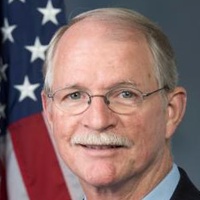
John Rutherford
Representative
FL
John Rutherford
Representative
FL
The "Federal Firearms Licensee Protection Act of 2025" increases penalties for stealing firearms from licensed dealers. It sets stricter punishments, including up to 20 years in prison, for violating laws related to firearm theft. The act also mandates minimum prison sentences of 3 years for burglaries and 5 years for robberies targeting licensed firearm businesses.
The "Roberto Clemente Commemorative Coin Act" directs the Treasury to mint coins in 2027 honoring Roberto Clemente, with surcharges benefiting the Roberto Clemente Foundation.
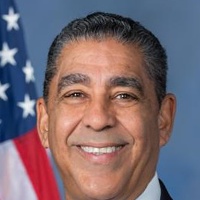
Adriano Espaillat
Representative
NY
Adriano Espaillat
Representative
NY
The Roberto Clemente Commemorative Coin Act directs the Department of Treasury to mint and issue gold, silver, and half-dollar coins in 2027 to commemorate the life and legacy of Roberto Clemente. The coins' designs will represent Clemente's life, including his baseball achievements and humanitarian work. Surcharges from the coin sales will benefit the Roberto Clemente Foundation, supporting their educational programs, youth sports initiatives, disaster relief efforts, and historic preservation projects. The Act ensures that the coin program will not incur any net cost to the United States government.
The Humane Cosmetics Act of 2025 bans cosmetic animal testing in the U.S., restricts the use of animal testing data, and sets penalties for violations, while also preventing states from enacting conflicting regulations.
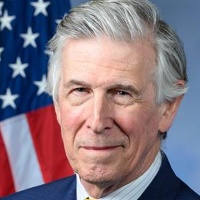
Donald Beyer
Representative
VA
Donald Beyer
Representative
VA
The Humane Cosmetics Act of 2025 bans cosmetic animal testing in the U.S. and restricts the use of animal testing data for cosmetic safety, with certain exceptions. It authorizes the Secretary of Health and Human Services to impose civil penalties for non-compliance and preempts states from enacting conflicting regulations. The Act defines key terms related to cosmetic animal testing and cosmetics.
The SAFE Act of 2025 amends existing law to include equines (horses) in the prohibition of slaughtering animals for human consumption.

Vern Buchanan
Representative
FL
Vern Buchanan
Representative
FL
The SAFE Act of 2025 amends existing legislation to explicitly prohibit the slaughter of horses for human consumption, reinforcing protections for these animals. This bill seeks to prevent the inhumane treatment of American equines by closing loopholes that allow their slaughter and export for human consumption.
The PAST Act of 2025 significantly strengthens the Horse Protection Act by increasing penalties, banning specific action devices, and mandating licensed inspectors to combat the practice of horse soring.
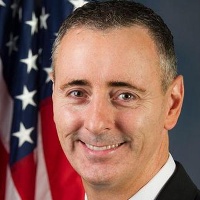
Brian Fitzpatrick
Representative
PA
Brian Fitzpatrick
Representative
PA
The PAST Act of 2025 significantly strengthens the Horse Protection Act to combat the painful practice of soring in specific horse breeds. This bill increases penalties for violations, establishes stricter licensing and oversight for inspectors, and explicitly bans the use of "action devices" designed to cause unnatural gaits. The legislation aims to enhance enforcement, ensure fairer competition, and hold violators accountable through increased fines and disqualifications.
The "PLUS for Veterans Act of 2025" aims to protect veterans by clarifying who can assist with VA claims, regulating fees charged by agents and attorneys, and reinstating penalties for unauthorized charges.
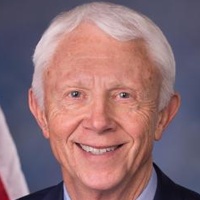
Jack Bergman
Representative
MI
Jack Bergman
Representative
MI
The PLUS for Veterans Act of 2025 aims to protect veterans by clarifying who can assist with VA claims, reinstating penalties for charging unauthorized fees, and ensuring fair representation. It requires agents and attorneys to apply for recognition, limits fees for initial claims, and mandates transparency regarding free services available to veterans. The Act also overrides conflicting state laws to ensure consistent enforcement of these protections.
This resolution condemns the Iranian regime’s terrorism and human rights abuses while affirming support for the Iranian people’s right to establish a democratic, secular, and non-nuclear republic.

Tom McClintock
Representative
CA
Tom McClintock
Representative
CA
This resolution condemns the Iranian regime for its ongoing human rights abuses, state-sponsored terrorism, and regional instability. It expresses strong support for the Iranian people's struggle for a democratic, secular, and non-nuclear republic. Furthermore, the bill advocates for international accountability for the regime's crimes and calls for the protection of Iranian political refugees.
The SPUR Act of 2025 updates federal agency scorecard requirements to track and report on the number of new small business entrants receiving prime government contracts.
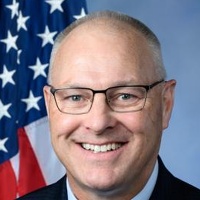
Pete Stauber
Representative
MN
Pete Stauber
Representative
MN
The Small Business Procurement and Utilization Reform Act of 2025 (SPUR Act) enhances federal agency accountability by updating the small business contracting scorecard. It requires agencies to track and report the number of new small business entrants receiving prime contracts, specifically highlighting businesses owned by veterans, women, and socially or economically disadvantaged individuals. This legislation aims to increase transparency and encourage broader participation in federal procurement.