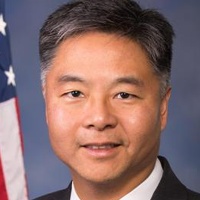
Legislative Activity
Track Ted's sponsored bills, co-sponsored legislation, and voting record
This Act mandates that group health plans and insurers must cover diagnostic and supplemental breast examinations without any out-of-pocket cost-sharing requirements for plan years beginning on or after January 1, 2026.

Debbie Dingell
Representative
MI
Debbie Dingell
Representative
MI
The Access to Breast Cancer Diagnosis Act of 2025 ensures that group health plans and insurers must cover diagnostic and supplemental breast examinations with no out-of-pocket costs for patients. This means no deductibles, copayments, or coinsurance will apply to these necessary exams. These provisions take effect for plan years beginning on or after January 1, 2026.
This Act authorizes the President to impose sanctions, including asset freezes and visa bans, on foreign individuals involved in violence, property destruction, or displacement in the West Bank.
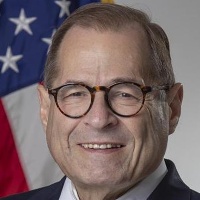
Jerrold Nadler
Representative
NY
Jerrold Nadler
Representative
NY
The West Bank Violence Prevention Act of 2025 declares extreme settler violence and displacement in the West Bank a threat to U.S. national security interests. This Act mandates the President to impose sanctions, including asset freezes and visa bans, on foreign individuals responsible for undermining peace and stability in the region. The Treasury Department must report to Congress on the implementation of these sanctions every 90 days.
This bill limits the Medicare coinsurance amount for certain ambulatory surgical center services to the annual inpatient hospital deductible, effective January 1, 2026.
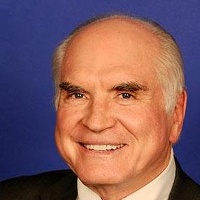
Mike Kelly
Representative
PA
Mike Kelly
Representative
PA
This bill amends Medicare rules to cap the out-of-pocket coinsurance amount beneficiaries must pay for certain services provided in an Ambulatory Surgical Center (ASC). If the standard ASC coinsurance exceeds the annual inpatient hospital deductible, the beneficiary's cost will be limited to that deductible amount. The Secretary will cover the difference owed to the ASC.
This Act provides disaster survivors with federally backed mortgage payment forbearance, fee waivers, and protection from default during recovery.
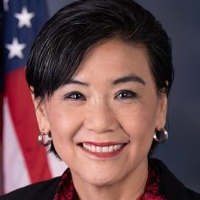
Judy Chu
Representative
CA
Judy Chu
Representative
CA
The Mortgage Relief for Disaster Survivors Act allows homeowners with Federally backed loans in a declared disaster area to request a mandatory 180-day forbearance on their mortgage payments. Borrowers must provide proof of property damage to their loan servicer to access this relief, which prohibits extra fees or penalties during the pause. This protection is available for both single-family and multifamily properties secured by loans purchased or securitized by Fannie Mae or Freddie Mac.
This bill grants enhanced due process protections and potential reinstatement rights to certain federal employees removed during their probationary period following a promotion.
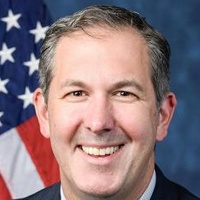
Johnny Olszewski
Representative
MD
Johnny Olszewski
Representative
MD
This bill provides enhanced employment protections and reinstatement options for certain Federal career employees who were serving under a probationary period following a promotion. It grants these employees standard due process rights against unfair removal while on probation. Furthermore, it allows employees removed between January 20, 2025, and the date of enactment to elect reinstatement to their former or an equivalent position with back pay. These protections generally exclude those promoted into or removed from political positions.
The California Clean Coast Act of 2025 permanently prohibits new oil and gas leasing and related activities on the Outer Continental Shelf off the coast of California while preserving existing leases.
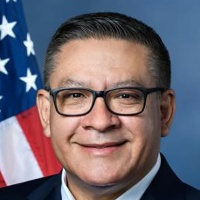
Salud Carbajal
Representative
CA
Salud Carbajal
Representative
CA
The California Clean Coast Act of 2025 permanently prohibits all new federal oil and gas leasing and related activities on the outer Continental Shelf off the coast of California. This measure ensures no future drilling permits can be issued in these sensitive waters. However, the Act explicitly preserves the rights of any existing oil and gas leases already in effect.
This Act permanently prohibits new oil and gas exploration, development, and production on the Outer Continental Shelf off the coasts of California, Oregon, and Washington.
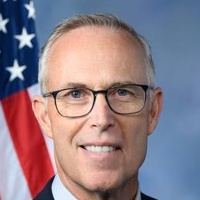
Jared Huffman
Representative
CA
Jared Huffman
Representative
CA
The West Coast Ocean Protection Act of 2025 permanently prohibits all new oil and gas exploration, development, and production on the Outer Continental Shelf off the coasts of California, Oregon, and Washington. This legislation specifically bans the Secretary of the Interior from issuing any new leases or permissions for drilling activities in designated planning areas. The goal is to secure long-term protection for these vital West Coast marine environments.
This act increases the maximum loan amounts available to small businesses under certain SBA programs and mandates annual reporting on the distribution of those enhanced loans.
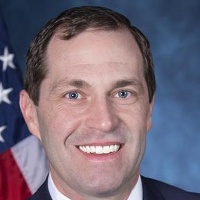
Jason Crow
Representative
CO
Jason Crow
Representative
CO
The Small Business Energy Loan Enhancement Act significantly increases the maximum loan amounts available to eligible small businesses under specific Small Business Administration (SBA) programs, raising the limit from $\$5.5$ million to $\$10$ million. This legislation also mandates that the SBA report annually to Congress detailing the industries and geographic areas benefiting from these enhanced loan categories. The goal is to provide greater financial resources for small businesses through SBA lending.
This Act mandates that federal agencies must adhere to specific employment classification standards and report immediately if they cannot meet required staffing levels.
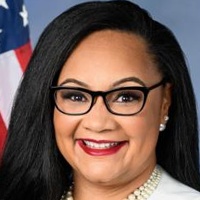
Nikema Williams
Representative
GA
Nikema Williams
Representative
GA
The Ensuring Agency Service Quality Act mandates that all Executive agencies and military departments must adhere strictly to federal job classification standards when hiring personnel. If an agency cannot meet its required staffing levels under these new rules, the agency head must promptly notify relevant Congressional committees within seven days with a detailed explanation. This legislation aims to standardize and enforce federal employment structures across key government bodies.
The SERVICE Act requires federal agencies to submit detailed reports to the GAO and Congress before implementing workforce reductions exceeding 5% and mandates a GAO review of those reports' completeness and credibility.
Nikema Williams
Representative
GA
Nikema Williams
Representative
GA
The SERVICE Act mandates that federal agencies must undergo a thorough review process before implementing significant workforce reductions. Agencies planning to cut staff by more than 5% must first submit a detailed report to the GAO analyzing the financial and mission impacts of the proposed layoffs. The GAO then reviews this report to ensure the analysis is complete and credible before the agency can proceed with the cuts after a mandatory waiting period.
This Act prioritizes using trained military veterans to apply humane, on-range fertility controls for managing wild horse and burro populations.
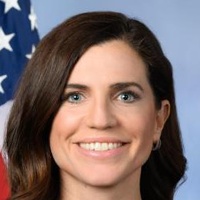
Nancy Mace
Representative
SC
Nancy Mace
Representative
SC
The Veterans for Mustangs Act amends existing law to prioritize humane, on-range fertility control for managing wild horse and burro populations. This legislation mandates that the Secretary of the Interior must prioritize recruiting, training, and hiring military veterans to administer these fertility control measures. This ensures population management goals are met while providing employment opportunities for veterans.
This act permanently bans new oil and gas leasing for exploration and production in the Central California Planning Area offshore.
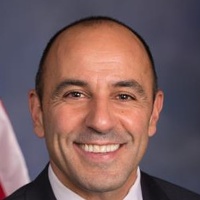
Jimmy Panetta
Representative
CA
Jimmy Panetta
Representative
CA
The Central Coast of California Conservation Act of 2025 permanently prohibits the Secretary of the Interior from issuing new oil and gas leases in the Central California Planning Area. This legislation secures the protection of this offshore region from future energy exploration and development.
This act permanently bans new oil and gas leasing for exploration, development, or production in the Southern California Planning Area.
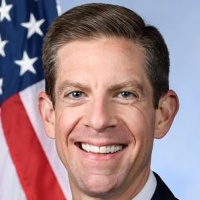
Mike Levin
Representative
CA
Mike Levin
Representative
CA
The Southern California Coast and Ocean Protection Act permanently prohibits the Secretary of the Interior from issuing any new oil or gas leases within the Southern California Planning Area. This measure specifically bans all exploration, development, and production authorizations in the region defined by the September 2023 leasing program. The Act ensures long-term protection for the Southern California coast against new offshore drilling activities.
This bill permanently prohibits new and existing oil and gas leasing for drilling in designated Arctic areas of the outer Continental Shelf.
Jared Huffman
Representative
CA
Jared Huffman
Representative
CA
The Stop Arctic Ocean Drilling Act of 2025 permanently prohibits the issuance of new oil and gas leases, or the extension of existing ones, for mineral exploration and production in designated Arctic areas of the outer Continental Shelf. This measure establishes an ironclad ban on offshore drilling in these specific Arctic waters.
The Bolstering Research And Innovation Now (BRAIN) Act aims to accelerate brain tumor research, improve patient access to clinical trials and specialized care, and enhance long-term survivor support through new funding, transparency requirements, and public awareness campaigns.
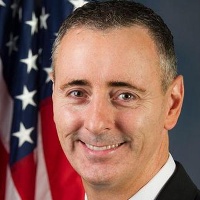
Brian Fitzpatrick
Representative
PA
Brian Fitzpatrick
Representative
PA
The Bolstering Research And Innovation Now (BRAIN) Act aims to significantly advance the fight against brain tumors by increasing research funding and improving patient access to care. This legislation establishes new networks for glioblastoma research, creates a public database for tracking biospecimens, and launches a national awareness campaign about clinical trials. Furthermore, the Act funds pilot programs to improve long-term care for survivors and directs the FDA to ensure brain tumor patients are not unfairly excluded from relevant clinical trials.
This bill establishes the American Family Act, which revamps the Child Tax Credit into a system of refundable monthly advance payments for qualifying children and a separate credit for other dependents.

Rosa DeLauro
Representative
CT
Rosa DeLauro
Representative
CT
The American Family Act fundamentally overhauls the Child Tax Credit by replacing the annual lump sum with a system of advance, refundable monthly payments delivered directly to families. These monthly allowances vary based on the child's age, with higher amounts provided for younger children. The bill also establishes a separate, smaller credit for other dependents and outlines procedures for annual renewal and reconciliation of advance payments when filing taxes.
This act bans bump stocks and similar devices that increase the firing rate of semi-automatic firearms, requiring registration for any previously modified weapons.
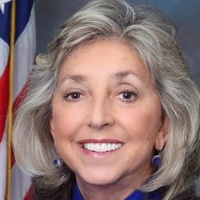
Dina Titus
Representative
NV
Dina Titus
Representative
NV
The Closing the Bump Stock Loophole Act of 2025 seeks to amend federal gun laws by banning devices and modifications that significantly increase the rate of fire of semiautomatic firearms, effectively treating them like machineguns. The bill specifically prohibits the manufacture, sale, or possession of such accessories and modified firearms after 120 days of enactment. Existing owners of previously modified firearms must register them under the National Firearms Act within that same timeframe to legally keep them.
This resolution urges the United States to lead global efforts to halt the nuclear arms race, reduce existing stockpiles, and implement verifiable measures to prevent nuclear war.
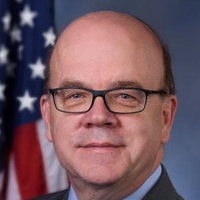
James McGovern
Representative
MA
James McGovern
Representative
MA
This resolution urges the United States to immediately prioritize global nuclear disarmament and lead the world back from the brink of nuclear war. It calls on the President to negotiate verifiable arms reduction treaties with all nuclear states to halt the arms race and prevent catastrophic conflict. Key actions include renouncing "first use," ending hair-trigger alert postures, and ceasing the development of new nuclear weapons. Furthermore, the bill demands comprehensive support, cleanup, and economic transition planning for communities and workers affected by past and present nuclear activities.
The Gas-Operated Semi-Automatic Firearms Exclusion (GOSAFE) Act prohibits the manufacture, sale, and possession of certain gas-operated semi-automatic firearms and large-capacity ammunition feeding devices, while establishing a formal process for firearm determinations and funding buy-back programs.
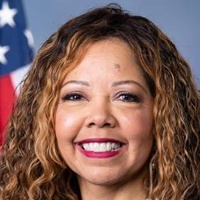
Lucy McBath
Representative
GA
Lucy McBath
Representative
GA
The Gas-Operated Semi-Automatic Firearms Exclusion Act (GOSAFE Act) prohibits the manufacture, sale, and possession of certain gas-operated semi-automatic firearms and large-capacity ammunition feeding devices (over 10 rounds). The bill establishes a formal process managed by the Attorney General and ATF to list prohibited firearms, while grandfathering existing possessions under strict transfer rules. Furthermore, it permits states to use federal Byrne grants for voluntary buy-back programs targeting these newly restricted items. Violations carry significant fines and potential prison sentences.
The Affordable Housing Credit Improvement Act of 2025 updates state allocation formulas, reforms tenant eligibility and credit determination rules, and enhances assistance for Native American and rural housing projects.
Darin LaHood
Representative
IL
Darin LaHood
Representative
IL
The Affordable Housing Credit Improvement Act of 2025 updates federal housing tax credit allocations to reflect current economic realities and boosts minimum state allotments. It reforms tenant eligibility rules to stabilize tenancy and enhance protections for vulnerable residents, including victims of abuse. The bill also provides disaster relief for property owners, increases incentives for housing the extremely low-income, and directs greater resources toward Native American and rural housing needs. Finally, it streamlines administrative processes and signals a future focus on data transparency and discouraging restrictive local zoning.