Legislative Activity
Track Ben's sponsored bills, co-sponsored legislation, and voting record
The Chama Basin Watershed Protection Act prohibits new federal mining claims within the Rio Chama Watershed while protecting existing tribal, land grant-merced, and traditional community access rights.
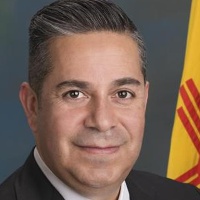
Ben Luján
Senator
NM
Ben Luján
Senator
NM
The Chama Basin Watershed Protection Act protects the Rio Chama Watershed by withdrawing specified federal lands from future mining claims and development. This legislation preserves traditional and customary land uses for local communities, including Indian Tribes and qualified land grant-mercedes, while ensuring their existing mineral rights remain unaffected.
The HCBS Access Act mandates home and community-based services as a core Medicaid benefit while providing significant federal funding to expand access, strengthen the direct care workforce, and support family caregivers.
Ben Luján
Senator
NM
Ben Luján
Senator
NM
The HCBS Access Act transforms home and community-based services into a mandatory Medicaid benefit, ensuring older adults and people with disabilities can receive long-term care in their own homes rather than institutions. The legislation provides significant federal funding to eliminate waiting lists, strengthen the direct care workforce, and offer critical support to unpaid family caregivers. Additionally, it establishes new national standards for workforce data, career development, and program evaluation to ensure high-quality, accessible care nationwide.
The GHOST Act prohibits the sale of speculative event tickets by requiring resellers to have actual possession of a ticket before listing it for sale.
Ben Luján
Senator
NM
Ben Luján
Senator
NM
The GHOST Act (Guaranteeing Honest Ownership in Secondary Ticketing Act) prohibits ticket resellers from selling or advertising event tickets they do not actually possess. This legislation empowers the Federal Trade Commission and state attorneys general to enforce these rules through significant civil penalties to protect consumers from speculative ticketing practices.
The Stroke Act authorizes federal funding for research, data collection, and grant programs to improve stroke prevention, education, and the quality of emergency and rehabilitative stroke care nationwide.
Ben Luján
Senator
NM
Ben Luján
Senator
NM
The Stroke Act aims to improve stroke outcomes by authorizing federal research, data collection, and grant programs focused on stroke care and prevention. This legislation supports the development of a national stroke registry, strengthens emergency and rehabilitation systems, and funds public education campaigns to increase awareness and timely treatment.
This legislation authorizes federal grants to states to enhance the professional development, credentials, and compensation of early childhood educators.
Ben Luján
Senator
NM
Ben Luján
Senator
NM
The Early Childhood Educator Professional Improvement Act of 2026 provides federal grants to states to strengthen the early childhood workforce. This initiative supports educators through scholarships, professional development, and increased compensation to improve educational standards and career pathways. By fostering collaboration between state agencies and higher education institutions, the Act aims to enhance the quality of early childhood education programs nationwide.
The No Trump Immunity Act prohibits executive agencies from granting legal immunity or waivers to the President, Vice President, and their associates for specific acts of misconduct, including corruption, money laundering, and abuse.
Ben Luján
Senator
NM
Ben Luján
Senator
NM
The "No Trump Immunity Act" prohibits executive agencies from granting legal immunity, waivers, or acquittals to the President, Vice President, or their immediate family and business associates. The bill specifically bars the government from shielding these individuals from investigations into serious misconduct, including money laundering, insider trading, and the misuse of taxpayer funds.
This bill mandates the inclusion of Otero and Eddy Counties in New Mexico into Veterans Integrated Service Network 17 to improve health care access for rural veterans.
Ben Luján
Senator
NM
Ben Luján
Senator
NM
The New Mexico Rural Veteran Health Care Access Act mandates that the Secretary of Veterans Affairs realign Otero and Eddy Counties into Veterans Integrated Service Network (VISN) 17. This adjustment aims to improve administrative coordination and health care access for veterans residing in these rural New Mexico communities.
This bill enhances the authority and operational independence of the National Taxpayer Advocate by expanding personnel oversight, ensuring access to essential IRS information, and protecting taxpayer assistance services during government funding lapses.
Ben Luján
Senator
NM
Ben Luján
Senator
NM
The Strengthening Taxpayer Advocacy Act enhances the independence and effectiveness of the National Taxpayer Advocate by expanding their authority over personnel and ensuring full access to IRS data, legal advice, and meetings. The bill also protects taxpayers by allowing for continued operations during government funding lapses to address economic hardships and removes provisions that previously paused time limits for taxpayers seeking assistance.
The Local Input Act mandates that the Secretary of the Interior meaningfully engage the public, states, Tribes, and local governments before finalizing any oil or gas leasing decisions on federal lands.
Ben Luján
Senator
NM
Ben Luján
Senator
NM
The Local Input Act requires the Secretary of the Interior to engage in a transparent public process before offering federal land for oil and gas leasing. This legislation mandates the disclosure of environmental and land-use impacts, ensuring that the public, state and local officials, and Tribal governments have a meaningful opportunity to provide input. Ultimately, the Secretary is empowered to use this feedback to decide against leasing specific parcels of land.
This act requires the Treasury Secretary to submit annual, publicly available reports to Congress detailing IRS efforts, data, and recommendations regarding the prevention and detection of tax fraud.
Ben Luján
Senator
NM
Ben Luján
Senator
NM
The Tax Complexity and Fraud Prevention Review Act requires the Treasury Secretary to submit annual reports to Congress detailing the IRS’s efforts to combat tax fraud. These reports must analyze fraud-prevention strategies, collaboration with tax-filing providers, and data regarding identified and prevented fraudulent refund claims. To ensure transparency, this information will be made available to the public on the IRS website.
The Taxpayer Transparency and Notice Act requires the IRS to provide quarterly delinquency notices to taxpayers, including updated estimates of potential interest and penalties alongside information on available assistance programs.
Ben Luján
Senator
NM
Ben Luján
Senator
NM
The Taxpayer Transparency and Notice Act requires the IRS to provide taxpayers with quarterly notices regarding overdue tax debts, replacing the current annual notification system. These notices must include updated estimates of potential penalties and interest, as well as information on available taxpayer assistance programs. This measure aims to increase transparency and help taxpayers manage their delinquencies more effectively.
The High Court Gift Ban Act establishes strict limitations, enforcement mechanisms, and civil and criminal penalties regarding the acceptance of gifts by federal judicial officers.
Ben Luján
Senator
NM
Ben Luján
Senator
NM
The High Court Gift Ban Act establishes strict limitations on the acceptance of gifts by federal judicial officers to prevent conflicts of interest. The bill sets clear monetary thresholds for permissible gifts, outlines specific exceptions, and mandates enforcement through civil and criminal penalties for violations.
This Act establishes dedicated subaccounts within the Indian Water Rights Settlement Completion Fund to provide mandatory, long-term funding for the fulfillment of federal water rights settlement obligations to Tribal nations.
Ben Luján
Senator
NM
Ben Luján
Senator
NM
The Protecting Indian Water Rights Settlements Act of 2026 establishes a dedicated funding mechanism to ensure the federal government meets its financial obligations under congressionally approved Indian water rights settlements. By creating two specialized subaccounts within the Indian Water Rights Settlement Completion Fund, the bill provides a reliable, multi-year stream of funding for both ongoing operations and maintenance costs and the fulfillment of new settlement agreements. This legislation streamlines the distribution of resources to Tribal nations, ensuring that critical water infrastructure and settlement commitments are met without the need for annual congressional appropriations.
The CHILE Act of 2026 establishes a permanent federal framework to provide direct financial assistance to specialty crop producers harmed by adverse agricultural events, funded by a \$5 billion appropriation for FY 2027.
Ben Luján
Senator
NM
Ben Luján
Senator
NM
The CHILE Act of 2026 establishes a permanent federal framework to provide direct financial assistance to specialty crop producers following adverse events. This framework requires the Secretary of Agriculture to calculate payments based on pre-disaster sales and the determined loss factor, taking into account the unique costs of specialty crops. The bill also sets specific payment caps, with exceptions for high-income farming operations, and appropriates \$5 billion for fiscal year 2027 to fund this assistance.
This bill establishes dedicated Treasury subaccounts to fund ongoing operations and new settlements for authorized Indian water rights agreements.
Ben Luján
Senator
NM
Ben Luján
Senator
NM
The Protecting Indian Water Rights Settlements Act of 2026 amends the Infrastructure Investment and Jobs Act to establish two dedicated subaccounts within the Indian Water Rights Settlement Completion Fund. These subaccounts will receive annual mandatory funding from the Treasury through 2035 to cover ongoing obligations and support new or continuing water rights settlements. This legislation aims to ensure consistent funding for the U.S. obligations under various authorized Indian water rights agreements.
This bill mandates Department of Homeland Security training for immigration enforcement personnel on recognizing tribal documents and respecting tribal IDs as proof of U.S. citizenship.
Ben Luján
Senator
NM
Ben Luján
Senator
NM
The Respect Tribal IDs Act of 2026 mandates new training for Department of Homeland Security (DHS) immigration enforcement personnel regarding interactions with tribal members and the acceptance of Native American tribal documents. This training, developed in consultation with the Bureau of Indian Affairs and tribal representatives, requires officers to understand how to identify tribal documents as proof of U.S. citizenship. Completion of this specialized training is a prerequisite for performing immigration enforcement duties.
This Act establishes the independent, nonprofit Foundation for Digital Opportunity to promote digital inclusion and literacy by leveraging private and philanthropic funding to supplement federal efforts.
Ben Luján
Senator
NM
Ben Luján
Senator
NM
The Digital Opportunity Foundation Act of 2026 establishes an independent, nonprofit Foundation to promote digital inclusion and literacy across the nation. This Foundation will supplement federal efforts by leveraging private and philanthropic funding to increase broadband adoption and digital skills, especially among underserved populations. Governed by a diverse Board of Directors, the Foundation is authorized to conduct studies, award grants, and establish for-profit subsidiaries to stimulate economic development.
This act establishes a new, more generous federal loan forgiveness program for educators serving in high-need schools and early childhood education settings, offering 100% debt cancellation after five years and monthly payment assistance during service.
Ben Luján
Senator
NM
Ben Luján
Senator
NM
The Loan Forgiveness for Educators Act of 2026 overhauls federal student loan programs to eliminate debt for educators serving in high-need schools and early childhood education settings. After five years of qualifying service, educators can receive 100% forgiveness on remaining federal student loans. The bill also provides monthly loan assistance while educators are actively serving, treating these payments as qualifying service toward Public Service Loan Forgiveness. This legislation aims to stabilize the educator workforce by significantly reducing the financial burden of student debt.
This Act mandates automatic service credits for customers experiencing outages of four hours or more, requires refunds upon service termination, and establishes new customer service and outage reporting standards for major telecommunications providers.
Ben Luján
Senator
NM
Ben Luján
Senator
NM
The Outage Refund Protection Act mandates that cable, satellite, internet, and telephone providers automatically credit customers for service outages lasting four hours or more, as well as upon service termination. This bill also requires the FCC and FTC to establish new rules improving customer service, transparency, and handling of missed appointments for large providers. Furthermore, it requires broadband providers to report service outages to the FCC following disaster declarations.
This bill mandates Department of Homeland Security training for immigration enforcement personnel on recognizing and respecting Native American tribal identification documents as proof of U.S. citizenship.
Ben Luján
Senator
NM
Ben Luján
Senator
NM
The Respect Tribal IDs Act of 2026 mandates the Department of Homeland Security (DHS) to develop and enforce comprehensive training for immigration officers on interacting with Native American tribal members. This training requires officers to recognize and accept valid Native American tribal identification documents as proof of U.S. citizenship. All relevant DHS personnel must complete this mandatory training annually to perform immigration enforcement duties.