This Act waives matching fund requirements for approved Federal recovery programs to fully fund the repair of damages caused by wildland fires resulting from Forest Service management activities.
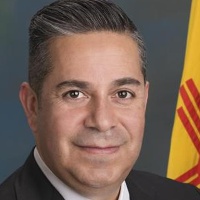
Ben Luján
Senator
NM
The Responsible Wildland Fire Recovery Act ensures that parties harmed by wildland fires originating from management activities on National Forest System lands receive 100% federal funding for recovery costs. This is achieved by granting the Secretary of Agriculture the authority to waive matching fund requirements for rehabilitation projects in affected areas. The Act specifically addresses direct and indirect damages resulting from these government-caused fires.
Federal Government Must Foot the Entire Bill for Wildfire Damage Caused by Its Own Forest Management
The new Responsible Wildland Fire Recovery Act is short, sharp, and focused on one thing: making the federal government pay 100% of the cleanup and recovery costs when a wildfire is started by its management activities on National Forest System land. If the Department of Agriculture (USDA) lights a prescribed burn that gets away, or causes a fire through a logging operation, this bill ensures that states, tribes, localities, and even individuals who suffer damage don't have to contribute any matching funds for federal recovery programs.
When the Feds Light the Match
Think about the typical disaster recovery scenario. When a hurricane or flood hits, federal aid programs usually require the state or local government to chip in a percentage—sometimes 10% or 25%—of the total project cost. This “cost-share” can be a huge barrier for smaller, cash-strapped communities trying to rebuild roads, schools, or water systems. This bill cuts that requirement completely, but only under a very specific condition: the fire must be a “covered wildland fire,” meaning the Secretary of Agriculture determines it “resulted from management activities the Secretary conducted on National Forest System land.”
This is a big deal for accountability. If the USDA’s activities—like a prescribed burn that jumps the containment line—end up destroying a local watershed or damaging private property, the burden of recovery falls entirely on the federal budget, not on the affected local community. The bill allows the Secretary to waive any “covered matching requirement” for recovery projects, even if other laws typically demand local contribution. This applies to fixing direct and indirect damages, including impairment to a watershed.
The Zero-Dollar Local Bill
For local governments, this waiver is a lifeline. Imagine a small rural county whose main water source is damaged after a prescribed burn goes sideways. Under current rules, they might have to scrape together millions of dollars in matching funds to qualify for federal watershed restoration aid. Under this Act, that local match drops to zero. The goal here is swift, unhindered recovery when the federal government is deemed responsible for the disaster.
However, the bill’s specificity is both its strength and its limitation. It only applies if the fire is traced back to an official management activity by the USDA. If a fire starts naturally—say, from a lightning strike—or is caused by a non-federal source (like an abandoned campfire), the local community still faces the standard cost-share requirements for recovery. This highlights a clear distinction: the federal government is taking full financial responsibility for its own operational mistakes, but not for natural disasters or fires caused by others.
For the average taxpayer, this means that while the financial burden shifts away from local communities, it shifts entirely onto the federal ledger. While this is a necessary accountability measure for federal errors, it does mean a higher potential federal expenditure with no local contribution to offset costs. Ultimately, this bill is a clear statement: if the government starts the fire, the government pays the entire cost to put the community back together.