This Act amends the Taos Pueblo Indian Water Rights Settlement to modify definitions, establish new trust funds for groundwater and surface water infrastructure, and create supplemental funding for mutual-benefit projects with non-Pueblo entities.
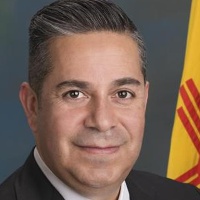
Ben Luján
Senator
NM
This Act amends the Taos Pueblo Indian Water Rights Settlement Act to establish new supplemental trust funds for groundwater and surface water development. It also creates a new grant program to fund mutual-benefit water infrastructure projects with non-Pueblo entities, including provisions for alternative offset infrastructure. These amendments update definitions and provide specific mandatory funding allocations, adjusted for inflation, to support these water management and infrastructure goals.
Taos Pueblo Water Rights Bill Mandates $367M for Tribal Infrastructure and Sets Strict Deadlines for Local Projects
This legislation, the Taos Pueblo Indian Water Rights Settlement Amendments Act of 2025, is primarily about cementing and funding the final stages of a major water rights agreement. In short, it pours a massive amount of federal money—hundreds of millions of dollars—into the Taos Pueblo’s water infrastructure and sets up a system to ensure local water projects that benefit everyone get built, and get built fast. It updates existing laws, renames a few sections for clarity, and most importantly, mandates three new, substantial funding streams, all inflation-adjusted, to make sure the water deal actually works on the ground.
The $367 Million Trust Fund Boost
The biggest takeaway for taxpayers and the Taos Pueblo is the mandatory funding. This bill directs the appropriation of serious cash into newly established trust funds. Specifically, it creates two new funds for the Pueblo, collectively known as the "Pueblo Trust Funds": the Taos Pueblo Groundwater Development Supplemental Trust Fund ($190 million) and the Taos Pueblo Surface Water Sharing Supplemental Trust Fund ($16 million). These funds are dedicated strictly to planning, building, operating, and repairing water infrastructure on Pueblo lands. Think of this as the dedicated capital needed to upgrade the Pueblo’s entire water system, ensuring the water rights settlement can actually be implemented with modern infrastructure. This guaranteed funding, which is inflation-adjusted, is a huge win for the Pueblo, offering long-term financial security for essential resources.
Mutual Benefit: Grants with a Clock
For local communities—the "Eligible Non-Pueblo Entities"—the bill establishes a new supplemental grant program with $161 million (also inflation-adjusted) managed by the Bureau of Reclamation. This money is earmarked for "Mutual-Benefit Projects," including parts of the crucial Mitigation Well System—a network designed to offset surface water depletion effects from the settlement. This is where the bill gets tough on deadlines. If a local entity gets a grant for a project that doesn't involve the Mitigation Well System, they have eight years to fully complete construction. However, if the project is part of the crucial Mitigation Well System, the clock is much tighter: they have to substantially complete it within four years and fully complete it within five years of the award.
What Happens When the Clock Runs Out?
This is the part that keeps the projects moving. The bill includes strict accountability measures to prevent years of delays. If a local entity fails to meet any of the specified deadlines—or even fails to start construction within two years of the bill’s enactment—the Commissioner of Reclamation can step in. The Commissioner has the authority to terminate the agreement, demand the return of unspent funds, and then reallocate that money to another local entity or contract with a third party to complete the project. Critically, the Commissioner can even award the funds to the Taos Pueblo to build alternative or interim offset infrastructure on Pueblo lands, with no non-Federal cost share required. This provision essentially ensures that the necessary water offset infrastructure gets built one way or another, protecting the integrity of the overall water settlement agreement.
The Bottom Line for the Region
This bill is a major financial commitment by the federal government to finalize a complex water rights settlement. For the Taos Pueblo, it means guaranteed, substantial funding for developing their water resources. For the surrounding communities, it means access to significant federal grant money to build shared water infrastructure, but with the caveat that they must execute those projects quickly and efficiently. If you’re a local water utility or community group relying on this funding, you need to hit the ground running, because this bill makes it clear that the focus is on implementation, not endless planning. The strict deadlines and the Commissioner’s authority to reallocate funds remove much of the administrative slack often seen in large infrastructure projects, prioritizing the completion of the Mitigation Well System above all else.