The LEAF Act of 2025 establishes a contract preference for local businesses when awarding federal contracts for hazardous fuel reduction and forest restoration projects.
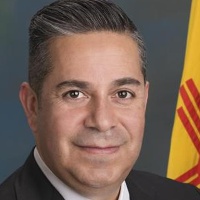
Ben Luján
Senator
NM
The LEAF Act of 2025 amends the Healthy Forests Restoration Act to establish a contract preference for "appropriate local contractors" on federal hazardous fuel reduction projects. This preference prioritizes entities that maintain a local business presence and ensure a significant portion of their workforce resides near the project site. The Secretary of Agriculture must report annually to Congress on the implementation and economic impact of this local hiring preference.
New LEAF Act Requires 26% Local Workforce for Forest Fire Contracts, Prioritizing Local Businesses
The Local Employment Access for our Forests Act of 2025 (LEAF Act) is straightforward: it requires the Secretary of Agriculture to give preference to “appropriate local contractors” when awarding contracts for hazardous fuel reduction projects. Think thinning, controlled burns, and removing dead trees—all the stuff that keeps wildfires from turning into catastrophes. The goal is to funnel federal dollars into local economies, but the devil, as always, is in the definition and the details.
Defining ‘Local’ and the 26% Rule
Under this bill, an “appropriate local contractor” isn’t just some company that happens to be working in your state. To qualify for the preference, the company must have its main place of business in the state where the project is located. More importantly, at least 26 percent of the total workforce assigned to that specific contract must reside within a 60-mile radius of the contractor’s main office. This is a big deal. For a small logging or vegetation management company in a rural area, this preference could be a game-changer, guaranteeing them a better shot at lucrative federal contracts and creating jobs for their neighbors. For the local worker, this means a better chance at consistent, well-paying seasonal work tied to forest health.
The Practical Catch-22 of ‘Practicable’
Here’s where the policy gets a little fuzzy: the Secretary must give this preference “to the maximum extent practicable.” That phrase, “to the maximum extent practicable,” is contracting jargon for “we’ll do it unless we really can’t.” The bill doesn’t lay out clear criteria for when it stops being “practicable.” This gives the Forest Service a lot of wiggle room. If a local contractor is significantly more expensive, or if their qualifications for a specialized project (like complex riparian restoration) are questionable, the Secretary can potentially bypass the preference. This is a key area of vagueness that could lead to disputes. Will the Secretary use this discretion to ensure the best value for taxpayers, or will it become a loophole that undermines the local preference?
Who Wins and Who Might Pay More
The clear winners are the local, smaller contractors and the workers who live near the national forests. This bill is designed to ensure that the money spent fighting fire risk stays in the communities most affected by fire risk. However, there are potential trade-offs. For the larger, non-local companies that might have more specialized equipment or can offer lower bids due to economies of scale, this bill effectively locks them out unless no qualified local option exists. If the local capacity isn’t robust enough, the government might end up paying more for the same amount of work, or the projects might take longer, potentially slowing down critical hazardous fuel reduction efforts.
To keep everyone honest, the bill requires the Secretary to submit detailed annual reports to Congress, starting two years after enactment. These reports must include the number and dollar value of contracts awarded to local versus non-local contractors, an assessment of the economic impact on local employment, and a justification for every time a contract wasn’t awarded to a local contractor. This reporting requirement is the bill’s critical accountability measure, forcing the Forest Service to show their work and prove that the local preference is actually delivering economic benefits without compromising forest health.