Legislative Activity
Track John's sponsored bills, co-sponsored legislation, and voting record
This Act repeals recent changes to Medicaid cost-sharing requirements and the exclusion of orphan drugs from the Drug Price Negotiation Program.
Chris Pappas
Representative
NH
Chris Pappas
Representative
NH
The Protect Patients from Costly Care Act aims to reverse recent changes to Medicaid cost-sharing requirements and the Drug Price Negotiation Program. This bill effectively deletes specific sections from a previous reconciliation act that altered these healthcare provisions. By repealing these changes, the Act restores the original rules regarding Medicaid cost-sharing and the exclusion of orphan drugs from price negotiations.
The Dont STEAL Act mandates that employers pay employees the highest rate among their contract, federal, or state requirements, and it introduces stricter criminal penalties for willful wage theft.
Seth Magaziner
Representative
RI
Seth Magaziner
Representative
RI
The Dont STEAL Act ensures employees are paid at least the highest amount guaranteed by their contract or federal/state law. It strengthens the Fair Labor Standards Act by establishing new criminal penalties, including potential prison time, for employers who willfully commit wage theft exceeding $1,000. Furthermore, fines collected from these new criminal penalties will fund the Department of Labor's enforcement efforts.
This resolution terminates the President's declared crime emergency in the District of Columbia, asserting that the emergency is unwarranted and the legal basis for federal MPD control is flawed.
Jamie Raskin
Representative
MD
Jamie Raskin
Representative
MD
This resolution terminates the President's August 11, 2025, declaration of a crime emergency in the District of Columbia. Congress asserts that the President lacks the legal authority under the D.C. Home Rule Act to take operational control of the Metropolitan Police Department. Furthermore, the bill notes that local violent crime rates have been declining significantly.
This act mandates that the Department of Veterans Affairs must provide abortion care, counseling, and related services and medication to eligible veterans and certain other individuals.
Julia Brownley
Representative
CA
Julia Brownley
Representative
CA
The Reproductive Freedom for Veterans Act mandates that the Department of Veterans Affairs (VA) must now provide abortion care, counseling, and related medication as part of the medical services offered to eligible veterans and certain other beneficiaries. This legislation formally amends existing VA health care provisions to include these reproductive health services.
This Act secures and expands voting rights for unhoused citizens by prohibiting residency-based disenfranchisement, establishing new accessibility requirements, and creating federal grants to support local outreach efforts.
Nikema Williams
Representative
GA
Nikema Williams
Representative
GA
The Unhoused Voter Opportunity Through Elections Act aims to secure and expand the right to vote for citizens experiencing homelessness by prohibiting residency-based disenfranchisement. It mandates accessible registration methods, requires outreach from service providers, and establishes federal grants to help local governments implement these protections. Ultimately, this legislation seeks to ensure that where a person sleeps cannot be a barrier to their participation in federal elections.
This bill updates voting rights requirements by expanding language assistance definitions, creating incentive grants for voluntary translation services, and mandating a study on lowering language assistance thresholds.
Nikema Williams
Representative
GA
Nikema Williams
Representative
GA
The Expanding the VOTE Act updates language assistance requirements under the Voting Rights Act by modernizing the definition of "voting materials" to include digital information. It also establishes new state responsibilities for providing language assistance and creates a grant program to incentivize voluntary language support beyond current mandates. Furthermore, the bill includes special provisions for unwritten American Indian and Alaska Native languages and mandates a study on lowering thresholds for language assistance coverage.
This bill repeals specific prior health reconciliation provisions and expands eligibility for the Premium Tax Credit by removing the 400% income cap and adjusting the subsidy calculation formula.
Adam Gray
Representative
CA
Adam Gray
Representative
CA
The Protecting Health Care and Lowering Costs Act of 2025 repeals specific prior reconciliation health provisions. This bill significantly expands eligibility for the Premium Tax Credit by eliminating the 400% Federal Poverty Level income cap. It also updates the subsidy calculation formula to ensure a smoother, linear adjustment of assistance across various income levels.
This bill establishes comprehensive reproductive and fertility preservation assistance for active-duty service members and expands fertility treatment and adoption assistance benefits for eligible veterans.
Rick Larsen
Representative
WA
Rick Larsen
Representative
WA
The Veteran Families Health Services Act of 2025 expands reproductive and fertility care for service members and veterans. Title I mandates comprehensive fertility preservation and treatment for active-duty personnel and their families. Title II formally establishes fertility treatment, counseling, and adoption assistance as covered benefits for eligible veterans through the VA. This bill aims to remove barriers and reduce financial burdens for military families seeking to start or expand their families.
This act repeals the prohibition on Medicaid payments to certain healthcare entities and mandates retroactive payment for services already rendered under the repealed ban.
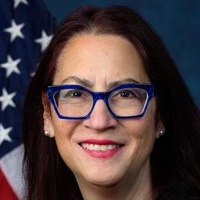
Laura Friedman
Representative
CA
Laura Friedman
Representative
CA
The Restoring Essential Healthcare Act repeals an outdated ban that prevented Medicaid from making payments to certain healthcare providers. This legislation ensures that these previously prohibited entities will now be reimbursed for medical services rendered between the enactment of the original ban and the passage of this Act. In short, it restores payment eligibility and retroactively covers past services.
This Act establishes the "Local Farmers Feeding Our Communities" program to strengthen local food security by funding agreements that support local producers and distribute fresh food to communities.
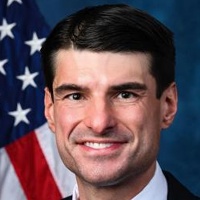
Robert Bresnahan
Representative
PA
Robert Bresnahan
Representative
PA
The Local Farmers Feeding our Communities Act establishes a new program to support local food producers and strengthen regional food security. This initiative requires the Secretary of Agriculture to fund agreements that ensure nutritious, locally sourced food is purchased and distributed widely, prioritizing small and beginning farmers. Funds must be used to buy minimally processed local products and provide technical assistance to producers. The program is backed by mandatory funding starting in Fiscal Year 2026.
The Medical Debt Relief Act of 2025 prohibits reporting medical debt to credit bureaus and bans lenders from using medical debt information when making credit decisions.
Nikema Williams
Representative
GA
Nikema Williams
Representative
GA
The Medical Debt Relief Act of 2025 aims to shield consumers from the negative impact of medical bills on their financial standing. This legislation prohibits the reporting of any adverse information related to medical debt on consumer credit reports under the Fair Credit Reporting Act. Furthermore, it bans lenders from using a consumer's medical debt history when making decisions about granting credit.
This act restores previous state Medicaid provider tax rules by repealing Section 71115 of Public Law 11921.
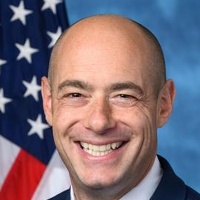
Greg Landsman
Representative
OH
Greg Landsman
Representative
OH
The Protect Our Hospitals Act aims to restore previous regulations concerning Medicaid provider taxes by repealing a specific section of Public Law 11921. This action effectively nullifies recent changes, returning the rules governing how states tax Medicaid providers to their original status.
This Act establishes a federal grant program to fund community-based mentoring initiatives for children and young adults who are currently in or have aged out of the foster care system.
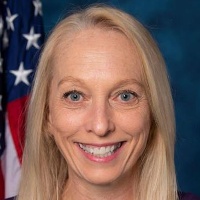
Mary Scanlon
Representative
PA
Mary Scanlon
Representative
PA
The Foster Youth Mentoring Act of 2025 establishes a new federal grant program to fund community-based organizations that provide structured, long-term mentoring for children and young adults who are currently or formerly in foster care. These grants aim to expand high-quality mentoring relationships, requiring rigorous mentor training, thorough background screening, and significant input from youth with lived experience. The goal is to improve outcomes for foster youth in areas like education, mental health, and successful transition to adulthood.
This act mandates clear, front-of-package labeling to alert consumers when foods are high in added sugars, sodium, or saturated fat, and requires warnings for artificial sweeteners in certain products.

Janice Schakowsky
Representative
IL
Janice Schakowsky
Representative
IL
The Transparency, Readability, Understandability, Truth, and Helpfulness in Labeling Act mandates clear front-of-package labeling for foods high in added sugars, sodium, or saturated fat. These labels must use a prominent "High in" warning icon to help consumers make healthier choices quickly. Furthermore, the law requires a specific warning on labels if a product contains non-nutritive (artificial) sweeteners, especially for products marketed to children. These requirements aim to align food labeling with current dietary guidelines and public health concerns.
This Act establishes a corporate tax rate reduction for qualifying U.S. corporations that implement broad-based employee stock ownership plans, while also making the distributed stock tax-free to the employees upon receipt.
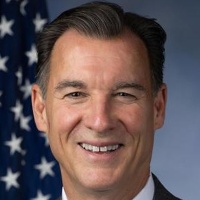
Thomas Suozzi
Representative
NY
Thomas Suozzi
Representative
NY
The Share Holder Allocation for Rewards to Employees Plan Act (SHARE Plan Act) establishes a new corporate tax incentive for U.S. companies that distribute a significant amount of their stock equity to employees through formal, broad-based plans. Eligible "SHARE corporations" receive a 3 percentage point reduction in their corporate income tax rate. Crucially, stock received by employees under a qualified SHARE plan is excluded from the employee's gross income for federal tax purposes. The bill sets strict requirements for plan structure, employee participation, and minimum equity distribution ratios to qualify for these benefits.
The Hands Off Our Social Security Act prohibits unauthorized tampering with benefits, data mining, privatization, workforce reductions, and office closures without explicit Congressional approval.
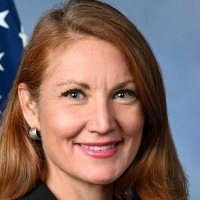
Melanie Stansbury
Representative
NM
Melanie Stansbury
Representative
NM
The Hands Off Our Social Security Act is designed to safeguard the functionality and integrity of the Social Security Administration (SSA). This bill prohibits the SSA from tampering with benefits, engaging in unauthorized data mining, or privatizing services. Furthermore, it prevents the agency from closing local offices or reducing staff without explicit approval from Congress. Ultimately, the Act ensures that essential services and communication channels remain accessible to beneficiaries.
This constitutional amendment prohibits immunity from criminal prosecution for federal officials based on their official duties and bars the President from self-pardoning.
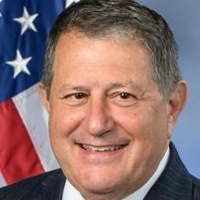
Joseph Morelle
Representative
NY
Joseph Morelle
Representative
NY
This proposed constitutional amendment would eliminate immunity from criminal prosecution for federal officials, including the President, based on their official duties. It also explicitly prohibits the President from issuing a self-pardon for any federal crimes. If ratified, these changes would take effect immediately.
The EACH Act of 2025 mandates that all federally funded health programs and facilities must cover and provide abortion services, while also prohibiting federal interference with private insurance coverage.
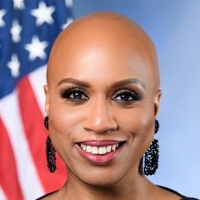
Ayanna Pressley
Representative
MA
Ayanna Pressley
Representative
MA
The EACH Act of 2025 aims to ensure equal access to abortion coverage by requiring all federally funded health programs and facilities to cover abortion services. This legislation prohibits federal interference with state or private insurance coverage of abortion and repeals Section 1303 of the Affordable Care Act. Ultimately, the bill seeks to eliminate financial and insurance barriers to abortion care, particularly for low-income individuals relying on programs like Medicaid.
This bill places a temporary moratorium on the closure or restriction of access to National Oceanic and Atmospheric Administration (NOAA) facilities until 180 days after a required justification report is submitted to Congress.
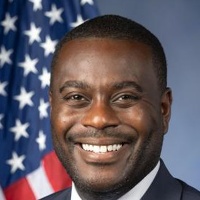
Gabe Amo
Representative
RI
Gabe Amo
Representative
RI
The Stop NOAA Closures Act places a temporary moratorium on the closure or restriction of access to any National Oceanic and Atmospheric Administration (NOAA) facilities. This freeze remains in effect until 180 days after key officials submit a required report to Congress detailing the criteria and process for any future facility changes. After the moratorium lifts, any major facility action will still require a 30-day advance notice and justification report to Congress, except in cases of immediate emergency threatening staff safety.
This Act mandates federal standards requiring employers to implement comprehensive heat illness and injury prevention programs to protect workers from dangerous heat stress.
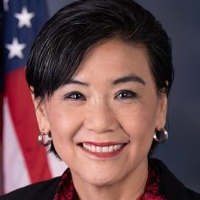
Judy Chu
Representative
CA
Judy Chu
Representative
CA
The Asunción Valdivia Heat Illness, Injury, and Fatality Prevention Act of 2025 mandates that employers protect workers from dangerous heat stress by establishing comprehensive safety standards. This Act requires the Secretary of Labor to create evidence-based rules covering engineering controls, administrative procedures, required training, and paid rest breaks to prevent heat-related illness. Furthermore, the law establishes strict enforcement mechanisms, whistleblower protections, and specific timelines for the implementation of these new federal heat protection standards.