Legislative Activity
Track Brad's sponsored bills, co-sponsored legislation, and voting record
This bill authorizes the Secretary of the Army to convey land at Fort Bragg to the State of North Carolina for the construction of a veterans' State home.
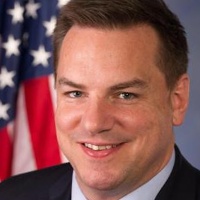
Richard Hudson
Representative
NC
Richard Hudson
Representative
NC
This bill authorizes the Secretary of the Army to transfer approximately 20 acres of land at Fort Bragg to the State of North Carolina for the construction of a veterans' State home. The State is responsible for all costs associated with the land conveyance. The property is subject to a reversionary clause, ensuring it must be used exclusively for veterans' home purposes or ownership will return to the United States.
The Main Street Act aims to foster economic growth by reducing regulatory burdens on community banks, streamlining the application and merger processes, and enhancing transparency in financial supervision.
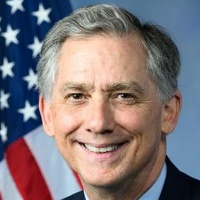
J. Hill
Representative
AR
J. Hill
Representative
AR
The Main Street Act is comprehensive legislation designed to foster a more competitive and accessible banking environment by reducing regulatory burdens on community banks and credit unions. The bill streamlines application processes, modernizes supervision standards, and enhances transparency across federal financial agencies to encourage local lending and economic growth. Additionally, it promotes innovation and financial stability by facilitating bank-fintech partnerships and improving the tools available for managing liquidity and bank resolutions.
This bill authorizes a seven-year grant program for the National Law Enforcement Officers Memorial Fund to support the National Law Enforcement Museum’s educational, community outreach, and officer wellness initiatives.
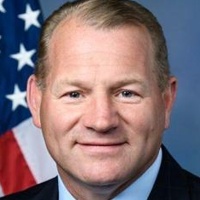
Troy Nehls
Representative
TX
Troy Nehls
Representative
TX
The National Law Enforcement Officers Remembrance, Support, and Community Outreach Act authorizes $6 million in annual grants over seven years to the National Law Enforcement Officers Memorial Fund. These funds will support the National Law Enforcement Museum’s public education, community outreach, and officer safety and wellness programs. As a condition of the grant, the museum must provide free admission to law enforcement officers and their families, as well as dedicated free hours for the general public.
The "Combating Illicit Xylazine Act" aims to combat the misuse of xylazine by adding it to Schedule III of the Controlled Substances Act, tracking its distribution, and ensuring appropriate penalties for related offenses, while also protecting legitimate veterinary use.
Jimmy Panetta
Representative
CA
Jimmy Panetta
Representative
CA
The "Combating Illicit Xylazine Act" aims to combat the illegal use of xylazine by adding it to Schedule III of the Controlled Substances Act, which would allow for increased regulation and tracking of the substance. The bill includes exemptions and delayed effective dates for certain requirements to ease the transition for legitimate users, such as veterinarians and animal handlers. It also directs the Sentencing Commission to review sentencing guidelines for xylazine-related offenses and mandates reports to Congress on the prevalence and impact of illicit xylazine use. Finally, it will include xylazine in Arcos tracking.
The Safe Cloud Storage Act establishes federal cybersecurity, storage, and liability standards for private vendors contracted by law enforcement to manage digital evidence of child exploitation.
Laurel Lee
Representative
FL
Laurel Lee
Representative
FL
The Safe Cloud Storage Act establishes federal standards for law enforcement agencies that use private vendors to store digital evidence of child pornography and child obscenity. The bill mandates rigorous cybersecurity and data handling requirements for these vendors while providing them with limited liability protections. Additionally, it sets clear protocols for evidence retention and oversight to ensure the secure management of sensitive investigative materials.
This bill congratulates the Carolina Hurricanes on winning the 2026 Stanley Cup Final, their second championship, and recognizes the team's performance and community contributions.
Addison McDowell
Representative
NC
Addison McDowell
Representative
NC
This resolution congratulates the Carolina Hurricanes on winning the 2026 Stanley Cup Final, their second championship, twenty years after their first. It recognizes the team's dominant playoff performance, highlights key players like Captain Jordan Staal and Coach Rod Brind'Amour, and acknowledges the organization's community contributions.
This resolution designates specific dates to honor law enforcement officers killed in the line of duty and expresses support for all officers.
Michael Guest
Representative
MS
Michael Guest
Representative
MS
This resolution officially designates May 15, 2026, as Peace Officers Memorial Day and the week of May 10-16, 2026, as National Police Week. It honors the service and sacrifice of law enforcement officers killed in the line of duty, specifically recognizing 363 officers lost in 2025. The bill expresses unwavering support for law enforcement and acknowledges the need for proper resources to ensure officer safety.
This bill establishes the Combating Organized Retail Crime Act of 2025 to enhance federal prosecution tools against organized retail and supply chain crime and create a DHS-led coordination center to align law enforcement efforts.
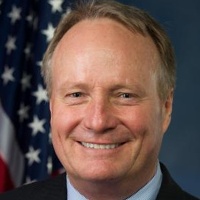
David Joyce
Representative
OH
David Joyce
Representative
OH
The Combating Organized Retail Crime Act of 2025 aims to combat sophisticated, cross-jurisdictional organized retail and supply chain theft. It achieves this by strengthening federal laws regarding money laundering and stolen property offenses, including lowering monetary thresholds for prosecution. Furthermore, the bill establishes a dedicated Center within the Department of Homeland Security to coordinate federal, state, and local enforcement efforts against these criminal organizations.
Logan's Law establishes a publicly accessible Violent Criminal Offender Database and mandates federal efforts to improve criminal record sharing between states.
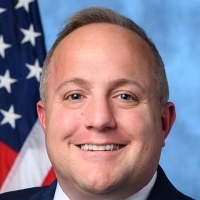
Russell Fry
Representative
SC
Russell Fry
Representative
SC
Logan's Law establishes a publicly accessible **Violent Criminal Offender Database** containing federal and state records of qualifying convictions. It mandates that states receiving Byrne JAG grants must submit this conviction data or risk losing funding. Additionally, the bill requires the Attorney General to report on and recommend improvements for criminal record sharing between states and federal entities.
This Act repeals the federal beneficial ownership information reporting requirements for domestic persons and entities, limiting them only to foreign individuals and foreign-connected companies, and mandates the deletion of existing domestic data.
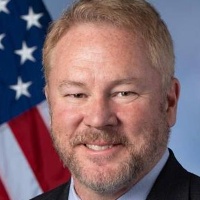
Warren Davidson
Representative
OH
Warren Davidson
Representative
OH
The Repealing Big Brother Overreach Act significantly narrows the federal beneficial ownership information reporting requirements. This legislation limits reporting obligations exclusively to foreign individuals and foreign-connected companies. Furthermore, it mandates the deletion of all previously collected data pertaining to domestic persons and entities.
This bill mandates comprehensive safety upgrades for civilian and military aviation, focusing on collision avoidance technology, air traffic control training, and enhanced airspace transparency, particularly around high-traffic airports.
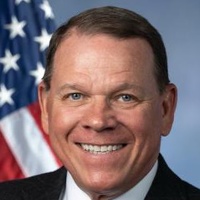
Sam Graves
Representative
MO
Sam Graves
Representative
MO
The Airspace Location and Enhanced Risk Transparency Act of 2026 mandates significant safety upgrades across both civilian and military aviation to prevent midair collisions. It requires the FAA to implement advanced collision avoidance systems and new air traffic controller training, while also compelling the Department of Defense to equip most military helicopters with transponders for increased visibility. The bill establishes new transparency measures, including public tracking of safety rule implementation and enhanced reporting on near-miss incidents, particularly around major airports like Reagan National.
This resolution commemorates the 100th anniversary of the Sporting Arms and Ammunition Manufacturers' Institute (SAAMI) and honors its century-long commitment to establishing safety and technical standards for the firearms industry.
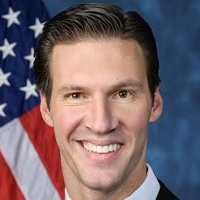
Pat Harrigan
Representative
NC
Pat Harrigan
Representative
NC
This resolution commemorates the 100th anniversary of the Sporting Arms and Ammunition Manufacturers' Institute, Inc. (SAAMI). It honors the organization’s century-long commitment to establishing technical and safety standards that ensure the reliable interoperability of firearms and ammunition. Furthermore, it recognizes SAAMI’s ongoing contributions to public safety, industry innovation, and responsible firearm practices.
This Act establishes new federal standards and requirements for states issuing commercial driver's licenses (CDLs) to individuals who are not residents of that issuing state, particularly focusing on drivers from foreign countries and U.S. territories.
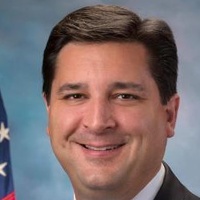
David Rouzer
Representative
NC
David Rouzer
Representative
NC
The Non-Domiciled CDL Integrity Act establishes new federal standards for states issuing Commercial Driver's Licenses (CDLs) to individuals who do not reside in that state. This bill sets specific, strict requirements for foreign nationals seeking a CDL, including proof of lawful status and job-related visas, while also outlining distinct procedures for applicants residing in U.S. territories. The legislation mandates enhanced record-keeping and reporting by states to the Secretary of Transportation regarding these non-domiciled licenses.
The Enhanced Iran Sanctions Act of 2025 mandates broad economic and immigration sanctions on foreign individuals, entities, and financial institutions that support Iran’s nuclear, missile, drone, or terrorist activities, while specifically targeting the country's petroleum and petrochemical sectors.
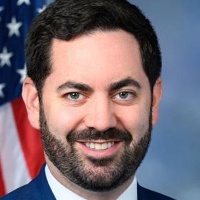
Michael Lawler
Representative
NY
Michael Lawler
Representative
NY
The Enhanced Iran Sanctions Act of 2025 strengthens U.S. policy by imposing mandatory sanctions on foreign persons and financial institutions that support Iran’s nuclear, ballistic missile, drone, and terrorist activities. The bill specifically targets Iran’s petroleum and petrochemical sectors to cut off funding for these malign programs. Additionally, it expands the State Department’s "Rewards for Justice" program to incentivize the reporting of individuals who evade these sanctions.
This bill exempts specific less-than-lethal projectile devices from federal firearm restrictions, excise taxes, and National Firearms Act regulations to promote de-escalation innovation in law enforcement.
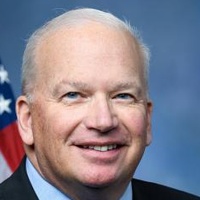
Scott Fitzgerald
Representative
WI
Scott Fitzgerald
Representative
WI
The Law-Enforcement Innovate to De-Escalate Act aims to promote de-escalation by exempting specific, clearly defined less-than-lethal projectile devices from federal firearm restrictions and excise taxes. This legislation provides a formal process for determining which devices qualify for these exemptions under both federal law and the National Firearms Act. The bill also modernizes tax regulations by exempting qualifying less-than-lethal devices and their ammunition from federal excise taxes.
The HIRE DEA Act grants the Drug Enforcement Administration direct hire authority from 2027 through 2034 to expedite the appointment of personnel to critical roles combating drug trafficking.
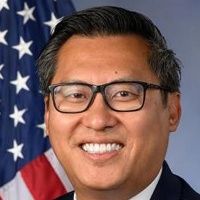
Vince Fong
Representative
CA
Vince Fong
Representative
CA
The HIRE DEA Act grants the Drug Enforcement Administration (DEA) special direct hire authority from 2027 through 2034. This allows the Attorney General to quickly appoint qualified candidates to critical roles, such as Special Agents and intelligence analysts, bypassing standard competitive hiring rules. This authority is intended to enhance the DEA's ability to combat evolving drug trafficking threats.
This act establishes the Domestic Cotton Consumption Credit to incentivize businesses to use U.S.-grown cotton through a verified supply chain with varying credit percentages based on processing location.
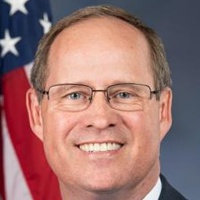
Gregory Murphy
Representative
NC
Gregory Murphy
Representative
NC
The Buying American Cotton Act of 2026 establishes the Domestic Cotton Consumption Credit to incentivize the use of U.S.-grown cotton in products sold domestically. This new business tax credit is calculated based on the volume of U.S. cotton used, the market price, and where the product was processed. The bill mandates digital tracing to verify the supply chain and offers significantly increased credit multipliers for products containing U.S.-made cotton yarn or fabric.
This bill amends federal law to significantly restrict non-citizen eligibility for federal public benefits, including cash assistance.
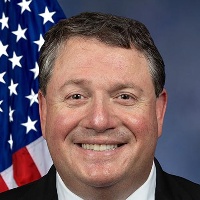
Randall Fine
Representative
FL
Randall Fine
Representative
FL
The "No Welfare for Non-Citizens Act" seeks to significantly restrict federal public benefit eligibility for non-citizens by eliminating existing exceptions and establishing a broad rule of ineligibility. The bill expands the definition of federal public benefits to explicitly include cash assistance while repealing previous provisions that allowed for limited access to federal programs.
This bill authorizes Congress to award Congressional Gold Medals to the 1980 U.S. Men's Olympic Ice Hockey team for their historic "Miracle on Ice" victory.
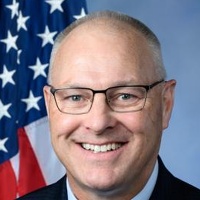
Pete Stauber
Representative
MN
Pete Stauber
Representative
MN
This bill, the Miracle on Ice Congressional Gold Medal Act, officially authorizes Congress to award Congressional Gold Medals to the 1980 U.S. Men's Olympic Ice Hockey Team for their historic "Miracle on Ice" victory. The medals will be struck by the Treasury and permanently displayed at specific national sports museums. The Act also permits the sale of duplicate bronze medals to cover production costs.
This act prohibits state and local governments from enacting regulations that restrict energy service based on the type or source of energy sold in interstate commerce.
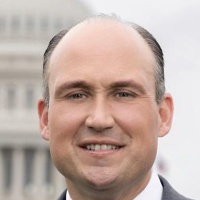
Nicholas Langworthy
Representative
NY
Nicholas Langworthy
Representative
NY
The Energy Choice Act places federal restrictions on state and local governments, preventing them from enacting regulations that prohibit or limit energy service based on its type or source. This means local governments cannot ban or restrict access to energy services sold in interstate commerce. The legislation aims to ensure consistent access to various energy sources across jurisdictions.