Legislative Activity
Track Mike's sponsored bills, co-sponsored legislation, and voting record
This Act prohibits the air transport of adult roosters, with an exemption for legitimate commercial agricultural purposes, to enhance aviation safety and combat illegal fighting operations.
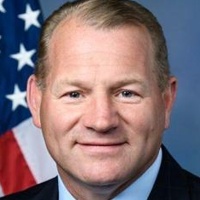
Troy Nehls
Representative
TX
Troy Nehls
Representative
TX
The No Flight, No Fight Act of 2026 restricts the air transportation of adult roosters to enhance aviation safety and combat illegal activities like cockfighting. The bill prohibits air carriers from knowingly transporting adult roosters as cargo, with an exemption for shipments related to certified commercial farms for legitimate agricultural purposes. Enforcement authority rests with the Secretary of Transportation, and violations are subject to civil penalties.
This bill mandates proof of U.S. citizenship for federal voter registration and requires photo identification showing citizenship status for voting in federal elections.
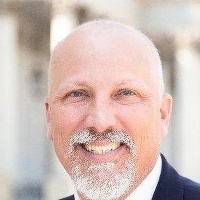
Chip Roy
Representative
TX
Chip Roy
Representative
TX
The Safeguard American Voter Eligibility Act (SAVE America Act) mandates that individuals must provide documentary proof of U.S. citizenship to register to vote in federal elections. It also establishes a federal requirement for voters to present a photo ID indicating U.S. citizenship when casting a ballot in federal elections. The bill outlines specific acceptable forms of proof and requires states to implement verification programs to ensure only citizens are registered and voting.
This bill, the SCAM Act, establishes new grounds and procedures for the government to revoke the citizenship of naturalized individuals who commit specific serious offenses or fraud within ten years of naturalization.
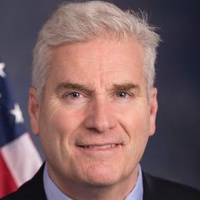
Tom Emmer
Representative
MN
Tom Emmer
Representative
MN
The SCAM Act establishes new grounds for the government to revoke the citizenship of naturalized individuals. It allows for denaturalization if a person commits fraud against the government, joins a terrorist organization, or commits an aggravated felony within ten years of naturalization. These actions are deemed proof that the individual lacked good moral character at the time they became a citizen. Revocation of citizenship under this Act is retroactive to the original date of naturalization.
This bill establishes the American Dream Act, which excludes capital gains from federal income tax for individuals aged 65 or older who sell their real property to a first-time homebuyer under specific conditions.
John McGuire
Representative
VA
John McGuire
Representative
VA
The American Dream Act establishes a temporary federal income tax exclusion for capital gains realized by individuals aged 65 or older when they sell their real property to a first-time homebuyer. This incentive is designed to encourage seniors to sell their homes to new buyers, provided the sale price does not exceed $500,000 and certain residency requirements are met. This exclusion is effective for sales occurring between 2027 and 2031.
This bill establishes a distinct regulatory pathway for homeopathic drug products, focusing on specific safety, quality, and transparency requirements while exempting them from premarket approval.
Pete Sessions
Representative
TX
Pete Sessions
Representative
TX
The Homeopathic Drug Product Safety, Quality, and Transparency Act establishes a distinct regulatory pathway for homeopathic drug products to ensure consumer access while setting specific safety and quality standards. This legislation defines homeopathic products, clarifies that they are exempt from premarket approval, and outlines specific manufacturing, testing, and labeling requirements based on established homeopathic standards. The Act also creates a dedicated Homeopathic Drug Product Advisory Committee to guide the Secretary of Health and Human Services on related regulations.
This bill adds the Secretary of the Interior to CFIUS to review foreign acquisitions of U.S. public land or resources involving designated adversarial nations.
Dan Newhouse
Representative
WA
Dan Newhouse
Representative
WA
This bill, the Keeping Public Lands Out of Adversarial Hands Act, expands the Committee on Foreign Investment in the United States (CFIUS) to include the Secretary of the Interior for certain land and resource transactions. It mandates CFIUS review of land or resource deals involving foreign persons from specified adversarial nations. This ensures greater scrutiny over foreign acquisitions near sensitive U.S. public lands and resources.
The SAFE KIDS Act voids surrogacy agreements between U.S. surrogates and prospective parents from designated foreign entities of concern, while penalizing brokers who facilitate such arrangements.
Blake Moore
Representative
UT
Blake Moore
Representative
UT
The SAFE KIDS Act addresses national security concerns by invalidating surrogacy agreements between U.S. surrogates and prospective parents from designated "foreign entities of concern." This legislation voids such contracts and imposes penalties on surrogacy brokers who facilitate these arrangements. The bill ensures that custody decisions for children born under these void agreements are based solely on the child's best interests under state law.
This bill modifies deposits into the Crime Victims Fund by excluding certain False Claims Act recoveries and mandates an Inspector General audit of the Fund's sustainability.
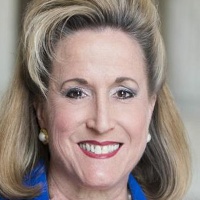
Ann Wagner
Representative
MO
Ann Wagner
Representative
MO
This bill amends the Victims of Crime Act of 1984 to temporarily exclude certain False Claims Act recoveries from being deposited into the Crime Victims Fund through fiscal year 2029. It also mandates a comprehensive audit by the Department of Justice Inspector General on the Fund's sustainability and the impact of recent legislative changes. The resulting report will provide recommendations for improving the Fund's effectiveness and oversight.
This bill requires employers to prominently display a state-specific notice detailing veterans' benefits developed by the Departments of Labor and Veterans Affairs.
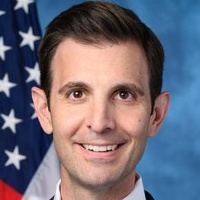
Chris Deluzio
Representative
PA
Chris Deluzio
Representative
PA
The Thomas M. Conway Veterans Access to Resources in the Workplace Act mandates that employers prominently display a state-specific notice detailing veterans' benefits. This notice, developed by the Departments of Labor and Veterans Affairs, will include critical resources like the Veterans Crisis Line. The goal is to ensure veterans in the workplace have easy access to vital federal and state benefit information.
This act removes the gray wolf from the endangered and threatened wildlife list and prohibits judicial review of that decision.
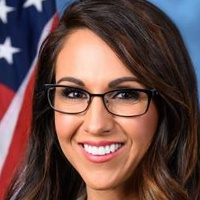
Lauren Boebert
Representative
CO
Lauren Boebert
Representative
CO
The Pet and Livestock Protection Act officially removes the gray wolf from the federal list of endangered and threatened wildlife. This legislation mandates the reissuance of the November 3, 2020, final rule concerning the gray wolf's delisting within 60 days of enactment. Furthermore, the reissuance of this rule is explicitly barred from judicial review.
This act amends FERPA to allow institutions to release student education records to a previous institution without additional consent solely for the purpose of awarding a recognized postsecondary credential upon the student's written consent.
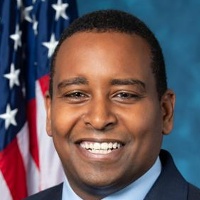
Joe Neguse
Representative
CO
Joe Neguse
Representative
CO
The Reverse Transfer Efficiency Act of 2025 amends FERPA to streamline the process for students to receive credit for prior coursework. This allows colleges and universities to share educational records with previous institutions without extra consent specifically for awarding a recognized postsecondary credential. This transfer of records is contingent upon the student's written consent before the credential is issued.
The CLEAR Act of 2025 prohibits the U.S. Forest Service from enforcing the rule published in the Federal Register (89 Fed. Reg. 92808) concerning Law Enforcement and Criminal Prohibitions.
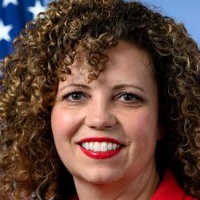
Celeste Maloy
Representative
UT
Celeste Maloy
Representative
UT
The CLEAR Act of 2025 aims to prevent the U.S. Forest Service from enforcing a specific recent rule concerning "Law Enforcement; Criminal Prohibitions." This legislation effectively nullifies that particular regulation, removing its force and effect.
This act confirms that the University of Utah's use of specified land in Salt Lake City as a research park constitutes a valid public purpose under federal law.
Blake Moore
Representative
UT
Blake Moore
Representative
UT
This act officially confirms that the University of Utah's use of approximately 593.54 acres of land in Salt Lake City for its research park constitutes a valid public purpose under federal law. It validates the existing use established by the 1970 Department of the Interior approval and any consistent future uses related to the university research park.
This bill authorizes Congress to award Congressional Gold Medals to the 1980 U.S. Men's Olympic Ice Hockey team for their historic "Miracle on Ice" victory.
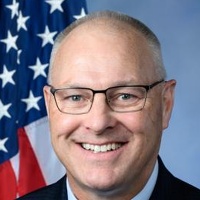
Pete Stauber
Representative
MN
Pete Stauber
Representative
MN
This bill, the Miracle on Ice Congressional Gold Medal Act, officially authorizes Congress to award Congressional Gold Medals to the 1980 U.S. Men's Olympic Ice Hockey Team for their historic "Miracle on Ice" victory. The medals will be struck by the Treasury and permanently displayed at specific national sports museums. The Act also permits the sale of duplicate bronze medals to cover production costs.
This bill exempts qualifying less-than-lethal projectile devices and their ammunition from federal excise taxes and the regulations of the National Firearms Act.
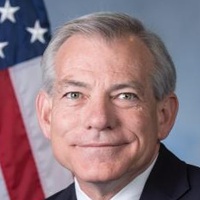
David Schweikert
Representative
AZ
David Schweikert
Representative
AZ
This bill exempts specific, carefully defined less-than-lethal projectile devices and their ammunition from the federal excise tax on firearms and ammunition. It also removes these qualifying devices from regulation under the National Firearms Act. The legislation establishes clear criteria, including velocity limits and design restrictions, to ensure the exemption applies only to tools intended for de-escalation rather than lethal force. Manufacturers can request official classification for their products to confirm eligibility for these tax and regulatory benefits.
This bill establishes a federal crime and civil cause of action against anyone who knowingly administers an abortion-inducing drug to a woman without her informed consent.
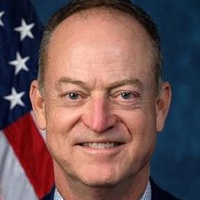
Mark Messmer
Representative
IN
Mark Messmer
Representative
IN
The Forced Abortion Prevention and Accountability Act establishes a new federal crime prohibiting the knowing and intentional administration of abortion-inducing drugs to a pregnant woman without her informed consent. This legislation creates severe criminal penalties, including up to 25 years in prison, for those who violate this prohibition or attempt to do so. Furthermore, it grants victims the right to file a civil lawsuit to recover damages for physical and psychological injuries resulting from forced abortions.
This act establishes a national, expedited system for registering healthcare apprenticeships and mandates the digitization of all related agreement forms.
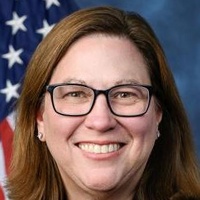
Julie Johnson
Representative
TX
Julie Johnson
Representative
TX
The Fast Track Healthcare Apprenticeships Act aims to streamline the creation of healthcare apprenticeship programs by establishing a national registration system with strict 45-day processing deadlines. This legislation mandates the digitization of all apprenticeship agreement forms to modernize the administrative process. The goal is to accelerate the development of the healthcare workforce.
This resolution condemns the Iranian government's systematic persecution of the Baha'i minority and calls for the immediate release of imprisoned Baha'is and the imposition of sanctions on responsible officials.
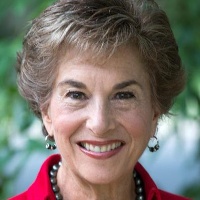
Janice Schakowsky
Representative
IL
Janice Schakowsky
Representative
IL
This resolution strongly condemns the Iranian government for its ongoing, state-sponsored persecution of the Baha'i religious minority, which violates international human rights laws. It documents systematic abuses, including economic restrictions, denial of education, and arbitrary arrests, noting that these actions may constitute a crime against humanity. The resolution calls on Iran to immediately release all imprisoned Bahais and urges the U.S. President and Secretary of State to condemn these violations and impose sanctions on responsible officials.
This act eliminates the cost-sharing requirement for the Robert Noyce Teacher Scholarship Program to boost the rural STEM pipeline.
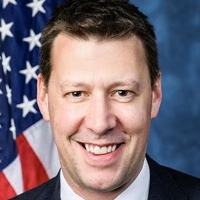
Josh Riley
Representative
NY
Josh Riley
Representative
NY
The Boosting the Rural STEM Pipeline Act aims to strengthen science, technology, engineering, and mathematics (STEM) education in rural areas. This bill achieves this by eliminating the cost-sharing requirement for institutions participating in the Robert Noyce Teacher Scholarship Program. By removing this barrier, the Act seeks to encourage broader participation in training the next generation of rural STEM educators.
The Mikaela Naylon Give Kids a Chance Act primarily focuses on enhancing pediatric drug research, ensuring completion of pediatric study requirements, extending incentives for rare pediatric disease treatments, and making targeted updates to FDA and organ transplant network operations.
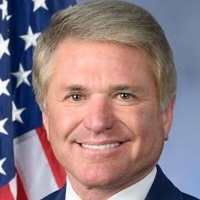
Michael McCaul
Representative
TX
Michael McCaul
Representative
TX
The Mikaela Naylon Give Kids a Chance Act focuses primarily on improving pediatric drug development and ensuring patient access to necessary treatments. This legislation mandates new research requirements for molecularly targeted pediatric cancer drugs, strengthens FDA enforcement of pediatric study completion, and extends incentives for developing drugs for rare pediatric diseases. Additionally, the bill updates organ transplant network functions and establishes an Abraham Accords Office within the FDA to enhance international regulatory cooperation.