Legislative Activity
Track Mike's sponsored bills, co-sponsored legislation, and voting record
The Time for Completion Act requires colleges to provide more transparent and detailed reporting on student graduation and completion rates across various timeframes and student demographics.
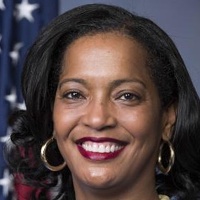
Jahana Hayes
Representative
CT
Jahana Hayes
Representative
CT
The Time for Completion Act increases transparency in higher education by requiring colleges to provide more detailed graduation and completion data. Institutions must now report success rates across multiple time intervals and student categories, ensuring students have a clearer, more accurate picture of how long it takes to earn a degree or certificate.
The PATH Act expands the criteria for federal transit grant applications by allowing transit agencies to incorporate population growth and development planning into their ridership forecasts.
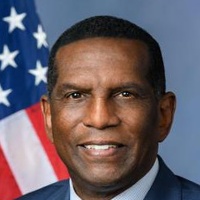
Clarence Owens
Representative
UT
Clarence Owens
Representative
UT
The Promoting Access to Transit in High-Growth Communities (PATH) Act modernizes the federal transit grant application process by expanding the criteria used to forecast project ridership. By allowing applicants to incorporate factors like population growth rates and development planning, the bill provides greater flexibility for communities to demonstrate the necessity of new transit infrastructure. This update ensures that transit funding better reflects the needs of rapidly evolving, high-growth regions.
This bill restricts stock trading by Members of Congress and their families while establishing new federal requirements for voters to provide photo identification in federal elections.
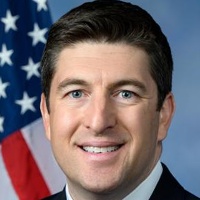
Bryan Steil
Representative
WI
Bryan Steil
Representative
WI
The Stop Insider Trading Act restricts Members of Congress, their spouses, and dependent children from purchasing or selling individual stocks to prevent conflicts of interest. Additionally, the bill mandates that voters provide valid photo identification when voting in person or by mail in federal elections.
The Main Street Act aims to foster economic growth by reducing regulatory burdens on community banks, streamlining the application and merger processes, and enhancing transparency in financial supervision.

J. Hill
Representative
AR
J. Hill
Representative
AR
The Main Street Act is comprehensive legislation designed to foster a more competitive and accessible banking environment by reducing regulatory burdens on community banks and credit unions. The bill streamlines application processes, modernizes supervision standards, and enhances transparency across federal financial agencies to encourage local lending and economic growth. Additionally, it promotes innovation and financial stability by facilitating bank-fintech partnerships and improving the tools available for managing liquidity and bank resolutions.
This bill honors the lives and ultimate sacrifice of four wildland firefighters who died in the line of duty in 2026 while expressing gratitude to all personnel who risk their lives protecting communities from wildfires.

Jeff Hurd
Representative
CO
Jeff Hurd
Representative
CO
This resolution honors the lives and ultimate sacrifice of wildland firefighters Emily Barker, Nick Hutcherson, Sydney Watson, and Nicholas Dale, who lost their lives in the line of duty during the 2026 wildfire season. It expresses deep gratitude to all wildland firefighters, aviation crews, and support personnel for their courage and continued commitment to protecting American communities. Furthermore, it recognizes the ongoing need to support these frontline responders and invites the nation to honor their service and sacrifice.
The Fair Treatment of Religious Organizations Act of 2026 protects the tax-exempt status of religious organizations by ensuring their beliefs regarding marriage, sexuality, and gender identity are not deemed inconsistent with public policy.
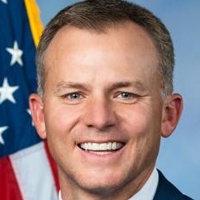
Blake Moore
Representative
UT
Blake Moore
Representative
UT
The Fair Treatment of Religious Organizations Act of 2026 protects the tax-exempt status of religious organizations by ensuring their beliefs regarding marriage, sexuality, and gender identity are not deemed inconsistent with public policy. Additionally, it clarifies that religious beliefs do not need to be central to a specific faith system to qualify for tax-exempt recognition.
This bill amends House ethics rules to prohibit Members of Congress from engaging in sexual relationships with their employees, subject to specific exemptions and oversight by the Ethics Committee.
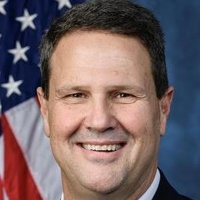
Jeff Crank
Representative
CO
Jeff Crank
Representative
CO
This bill amends House ethics rules to prohibit Members, Delegates, and the Resident Commissioner from engaging in sexual relationships with House employees. It provides narrow exceptions for married couples and specific non-supervisory roles, subject to a formal, confidential review process by the Ethics Committee. The legislation mandates that the Committee establish clear procedures to prevent conflicts of interest and protect the integrity of the House.
The TRUTH in Coverage Act of 2026 mandates that health insurance plans covering sex-rejecting procedures must also provide comprehensive, non-restrictive coverage for restorative care to address the resulting health complications.

Diana Harshbarger
Representative
TN
Diana Harshbarger
Representative
TN
The TRUTH in Coverage Act of 2026 mandates that group health plans and insurance issuers covering "sex-rejecting procedures" must also provide comprehensive coverage for restorative care to address the resulting physical and psychological harms. The bill establishes strict standards to ensure that such restorative services are not subject to more restrictive financial requirements or treatment limitations than other standard medical and surgical benefits.
This bill mandates electronic prior authorization, increases transparency through required data reporting, and establishes faster decision timelines for Medicare Advantage plans to improve timely access to care for seniors.
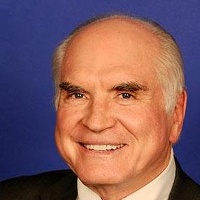
Mike Kelly
Representative
PA
Mike Kelly
Representative
PA
The Improving Seniors’ Timely Access to Care Act of 2025 aims to streamline and modernize the prior authorization process within Medicare Advantage plans. This bill mandates the adoption of electronic prior authorization systems and significantly increases transparency regarding approval rates and decision times starting in 2027. Furthermore, it establishes new enrollee protections and grants the Secretary authority to enforce faster decision timeframes for medical services.
The Chloe Cole Act of 2026 establishes a private right of action allowing individuals to sue healthcare providers for damages resulting from gender-transition medical interventions performed on them as minors.
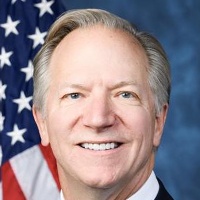
Robert Onder
Representative
MO
Robert Onder
Representative
MO
The Chloe Cole Act of 2026 establishes a federal private right of action allowing individuals to sue healthcare professionals and institutions for damages related to gender-transition medical interventions performed on them as minors. The bill permits lawsuits regardless of when the intervention occurred and sets a statute of limitations extending 25 years past the individual's 18th birthday. Additionally, it mandates strict liability for such interventions performed after the Act's enactment.
This Act prohibits payment card networks and processors from assigning specific merchant category codes to identify firearms retailers, protecting the privacy of firearm and ammunition purchases.
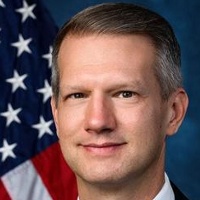
Riley Moore
Representative
WV
Riley Moore
Representative
WV
The Protecting Privacy in Purchases Act prohibits payment card networks and processors from assigning specific merchant category codes to firearms retailers. This legislation aims to protect consumer privacy by preventing the tracking of firearm and ammunition purchases through specialized financial classification. The Attorney General is tasked with enforcing these provisions and reporting annually on compliance.
The American Enrichment Deployment Act amends the Atomic Energy Act to allow for the "at-risk" construction of uranium enrichment facilities prior to the issuance of a final license.
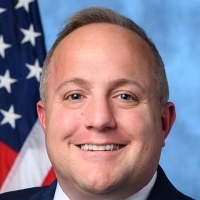
Russell Fry
Representative
SC
Russell Fry
Representative
SC
The American Enrichment Deployment Act amends the Atomic Energy Act of 1954 to allow for the "at-risk" construction of uranium enrichment facilities before a final license is issued. This legislation aims to streamline the development process for these facilities while maintaining the Nuclear Regulatory Commission’s full authority to regulate safety and deny licenses.
The NSF AI Education Act of 2025 expands National Science Foundation support for AI education through new scholarships, industry fellowships, community college centers of excellence, and research awards for K-12 AI integration.
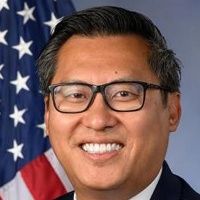
Vince Fong
Representative
CA
Vince Fong
Representative
CA
The NSF AI Education Act of 2025 significantly expands the National Science Foundation's role in bolstering the AI workforce through education and training. It establishes new scholarships and fellowships for students and professionals in AI-related fields, while also creating Centers of AI Excellence at community colleges and technical schools. Furthermore, the bill funds research awards to develop effective AI teaching methods and materials for K-12 education. Overall, this legislation aims to build a robust, skilled, and diverse AI talent pipeline across all educational levels.
This bill renames and revises the Great American Outdoors Act's maintenance fund, increases dedicated funding through new, higher fees for foreign visitors, and sets spending priorities for deferred maintenance across public lands agencies.
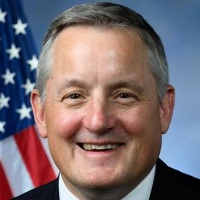
Bruce Westerman
Representative
AR
Bruce Westerman
Representative
AR
This bill, the Great American Outdoors Act 250, significantly reforms and renames the existing public lands restoration fund to the America’s Legacy Restoration Fund. It secures dedicated funding streams, primarily from energy revenues and new fees on foreign visitors, to address critical deferred maintenance across the National Park Service, Forest Service, and other public land agencies. The legislation establishes strict spending priorities for infrastructure repair while also creating pilot programs for enhancing outdoor recreation and sportsmen's access. Finally, it mandates increased transparency and accountability through standardized metrics and public reporting on all funded projects.
This bill amends the Endangered Species Act to mandate the inclusion of state-collected data in federal decisions regarding the listing or delisting of threatened and endangered species.
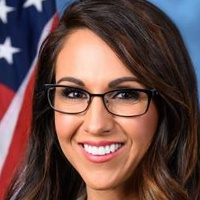
Lauren Boebert
Representative
CO
Lauren Boebert
Representative
CO
This bill, the "Local Data for Better Conservation Act," amends the Endangered Species Act to mandate that the Secretary must consider and incorporate data provided by state governments when making decisions about listing or delisting threatened and endangered species. This ensures state-level information is part of federal conservation determinations.
This Act directs the Comptroller General to study federal authorities that impact wildfire mitigation efforts across boundaries between federal and non-federal lands and recommend ways to improve cross-boundary cooperation.
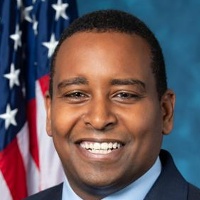
Joe Neguse
Representative
CO
Joe Neguse
Representative
CO
The Cross-Boundary Wildfire Solutions Act mandates a comprehensive study by the Comptroller General to examine federal authorities that impact wildfire mitigation efforts across land ownership boundaries. This study will assess how existing programs help or hinder collaboration between federal agencies and state, local, and tribal governments. The goal is to identify necessary changes to existing laws to improve cross-boundary wildfire risk reduction and forest health. The final report will include recommendations focused on simplifying these essential mitigation activities.
The Geothermal Energy Advancement Act streamlines geothermal leasing and permitting processes on federal lands by mandating timely application processing, establishing cost recovery mechanisms, updating operational standards, and creating new administrative roles to facilitate development.
Jeff Hurd
Representative
CO
Jeff Hurd
Representative
CO
The Geothermal Energy Advancement Act aims to accelerate geothermal energy development on federal lands by streamlining permitting processes, even when lawsuits are pending. It establishes cost recovery mechanisms for federal geothermal application processing and mandates the update of the BLM's "Gold Book" to include geothermal standards. Furthermore, the bill creates a Geothermal Ombudsman and a Permitting Task Force to improve efficiency and addresses royalty timing for geothermal electricity production.
This bill establishes the Smithsonian American Women's History Museum, designates its site on the National Mall, and sets requirements for its mission, construction, and diverse representation of viewpoints.
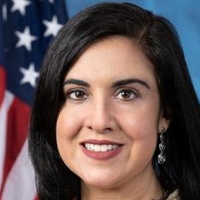
Nicole Malliotakis
Representative
NY
Nicole Malliotakis
Representative
NY
This act officially establishes the Smithsonian American Women’s History Museum and designates its location on the National Mall, requiring the transfer of land jurisdiction to the Smithsonian Institution. The museum is mandated to preserve and present the history and achievements of biological women in the United States. Furthermore, the legislation requires that exhibits and programs reflect diverse political viewpoints and authentic experiences of women, as guided by a broad array of knowledgeable sources.
The Provider Reimbursement Stability Act of 2026 reforms Medicare physician payment policies by updating budget neutrality thresholds, establishing a correction process for utilization estimates, mandating periodic updates to practice expense data, and limiting annual conversion factor fluctuations.
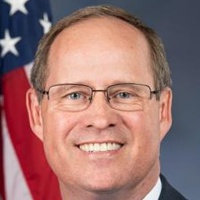
Gregory Murphy
Representative
NC
Gregory Murphy
Representative
NC
The Provider Reimbursement Stability Act of 2026 aims to improve the accuracy and predictability of Medicare physician payments. The bill reforms budget neutrality calculations, mandates periodic updates to practice expense cost data, and establishes a 2.5% cap on annual conversion factor fluctuations. These measures are designed to ensure more stable reimbursement rates for healthcare providers.
This bill authorizes the minting and sale of commemorative gold and silver coins to honor the 25th anniversary of the September 11, 2001, terrorist attacks, with surcharges supporting the National September 11 Memorial and Museum.

Dan Goldman
Representative
NY
Dan Goldman
Representative
NY
This bill authorizes the Secretary of the Treasury to mint and issue commemorative gold and silver coins marking the 25th anniversary of the September 11, 2001, terrorist attacks. The coins will honor the victims, first responders, and survivors, with designs selected in consultation with the National September 11 Memorial and Museum. All surcharges from the sale of these coins will be paid directly to the Memorial and Museum to support its operations and maintenance.