Legislative Activity
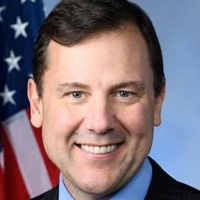
Track Thomas's sponsored bills, co-sponsored legislation, and voting record
This resolution expresses support for designating July 10th as Journeyman Lineworkers Recognition Day to honor the dangerous and essential service provided by these workers, especially during crises.
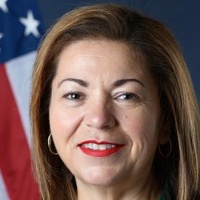
Linda Sánchez
Representative
CA
Linda Sánchez
Representative
CA
This resolution expresses support for designating July 10th as Journeyman Lineworkers Recognition Day. It honors the essential and dangerous work performed by these skilled professionals, especially their heroic efforts in restoring power after major disasters. The day serves to recognize their service and remember those who have lost their lives performing this vital work.
This bill mandates quarterly rebates from manufacturers of selected drugs based on the difference between standard Medicare payment rates and the negotiated Maximum Fair Price, while adjusting beneficiary coinsurance accordingly.
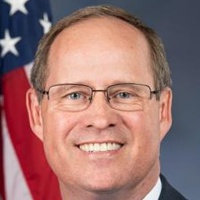
Gregory Murphy
Representative
NC
Gregory Murphy
Representative
NC
This bill, the Protecting Patient Access to Cancer and Complex Therapies Act, establishes a new mandatory rebate system for manufacturers of certain drugs selected for Maximum Fair Price (MFP) negotiation under Medicare. Manufacturers must pay quarterly rebates based on the difference between the standard Medicare payment and the lower negotiated MFP for units sold under Part B. These changes also adjust beneficiary coinsurance calculations to reflect the lower MFP, ensuring patient out-of-pocket costs are based on the negotiated price.
This resolution condemns Russia's forced deportation and Russification of Ukrainian children and demands their return before any final peace agreement is reached.
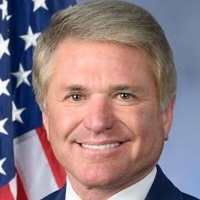
Michael McCaul
Representative
TX
Michael McCaul
Representative
TX
This resolution strongly condemns Russia for the abduction and forced "Russification" of Ukrainian children, highlighting these actions as grave violations of international law. It emphasizes that these children must be safely returned to Ukraine before any final peace agreement to end the war is considered. The document also underscores the heightened risks of trafficking, violence, and trauma faced by Ukrainian children due to the ongoing invasion.
The Treat and Reduce Obesity Act of 2025 expands Medicare coverage for intensive behavioral therapy for obesity and mandates Part D coverage for certain weight management medications for eligible beneficiaries.
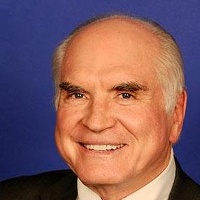
Mike Kelly
Representative
PA
Mike Kelly
Representative
PA
The Treat and Reduce Obesity Act of 2025 aims to combat the growing obesity epidemic, particularly among older adults, by expanding access to intensive behavioral therapy under Medicare. This bill mandates that Medicare Part D plans begin covering FDA-approved medications for obesity and weight management in individuals with related health conditions. Finally, it requires the Secretary of HHS to report regularly to Congress on the implementation and coordination of these new obesity treatment strategies.
The CONNECT for Health Act of 2025 permanently expands Medicare telehealth access by removing geographic restrictions, increasing practitioner flexibility, bolstering program integrity, and mandating supports for quality remote care delivery.
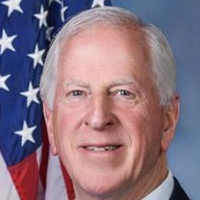
Mike Thompson
Representative
CA
Mike Thompson
Representative
CA
The CONNECT for Health Act of 2025 significantly expands and permanently secures access to Medicare telehealth services by eliminating outdated geographic restrictions and allowing more practitioners to offer remote care. The bill also strengthens program integrity by dedicating funds for telehealth oversight while clarifying rules around providing necessary technology to patients. Finally, it mandates the creation of tailored educational resources and public reporting to improve quality measurement and transparency in remote care delivery.
This Act authorizes the Secretary of State to designate foreign countries as "State Sponsors of Unlawful or Wrongful Detention" and outlines congressional oversight and mandatory review of U.S. response tools against such nations.
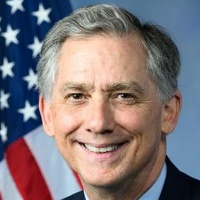
J. Hill
Representative
AR
J. Hill
Representative
AR
The Countering Wrongful Detention Act of 2025 authorizes the Secretary of State to designate foreign countries as "State Sponsors of Unlawful or Wrongful Detention" if they illegally hold U.S. citizens. This designation triggers mandatory reviews of diplomatic and legal tools to deter such actions. Furthermore, Congress must approve these designations for them to remain in effect beyond six months.
The VET Act of 2025 establishes a grant program to incentivize energy industry employers to hire and train transitioning service members, veterans, and their spouses.
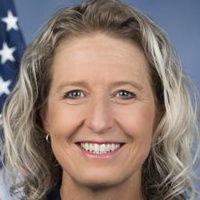
Jennifer Kiggans
Representative
VA
Jennifer Kiggans
Representative
VA
The Veterans Energy Transition Act of 2025 (VET Act) establishes a new grant program administered by the Secretary of Labor to incentivize organizations to hire active duty military members, veterans, and their spouses for jobs in the energy industry. These grants reimburse employers for training, recruitment, and other costs associated with employing these "covered individuals." The program prioritizes hiring those with relevant skills and aims to coordinate with existing transition services to ensure effective job placement.
This Act mandates clear "Do Not Flush" labeling on disposable wipes containing petrochemical fibers to prevent plumbing pollution, enforced by the FTC.

Lisa McClain
Representative
MI
Lisa McClain
Representative
MI
The Wastewater Infrastructure Pollution Prevention and Environmental Safety Act (WIPPES Act) mandates clear "Do Not Flush" labeling on disposable wipes that cause plumbing issues. This federal standard, enforced by the FTC, requires specific placement and high contrast for the required symbols and text on all packaging. The Act preempts differing state or local labeling laws and gives manufacturers one year to comply.
The FIGHT Act of 2025 strengthens federal prohibitions against animal fighting, enhances enforcement mechanisms, and allows citizens to sue violators of animal fighting provisions.
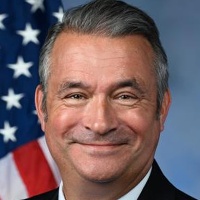
Don Bacon
Representative
NE
Don Bacon
Representative
NE
The FIGHT Act of 2025 significantly strengthens federal prohibitions against animal fighting ventures, specifically targeting the sponsorship, exhibition, and gambling associated with these events. This legislation clarifies the definition of a rooster for legal purposes and bans the interstate transport of roosters for fighting. Furthermore, it empowers private citizens to file lawsuits against violators, allowing for civil penalties and the potential seizure of property used to facilitate illegal animal fighting.
This bill expands eligibility for Clean Water State Revolving Fund assistance to qualified nonprofit organizations and establishes specific rules and limitations for funding privately owned treatment works.
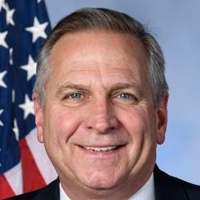
Mike Bost
Representative
IL
Mike Bost
Representative
IL
The Clean Water SRF Parity Act of 2025 expands eligibility for federal water pollution control funding to include qualified nonprofit organizations for treatment works projects. It also establishes specific rules for how funds can be used by privately owned treatment works, ensuring assistance primarily benefits users rather than shareholders. Furthermore, the Act prohibits states from providing additional subsidies to these specific nonprofit and privately owned entities receiving assistance under these new provisions.
This Act streamlines the veterans' benefits appeals process through enhanced reporting, new procedural tools for the Board of Veterans Appeals and the Court of Appeals for Veterans Claims, and studies aimed at increasing efficiency.
Mike Bost
Representative
IL
Mike Bost
Representative
IL
The Veterans Appeals Efficiency Act of 2025 aims to significantly speed up the Department of Veterans Affairs (VA) claims and appeals process through increased reporting and new procedural tools. This legislation mandates annual transparency on decision times and empowers the Board of Veterans Appeals (BVA) to group similar cases for faster resolution. Furthermore, it expands the jurisdiction of the Court of Appeals for Veterans Claims (CAVC) and requires studies to explore issuing precedential BVA decisions to streamline common legal issues.
This act modernizes the VA's caregiver support program by creating a centralized digital system for applications and appeals, clarifying stipend payments after a veteran's death, and standardizing training for appeal reviewers.
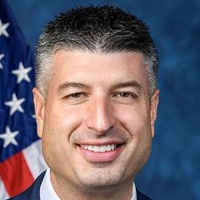
Tom Barrett
Representative
MI
Tom Barrett
Representative
MI
The Veterans’ Caregiver Appeals Modernization Act of 2025 aims to streamline and improve the VA's caregiver support program. It mandates the creation of a centralized digital system for processing caregiver applications and appeals. Additionally, the bill clarifies stipend payments following a veteran's death and standardizes training for all employees reviewing caregiver assistance appeals.
The Weather Act Reauthorization Act of 2025 comprehensively updates federal weather programs to prioritize public safety, modernize infrastructure through AI and commercial data integration, and improve forecasting for severe weather, agriculture, and emerging threats like heat and landslides.

Frank Lucas
Representative
OK
Frank Lucas
Representative
OK
The Weather Act Reauthorization Act of 2025 is a comprehensive bill designed to significantly enhance U.S. weather forecasting, research, and public safety capabilities. It mandates that public safety be the absolute top priority for NOAA, authorizes funding for modernization across computing and radar systems, and establishes new programs to improve forecasts for severe weather like tornadoes and hurricanes. Furthermore, the legislation focuses on integrating commercial data, improving risk communication through social science, and enhancing predictions crucial for agriculture and water management.
This resolution expresses the House's urgent call for the President to appoint a Special Envoy for Sudan to address the devastating conflict, humanitarian crisis, and regional security risks.
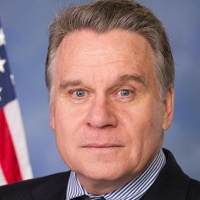
Christopher Smith
Representative
NJ
Christopher Smith
Representative
NJ
This resolution expresses the strong sense of the House urging the President to immediately appoint a dedicated U.S. Special Envoy for Sudan. This high-level diplomat would be tasked with leading urgent U.S. efforts to stop the devastating conflict and massive humanitarian crisis there. The Envoy would focus on high-level diplomacy to secure a ceasefire, ensure aid delivery, and advance U.S. national security interests in the region.
This bill establishes an FBI Animal Cruelty Crimes Taskforce to investigate federal animal cruelty laws, train local law enforcement, and report annually to Congress on enforcement efforts.
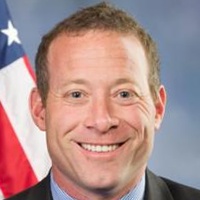
Josh Gottheimer
Representative
NJ
Josh Gottheimer
Representative
NJ
The FBI Animal Cruelty Taskforce Act of 2025 establishes a dedicated Animal Cruelty Crimes Taskforce within the FBI to investigate and enforce federal laws against severe animal cruelty, such as dogfighting and crush videos. This Taskforce is also responsible for developing training materials for local law enforcement. Furthermore, it must coordinate with other federal agencies and submit annual reports to Congress detailing enforcement statistics, including charges filed and convictions secured.
This resolution formally recognizes the significant and growing economic contributions of independent workers and contractors to the American economy while expressing concern over potential legislative restrictions on their flexibility.
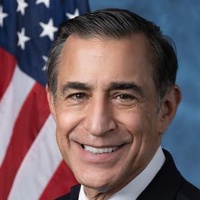
Darrell Issa
Representative
CA
Darrell Issa
Representative
CA
This resolution officially recognizes the significant and growing contributions of independent workers, freelancers, and sole proprietors to the American economy. It highlights the substantial economic impact of this sector, which provides flexibility and opportunity for millions of Americans. Furthermore, the resolution expresses concern over potential legislation that could restrict the freedom and flexibility enjoyed by these independent workers.
This act mandates that FHA loan disclosures include comparable VA loan information and requires lenders to ask about military service on standard loan applications.
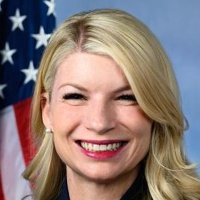
Brittany Pettersen
Representative
CO
Brittany Pettersen
Representative
CO
The VA Loan Informed Disclosure Act of 2025 (VALID Act) aims to increase awareness of VA loan options among homebuyers. It requires lenders to include comparative information about potential VA loan terms on standard FHA disclosure forms. Furthermore, the Act mandates that the Uniform Residential Loan Application include a prominent question regarding the applicant's military service.
This bill establishes a bipartisan commission to investigate the rise of antisemitism in the United States, review government evidence, and report findings with recommendations to Congress and the President.
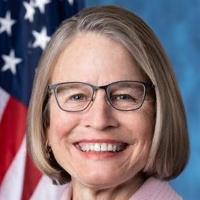
Mariannette Miller-Meeks
Representative
IA
Mariannette Miller-Meeks
Representative
IA
This Act establishes the Commission to Study Acts of Antisemitism in the United States to investigate the recent surge in antisemitic incidents across the country, particularly on college campuses. The Commission will review government evidence, gather facts, and issue a comprehensive report with recommendations for legislative or administrative action. After submitting its final report to the President and Congress within one year, the Commission will terminate 120 days later.
The VET PFAS Act expands VA healthcare and disability benefits for veterans and their families exposed to toxic PFAS chemicals at military installations by establishing presumptions of service connection for related illnesses.
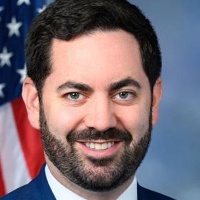
Michael Lawler
Representative
NY
Michael Lawler
Representative
NY
The VET PFAS Act expands healthcare and disability benefits for veterans and their families exposed to toxic PFAS chemicals, like PFOA, at contaminated military installations. It establishes a presumption of service connection for specific related illnesses, making it easier for veterans to receive disability compensation. Furthermore, the bill grants eligible family members access to VA medical care, contingent upon future appropriations. The VA is also required to report annually on the implementation and utilization of these new provisions for three years.
This bill establishes a regulatory safe harbor protecting non-controlling blockchain developers and service providers from being treated as financial service providers unless they control users' digital assets.
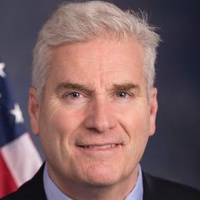
Tom Emmer
Representative
MN
Tom Emmer
Representative
MN
The Blockchain Regulatory Certainty Act establishes a "safe harbor" to protect non-controlling blockchain developers and service providers from being regulated as financial institutions. This protection applies as long as they do not regularly control users' digital assets on the network. Essentially, the bill shields those who build or provide access to blockchain software unless they have the unilateral power to move user funds.