The Patriot Day Act designates Patriot Day as an official federal holiday.
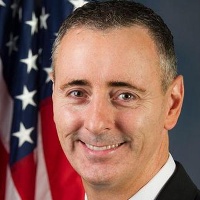
Brian Fitzpatrick
Representative
PA-1
The Patriot Day Act formally designates Patriot Day as a federal holiday. This legislation adds the observance to the official list of legal public holidays under 5 U.S.C. § 6103(a).
Patriot Day Act Proposes New Federal Holiday: September 11th Joins the Official National Calendar
The Patriot Day Act is a straightforward piece of legislation that aims to elevate September 11th to a legal public holiday. By amending 5 U.S.C. § 6103(a), the bill inserts "Patriot Day" into the existing list of federal holidays, specifically positioning it in the calendar after Labor Day. This change would place the day on the same legal footing as Memorial Day or Veterans Day, moving it from a day of observance to an official federal closure.
The Calendar Shift
For most people, the immediate impact of this bill is a change in the federal work schedule. Because it modifies the official list of legal public holidays, federal offices, post offices, and many banks would close their doors in observance. If you are a federal employee, this means a paid day off; if you are someone trying to renew a passport or mail a certified letter on September 11th, you would find those services unavailable. This follows the standard rollout for federal holidays, where the government leads the way and the private sector decides whether to follow suit.
Business and School Implications
While the bill specifically targets federal law, the ripple effects usually hit local schools and private businesses. When a new federal holiday is established, school districts often face pressure to align their calendars, which can mean an extra day of childcare for working parents to coordinate. For small business owners and those in the trades, a new federal holiday doesn't automatically mean a day off, but it does mean navigating a day where the banking system is paused and government agencies are offline, which can delay everything from loan processing to permit approvals.